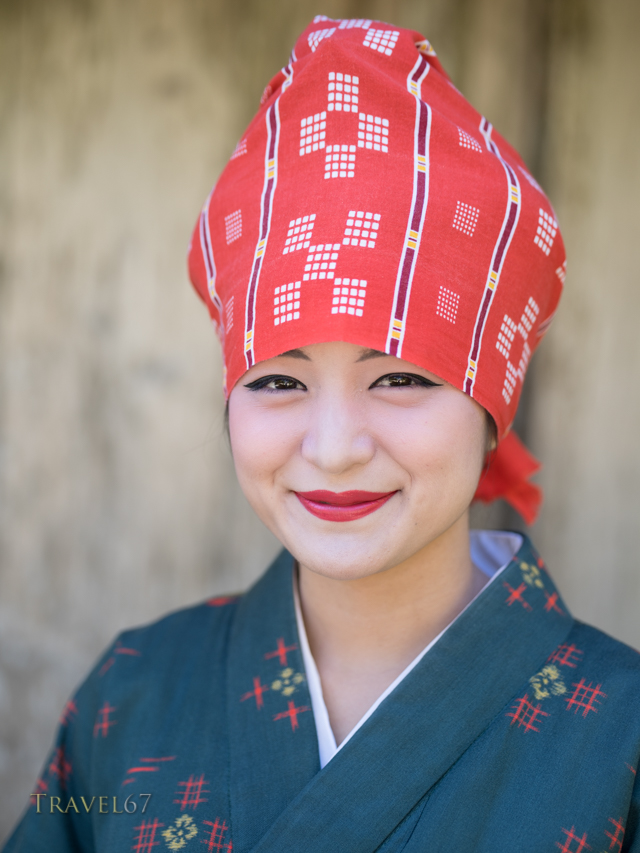
Okinawan woman in traditional dress.
Quick portrait of an Okinawan woman shot with the Pentax 645Z, 90mm lens, and natural light.
Okinawan woman in traditional dress.
Quick portrait of an Okinawan woman shot with the Pentax 645Z, 90mm lens, and natural light.
The less well known track by Survivor.
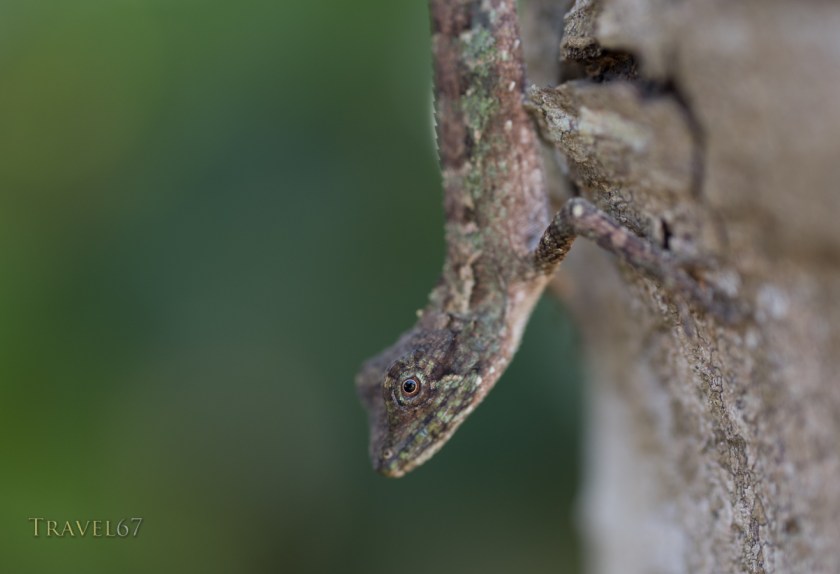
Lizard eye – Pentax 645Z with 90mm
Interesting to see just how shallow the depth of field is when shooting with the 645Z and a 90mm macro lens at f2.8 and the minimum focusing distance of 0.413m.


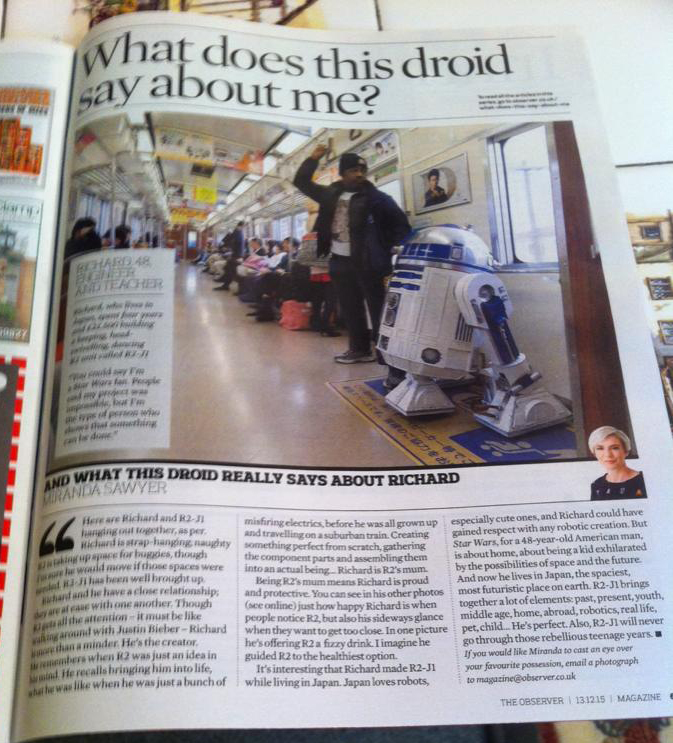
TheGuardian.com 13 Dec 2015
My images of Richard and his R2 on the front page of The Guardian website and a 10 image “The Big Picture” photo feature.
Always nice to make both the subject and the client really happy, and have a great time doing it as well.
http://www.theguardian.com/travel/gallery/2015/dec/13/me-and-my-droid-in-pictures
And page 67 of The Observer Magazine.
On April 3rd 2015, I moved into the new house. I was well aware that it would need some renovation work. Inside was mainly cosmetic and could wait, but the outside needed immediate work.
Some of the drains at the house had been detached by previous typhoons. Leaks had occurred where water pooled up on the balcony and flowed in through air vents. Other water leaks had been caused by air vents missing hoods.
In Okinawa rainy season is May to early June. It’s wet but the rain is falling vertically. However in July, August and September there are typhoons. If you have an ocean view, you are going to get hit by the full force of the wind and horizontal rain.

The white pipe on the ground was a downpipe that had been removed during a previous typhoon.
The first job was to buy a power washer and clean the dirt off everything within reach. This enabled me to reveal any cracks in the concrete and assess the problems.
Most homes in Okinawa are built out of reinforced concrete with a core of steel rebar. They are strong and able to withstand typhoons, but if the concrete cracks and saltwater reaches the steel you can have serious structural problems.
I decided I could paint the balcony and garage walls by myself, but the actual house would need scaffolding and professional help. I looked for a contractor who could fix the cracks, paint the house, and replace broken downpipes and vent hoods.
As often happens in Okinawa I went with the recommendations of a friend. Higa-san of Higa Paint Co. in Nakagusku ( 098-895-2200) would provide the paint and his friend’s company Shinzato Toso Kogyo (098-930-4116) would do the actual repairs and reform.
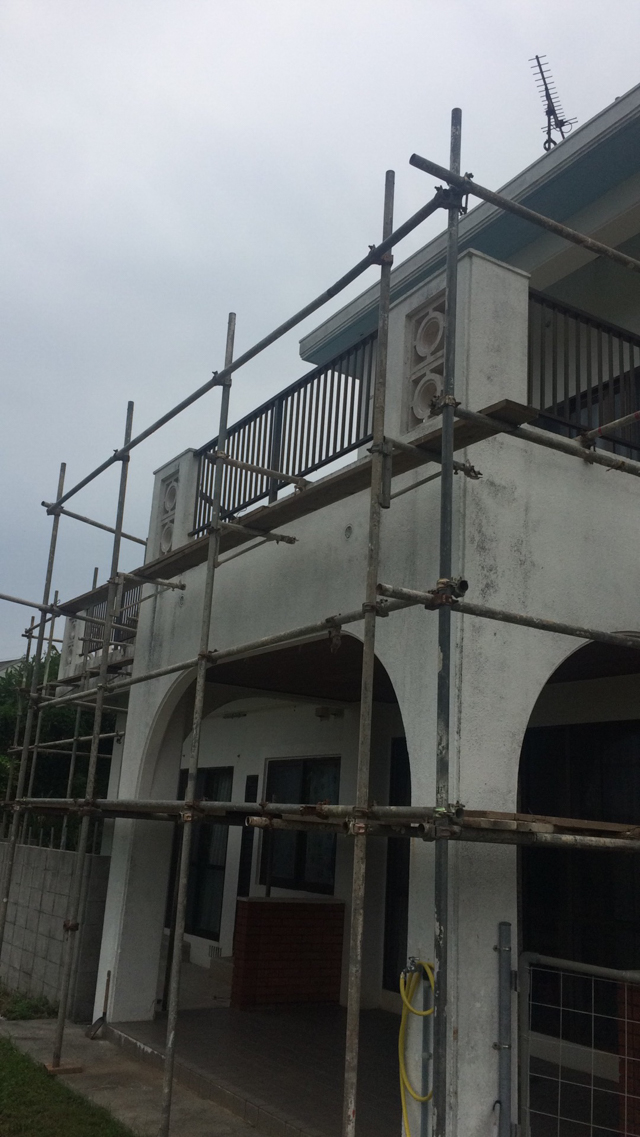
Scaffolding up on the house, note the vents on the wall missing the hoods.
At the end of May the scaffolding went up around the house.
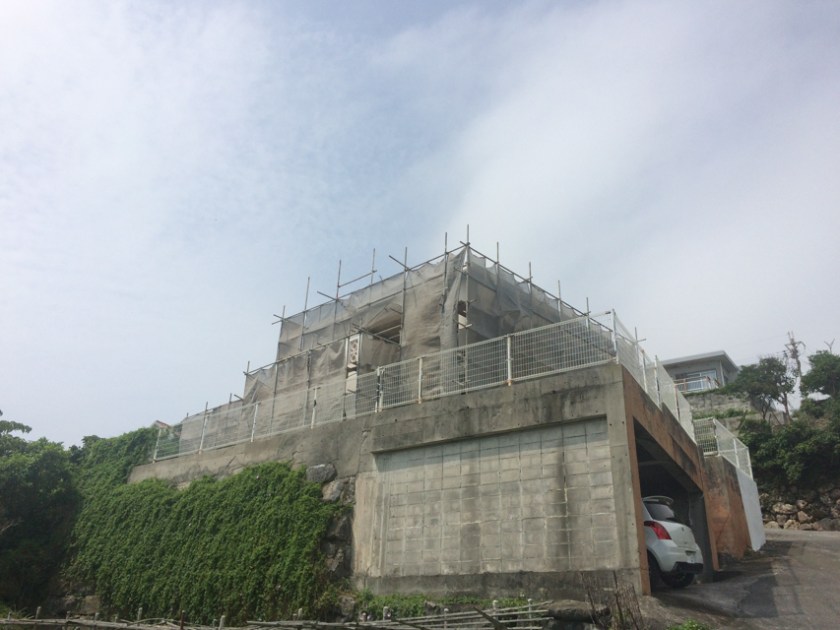
About 10 days later the scaffolding came down, revealing a sparkly white house.

I painted the outside of the garage myself, then went to Higa-san to get paint for the balcony. He recomended a five layer system to make sure the flat balcony (the roof above my office) would be waterproof and reflect the heat.
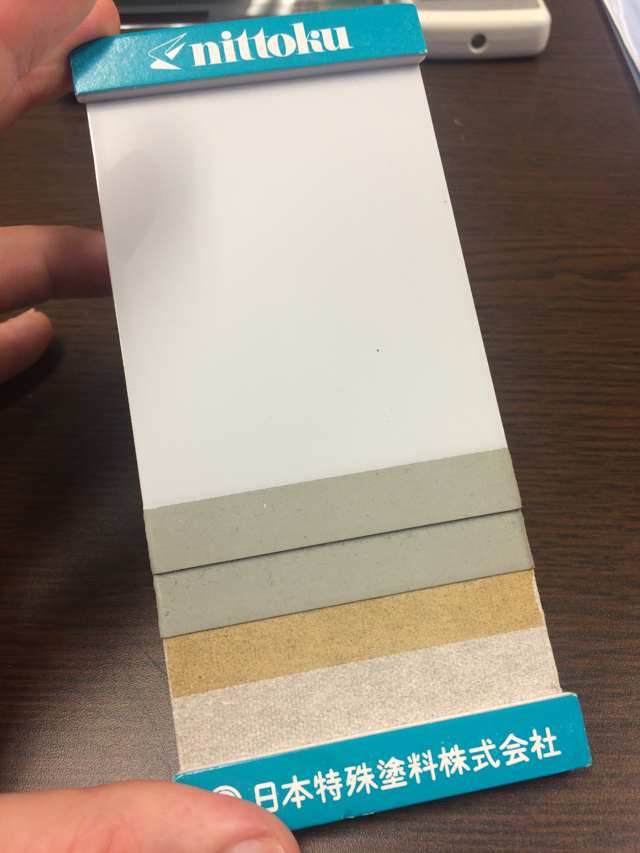
After cleaning the concrete, you place a primer, then two layers of rubber, then two layers of topcoat. The result is a strong waterproof surface. It took about a week for me to do.
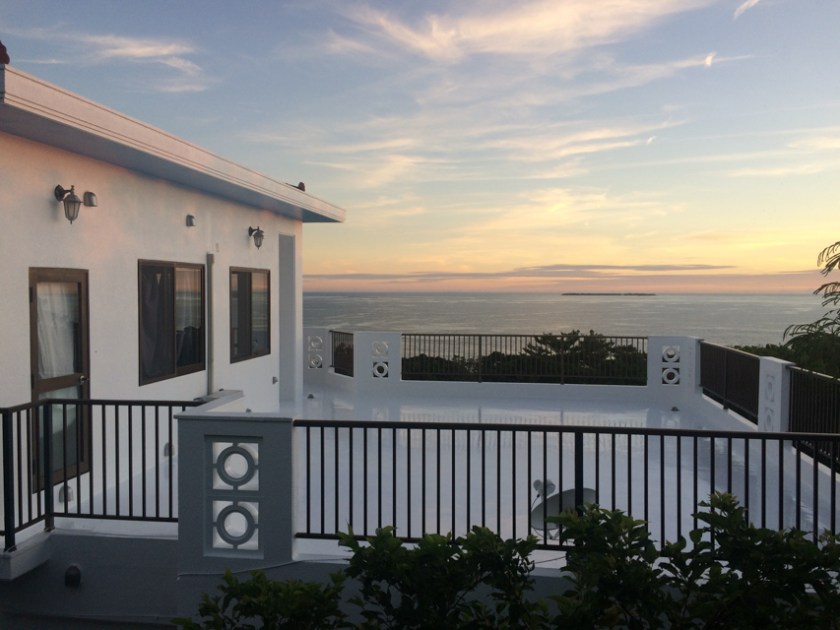
I used some leftover primer, rubber and paint to seal the flat roof of the garage.

We were hit by a few typhoons over the summer, and happily there were no leaks.
The house that looked rundown and a little unloved is now a sparkly home and office. Stop by for a cup of tea!

Drone shot by Pete Leong
2015 has been a busy year, just one of the reasons is that in March I bought my first house.
It was a relatively quick and painless process, but it was difficult finding information about all the associated fees in English so hopefully this post will help others.
Back in December 2014, I was browsing the internet housing website Suumo. I wanted to check out the prices, and see what was available in northern Okinawa.
One property in Motobu caught my attention, or to be more specific the view from the house looked amazing. The website showed an approximate location so I decided to drive over.
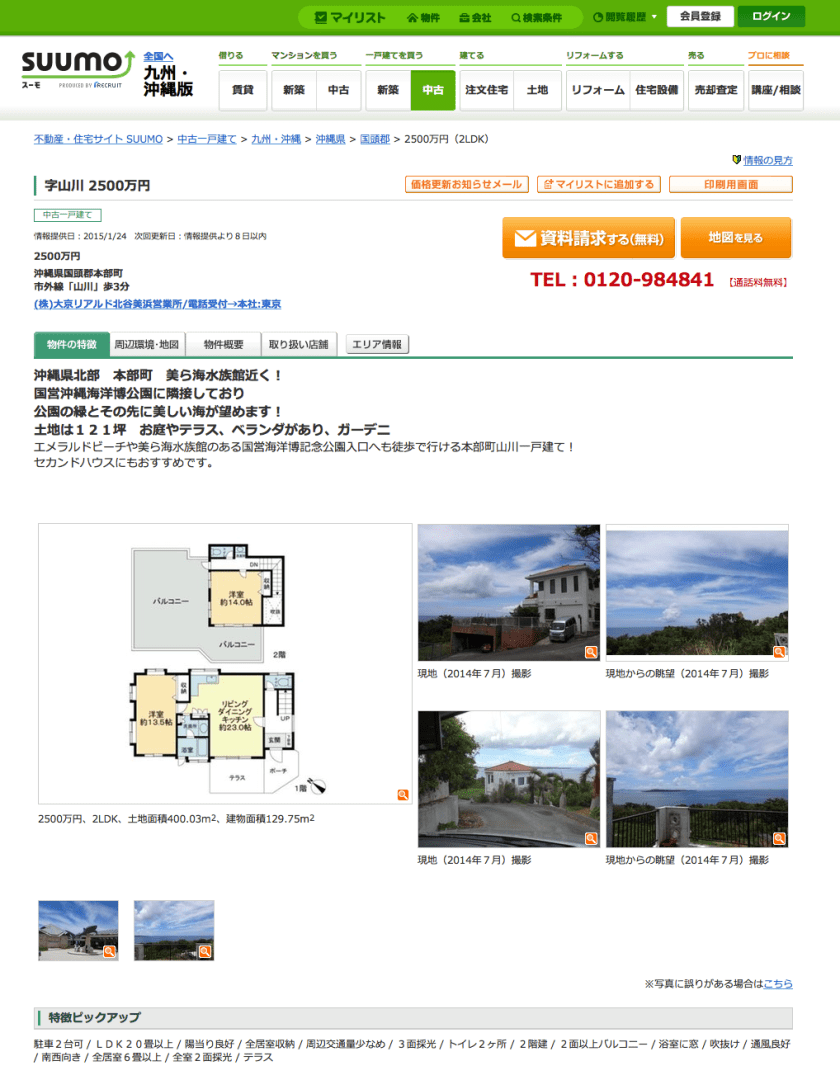
I found the house, and although there were no FOR SALE signs, I knocked on the door. The owner came out a little surprised, but was very friendly. We had a brief chat and I had a quick look at the exterior. Although it was cloudy, the view was as I’d hoped, fantastic.
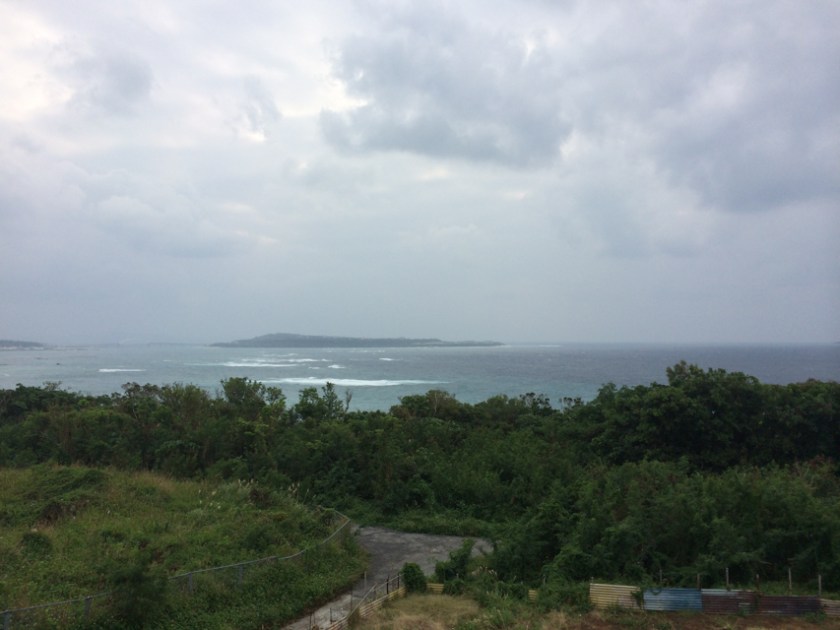
The next day I called the toll-free number of the Sumo website and was connected through to the Daikyo office in Chatan. They arranged with the owner for me to look at the exterior and interior of the house.
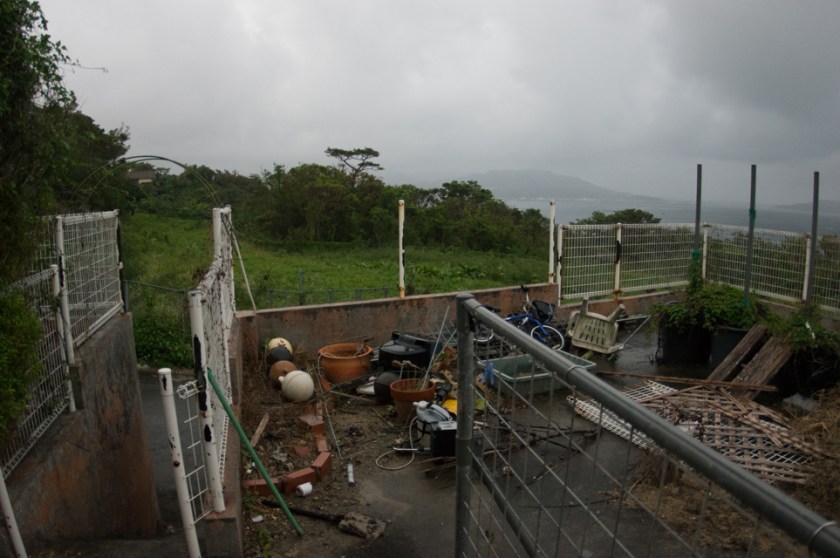
The house had been built in 1995, and as often happens in Japan, little renovation had been done to the house since. At the very least, the house needed painting and there were many surface cracks in the concrete. The yard was also overgrown with the fence in disrepair.
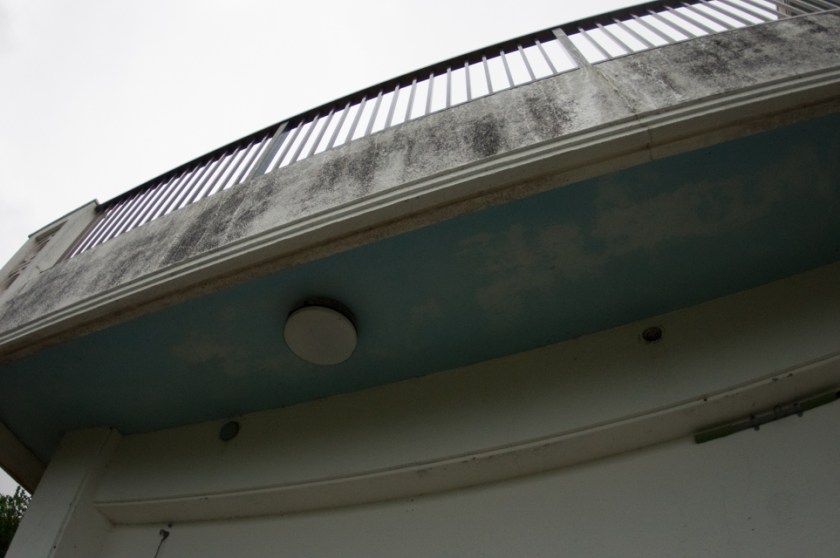
The interior likewise had some issues with the wooden panelling peeling in places, and signs that at some point there had been water leaks. The kitchen was old and the wooden flooring weathered in patches.
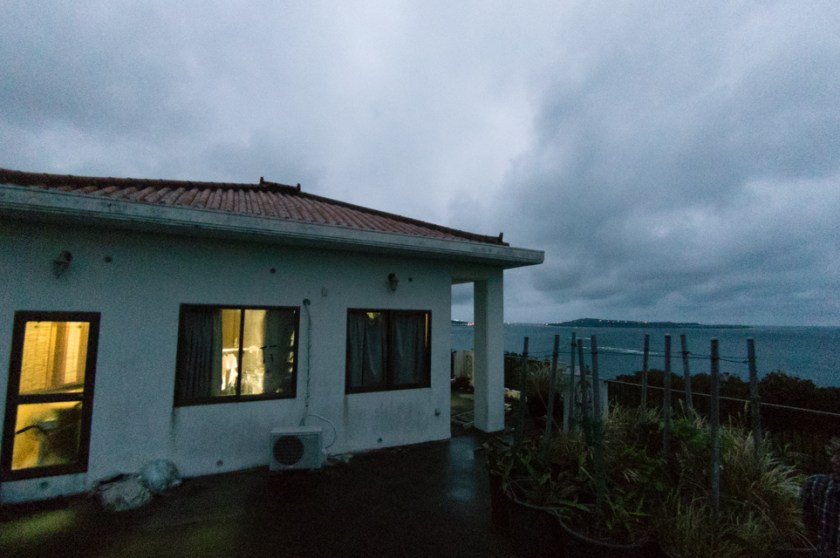
The agency explained that the house probably would need reform both inside and out, but that it had a great view. The original asking price for house and land had been 29 million yen, but was now 25 million.
In its condition the house wouldn’t have seemed like an appealing prospect for most buyers. It needed too much work as a second home for someone from the Japanese mainland, it was too far from Naha for most Okinawans, and it was too far from the bases to be used as a buy to let investment.
For me, the house had great potential and of course that absolutely stunning view. I searched on the internet for other used homes for sale and couldn’t find anything similar at any price. Rather than taking my time, and looking at other options, I contacted the agency and went for a third look at the same house.
I also stopped by the local bank and asked how likely it would be for me to get a mortgage. I was not yet married, but I have permanent residency in Japan, and could show a steady income for the past 10 years. They said that it was feasible, but not guaranteed.
After another look at the property I decided to make an official offer.
Which wasn’t accepted…
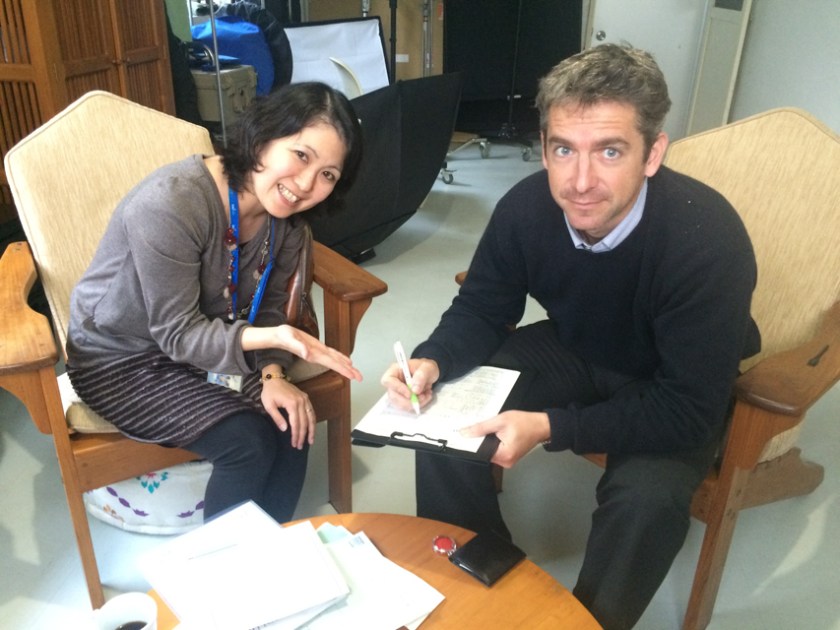
Filling in paperwork to make an offer with the housing agency rep.
To cut a long story short, I made several offers, but in the end I agreed to pay the full 25 million. The next step was signing paperwork and deposits at the housing agency office in Chatan.
5% deposit ¥1,250,000
Stamp ¥10,000
50% agency fee Chukai-tesuryou ¥ 437,400
At this stage there is a clause which states if the buyer can’t get a mortgage the deposit and fees paid will be refunded.

Next step was contacting a couple of local banks to arrange a mortgage. As the house was already 19 years old, the banks would give a maximum of a 20 year mortgage. I requested a loan of 20 million and within a couple of weeks one of the banks granted the loan. The official day for signing papers and final payment was then set as March 25th.
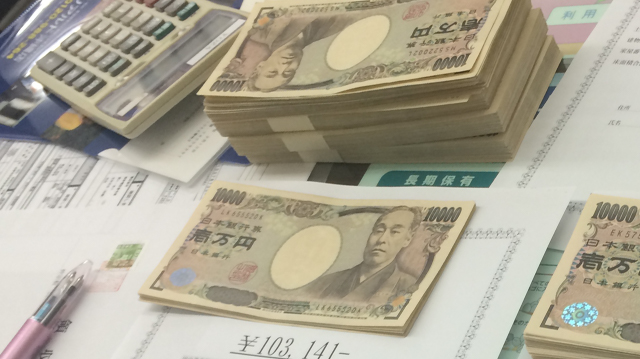
In Japan, even when buying a house, everything is done in cash. Piles of 10,000 yen notes. On March 25th, the housing agency, owner, a lawyer, Yuki (my fiancé) and I all met at the bank offering the mortgage. The payments required were:
95% of payment ¥23,750,000
Banks loan guarantee ¥344,240
Bank admin ¥32,400
Stamp ¥20,000
Registration Licence Tax Torokumenkyozei ¥390,000
Judicial Scriveners Fee Shihou-shoshi-Tesuryo ¥222,571
Fire Insurance (20 years) ¥527,400
50% agency fee Chukai-tesuryou ¥ 437,400
The total therefore to purchase a 25 million yen home in Japan was 1,697,400 and 25,496,611 for a total of ¥27,194,011
The day I could move in was set as April 3rd, and I was given a set of keys.
I’d just bought a house. Awesome.
A new intro video for the website that was created by my friend Jon Galione of Tdubphoto.com
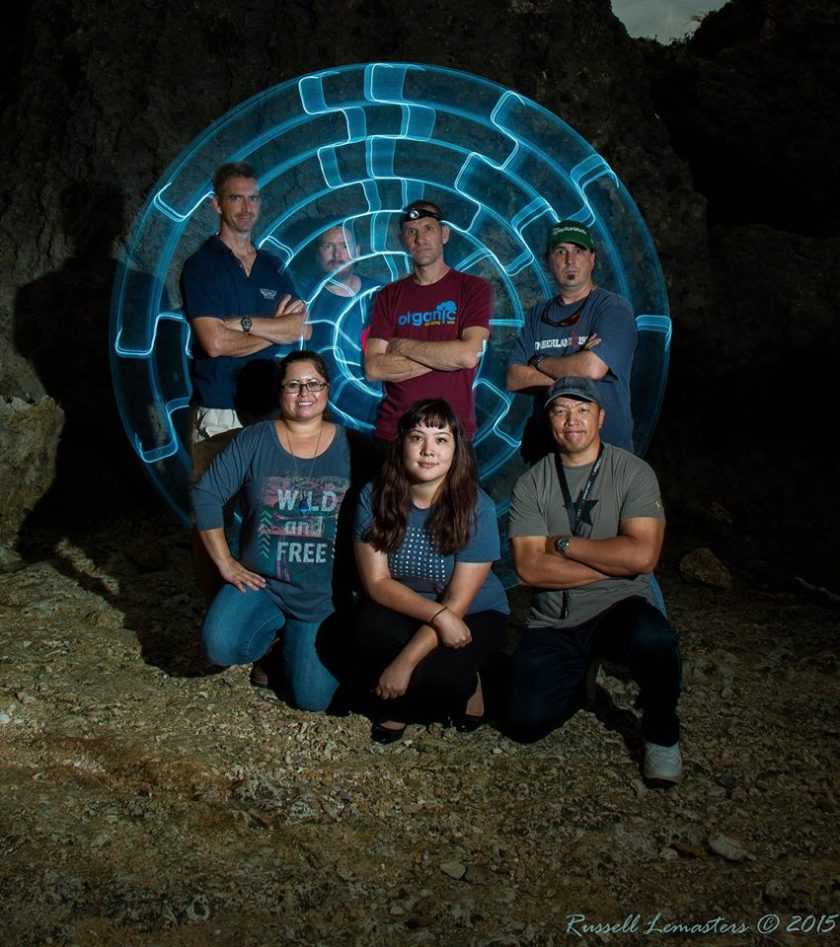
2015 Light Painting Workshop with Trevor Williams
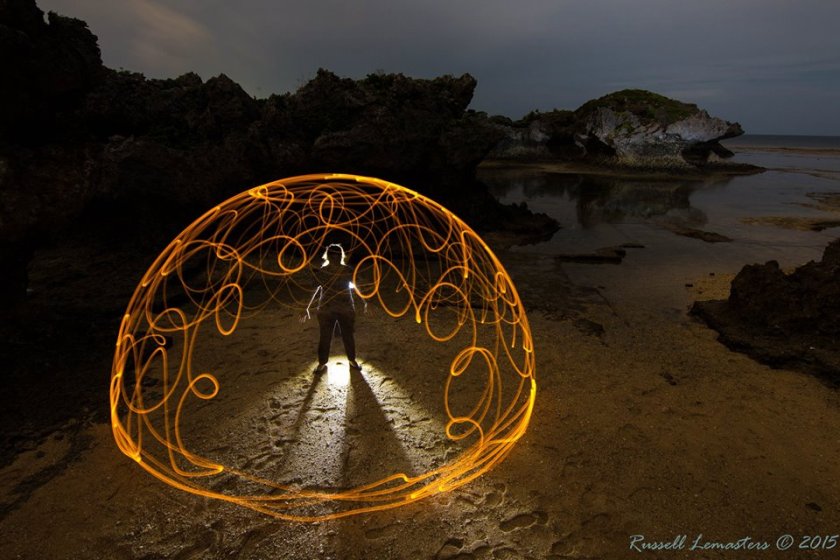
In the Dome by Russell
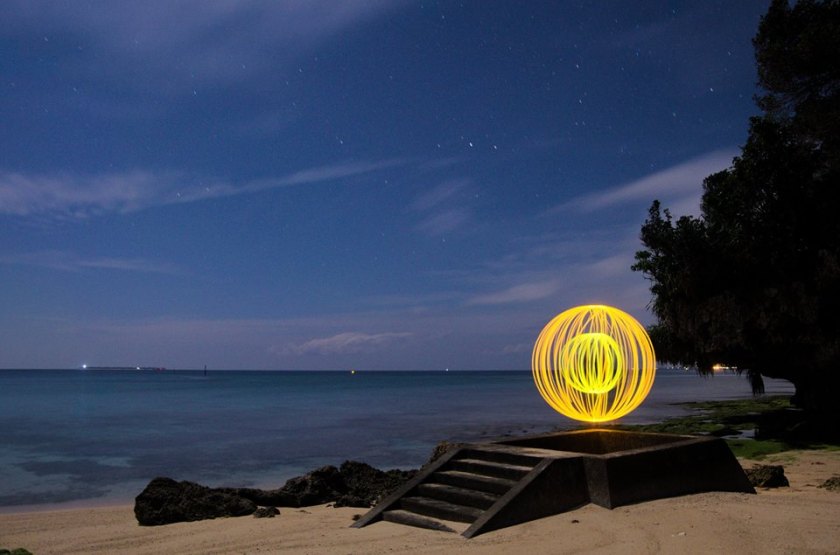
Beach Sphere by Hiroaki

Self Portrait by Stephen
Fantastic weekend with light painting guru Trevor Williams. Trevor and I have know each other for several years after photographing Okayama’s hadaka matsuri together. It is a real pleasure to be able to bring him down to Okinawa and share his passion for creative photography.
A huge thanks to all the participants on the workshop. Your willingness to try something new and push the boundaries of what you think is possible made it a great learning experience for all.
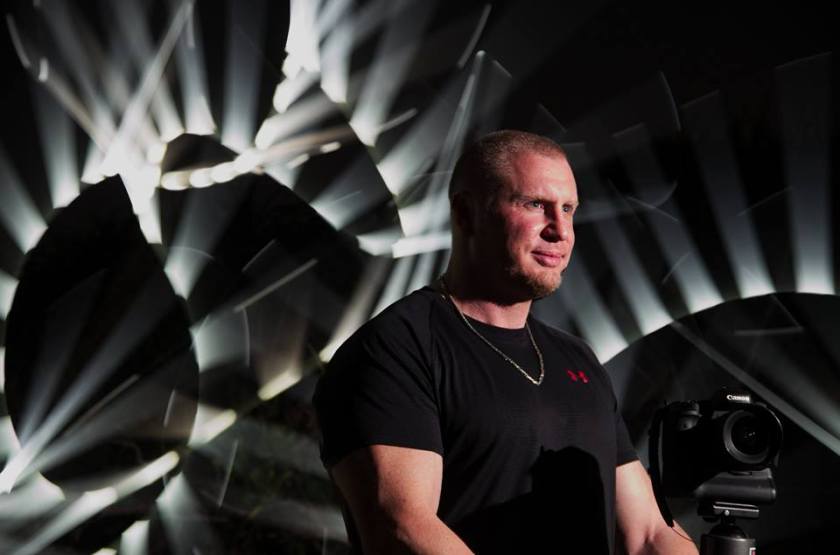
Portrait of Joseph by Hiroaki
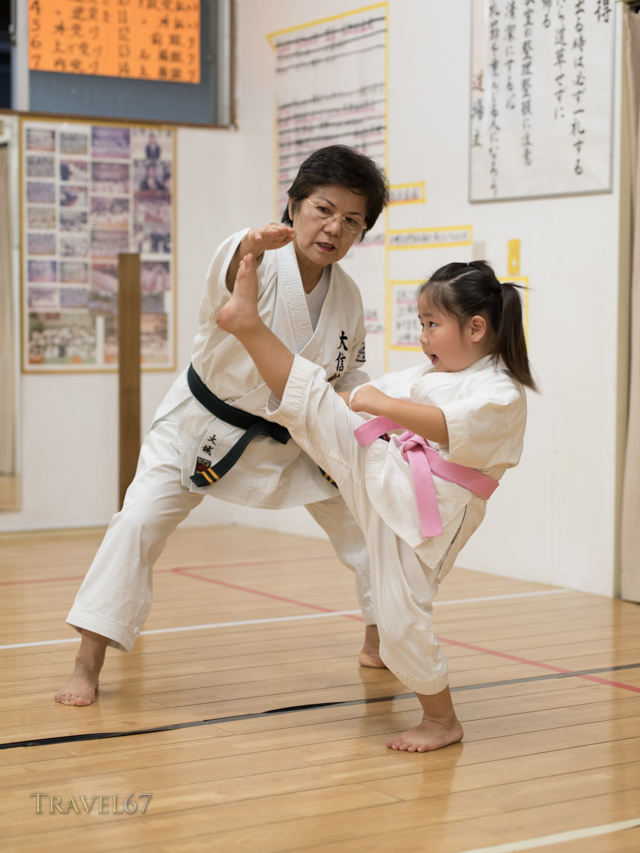
Nobuko Oshiro, Kyoshi, 8th dan Okinawa Karate-do Shorinryu, Taishinkan Association
A few pics of Nobuko Oshiro sensei teaching a children’s class at her dojo in Urasoe, Okinawa.

Nobuko Oshiro, Kyoshi, 8th dan Okinawa Karate-do Shorinryu, Taishinkan Association

Nobuko Oshiro, Kyoshi, 8th dan Okinawa Karate-do Shorinryu, Taishinkan Association

Nobuko Oshiro, Kyoshi, 8th dan Okinawa Karate-do Shorinryu, Taishinkan Association

Nobuko Oshiro, Kyoshi, 8th dan Okinawa Karate-do Shorinryu, Taishinkan Association
At 8th-dan Nobuko Oshiro is the highest ranked woman in Okinawa. On Friday, I photographed her at her dojo in Urasoe.

Nobuko Oshiro, Kyoshi, 8th dan Okinawa Karate-do Shorinryu, Taishinkan Association
At 68 she is strong and healthly, kicking high and punching hard. In a country where women are sometimes seen as decorative “office flowers” Oshiro sensei is breaking down boundaries and shattering ceilings. The phrase “you hit like a girl” is not going to be uttered in her dojo as anything other than a compliment.

Nobuko Oshiro, Kyoshi, 8th dan Okinawa Karate-do Shorinryu, Taishinkan Association
Photographed with the Pentax 645Z and 90mm lens. Lit with a single Profoto pro-head in a white softlight reflector powered by a 7a generator.

Nobuko Oshiro, Kyoshi, 8th dan Okinawa Karate-do Shorinryu, Taishinkan Association
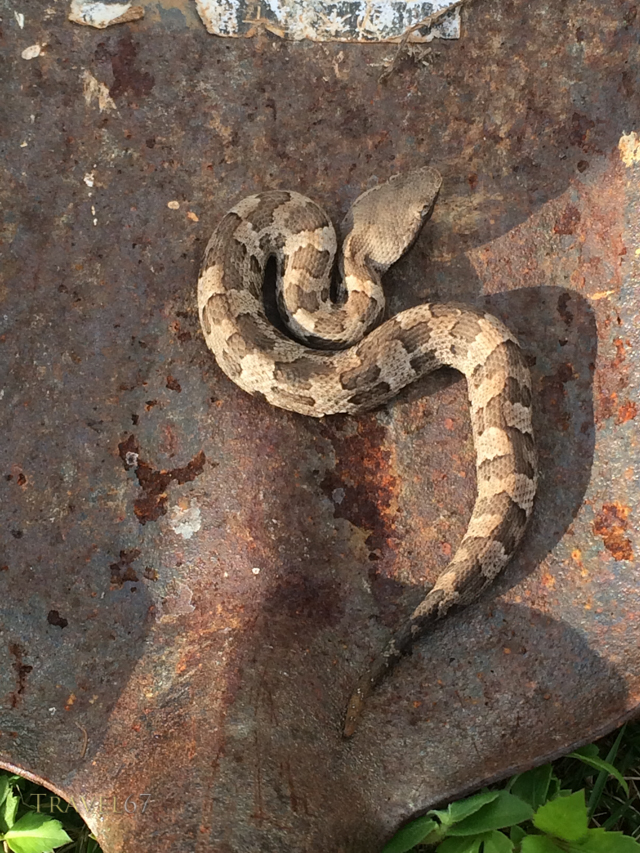
Hime Habu
Found this little guy chilling out in the grass in the garden. Took an iPhone pic then asked Okinawa Nature Photograher Shawn Miller what it is. Turns out it is a juvenile Princess habu (Ovophis okinavensis), a venomous pit viper species. The haemotoxic venom is not enough to kill an human, but wouldn’t want the cat or dog to get bitten. I’ll keep the grass and scrub near the house cut short so there are fewer places for them to hide.
 TRAVEL 67 : Chris Willson Photography