Latest Posts

Words of Warning and Wisdom – Interview with Dr. Andrew Weil

Dr. Andrew Weil is the director of the Program in Integrative Medicine at the University of Arizona. He’s been on the cover of Time magazine, written several best selling books and was recently described as one of the twenty most influential people in America. During his visit to Okinawa I talked to him briefly about his thoughts and views on healthy living and the longevity of Okinawans.

Dr. Andrew Weil

Dr. Andrew Weil

What do you think are the major problems with the western diet?

“Too much meat and animal products in general. Too few vegetables and too few fruits, the wrong kind of fats especially too much refined vegetable oil, margarine and artificially hardened fats, and too few of the Omega-3 fats from fish. Also too much refined carbohydrates, highly processed wheat flour and in general too much processed food, not enough fresh natural food, I’d say they were the main problems.”

What can we learn from the Okinawan diet?

“Many more vegetables and a greater variety of vegetables, more legumes especially soy and other special Okinawan foods, goya and ucon.”

In your books you often mention the benefits of a Mediterranean diet, what can Okinawans learn from this?

“Using olive oil, having dairy products in the form of cheese rather than milk and more whole grains.”

What relaxation or exercise techniques do you practice and recommend?

“Breathing. Breathing techniques are simple, require little time and no equipment.”

What are the scariest examples of alternative medicine you have heard about?

“Things like intravenous hydrogen peroxide are just horrible and dangerous.”

Some scientists have said that vitamin supplements are not effective, what’s your opinion?

“Fruits and vegetables are the best source of vitamins you should eat plenty of good quality natural vegetables. Supplements can act as insurance but not as a substitute. Fresh vegetables and fruits are the best.”

What is the most common misconception about you?

“That I am trying to do away with traditional medicine. Traditional medicine is right when it’s the right thing to do.”

Can you give us one key point or piece of advice to take away?

“Lifestyle choices have a huge influence on the way we age and a lot of this is within our influence.”

The Okinawan Elixir


Typhoon Neoguri - 93-year-old Tokumura-san has seen it all before!

 93-year-old Tokumura-san out for a walk after Typhoon Neoguri

The secrets of longevity are found not in Shangri-la, but in the homes and hearts of the people of Okinawa.

Large numbers of people on Okinawa remain strong and active well into their eighties, nineties and even as centenarians. They have amazingly low occurrences of cancer, heart disease, and strokes. And, on Okinawa the proportion of life that is spent with chronic disease is also much less than the average American. This means that Okinawans, in addition to having a longer lifespan, have more healthy years free from medical problems during which they can live a full and active life.

Everyday Keiko gets up at 5 a.m. and prepares breakfast for her family. She spends most of the morning in a small field near their home tending the vegetables and fruit trees. Later, she will prepare the evening meal, and then spend the remainder of the day chatting with her friends. The fact that Keiko is over ninety years old is impressive, but there are exceptionally old people all over the world. What is significant is that Keiko’s husband and her large group of friends are all active, healthy and nearing the hundred mark.

Okinawa is famous as the birthplace of karate and infamous for the tragic battles that occurred during WWII. The people of Okinawa also have the longest life expectancy in the world. Their elixir for health and longevity is not a tablet or nutritional shake, but a result of their unique island lifestyle.

The phenomenon has been studied for nearly 30 years in the Okinawan Centenarian study, and its findings give an insight into why Okinawans seem to have a natural immunity to so many fatal diseases. The book The Okinawa Program, explains the research and provides advice on how it is possible to increase longevity. Following an appearance by the authors onThe Oprah Winfrey Show, The Okinawa Program became a bestseller in the United States. People all over the world began looking to Okinawa to show them the elixir of everlasting health.

Two main factors affect how long a person lives: their genetics and the environment they are in, commonly known as “nature and nurture.” It is possible that the people of Okinawa have an increased resistance to certain diseases due to their genetics, but Okinawans who move to other countries show a significant drop in longevity. It is clear that the environmental and lifestyle factors have a far greater role to play.

Unfortunately, the key to the long healthy life of Okinawans is not from one magical herb or vitamin. There are several lifestyle factors that improve a person’s chance of longevity. These include diet, exercise, and spirituality.

ZZZZ0031- LE640

Aging gracefully on Okinawa

Diet

The traditional diet on Okinawa has a large amount of soy and vegetables and is low in meat and polyunsaturated fats. Vegetables and grains bulk out the diet and provide essential nutrients, while lower amounts of fats mean a reduced risk of blocked arteries. This may be the reason that, on average, Okinawans have 80 percent fewer heart attacks than Americans.

Okinawans also eat in moderation. There is even a phrase in the local language hara-hachi-bu that means eight-tenths full. By eating a little less, Okinawans reduce the chances of obesity and the vast numbers of illnesses associated with it.

Fruits and vegetables in the Okinawan diet provide a crucial supply of antioxidants. Antioxidant micronutrients are believed by many in the scientific community to offer protection against ongoing free radical activity in the body. Free radicals are thought to cause tissue damage and disease. They may result in the aging process and chronic age-related diseases including Alzheimer’s disease, cancer, cardiovascular disease and cataracts. .

Dr. Andrew Weil is the director of the program in Integrative medicine at the University of Arizona. He’s been on the cover ofTime, written several best-selling books, and was recently described as one of the twenty most influential people in America. He visited Okinawa to talk about aging and gave his opinion on the Okinawan diet:

“A Western diet has too much meat and animal products. In general, there are too few vegetables and fruits. It has the wrong kind of fats, especially too much refined vegetable oil, margarine and artificially hardened fats, and too few of the omega 3 fats from fish. An Okinawan diet, meanwhile, has a larger amount and a greater variety of vegetables: more legumes especially soy and other special Okinawan foods such as goya (bitter melon) and ucon (turmeric).”

Exercise

While many Western pensioners don’t do anything more physical than change channels or fill in the crossword puzzles, Okinawans remain active. Walking, gardening, dance and martial arts all help maintain their cardiovascular systems, while keeping up muscle and bone strength. Gateball (a Japanese version of croquet) is very popular with older people in Okinawa. It is a social occasion and nearly all towns and villages on the islands have a small gateball ground.

Tetsunosuke Yasuda, 10th Dan, Okinawa Goju-ryu Karate - Jundokan.

Tetsunosuke Yasuda, 10th Dan, Okinawa Goju-ryu Karate – Jundokan.

Okinawa’s subtropical climate is another key factor for longevity, as the year-round warm weather means that at no time are older people house bound. In areas where there are heavy snowfalls, two main problems occur. If an older person continues to go outside there is a good chance they will slip and fall. Once injured, the road to recovery is particularly arduous for an older person. If the elderly stay inside during the winter months, the decrease in activity leads to them becoming physically weaker.

There are, of course, exceptionally fit old people in Okinawa who run marathons and go spear fishing for their dinner. However, it is simple everyday activities like walking to the shops or growing a few vegetables that keeps the majority of older Okinawans fit and healthy.

Spirituality

The slower pace of life in Okinawa, prayer, meditation and spiritual beliefs provide peace of mind. The link between spiritual or mental well-being and physical health is powerful. If a person is happy and content, then their immune system will be stronger and they are less likely to become sick. Conversely, a person who is depressed is more likely to become sick and less able to recover.

Unlike mainland Japan, where trains, buses and people are renowned for their punctuality, many of the island’s residents live on “Okinawa-time.” People are less concerned about arriving late and have a far more relaxed attitude toward timekeeping. Although this means everything from business meetings to wedding receptions run late, it is thought to produce far less stress.

On Okinawa, the valued role of older people in society gives the elderly greater purpose. It is important for them to maintain a social network that includes contact with younger people. In Europe and North America there is a trend toward housing old people only with other old people. This can lead to feelings of isolation and of having no value in the larger community. Older Okinawans remain busy with citizens groups, volunteering and preparations for many of the island’s festivals.

Yuta (priestess) Ayako Toguchi conducts prayers at sea cave called Sururu Gama on the coast of Kouri Island, Okinawa, Japan

Yuta (priestess) Ayako Toguchi conducts prayers at sea cave called Sururu Gama on the coast of Kouri Island, Okinawa, Japan

The community center of each town is more than just a meeting place. Funded by a small fee from each household, it hosts programs such as flower arranging, Okinawan dance, and calligraphy. Retirement is seen as a chance to take up new interests which, until then, elderly people were too busy to pursue. This burst in creativity means that the island’s photo competitions, pottery exhibitions, and art galleries are dominated by people born well over half a century ago.

Paradise Lost?

Okinawa has been described as “The Real Shangri-La,” but all is not well in paradise. Okinawan lifestyles are changing, and the statistics for mortality have started to follow. A more Western diet combined with less physical activity, heavy smoking, and alcohol consumption has lead to a rise in the number of cases of heart disease, cancer and liver failure. These factors, coupled with a high suicide rate in young males, and an increasing number of traffic accidents, means that Okinawa’s number one ranking in the longevity charts is slipping.

Japan has embraced Western languages, music, movies, and even business practices. Internationalization has brought many advantages, but not all are beneficial. Maybe Okinawa doesn’t need to copy the Western world so much. Instead, other countries would benefit from following the examples of Okinawa’s oldest.

Read more:

Words of Warning and Wisdom — an interview with Dr. Andrew Weil

Crusader for Health — an interview with Dr. Makoto Suzuk

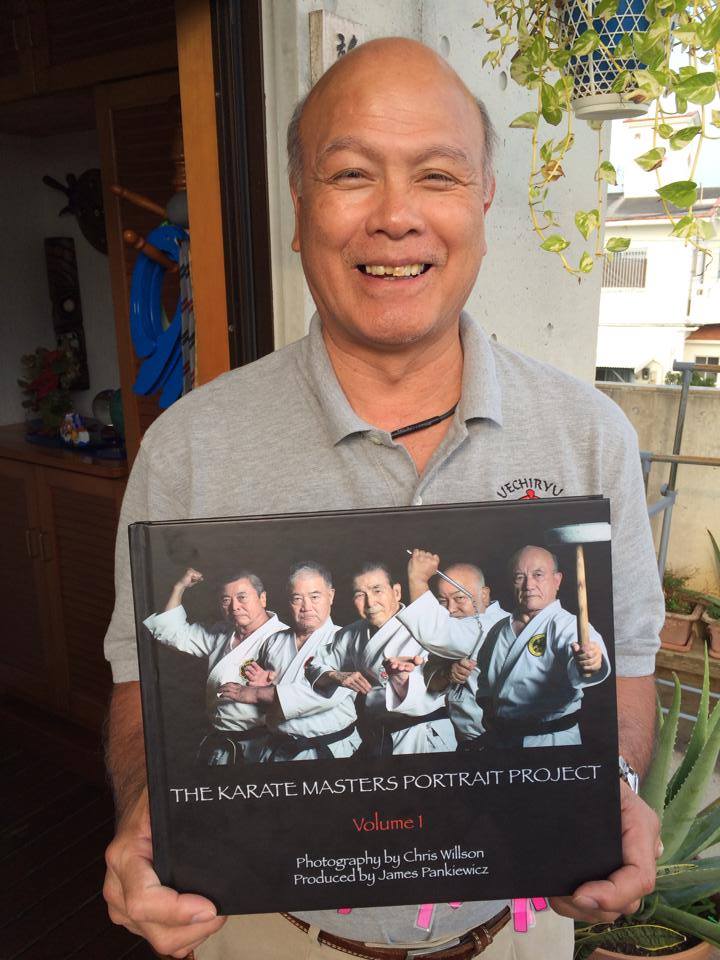
Karate Masters Portrait Project Volume 1 – Get your copy now!

Karate Masters Portrait Project Volume 1

Karate Masters Portrait Project Volume 1

The Karate Masters Portrait Project Volume 1 is now available from Blurb.com

You can buy your copy here!!

After receiving your order Blurb will print your copy and can mail it worldwide. We do not plan to have a stock of books on sale in Okinawa.
If a karate organization would like to gift a copy of the book to a particular master this is possible. We can order the copy, have it sent to Okinawa, sign it, and present it in person to the karate master from you. If you’d like to include a message with the book, then I can print out a message and place it inside the book. Please contact me at chris@travel67.com if this is something we can help you with.

You can read more about the project, and see the list of all the karate masters in the Karate section of the blog.

Karate Masters Portrait Project Volume 1 – Nearly Ready!

Karate Masters Portrait Project Volume 1

Karate Masters Portrait Project Volume 1

There have been fewer than usual blog posts over the last 3 months. In fact the amount of shooting I’ve done has been somewhat limited. The reason is that I’ve been focused on producing the Karate Masters Portrait Project Volume 1.

Images from the Karate Masters Portrait Project can be seen on the web at either Facebook or Flickr. However, Karate masters and their students around the world began to ask if we could produce a print book of the project. I decided to make the kind of book that I’d like to own myself. A large, high quality, coffee-table book with images of all 58 sensei that we’d photographed.

It quickly became clear that traditional publishers would want orders of several thousand books. Book production would simply be too expensive to undertake, and too risky if I couldn’t sell all of the books. It might have even compromised the future of project as I would have had to concentrate on being a bookseller rather than a photographer.

The solution was to use the U.S. print-on-demand publisher Blurb. I could create a large (11 inch x 13 inch) 122 page book and specify the use of high quality photo paper. Each of the 58 karate masters could have two pages of images along with their name, rank, and style in both English and Japanese.

2-page spread for Taira sensei.

2-page spread for Taira sensei.

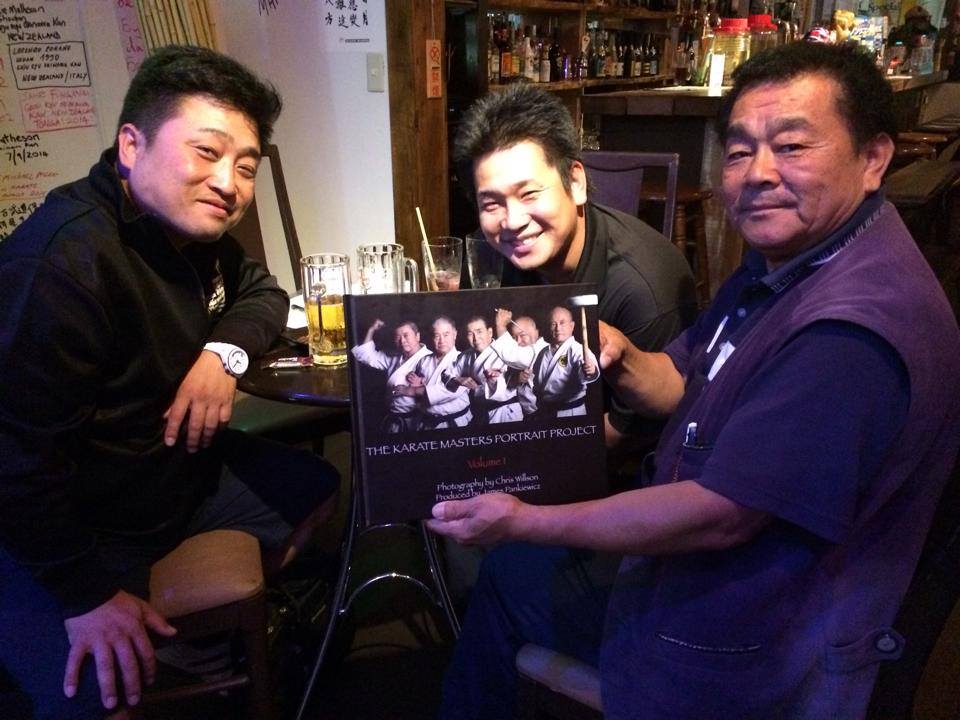
I ordered a single test copy, it was shipped from the States to Okinawa. The test copy was then placed at the Dojo Bar where the karate masters were able to view it. A second test copy with higher quality paper was also ordered. This arrived and the “premium lustre” paper was a good improvement. Meanwhile James and I began contacting all the karate masters to double check the information for the book in English and Japanese, and let them know about the progress we were making with the book.

Kiyohide Shinjo

Big smile from Kiyohide Shinjo

Every karate master I talked to offered me both their permission to go ahead with the book, and a lot of encouragement.

Satoshi Kinjo, Kenta Kinjo, Masakazu Kinjo

Satoshi Kinjo, Kenta Kinjo, Masakazu Kinjo checking the book at the DOJO Bar

Tetsuhiro Hokama

Tetsuhiro Hokama showing the back cover

After making the necessary changes to the master document, I ordered another test copy of the book. This arrived in Okinawa last night. I have a meeting with James tonight to review the test copy at the DOJO Bar and then hopefully it will go on sale November 30.

It will go on sale via Blurb for 115GBP ( approximately US$180 ). I shall put up a blog post with links as soon as this happens!  I’ll also have a little more time to get back to doing what I love most – taking photos!

USO Color Blast Okinawa 2014

USO Color Blast 5km Fun Run, Okinawa, Japan. Sept 22, 2014

USO Color Blast 5km Fun Run, Okinawa, Japan. Sept 22, 2014

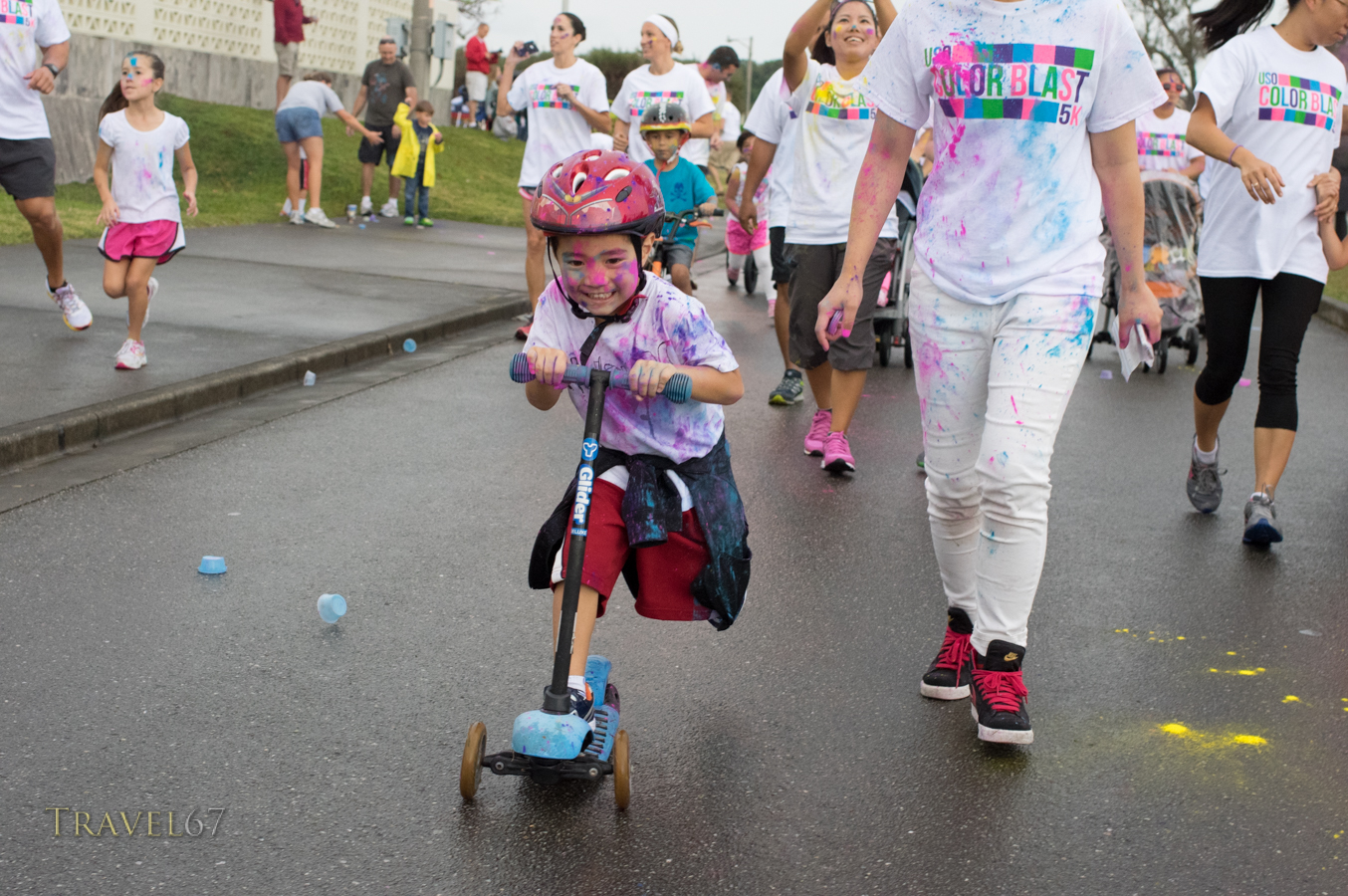
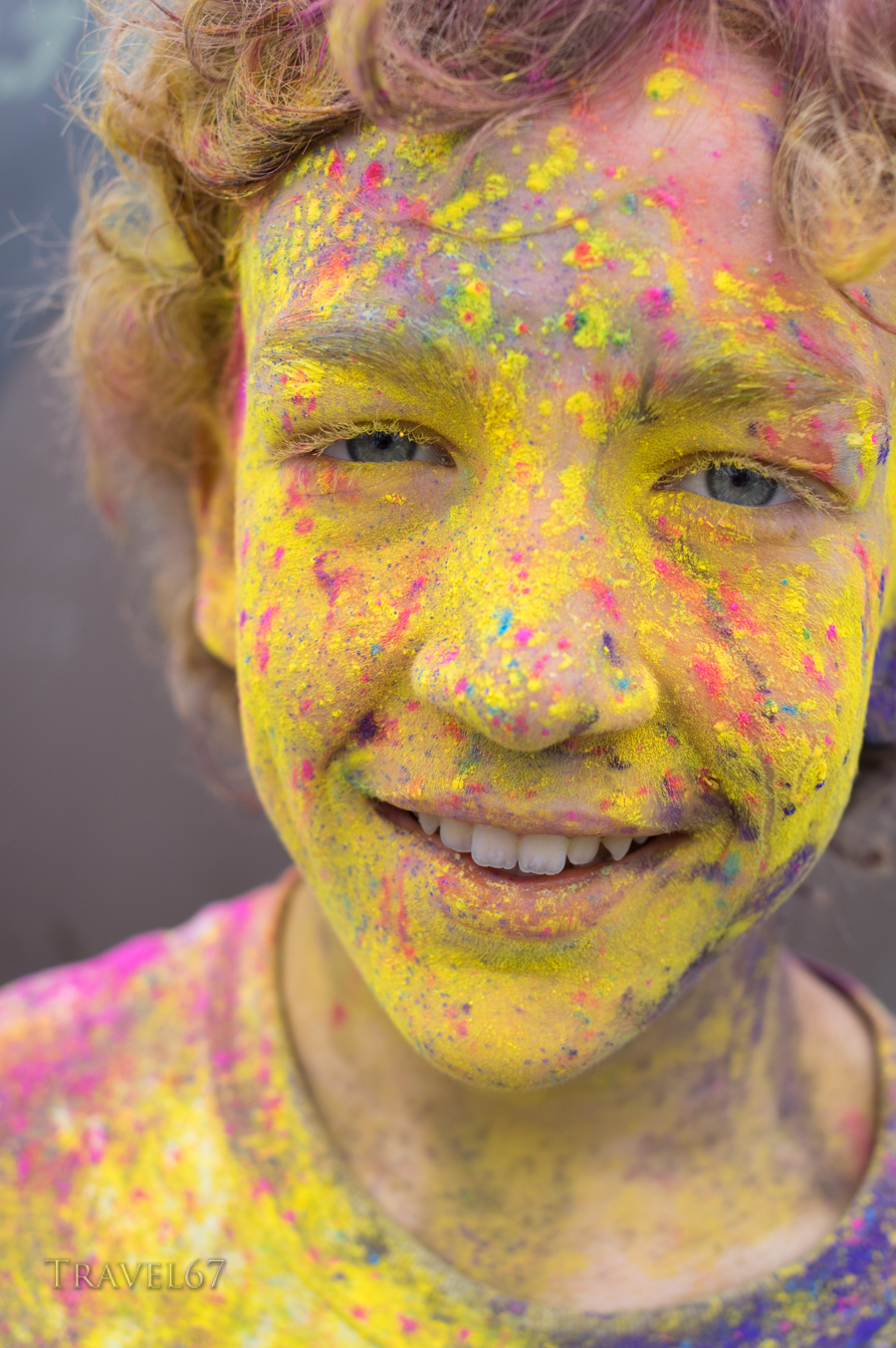
This morning was the USO Color Blast 5km Fun Run on Okinawa.

USO Color Blast 5km Fun Run, Okinawa, Japan. Sept 22, 2014

USO Color Blast 5km Fun Run, Okinawa, Japan. Sept 22, 2014

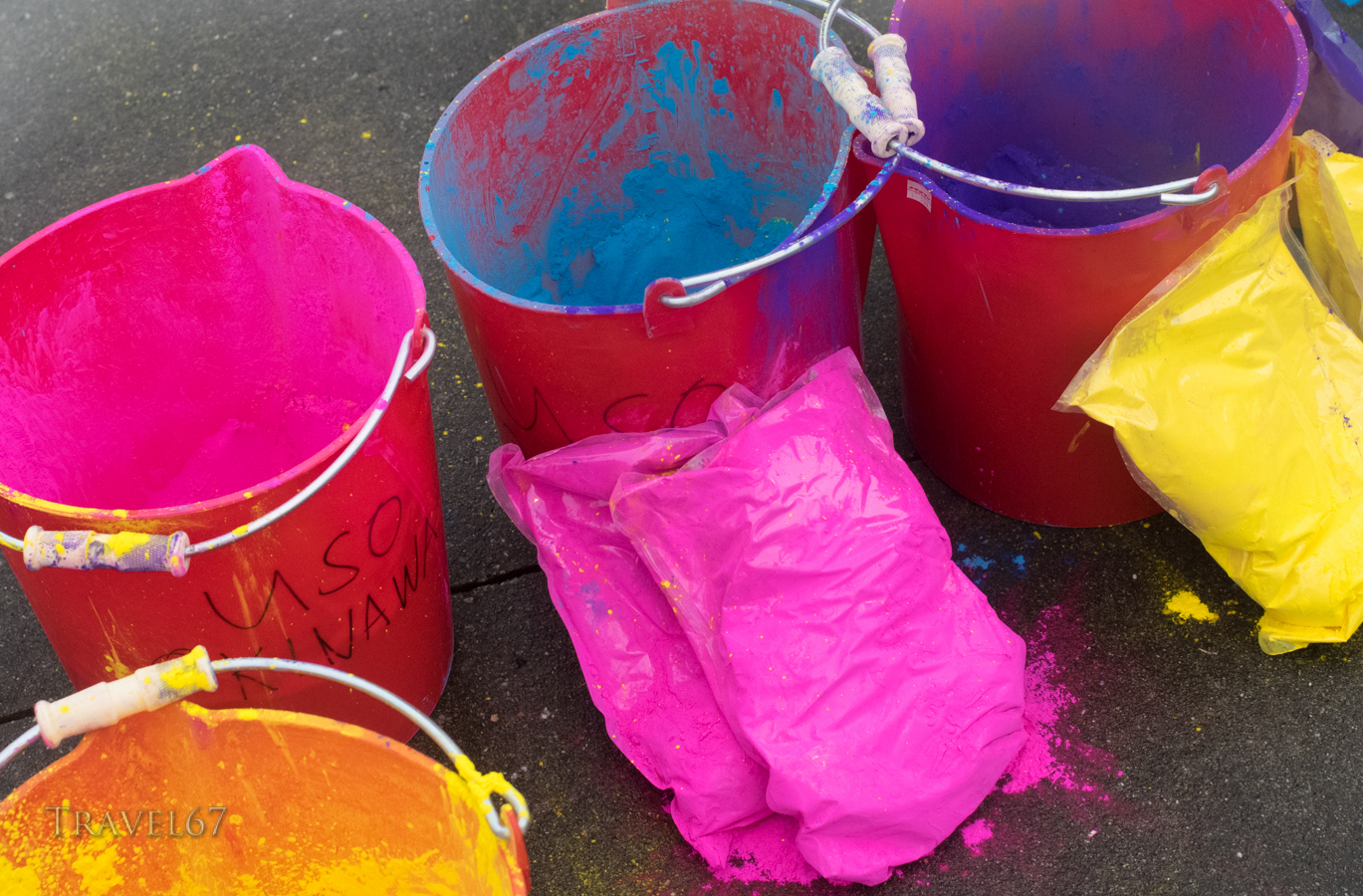
The Color Blast is very similar to the Indian festival of Holi. Participants throw powdered paint at each other and everyone comes away from the event a lot more colorful than when they arrived.

USO Color Blast 5km Fun Run, Okinawa, Japan. Sept 22, 2014

USO Color Blast 5km Fun Run, Okinawa, Japan. Sept 22, 2014

The Color Blast combines throwing paint with a 5km run, and the paints used are waterbased and non-toxic. (This is not always the case in India. I had to throw away most of my clothes and scrub off a couple of layers of skin to remove the paint after shooting Holi in Jaipur.)

USO Color Blast 5km Fun Run, Okinawa, Japan. Sept 22, 2014

USO Color Blast 5km Fun Run, Okinawa, Japan. Sept 22, 2014

USO Color Blast 5km Fun Run, Okinawa, Japan. Sept 22, 2014

USO Color Blast 5km Fun Run, Okinawa, Japan. Sept 22, 2014

USO Color Blast 5km Fun Run, Okinawa, Japan. Sept 22, 2014

USO Color Blast 5km Fun Run, Okinawa, Japan. Sept 22, 2014

USO Color Blast 5km Fun Run, Okinawa, Japan. Sept 22, 2014

USO Color Blast 5km Fun Run, Okinawa, Japan. Sept 22, 2014

USO Color Blast 5km Fun Run, Okinawa, Japan. Sept 22, 2014

USO Color Blast 5km Fun Run, Okinawa, Japan. Sept 22, 2014

USO Color Blast 5km Fun Run, Okinawa, Japan. Sept 22, 2014

USO Color Blast 5km Fun Run, Okinawa, Japan. Sept 22, 2014

Friday Night Lights

Friday Night Lights

Friday Night Lights

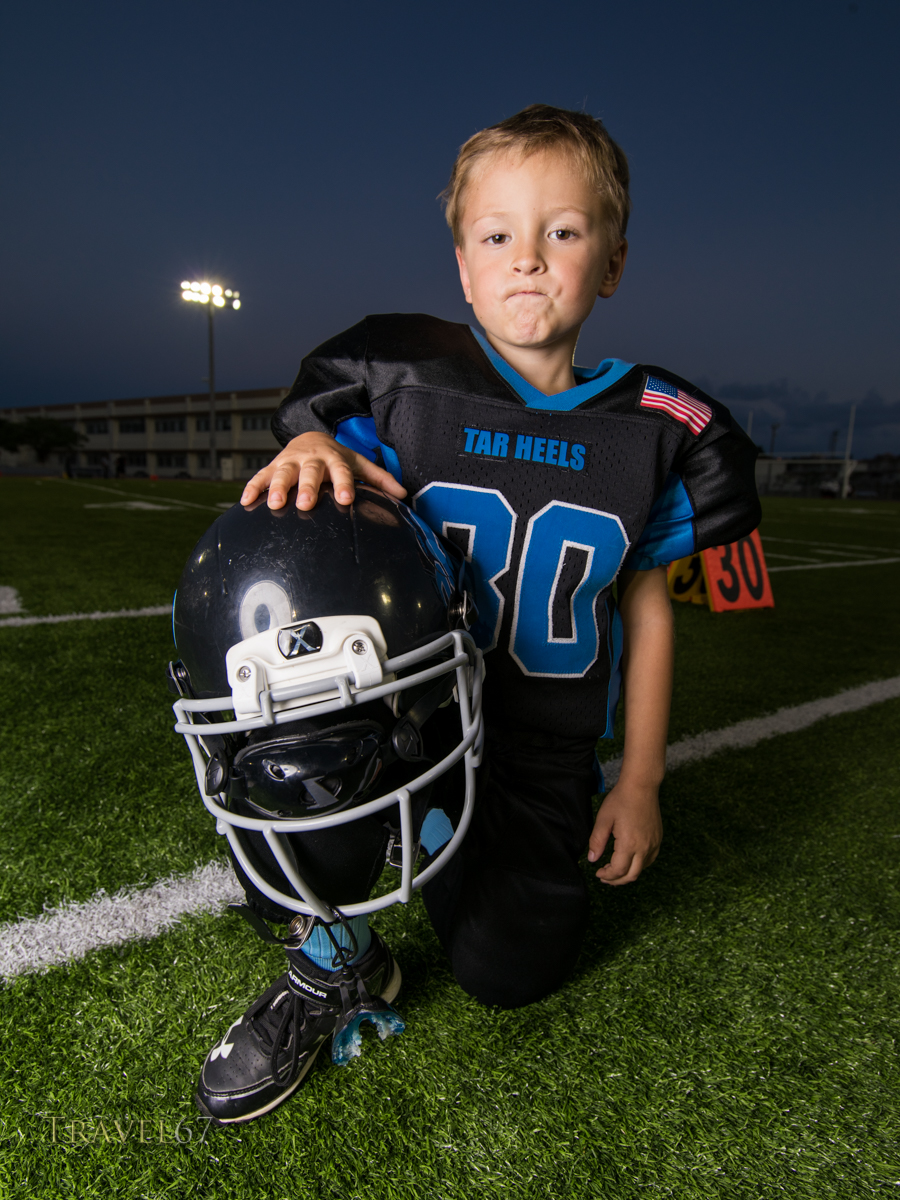
My friend Chris said his son was playing football on Friday night and invited me to come along and take a few pics. Jonathan is a Tiny Mite football player. This is tackle football for kids aged 5 to 8. They put on their pads, helmets, and mouthguards then attempt to decimate the competition.

Friday Night Lights

Friday Night Lights

We had a few minutes before the game so I took the Pentax 645Z, a 25mm wide angle, and the B1 strobe onto the edge of the field. A few quick shots while there was a little color still in the sky and we were done.

I don’t know anything about American Football (I believe one team used a refrigerator as a player in the ’80’s). However, when I wanted Jonathan to give me his game face I simply said show me Hulk and got exactly what I wanted.

Friday Night Lights

Friday Night Lights

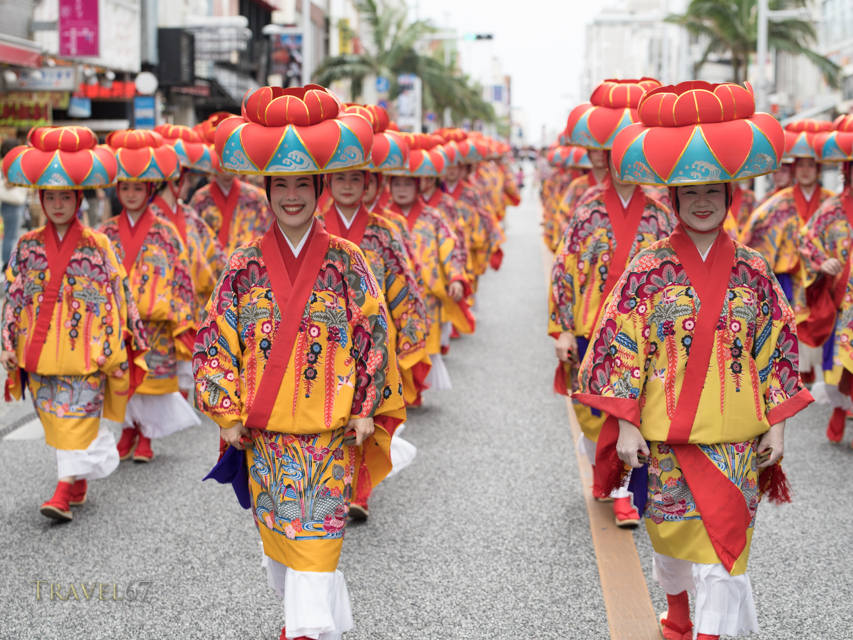
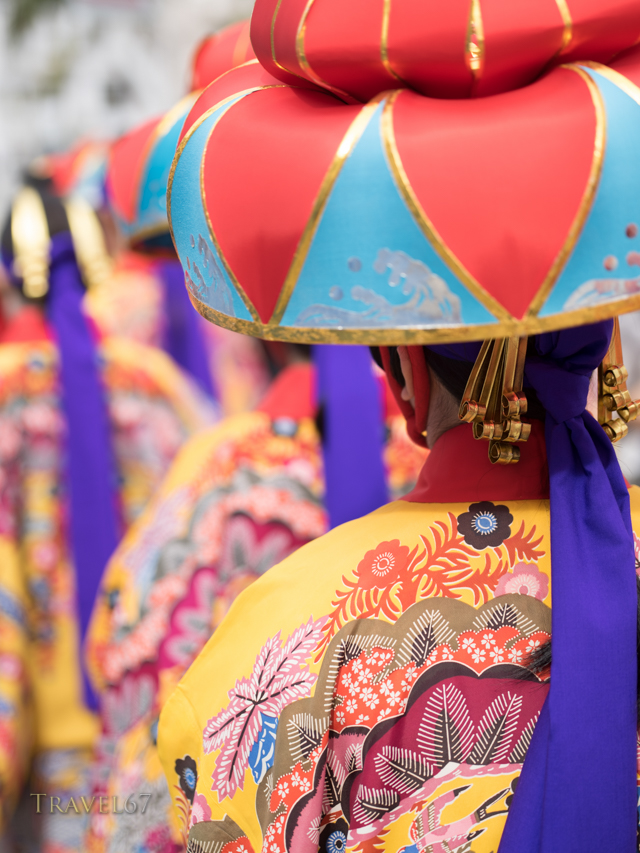
Yotsudake Dancers, Ryukyu Dynasty Parade, Kokusai Street.

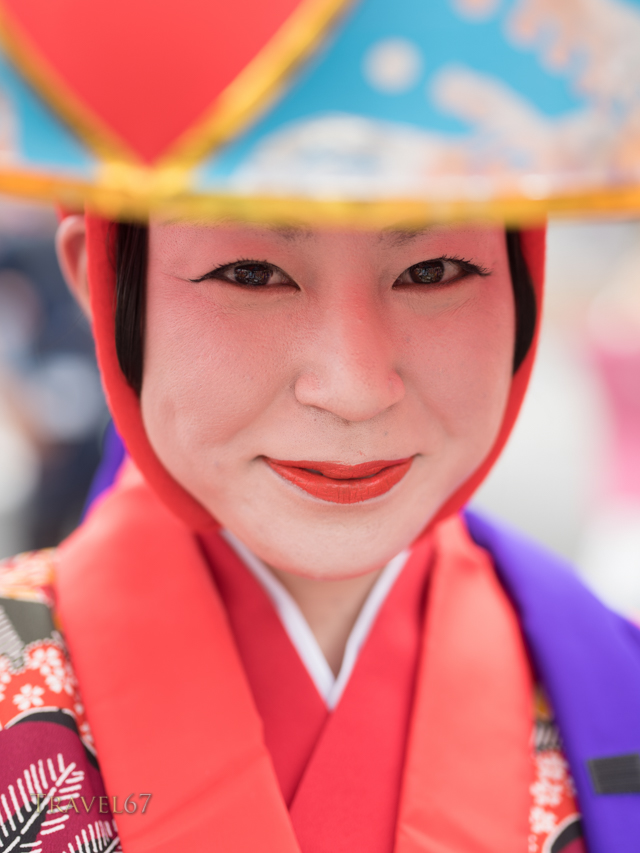
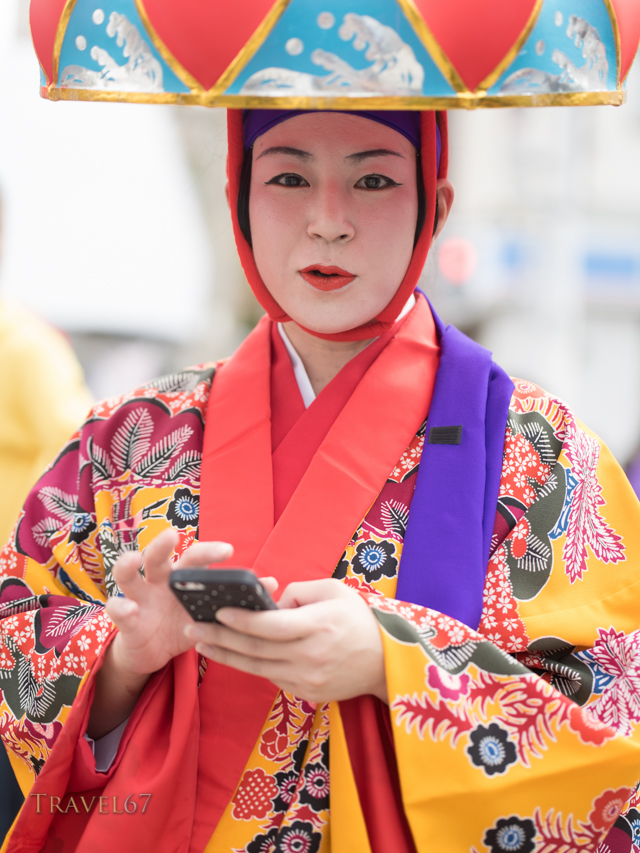
Yotsudake Dancer, Ryukyu Dynasty Parade, Kokusai Street.

Yotsudake Dancer, Ryukyu Dynasty Parade, Kokusai Street.

Yotsudake is one of the traditional Ryukyu dances. The dancers wear a flower shaped hat, and a bingata kimono. They hold a pair of instruments similar to castanets which are made from four (yotsu) pieces of bamboo (take). They clap the yotsudake in time to the music.

Yotsudake Dancer, Ryukyu Dynasty Parade, Kokusai Street.

Yotsudake Dancer, Ryukyu Dynasty Parade, Kokusai Street.

These images were all shot with the Pentax 645Z and the 90mm lens. The 90mm lens is an excellent portrait lens, allowing a shallow depth of field when needed and also has image stabilization to reduce motion blur due to camera shake.

Yotsudake Dancer, Ryukyu Dynasty Parade, Kokusai Street.

Yotsudake Dancer, Ryukyu Dynasty Parade, Kokusai Street.

Yotsudake Dancer, Ryukyu Dynasty Parade, Kokusai Street.

Yotsudake Dancer, Ryukyu Dynasty Parade, Kokusai Street.

Yotsudake Dancer, Ryukyu Dynasty Parade, Kokusai Street.

Yotsudake Dancer, Ryukyu Dynasty Parade, Kokusai Street.

Yotsudake Dancer, Ryukyu Dynasty Parade, Kokusai Street.

Yotsudake Dancer, Ryukyu Dynasty Parade, Kokusai Street.

Yotsudake Dancer, Ryukyu Dynasty Parade, Kokusai Street.

Yotsudake Dancer, Ryukyu Dynasty Parade, Kokusai Street.

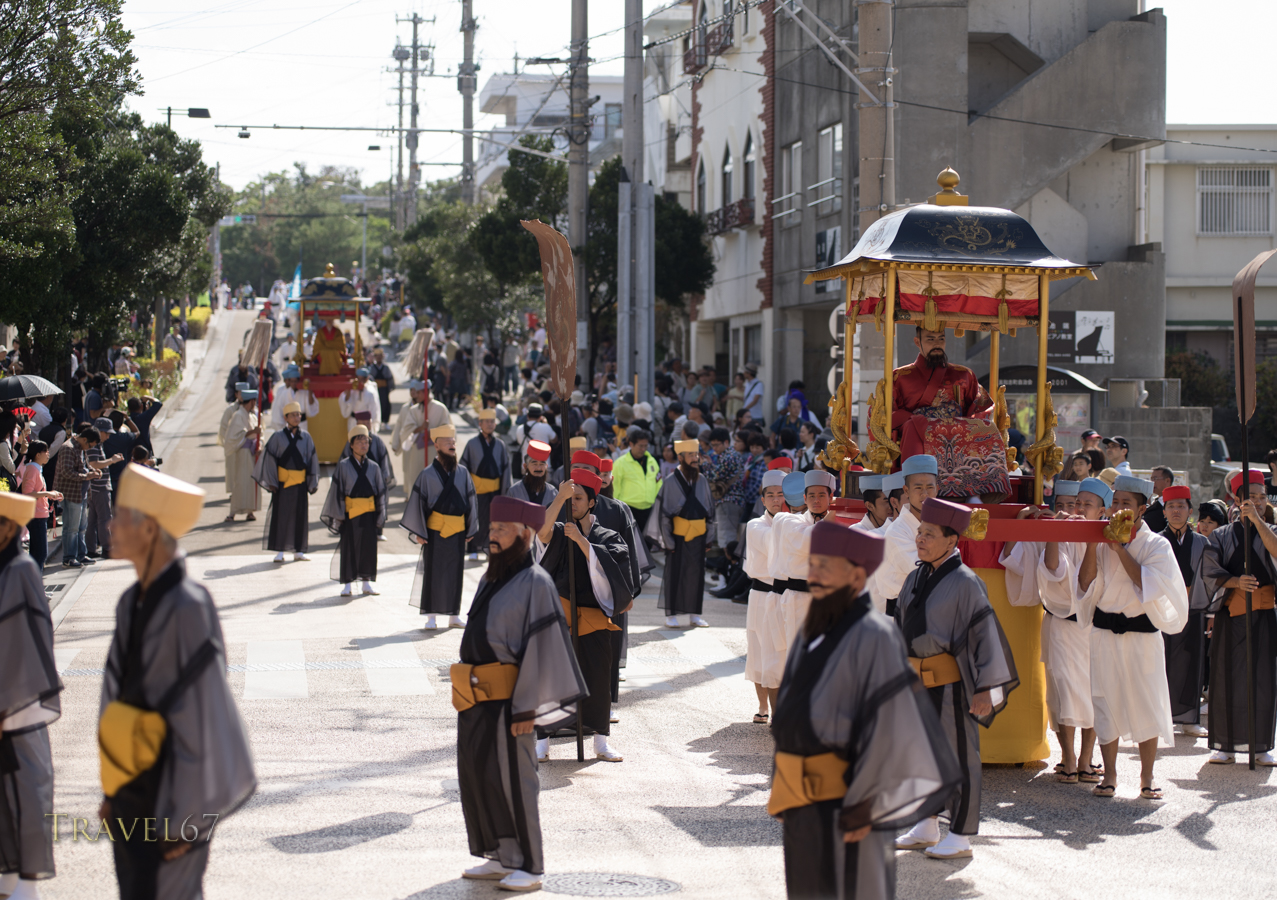
Shurijo Castle Festival – Traditional Procession November 3rd 2014

Shurijo Castle Festival - Traditional Procession Nov.3 2014

Shurijo Castle Festival – Traditional Procession Nov.3 2014

Before my more linguistically minded friends point it out, I realize that as jo means castle saying Shurijo Castle is a tautology, and may cause annoyance. However as the official title of the festival on posters and leaflets was Shurjo Castle Festival, I shall use their version.

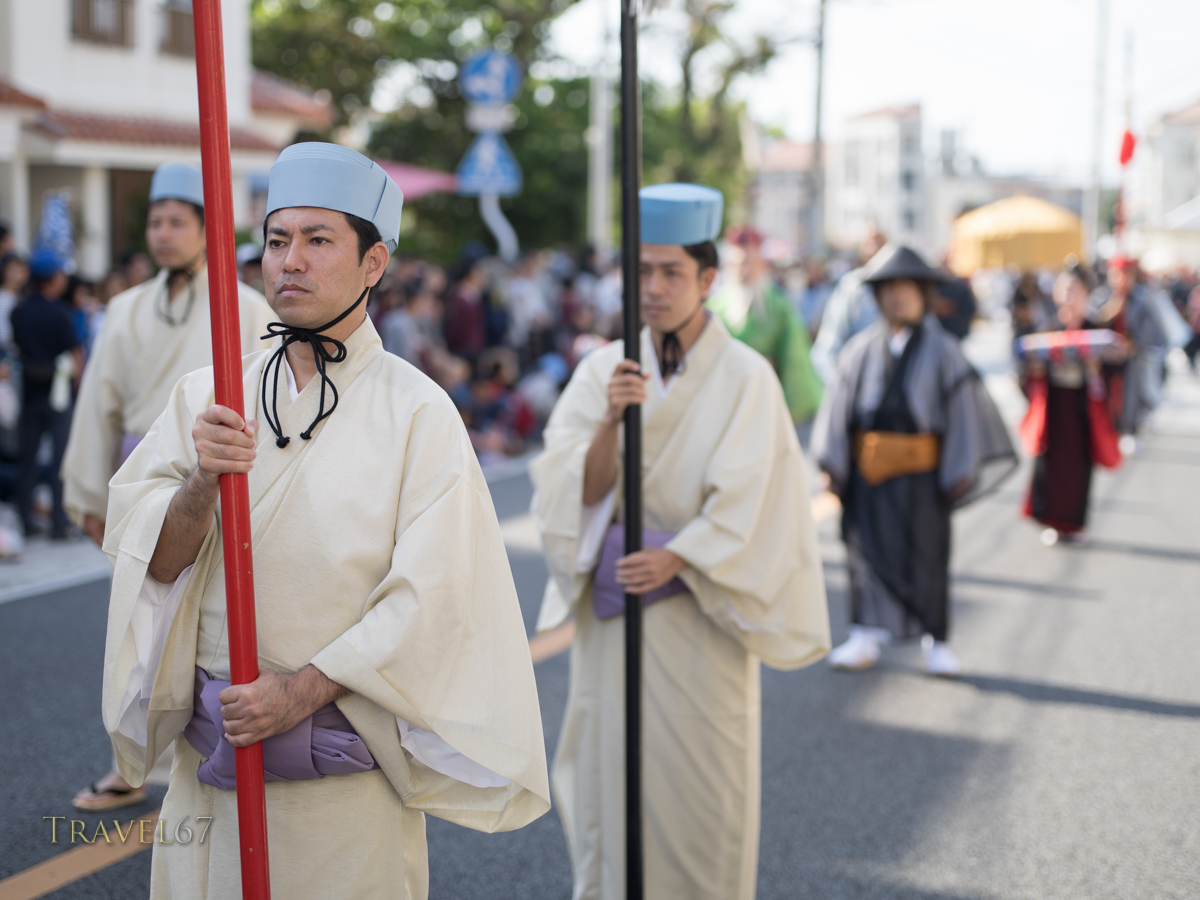
Shurijo Castle Festival - Traditional Procession Nov.3 2014

Shurijo Castle Festival – Traditional Procession Nov.3 2014

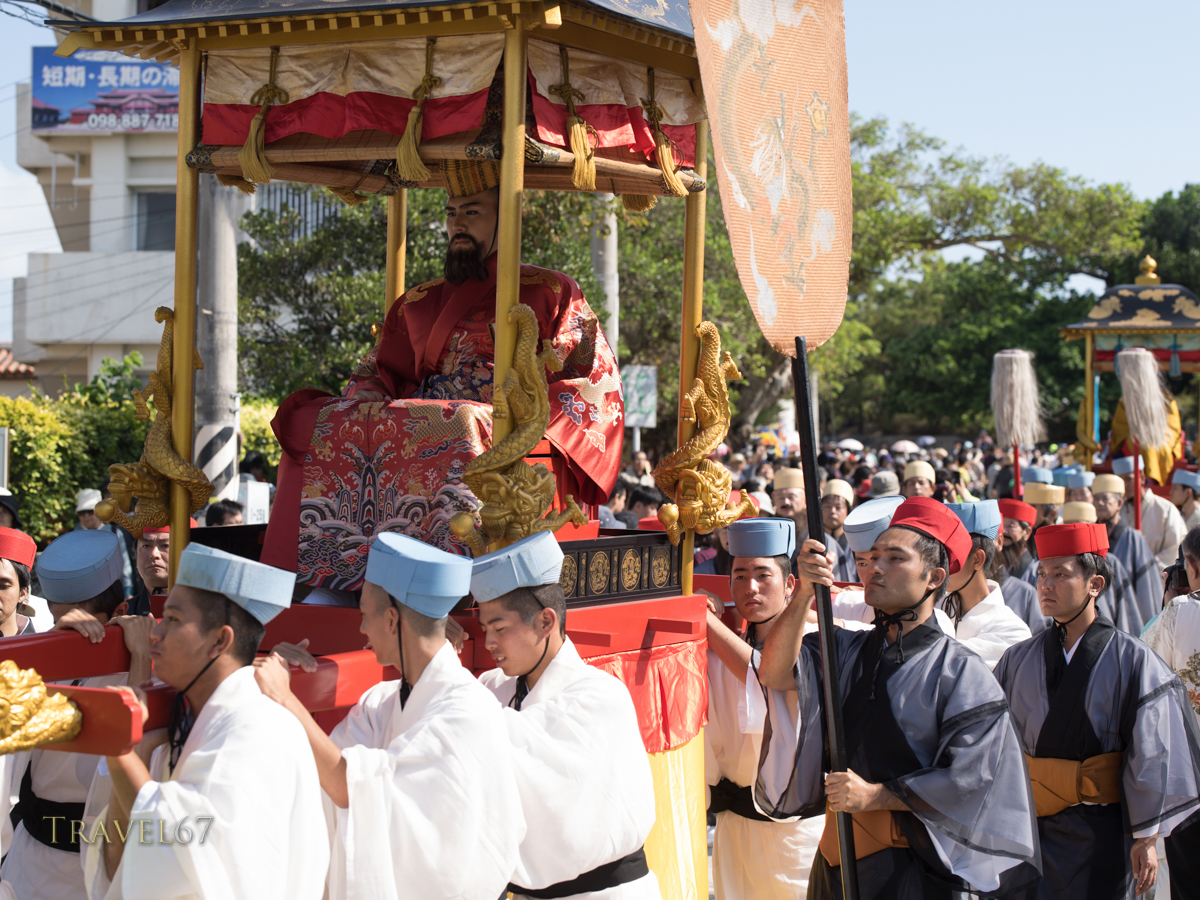
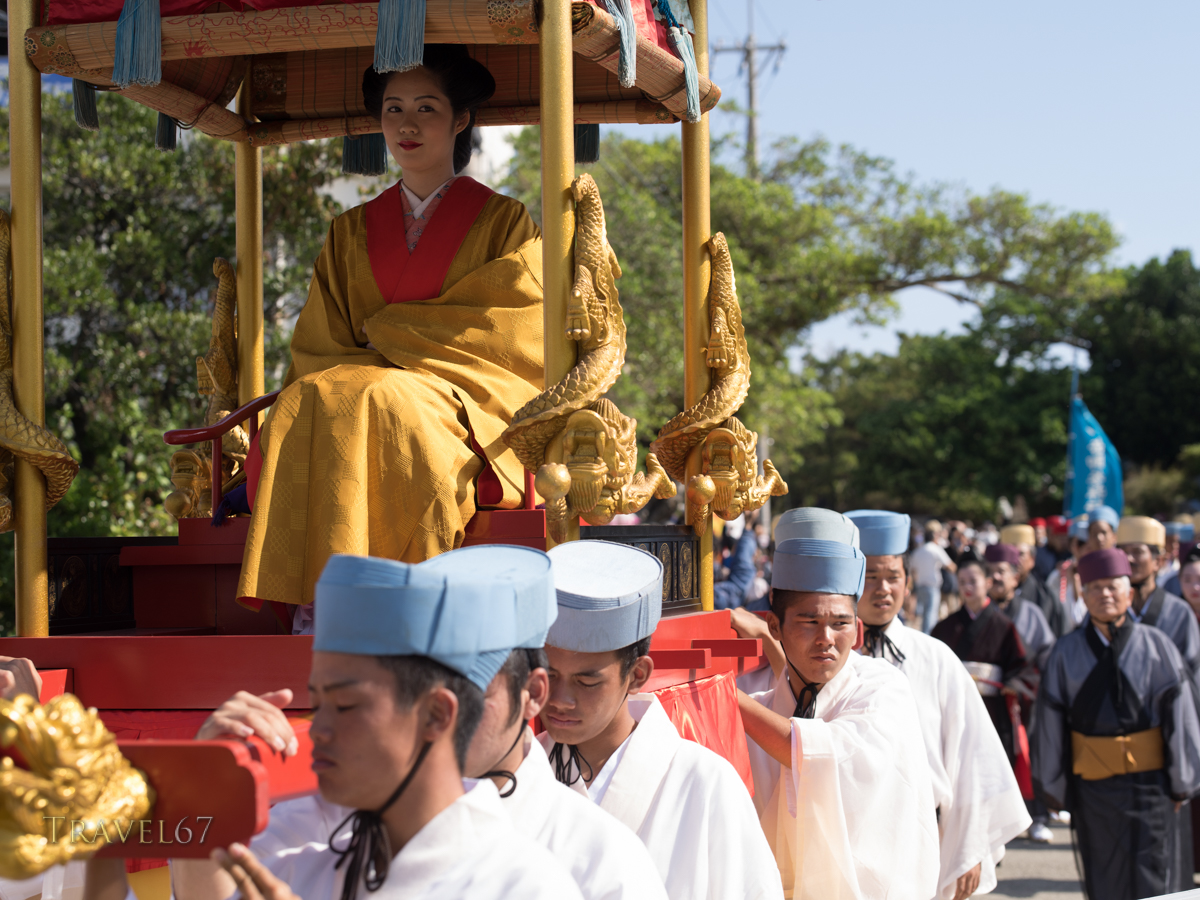
On November 3rd the ceremony begins in the courtyard of Shurijo. The procession of courtiers, envoys, guards, regents, and of course the king and queen then parade out of the castle. They descend through the various gateways and along the main road almost to the monorail station.

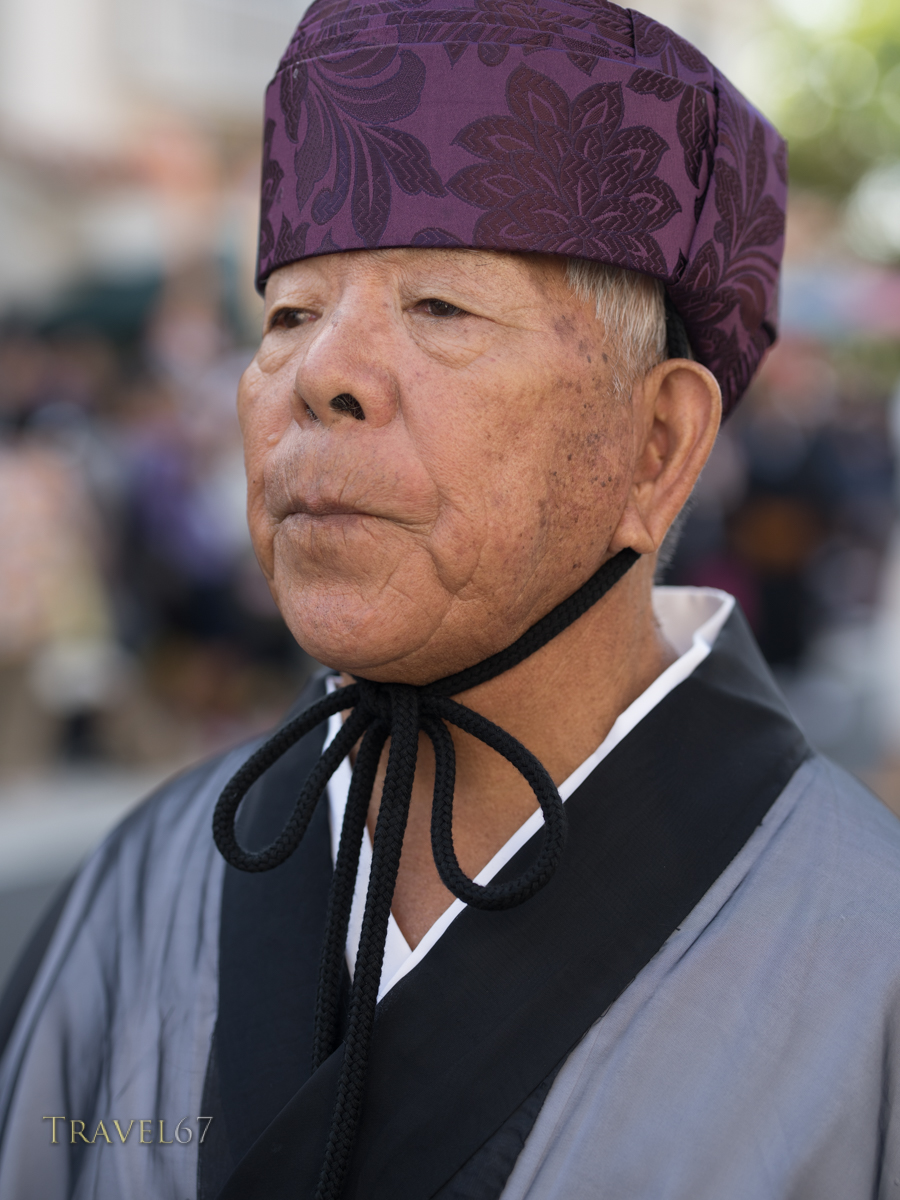
Shurijo Castle Festival - Traditional Procession Nov.3 2014

Shurijo Castle Festival – Traditional Procession Nov.3 2014

Monday was a gorgeously sunny November day, but it did mean I was looking for patches of shade when shooting portraits.

Shurijo Castle Festival - Traditional Procession Nov.3 2014

Shurijo Castle Festival – Traditional Procession Nov.3 2014

Shurijo Castle Festival - Traditional Procession Nov.3 2014

Shurijo Castle Festival – Traditional Procession Nov.3 2014

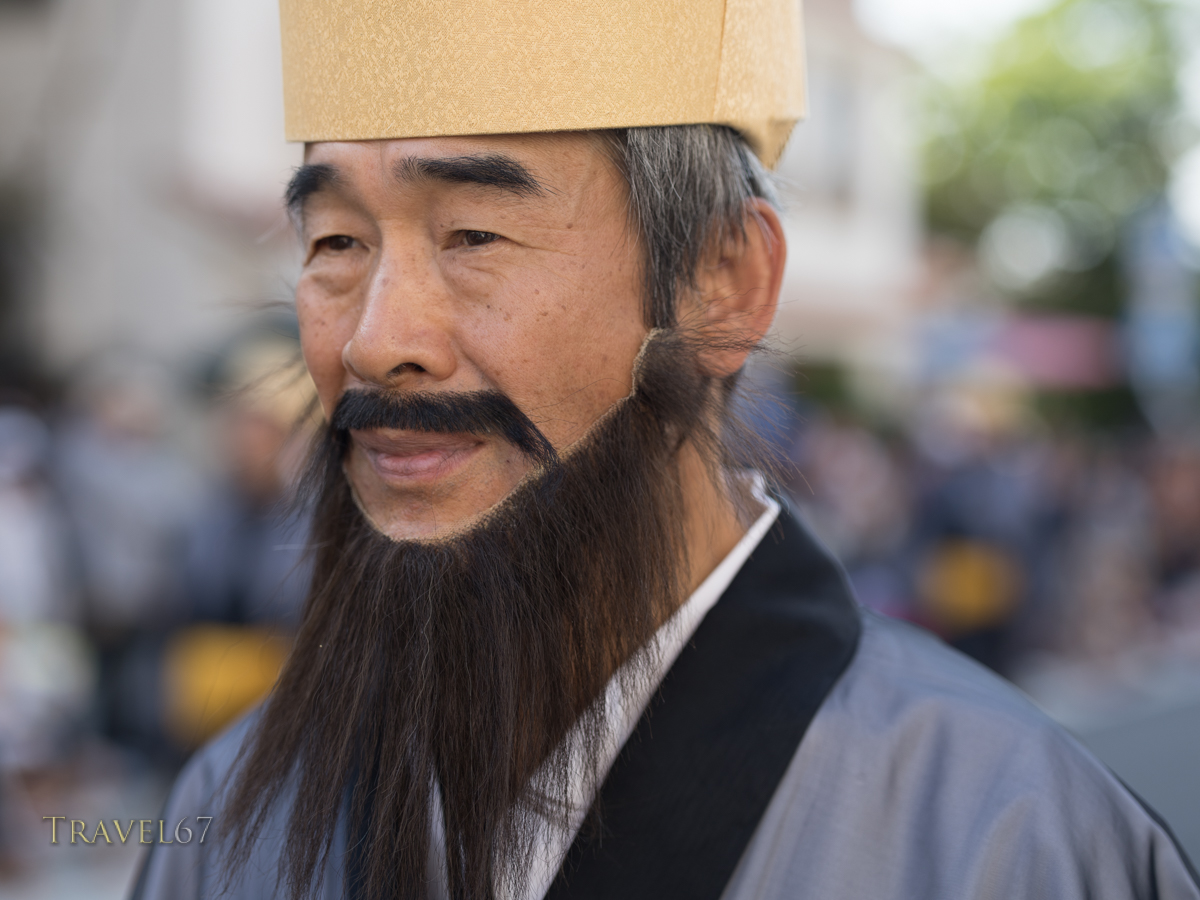
There were many excellent  fake beards on show.

Shurijo Castle Festival - Traditional Procession Nov.3 2014

Shurijo Castle Festival – Traditional Procession Nov.3 2014

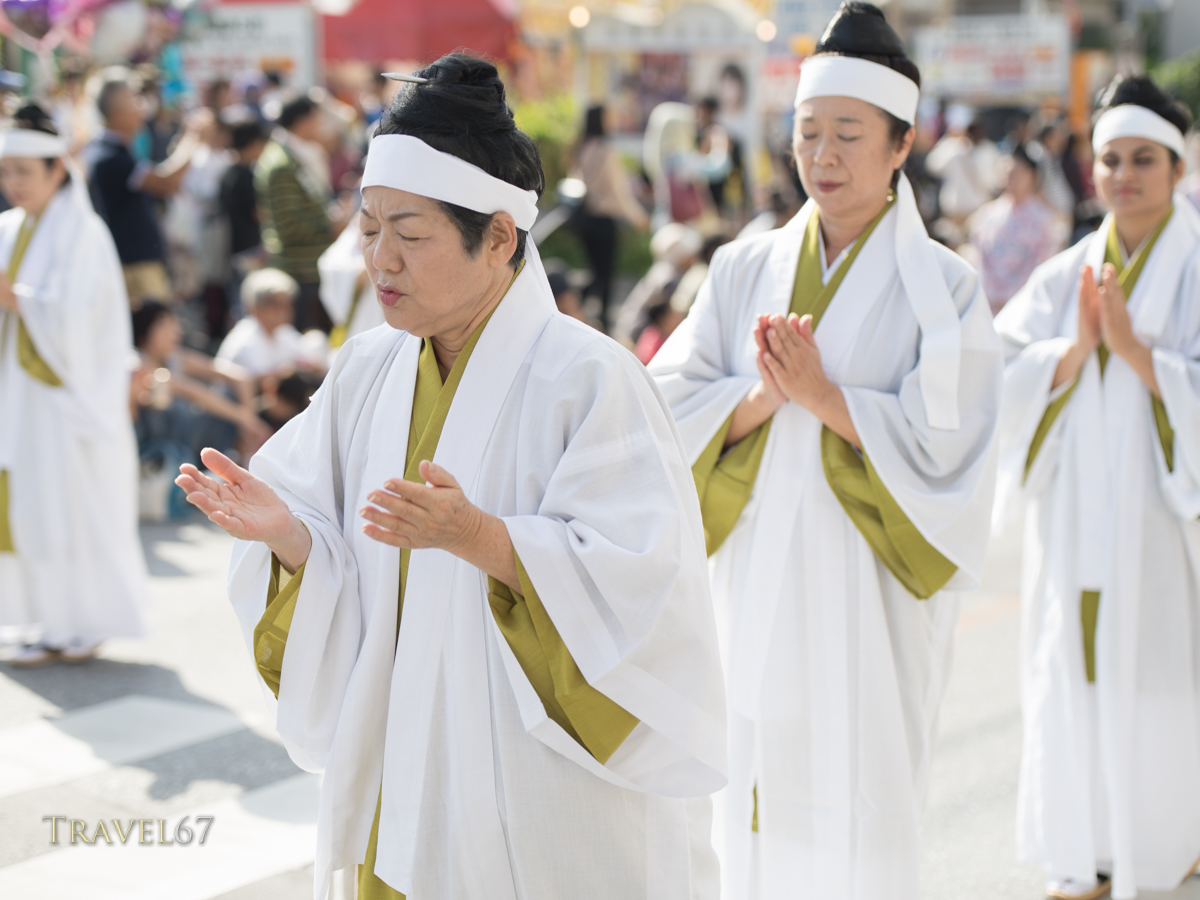
There were also several priestesses (yuta) who were once the religious counsel to the royal family. They still play a role in modern Okinawa as mediums and advisers.

Shurijo Castle Festival - Traditional Procession Nov.3 2014

Shurijo Castle Festival – Traditional Procession Nov.3 2014

Halloween in Mihama

Halloween in Mihama, Okinawa

Halloween in Mihama, Okinawa

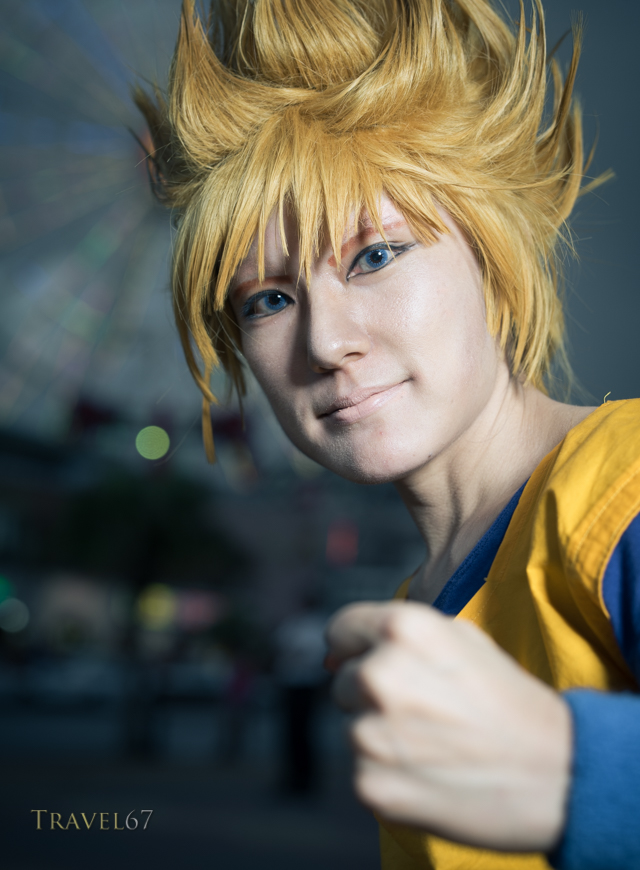
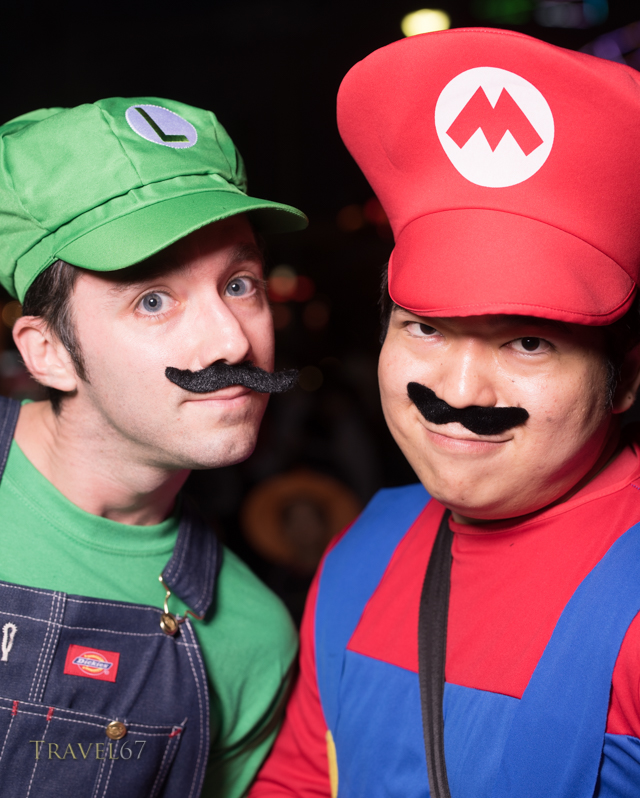
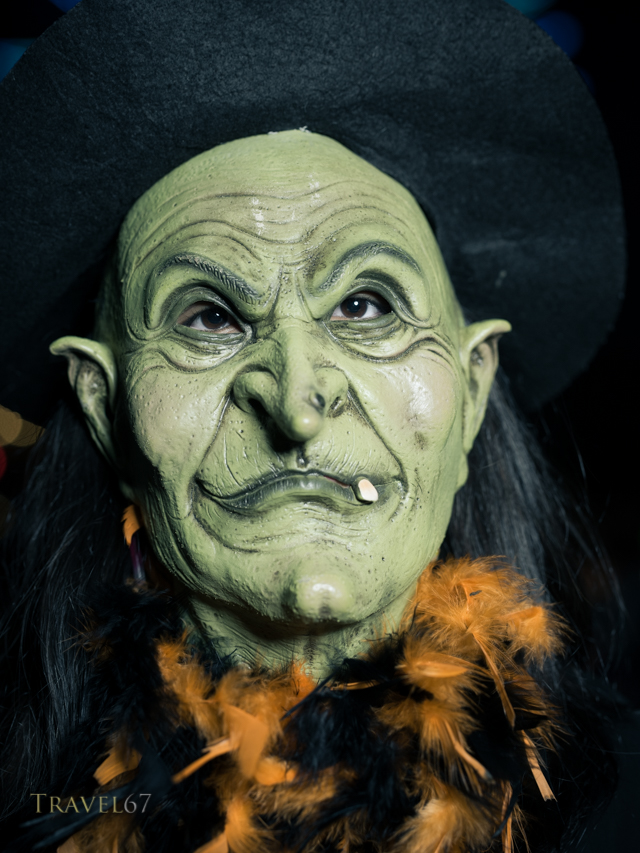
Mihama’s American Village in Chatan Town is the place to be on Halloween. The fancy dress competition is probably the most popular event of the year. I stopped by on the way home from helping set up the Okinawa 9 exhibition in Naha and took a few pics.

Halloween in Mihama, Okinawa

Halloween in Mihama, Okinawa

I used the Pentax 645Z, 90mm lens and the Profoto B1 strobe with a beauty dish for light.

Spooky fun.

Halloween in Mihama, Okinawa

Halloween in Mihama, Okinawa

Halloween in Mihama, Okinawa

Halloween in Mihama, Okinawa

Halloween in Mihama, Okinawa

Halloween in Mihama, Okinawa

Halloween in Mihama, Okinawa

Halloween in Mihama, Okinawa

Halloween in Mihama, Okinawa

Halloween in Mihama, Okinawa

Halloween in Mihama, Okinawa

Halloween in Mihama, Okinawa

Halloween in Mihama, Okinawa

Halloween in Mihama, Okinawa

Halloween in Mihama, Okinawa

Halloween in Mihama, Okinawa

Halloween in Mihama, Okinawa

Halloween in Mihama, Okinawa

Halloween in Mihama, Okinawa

Halloween in Mihama, Okinawa