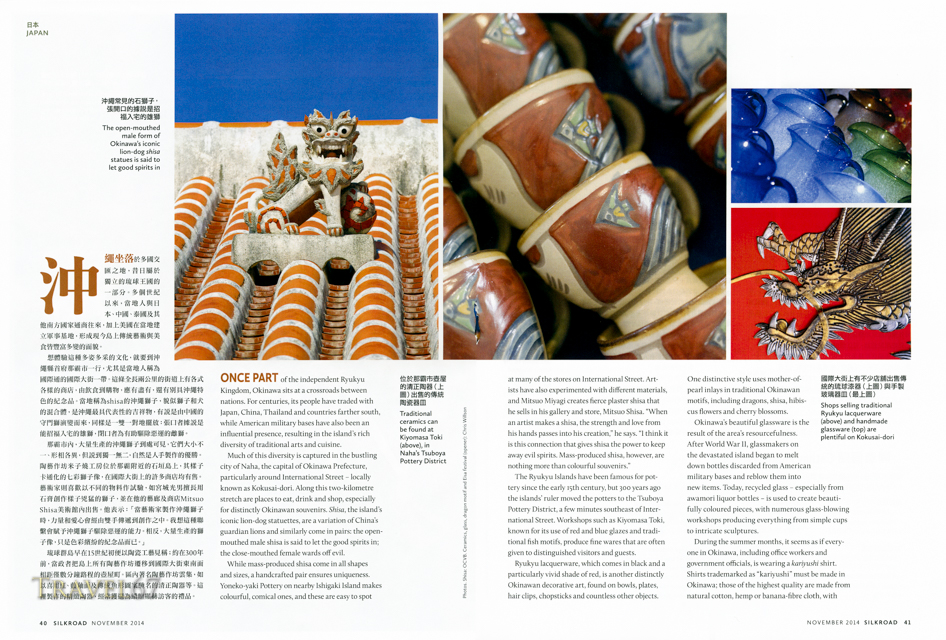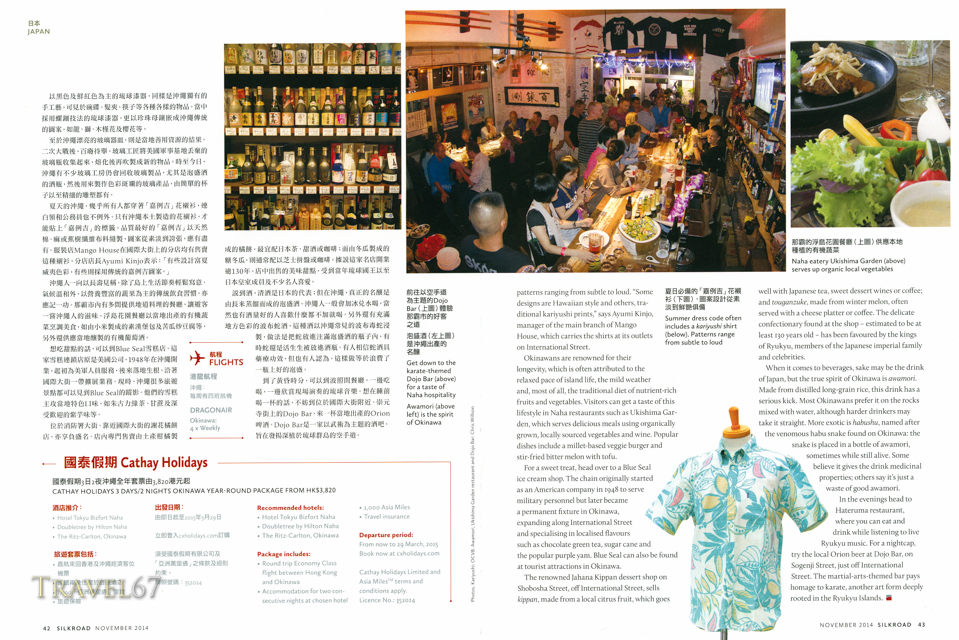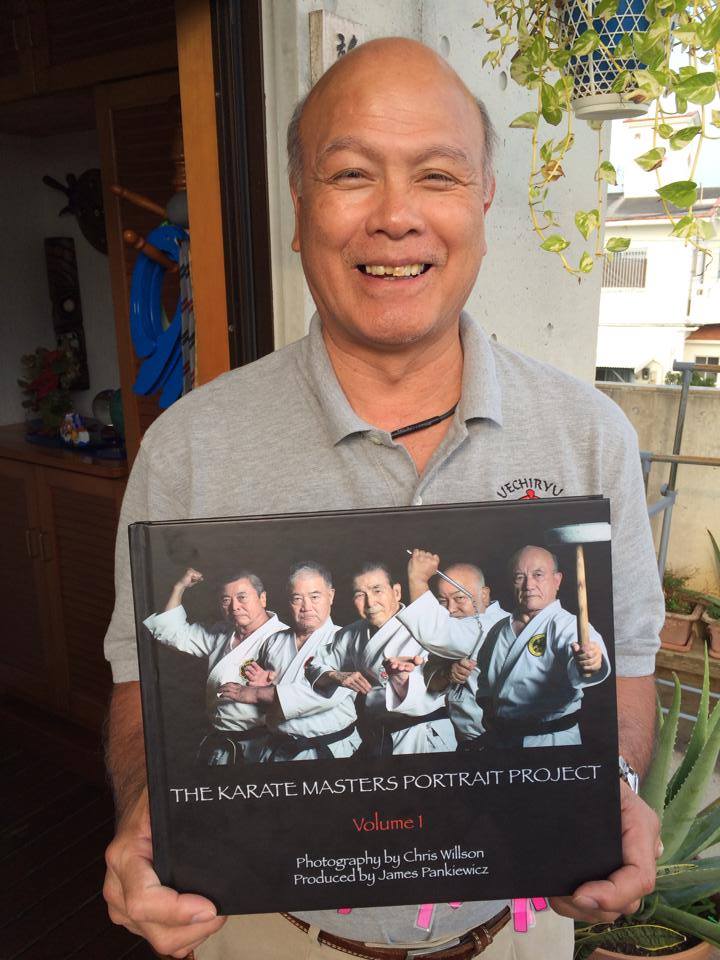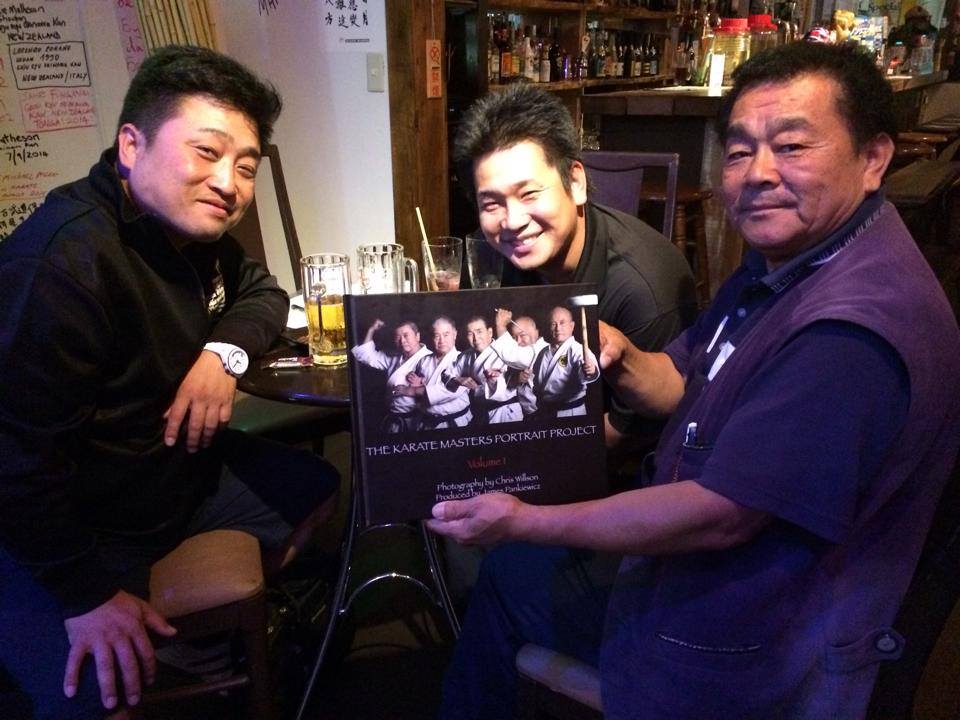
Now that the Karate Masters book is completed and on sale I have time to catch up on things on my to-do list. Here’s a scan of my Kokusai Street feature from last month’s Silkroad, the magazine of Dragonair.
Latest Posts
The Best of Hokkaido
Hokkaido is the northernmost of Japan’s four main islands, and its final frontier. It has a quarter of the country’s landmass, but only one twentieth of its population. Large sections of the island are national parks where foxes, deer and brown bears outnumber people. Visitors come during winter to ski, and during summer to camp, hike and soak in hot spring pools. Hokkaido provides an escape from modern Japan to an almost primordial time. Amidst volcanoes, geysers and ice flows visitors can experience the ancient, wild side of Japan.
Winter Attractions
Skiing and Snowboarding
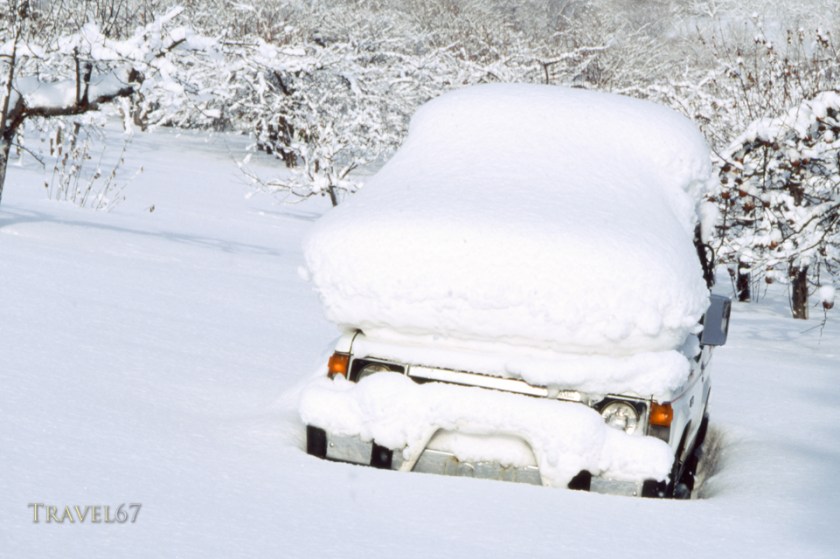
Hokkaido’s winter weather is strongly influenced by the cold winds blowing in from Siberia. In Sapporo, the temperature regularly drops to -5°C, and further east, away from the ameliorating affects of the ocean, it gets as low as -30°C. The winters bring a lot of snow, and the big dumps of fluffy powder make the island’s ski resorts the best in Japan. Sapporo hosted the 1972 Winter Olympics, but until recently, Hokkaido’s excellent skiing and boarding was not well known outside of Japan.
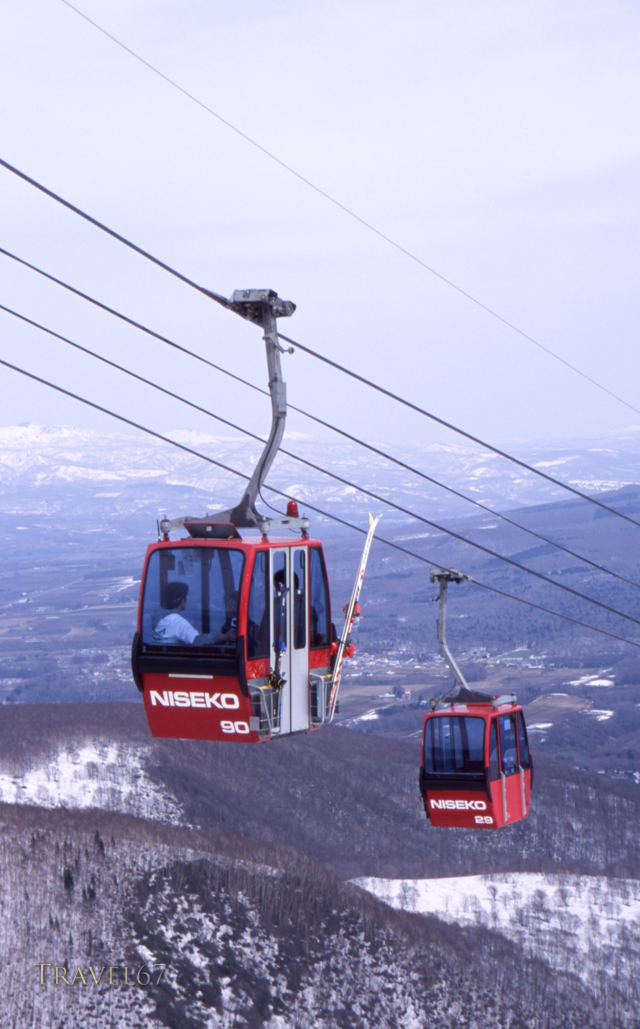
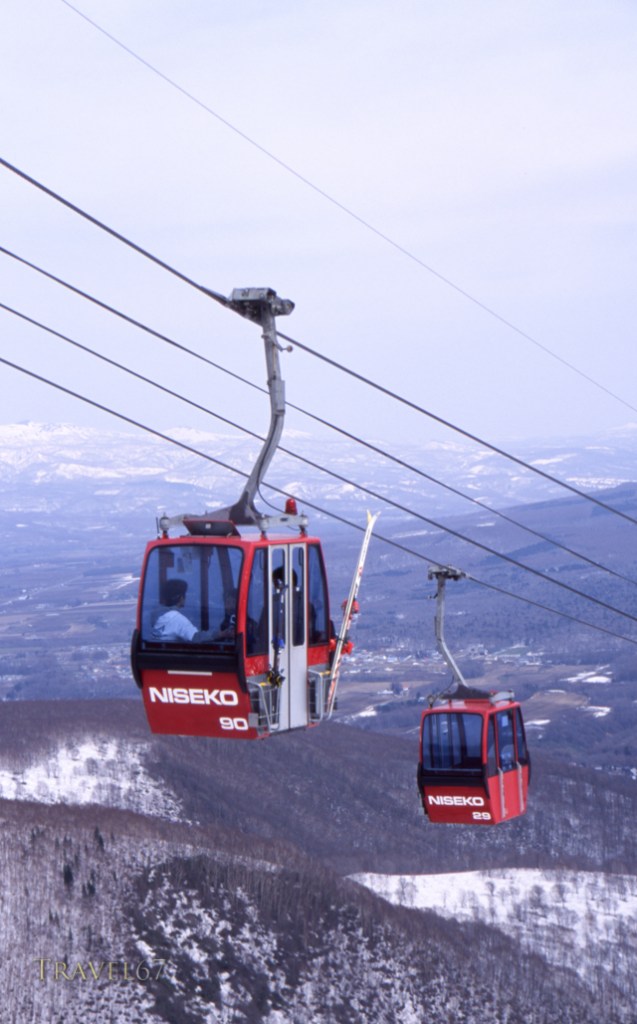
There are large ski areas in the Furano, Rusutsu and Niseko. Although the resorts are not as big as many European ski hills, Hokkaido has a lot to offer both beginners and those who prefer the steep and deep.
Niseko Hirafu has 57 runs, 28 lifts and, with floodlit slopes, skiing and boarding continues long after the sun has gone down. The après-ski activities are subdued, but many of the hotels have their own onsen (hot spring pools) where you can sit and soak away the day’s aches and pains.
Abashiri Ice Flows
As a rule of thumb, ships that plow through icebergs are not going to last long. The high pitched squeal of the hull scraping the ice is usually followed by a loud crack as metal gives way. The Aurora, however, is not an ordinary boat. Throughout the winter, the icebreaker takes a tour from the port of Abashiri out into the ice flows covering the Sea of Okhotsk. While the Aurora crunches along, the passengers look out for seals, feed the gulls, and try not to think about the Titanic.
Red-Crested Cranes
Legend says that Japanese cranes live for a thousand years and that the mere sight of them will bring longevity and prosperity. In fact, a pair of cranes used to be on the back of every 1000 Yen banknote. At the start of the 20th Century the birds themselves were on the verge of extinction. The situation has slowly improved due to protection of Hokkaido’s wetlands and local people providing food in winter. Today, more than 600 birds live in the Kushiro area.
These elegant black and white birds have a red patch on the tops of their heads and are highly photogenic. For most of the year, the cranes live amongst the tall reeds of the marshes and are difficult to observe. In winter, however, the birds move out onto the snow covered fields to search for food and to find a mate. Out in the open, pairs of birds begin to dance. Balancing on their spindly legs, the cranes raise their heads skywards and throw back their wings. The birds circle each other, their breath forming tiny clouds in the cold air. The dance continues with a series of bows, leaps, kicks and pecks.
This timeless ritual may be performed for fun, to assess social status, or even to enhance the pair-bond between mates. Many cranes remain paired for life, and the birds are regarded as symbols of marital happiness as well as longevity. On bridal kimonos it is not uncommon to see a pair of red-crested cranes captured mid-dance.
Sapporo Snow Festival – Yuki Matsuri
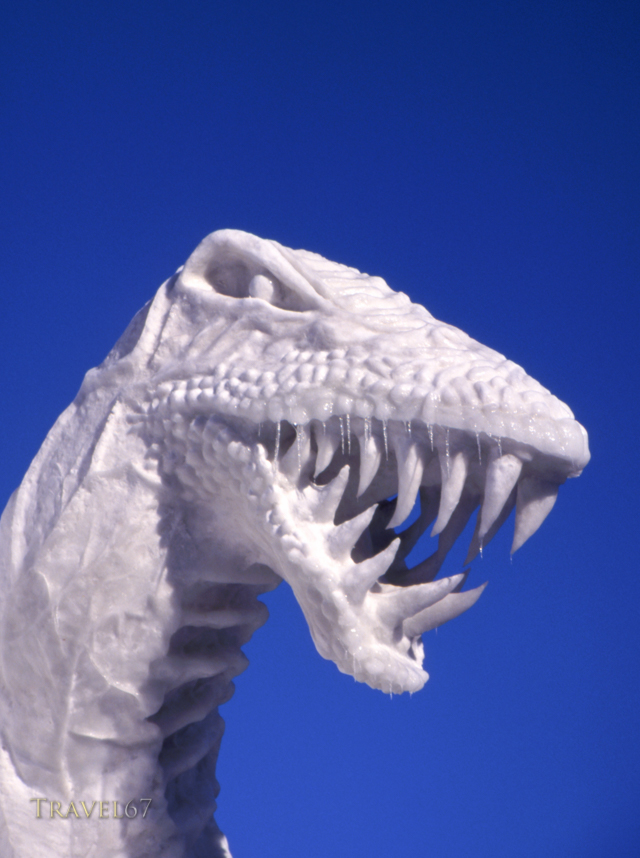
There is a 30ft tall T-Rex looming over a young Japanese family. It bares its teeth and beads of saliva hang from its lips. The T-Rex is not looking down, but out across the park toward Thomas the Tank Engine, and Pikachu. All three stand motionless, as they have done for the last week. But Pikachu’s creators are far more worried by the effects of the sun than any dinosaur. A brief warm spell could transform their work of art into an indistinguishable puddle.
Every year in early February, teams from around the world descend upon Odori Park in Sapporo with shovels, chainsaws and ice picks. Gigantic blocks of snow and ice are transformed into sculptures that range from delicate flowers to whales and entire buildings.
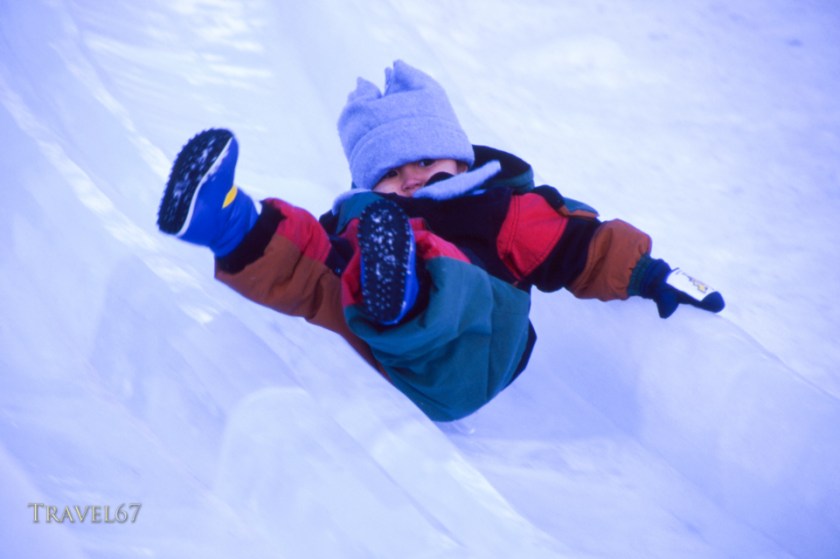
Toddlers career down near-frictionless ice slides while parents stand close by, videotaping the rite of passage for posterity. The weather is usually bitterly cold, but there is a steady supply of coffee and hot chocolate. If that doesn’t work, then the festival has 2 million spectators visitors can huddle between.
Dog Sled Competition
For the pampered pooches of Tokyo the toughest part of the day is deciding whether to wear the Gucci or Louis Vuitton collar. At dog sled competitions in Hokkaido there isn’t a Chihuahua, Toy Poodle or Bichon Frise in sight. The competing Huskies are big, strong, disciplined, and yearning to tear across the snow-covered hillside. Riding a dog sled is probably the closest man can get to actually running with the wolves.
The Japan Cup Dog Sled Competition is held in Wakkanai on the northern tip of the island. It takes place on the last weekend in February and entrants from throughout Japan come to compete. In some of the world’s harshest conditions the competition tests the teamwork between man and man’s best friend.
Spring and Summer Attractions
Volcanoes and Hot Springs
In March 2000, Mt. Usu was classified as a dormant volcano. Then it woke up. On the last day of the month, the volcano gave a deep earth-shaking growl and spat a cloud of black ash into the sky. The eruption continued for several days and was a clear reminder that Hokkaido is still geologically active.
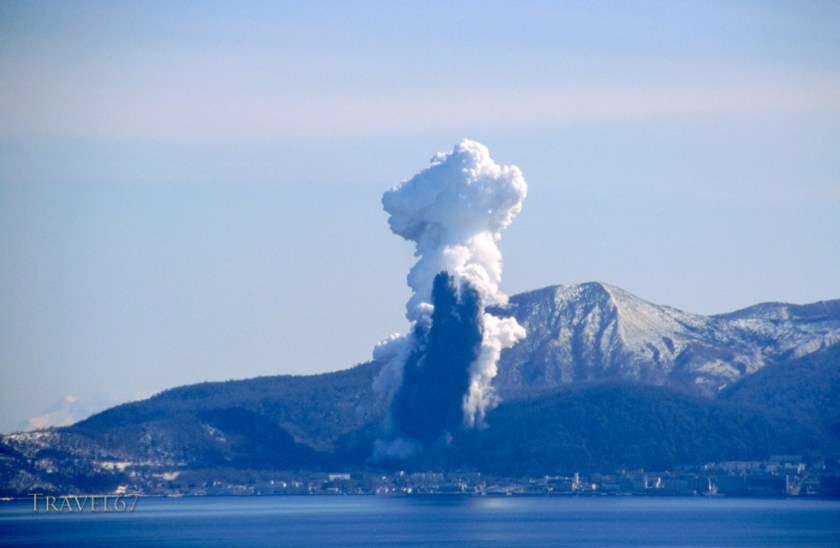
Around Lake Toya there are several spa hotels where guests can bathe in the hot spring pools. Although the hotels were temporarily evacuated during the eruption they remain a popular destination for tourists seeking relief in the therapeutic waters.
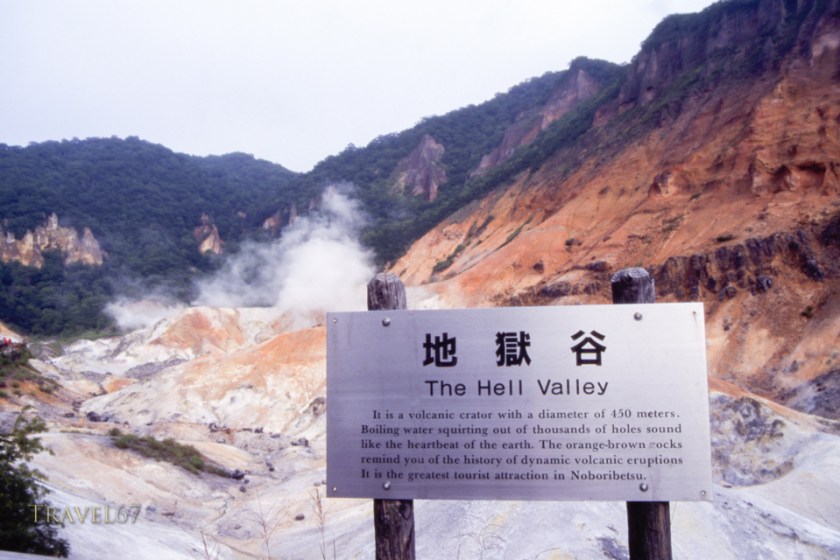
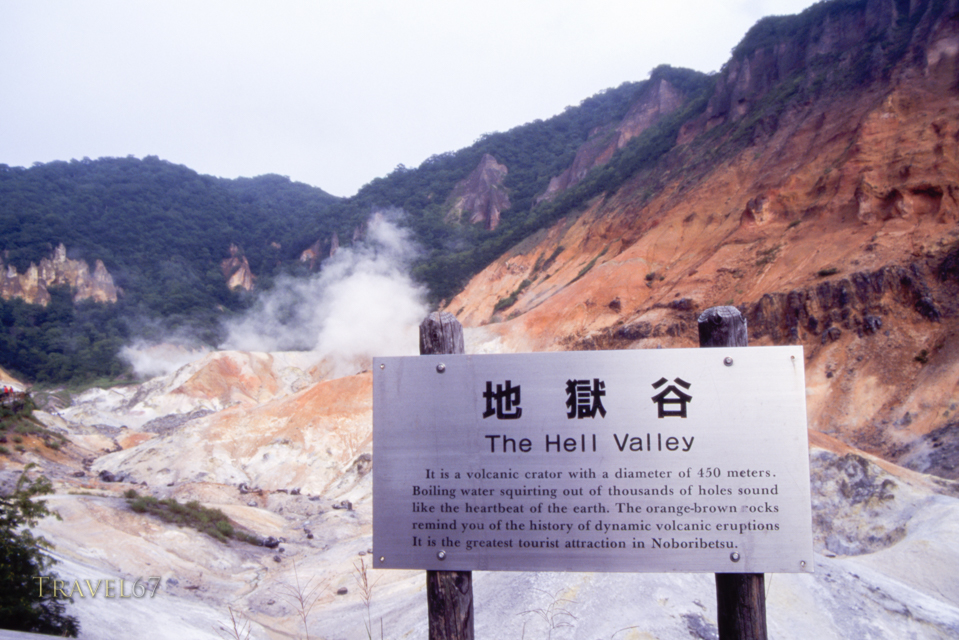
Noboribetsu Spa is located on the southern coast of Hokkaido. As well as the spa hotels the area is popular with visitors who wish to enter Hell. Hell Valley is in fact the largest outpouring of hot mineral water in Asia. Visitors are given tea spoons so they can try a little of the steaming water. The slightly murky concoction tastes of vinegar with a bad egg aftertaste. It explains why people come here to bathe in the water rather than drink it. The pools in the valley itself are generally far too hot for people to relax in. The coolest ones leave you feeling cooked, while the hottest ones have been fenced off to protect people from the boiling water. The hotels, however, have a selection of pools that are fed by water from Hell. Unlike the natural pools they have a less painful range of temperatures and the sulfurous bad egg smell is not quite so noticeable.
Ainu – Hokkaido’s Indigenous People
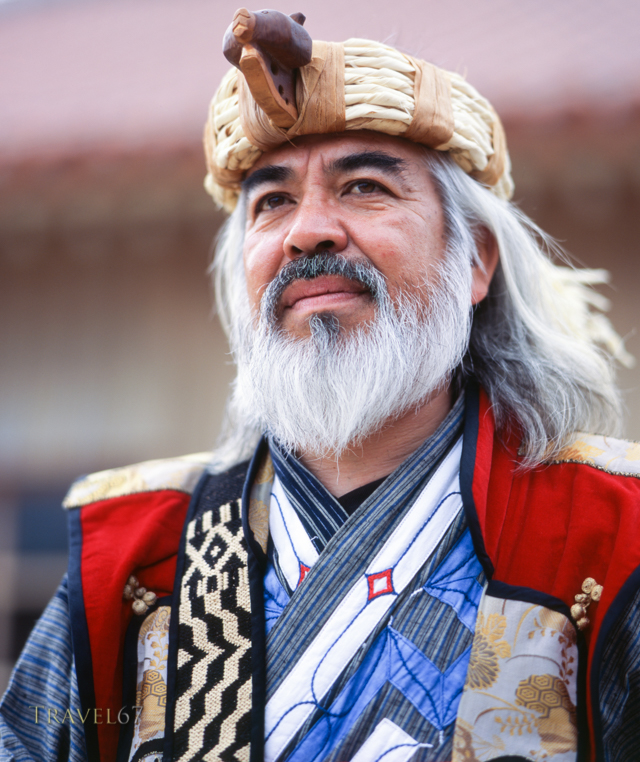
The Ainu were the only inhabitants of Hokkaido, until the national government encouraged immigration from the Japanese mainland. Forestry by the new arrivals reduced the areas where the Ainu could hunt and brought diseases to which they had little resistance. Now, the Ainu are a minority group, but through festivals, parks and museums, they make sure their history is not forgotten.
The Ainu are physically different from mainland Japanese; they are shorter, more muscular and have more body hair. They have their own music and dances, which are often influenced by the animals and environment around them. Songs celebrate fishing or the hunt for bears, while other rituals such as the crane dance mimic the movement of the birds.
Near Shiraoi on Hokkaido’s southern coast is Poroto-Kotan Ainu Museum. Shiraoi was once one of the largest Ainu villages. Porto-Kotan remains a museum-cum-miniature theme park that hopes to educate both foreigners and Japanese about the traditions and culture of the Ainu people. It is an interesting look at a dying culture, but the caged bears may leave some visitors wondering if animal husbandry has fallen at the wayside of commercialization.
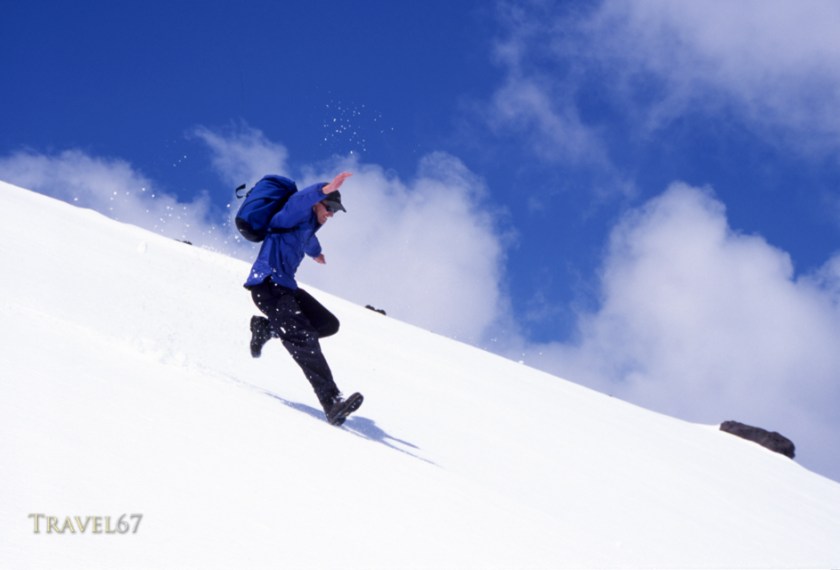
Hiking
Six national parks, five quasi-national parks and twelve prefectural parks provide many opportunities for hikers. Fir, pine, beech, oak and larch cover the valleys and lower hills while the highest peaks remain capped with snow throughout the year.
Mt. Yotei is known to locals as Ezo Fuji or Hokkaido Fuji due to its conical shape. The mountain is close to Niseko and Lake Toya and during summer many visitors undergo the four or five hour hike from the parking lot up to the crater rim at 1,893 metres.
The crater of Mt. Tarumae near Lake Shikotsu is fenced off. The 1038m mountain is still an active volcano and although not presently erupting, fumes emanate from fumaroles inside the crater. It is possible to drive to just a few kilometers from the volcano’s summit and then hike for 40 minutes to the crater rim. You could also spend the whole day on the climb by starting out from the campsite at Lake Shikotsuko.
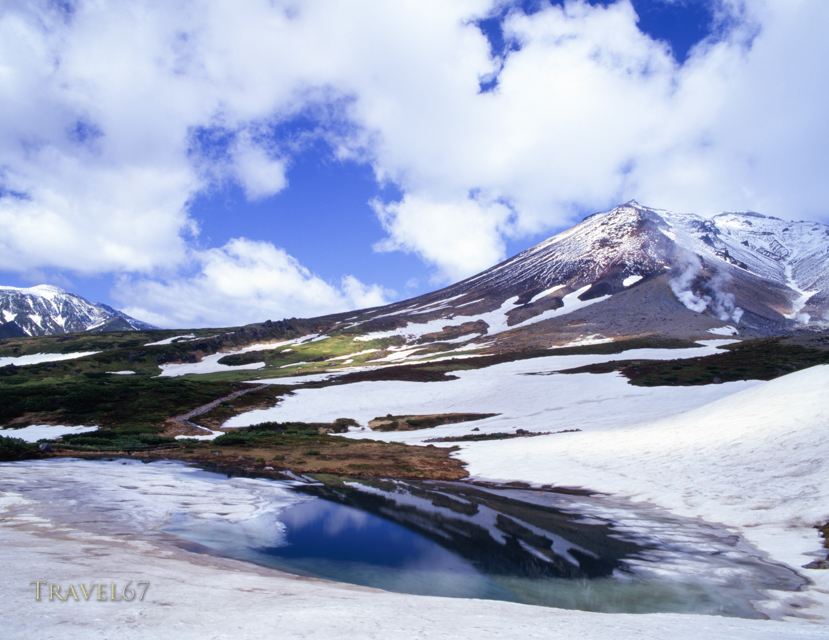
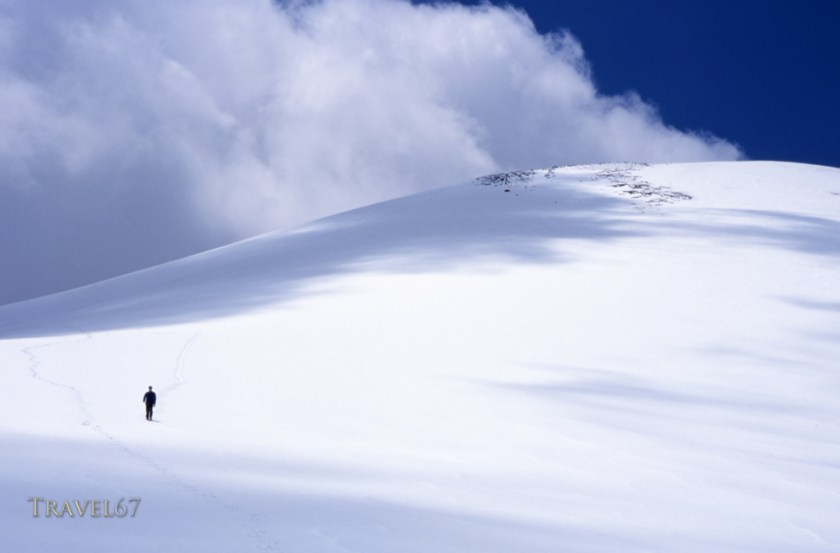
Daisetsuzan National Park is the largest National Park in Japan at 890 square miles. Mt. Asahidake is the park’s high point and at 2,290 metres is also northern Japan’s highest mountain. A cable car runs from Asahidake Spa at 1000m up to 1600m. It is then a moderate hike for two hours over broken rock and then snow to reach the summit. From the top you can hike around the edge of the Ohachidaira Cauldron before returning via Sugatami Pond to the cable car. Another option from the summit is to press onward to Mt. Hokkaidake (2,149m) then Mt. Kurodake (1,984m). Not far from the summit of Kurodake, a chairlift and then cable car can take you all the way down to Sounkyo Spa on the otherside of the national park.
Summer Festivals
The Yosakoi Soran Festival is held in Sapporo every year in mid-August. It is a celebration of dance that combines the traditions of the Yosakoi Festival of Kochi Prefecture and the Soran folk music of Hokkaido. The dancers are grouped in teams which can be made up of hundreds of people. Each team has its own costume and unique ensemble dance number. Some of the dances are held on giant stages while others spread out across Odori Park.
Unlike winter, when Furano has a thick layer of snow, summer sees the grassy slopes covered with purple lavender, and red poppies. In July the area has a flower festival where everything from Kitty-chan dolls to the ice cream is colored purple and scented with lavender.
When to go
Most of the ski resorts are open in early December and don’t close until the end of April. Sapporo snow festival is usually in the first week of February. The dog sled competition is held during the last week of February. The red-crested cranes are out in the open during January and February.
Unlike the rest of Japan, Hokkaido does not have a rainy season. The summers are also much drier and cooler than in mainland Japan where the high humidity can become oppressive. June, July and August are the perfect time to camp, kayak and hike in Hokkaido. Sapporo’s Yosakoi Soran Festival is held in mid-August while Furano’s flowers are in full bloom during July.
Getting There
International and domestic flights land at Chitose Airport about 30 km southeast of Sapporo. Tokyo to Sapporo is one of the world’s busiest air routes. There are regular trains that connect the airport with the city centre in around 40 minutes.
Getting Around
Hokkaido, like the rest of Japan, has a comprehensive rail system. In winter when the roads are covered in a thick layer of snow and ice, trains are by far the fastest, most reliable and safest way to get around. Ski buses run from Sapporo and Otaru all the way to the resort’s ticket offices.
In summer, however, if you want to hike, camp or explore the more remote parts of the island a car is invaluable. There are several rent-a-car agencies, but you will need an international driver’s license. Except for central Sapporo, the roads tend not to be crowded. One thing to remember, however, is that Hokkaido is big, and with a 50kph speed limit on rural roads and 80kph limit on the expressways it may take a while to get to your destination.
Sapporo has its own subway system that connects the main railway station with other sightseeing areas like Odori Park, Suskino and the Botanical Gardens. The city also has a modern grid based street system making it the easiest of Japan’s cities to find your way around.
Where to stay
Sapporo is Japan’s fifth largest city and has a wide range of accommodation, from hostels through to 5-star hotels. Otaru is a small port town, 30 minutes west of Sapporo and serves as a good base for exploring the Niseko and Toya areas.
Camping on beaches and lakeshores is not a problem. There are also 350 official camp sites which have facilities ranging from a single faucet all the way up to hot showers, log cabins and convenience stores.
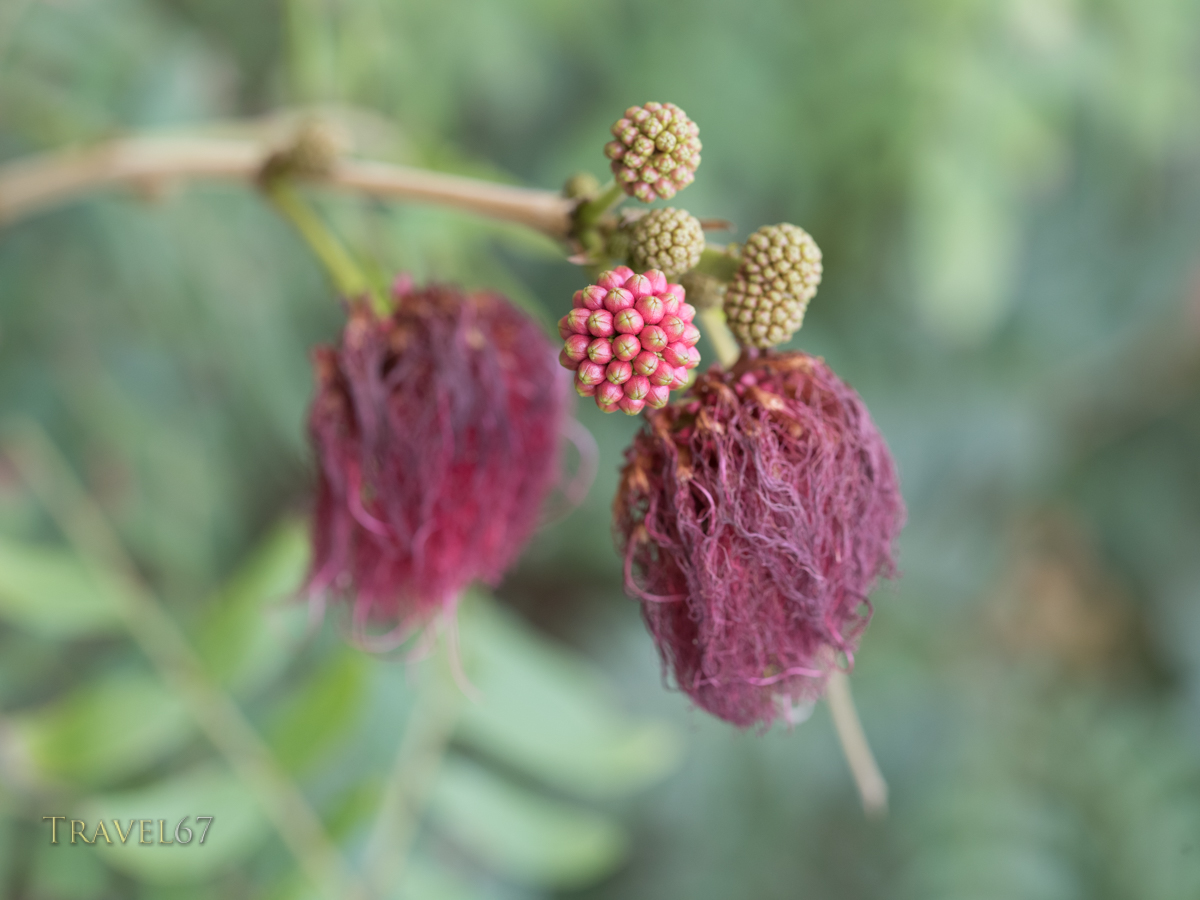
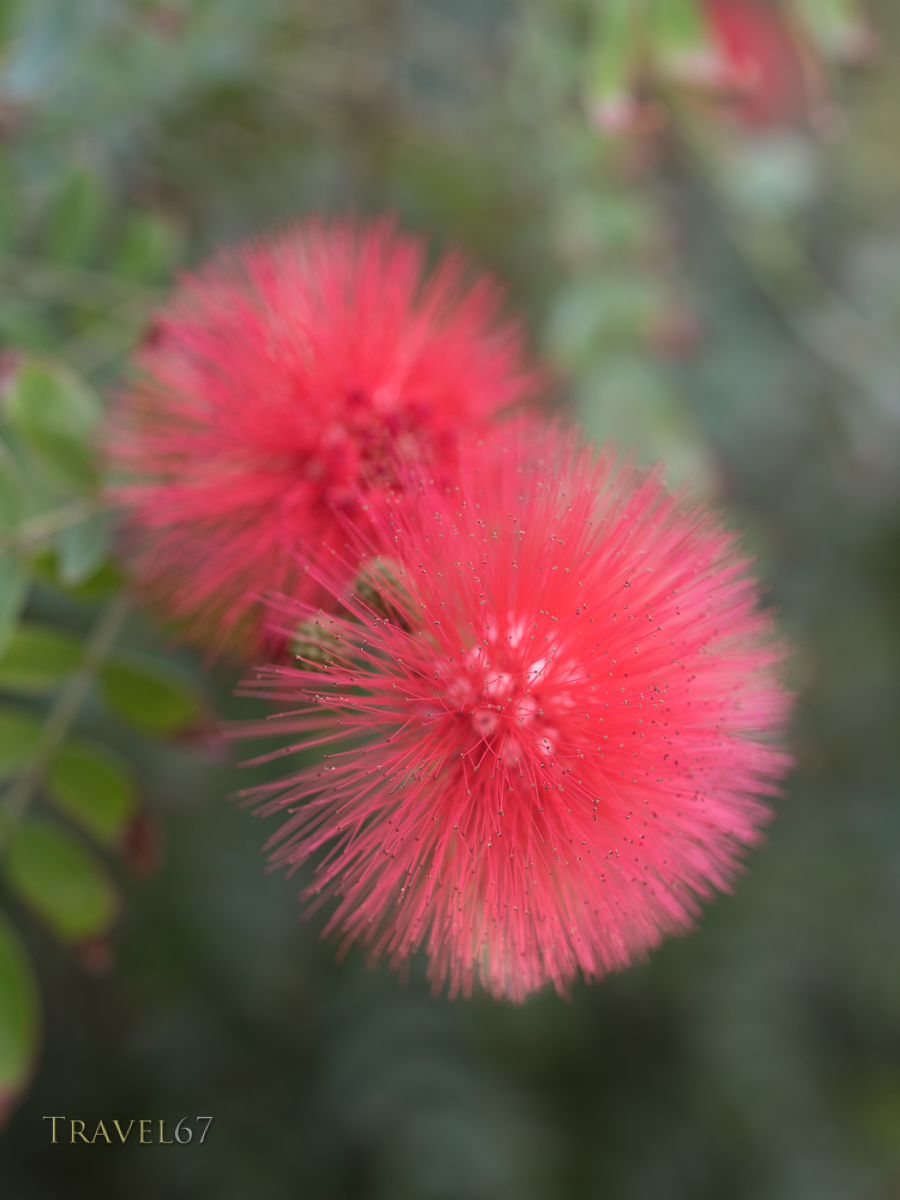
Red Powder Puff, Calliandra haematocephala
Okinawan Chondara
Prints now on sale through Fine Art America
I’m now offering some prints for sale through Fine Art America. This will allow friends to purchase a wider range of images, sizes, and media than I currently offer. It also means that prints will be available to purchase even when I’m overseas.
A few reasons why I chose Fine Art America.
1) Great reviews on the quality of their prints.
2) A large range of products, that I couldn’t offer myself such as canvas prints, frames etc.
3) They produce the items in either the United States or the UK (Glasgow) depending where you’re shipping to. This is the big game changer. The majority of people who have bought my prints are based in either the US or UK. Shipping is therefore affordable, and there are no import taxes for either group.
What can’t they offer.
1) Signed prints. For a few more months I will continue to offer signed limited edition prints through the TRAVEL67.com website, but after then these will only be available at exhibitions, bazaars, and in person.
Meanwhile I’ll continue to upload more of my favorite images to Fine Art America, you never know, you may find the Christmas present you’d been looking for.
Crusader for Health – Interview with Dr. Makoto Suzuki
Dr. Makoto Suzuki is a cardiologist and geriatrician. In 1976, he moved from Tokyo to Okinawa and began work at the Ryukyu University Hospital. While working in the field of community medicine, he discovered that there were an unusually high number of very healthy old people living on Okinawa. He began the Okinawa Centenarian Study, which has documented the phenomenon for more than 30 years. The findings of his research became the basis of several books that became bestsellers in Japan and around the world.
How did you discover the phenomenon of Okinawan longevity?
“I had heard that there was a very healthy old lady living in Yomitan Village, so I, and two others from the hospital, went out to meet her. She was over 100 years old, but when we arrived she was outside cutting the grass with a sickle. I was amazed at how fit and strong she was. When we talked to her, she didn’t think she was unusual at all. In fact, she pointed out that another healthy centenarian lived directly opposite her. When we went back to Naha City, and checked through the medical records, we found that Okinawa had 32 people over 100 years old. Although six were bedridden, 26 of these centenarians were in excellent health.”
How many centenarians are there on Okinawa now?
“There are now around 700 centenarians in Okinawa, but most of them are bedridden. The number of super healthy very old people has not gone up much from the 26 we counted at the beginning of our study. This is an important point, as it means that although advances in medical technology can keep us alive, those extra years are not always active and productive. Our goal needs to be not just longevity but healthy longevity.”
What are the main factors that have kept elderly Okinawans in such good physical shape?
“I think there are four keys to their health: diet, exercise, self-care, and community care. The traditional Okinawan foods like goya champuru, sweet potatoes, fruits and vegetables have a lot of nutrients and are low in fat.
The elderly are also used to strenuous jobs such as cutting sugar cane and continue to be active gardening and walking. This regular exercise keeps their bodies strong and supple.
Self-care is about having an awareness of your own health and getting regular check-ups by the local doctor, while community care is important to extinguish mental troubles. On Okinawa, many elderly people attend mowai, or get-togethers where they cement friendships and can help each other with any problems they might have. Unfortunately the lifestyles of younger Okinawans do not match with these four keys to health, and their life expectancy is dropping.”
How do the lifestyles of young Okinawans differ from those of their parents or grandparents?
“Food and, more specifically, fat is the biggest issue. Younger people are more likely to choose a hamburger over goya champuru when eating in a restaurant. The number of obese males has dramatically increased, and this leads to many medical problems including heart attacks, strokes, and several hormone dependent cancers. Cars, rather than walking, are now the main form of transport, and computer-based jobs mean that, for many, the only muscles they are exercising are those in their fingers. In addition to this decline in physical fitness, young people are not taking as much care of their mental health. In big cities the community spirit that is so important for the elderly is not as strong. ”
Are you optimistic about the future?
“Okinawa’s ranking for male life expectancy has dropped from number one to number 26 in Japan, but the life expectancy of Okinawan females remains at the top. If the health of the island’s women also decreases, Okinawa will no longer be able to claim itself as the centre of longevity.
I am hopeful that the study’s results, especially the ideas of better self-awareness of health, will help many others. In September 2006, I hosted the Ningen Dock conference, during which 7,000 doctors, researchers and technicians from around the world discussed how to achieve successful longevity. Ningen Dock is the idea that just as ships regularly go into dock to be checked and serviced, so should people. Regular medical checks would allow doctors to catch problems before they become serious. This leads to a change in the emphasis of medical care from treatment to prevention. Hopefully, more people will then be able to live longer, healthier lives.”
More Information:
Words of Warning and Wisdom – Interview with Dr. Andrew Weil
Dr. Andrew Weil is the director of the Program in Integrative Medicine at the University of Arizona. He’s been on the cover of Time magazine, written several best selling books and was recently described as one of the twenty most influential people in America. During his visit to Okinawa I talked to him briefly about his thoughts and views on healthy living and the longevity of Okinawans.
What do you think are the major problems with the western diet?
“Too much meat and animal products in general. Too few vegetables and too few fruits, the wrong kind of fats especially too much refined vegetable oil, margarine and artificially hardened fats, and too few of the Omega-3 fats from fish. Also too much refined carbohydrates, highly processed wheat flour and in general too much processed food, not enough fresh natural food, I’d say they were the main problems.”
What can we learn from the Okinawan diet?
“Many more vegetables and a greater variety of vegetables, more legumes especially soy and other special Okinawan foods, goya and ucon.”
In your books you often mention the benefits of a Mediterranean diet, what can Okinawans learn from this?
“Using olive oil, having dairy products in the form of cheese rather than milk and more whole grains.”
What relaxation or exercise techniques do you practice and recommend?
“Breathing. Breathing techniques are simple, require little time and no equipment.”
What are the scariest examples of alternative medicine you have heard about?
“Things like intravenous hydrogen peroxide are just horrible and dangerous.”
Some scientists have said that vitamin supplements are not effective, what’s your opinion?
“Fruits and vegetables are the best source of vitamins you should eat plenty of good quality natural vegetables. Supplements can act as insurance but not as a substitute. Fresh vegetables and fruits are the best.”
What is the most common misconception about you?
“That I am trying to do away with traditional medicine. Traditional medicine is right when it’s the right thing to do.”
Can you give us one key point or piece of advice to take away?
“Lifestyle choices have a huge influence on the way we age and a lot of this is within our influence.”
The Okinawan Elixir
The secrets of longevity are found not in Shangri-la, but in the homes and hearts of the people of Okinawa.
Large numbers of people on Okinawa remain strong and active well into their eighties, nineties and even as centenarians. They have amazingly low occurrences of cancer, heart disease, and strokes. And, on Okinawa the proportion of life that is spent with chronic disease is also much less than the average American. This means that Okinawans, in addition to having a longer lifespan, have more healthy years free from medical problems during which they can live a full and active life.
Everyday Keiko gets up at 5 a.m. and prepares breakfast for her family. She spends most of the morning in a small field near their home tending the vegetables and fruit trees. Later, she will prepare the evening meal, and then spend the remainder of the day chatting with her friends. The fact that Keiko is over ninety years old is impressive, but there are exceptionally old people all over the world. What is significant is that Keiko’s husband and her large group of friends are all active, healthy and nearing the hundred mark.
Okinawa is famous as the birthplace of karate and infamous for the tragic battles that occurred during WWII. The people of Okinawa also have the longest life expectancy in the world. Their elixir for health and longevity is not a tablet or nutritional shake, but a result of their unique island lifestyle.
The phenomenon has been studied for nearly 30 years in the Okinawan Centenarian study, and its findings give an insight into why Okinawans seem to have a natural immunity to so many fatal diseases. The book The Okinawa Program, explains the research and provides advice on how it is possible to increase longevity. Following an appearance by the authors onThe Oprah Winfrey Show, The Okinawa Program became a bestseller in the United States. People all over the world began looking to Okinawa to show them the elixir of everlasting health.
Two main factors affect how long a person lives: their genetics and the environment they are in, commonly known as “nature and nurture.” It is possible that the people of Okinawa have an increased resistance to certain diseases due to their genetics, but Okinawans who move to other countries show a significant drop in longevity. It is clear that the environmental and lifestyle factors have a far greater role to play.
Unfortunately, the key to the long healthy life of Okinawans is not from one magical herb or vitamin. There are several lifestyle factors that improve a person’s chance of longevity. These include diet, exercise, and spirituality.
Diet
The traditional diet on Okinawa has a large amount of soy and vegetables and is low in meat and polyunsaturated fats. Vegetables and grains bulk out the diet and provide essential nutrients, while lower amounts of fats mean a reduced risk of blocked arteries. This may be the reason that, on average, Okinawans have 80 percent fewer heart attacks than Americans.
Okinawans also eat in moderation. There is even a phrase in the local language hara-hachi-bu that means eight-tenths full. By eating a little less, Okinawans reduce the chances of obesity and the vast numbers of illnesses associated with it.
Fruits and vegetables in the Okinawan diet provide a crucial supply of antioxidants. Antioxidant micronutrients are believed by many in the scientific community to offer protection against ongoing free radical activity in the body. Free radicals are thought to cause tissue damage and disease. They may result in the aging process and chronic age-related diseases including Alzheimer’s disease, cancer, cardiovascular disease and cataracts. .
Dr. Andrew Weil is the director of the program in Integrative medicine at the University of Arizona. He’s been on the cover ofTime, written several best-selling books, and was recently described as one of the twenty most influential people in America. He visited Okinawa to talk about aging and gave his opinion on the Okinawan diet:
“A Western diet has too much meat and animal products. In general, there are too few vegetables and fruits. It has the wrong kind of fats, especially too much refined vegetable oil, margarine and artificially hardened fats, and too few of the omega 3 fats from fish. An Okinawan diet, meanwhile, has a larger amount and a greater variety of vegetables: more legumes especially soy and other special Okinawan foods such as goya (bitter melon) and ucon (turmeric).”
Exercise
While many Western pensioners don’t do anything more physical than change channels or fill in the crossword puzzles, Okinawans remain active. Walking, gardening, dance and martial arts all help maintain their cardiovascular systems, while keeping up muscle and bone strength. Gateball (a Japanese version of croquet) is very popular with older people in Okinawa. It is a social occasion and nearly all towns and villages on the islands have a small gateball ground.
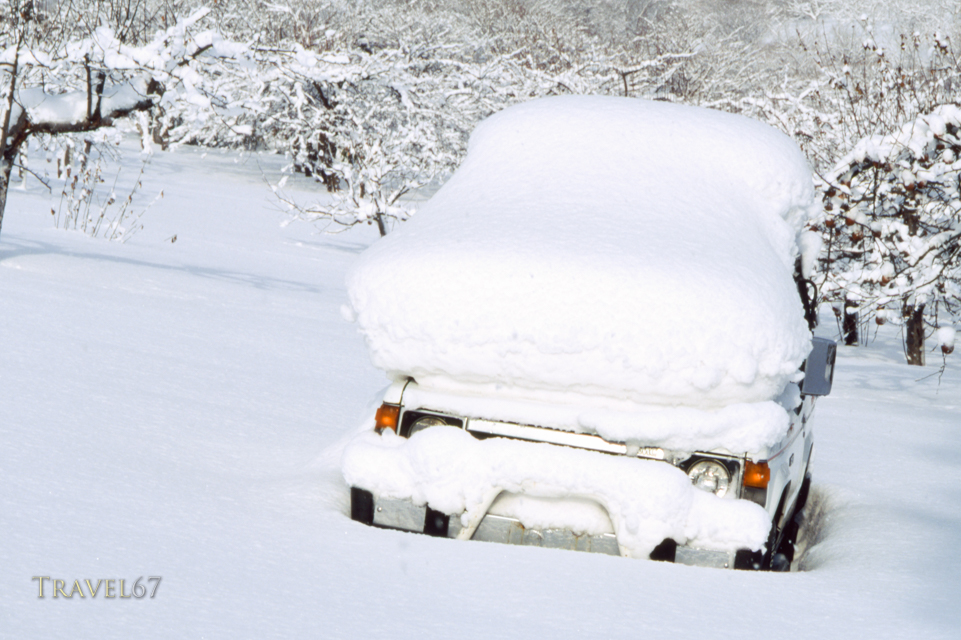
Okinawa’s subtropical climate is another key factor for longevity, as the year-round warm weather means that at no time are older people house bound. In areas where there are heavy snowfalls, two main problems occur. If an older person continues to go outside there is a good chance they will slip and fall. Once injured, the road to recovery is particularly arduous for an older person. If the elderly stay inside during the winter months, the decrease in activity leads to them becoming physically weaker.
There are, of course, exceptionally fit old people in Okinawa who run marathons and go spear fishing for their dinner. However, it is simple everyday activities like walking to the shops or growing a few vegetables that keeps the majority of older Okinawans fit and healthy.
Spirituality
The slower pace of life in Okinawa, prayer, meditation and spiritual beliefs provide peace of mind. The link between spiritual or mental well-being and physical health is powerful. If a person is happy and content, then their immune system will be stronger and they are less likely to become sick. Conversely, a person who is depressed is more likely to become sick and less able to recover.
Unlike mainland Japan, where trains, buses and people are renowned for their punctuality, many of the island’s residents live on “Okinawa-time.” People are less concerned about arriving late and have a far more relaxed attitude toward timekeeping. Although this means everything from business meetings to wedding receptions run late, it is thought to produce far less stress.
On Okinawa, the valued role of older people in society gives the elderly greater purpose. It is important for them to maintain a social network that includes contact with younger people. In Europe and North America there is a trend toward housing old people only with other old people. This can lead to feelings of isolation and of having no value in the larger community. Older Okinawans remain busy with citizens groups, volunteering and preparations for many of the island’s festivals.

Yuta (priestess) Ayako Toguchi conducts prayers at sea cave called Sururu Gama on the coast of Kouri Island, Okinawa, Japan
The community center of each town is more than just a meeting place. Funded by a small fee from each household, it hosts programs such as flower arranging, Okinawan dance, and calligraphy. Retirement is seen as a chance to take up new interests which, until then, elderly people were too busy to pursue. This burst in creativity means that the island’s photo competitions, pottery exhibitions, and art galleries are dominated by people born well over half a century ago.
Paradise Lost?
Okinawa has been described as “The Real Shangri-La,” but all is not well in paradise. Okinawan lifestyles are changing, and the statistics for mortality have started to follow. A more Western diet combined with less physical activity, heavy smoking, and alcohol consumption has lead to a rise in the number of cases of heart disease, cancer and liver failure. These factors, coupled with a high suicide rate in young males, and an increasing number of traffic accidents, means that Okinawa’s number one ranking in the longevity charts is slipping.
Japan has embraced Western languages, music, movies, and even business practices. Internationalization has brought many advantages, but not all are beneficial. Maybe Okinawa doesn’t need to copy the Western world so much. Instead, other countries would benefit from following the examples of Okinawa’s oldest.
Read more:
Words of Warning and Wisdom — an interview with Dr. Andrew Weil
Crusader for Health — an interview with Dr. Makoto Suzuk
Karate Masters Portrait Project Volume 1 – Get your copy now!
The Karate Masters Portrait Project Volume 1 is now available from Blurb.com
After receiving your order Blurb will print your copy and can mail it worldwide. We do not plan to have a stock of books on sale in Okinawa.
If a karate organization would like to gift a copy of the book to a particular master this is possible. We can order the copy, have it sent to Okinawa, sign it, and present it in person to the karate master from you. If you’d like to include a message with the book, then I can print out a message and place it inside the book. Please contact me at chris@travel67.com if this is something we can help you with.
You can read more about the project, and see the list of all the karate masters in the Karate section of the blog.
Karate Masters Portrait Project Volume 1 – Nearly Ready!
There have been fewer than usual blog posts over the last 3 months. In fact the amount of shooting I’ve done has been somewhat limited. The reason is that I’ve been focused on producing the Karate Masters Portrait Project Volume 1.
Images from the Karate Masters Portrait Project can be seen on the web at either Facebook or Flickr. However, Karate masters and their students around the world began to ask if we could produce a print book of the project. I decided to make the kind of book that I’d like to own myself. A large, high quality, coffee-table book with images of all 58 sensei that we’d photographed.
It quickly became clear that traditional publishers would want orders of several thousand books. Book production would simply be too expensive to undertake, and too risky if I couldn’t sell all of the books. It might have even compromised the future of project as I would have had to concentrate on being a bookseller rather than a photographer.
The solution was to use the U.S. print-on-demand publisher Blurb. I could create a large (11 inch x 13 inch) 122 page book and specify the use of high quality photo paper. Each of the 58 karate masters could have two pages of images along with their name, rank, and style in both English and Japanese.
I ordered a single test copy, it was shipped from the States to Okinawa. The test copy was then placed at the Dojo Bar where the karate masters were able to view it. A second test copy with higher quality paper was also ordered. This arrived and the “premium lustre” paper was a good improvement. Meanwhile James and I began contacting all the karate masters to double check the information for the book in English and Japanese, and let them know about the progress we were making with the book.
Every karate master I talked to offered me both their permission to go ahead with the book, and a lot of encouragement.
After making the necessary changes to the master document, I ordered another test copy of the book. This arrived in Okinawa last night. I have a meeting with James tonight to review the test copy at the DOJO Bar and then hopefully it will go on sale November 30.
It will go on sale via Blurb for 115GBP ( approximately US$180 ). I shall put up a blog post with links as soon as this happens! I’ll also have a little more time to get back to doing what I love most – taking photos!