
6.6-meter Godzilla at Tokyo Midtown’s garden in Roppongi Tokyo.

Godzilla Statue beside the Toho Hibiya Building, Tokyo

Godzilla ( toy ) looms over the Tokyo Bay, Odaiba, Tokyo
6.6-meter Godzilla at Tokyo Midtown’s garden in Roppongi Tokyo.
Godzilla Statue beside the Toho Hibiya Building, Tokyo
Godzilla ( toy ) looms over the Tokyo Bay, Odaiba, Tokyo
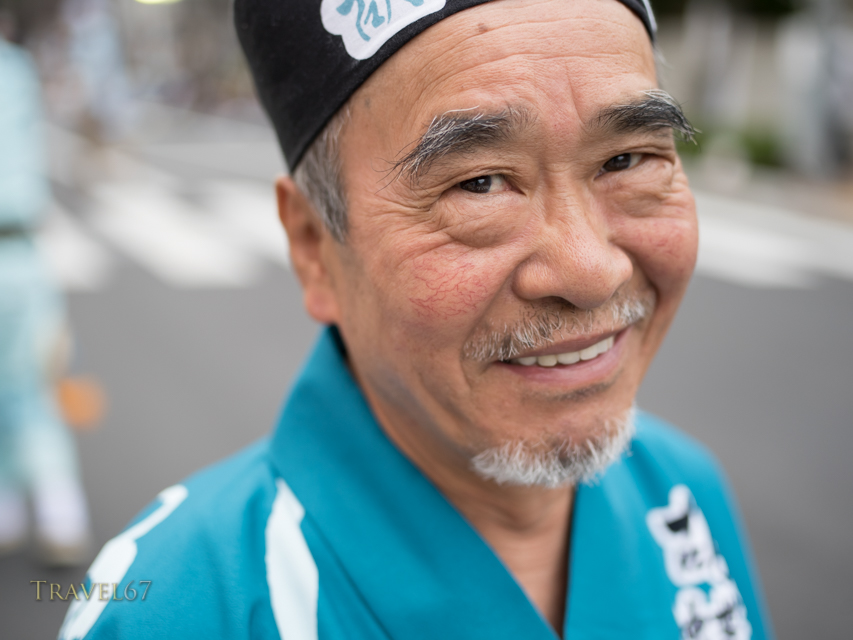
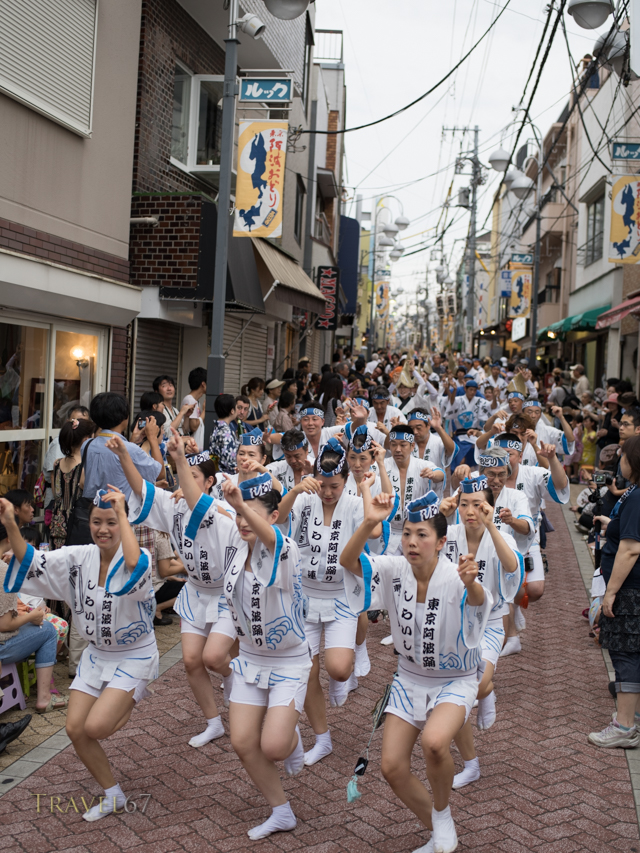
Koenji Awa Odori, Tokyo
Koenji Awa Odori, held in Koenji at the end of August, is Tokyo’s version of the Tokushima City Awa Odori dance festival.
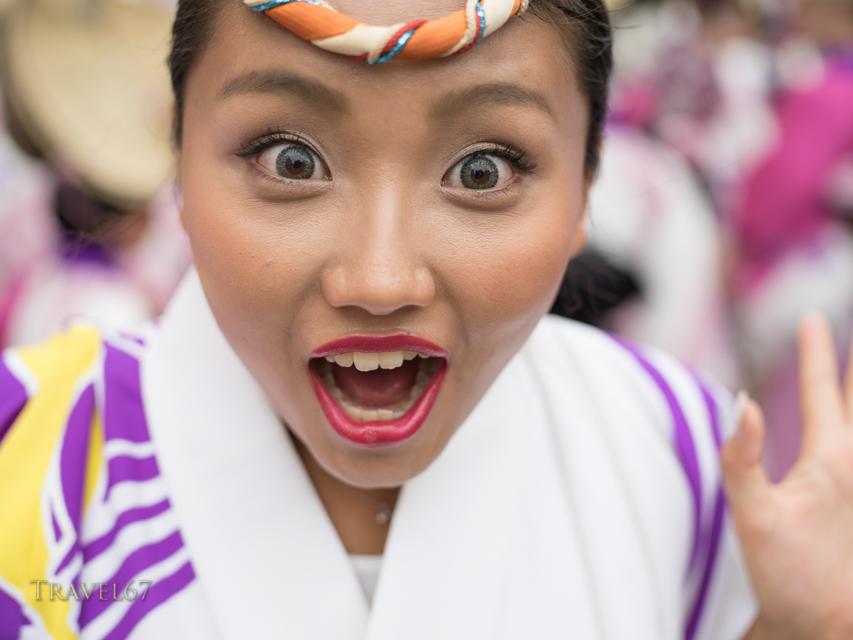
Koenji Awa Odori, Tokyo
The dances are similar, but the overall feeling is very different. The performers at the Koenji Awa Odori wind their way along narrow streets, the sidewalks packed with spectators. Only in certain section are they on larger roads where they can spread out.

Koenji Awa Odori, Tokyo
Taking photographs was easy enough as the dancers awaited the start.
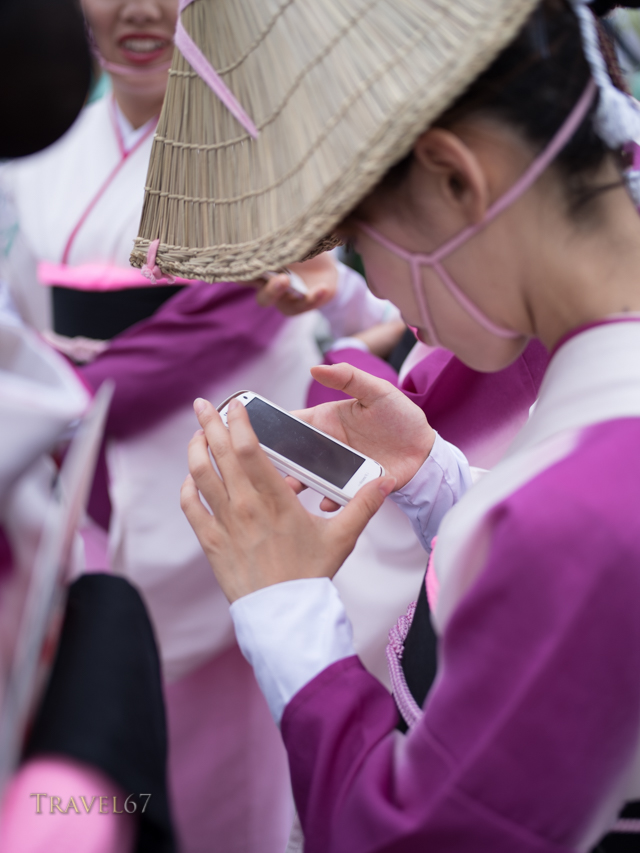
Koenji Awa Odori, Tokyo
Things were trickier when the dancing began as the number of spectators make it difficult to move from one position to another.
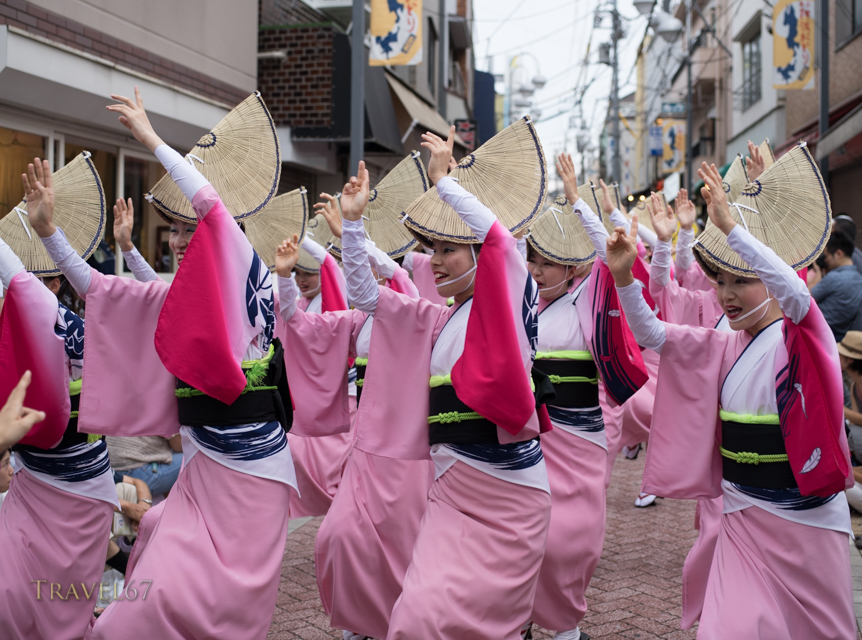
Koenji Awa Odori, Tokyo
Overall, an interesting event, especially for those who can’t make it all the way to Shikoku.
Koenji Awa Odori, Tokyo

Koenji Awa Odori, Tokyo

Maman
Maman is a bronze, stainless steel, and marble spider sculpture by the artist Louise Bourgeois. It sits at the base of the Mori Tower in Roppongi, Tokyo.
Not for arachnophobes.
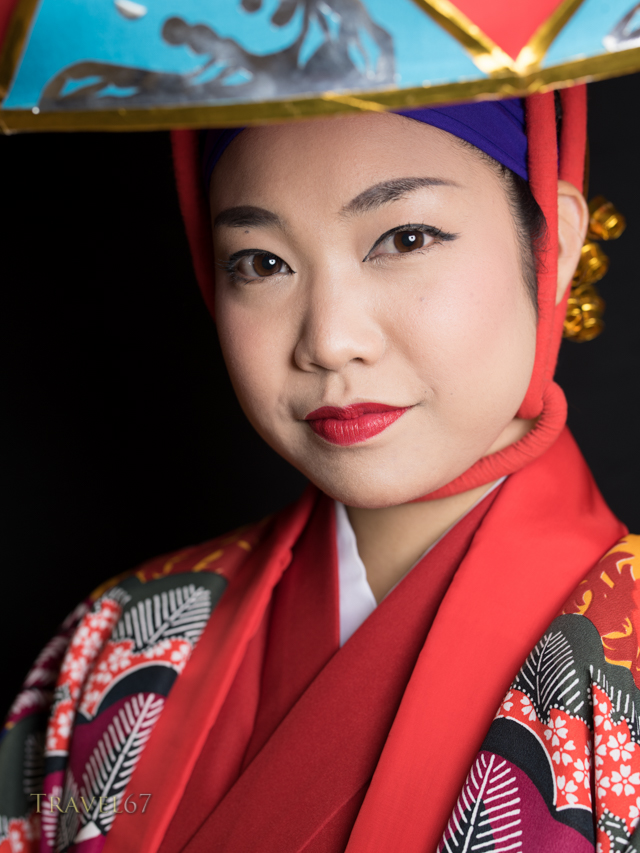
Ryukyu Dancer in Yotsutake performance costume.
Ryukyu Dancers wearing flower-shaped bamboo hats and Bingata kimono prepare for the Yotsutake dance as part of the performance of “a Cirque ~ Clown Macbeth” at the National Theatre Okinawa.
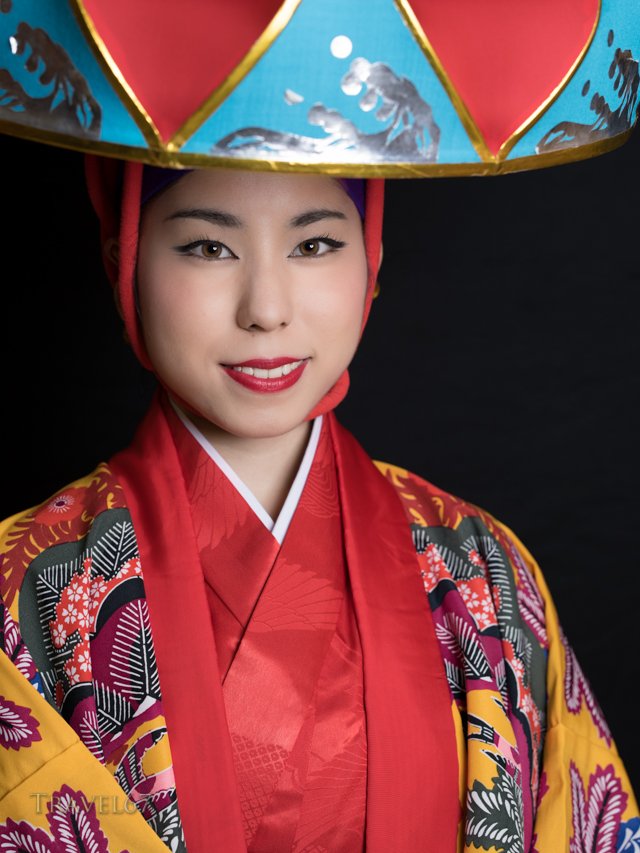
Ryukyu Dancer in Yotsutake performance costume.
I have just realized it’s the National Theatre Okinawa not the National Theater Okinawa. Usually in Japan, the American spelling of words is more common. Does the use of theatre rather than theater show that the Japanese performing arts see themselves closer to British rather than American traditions.
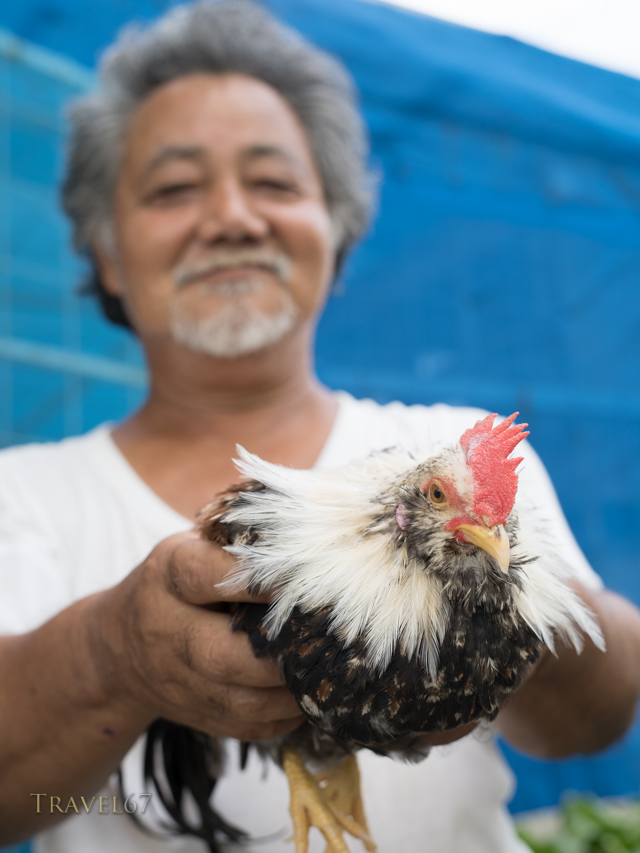
Iha-san with his chan chickens チャーン
While taking Bear for a walk, I saw an Okinawan man feeding his chickens. I stopped and had a little chat with him. A couple of hours later, I returned with my camera to get a few pics.

Iha-san with his chan chickens チャーン
Iha-san is 60 and his hobby is looking after his chickens. Many of them are breeds that are only found in Okinawa and called Chan ( チャーン ) Some of his chickens have won awards at the local singing competitions. He showed me photos of him standing with a chicken under one arm, and a trophy in the other.
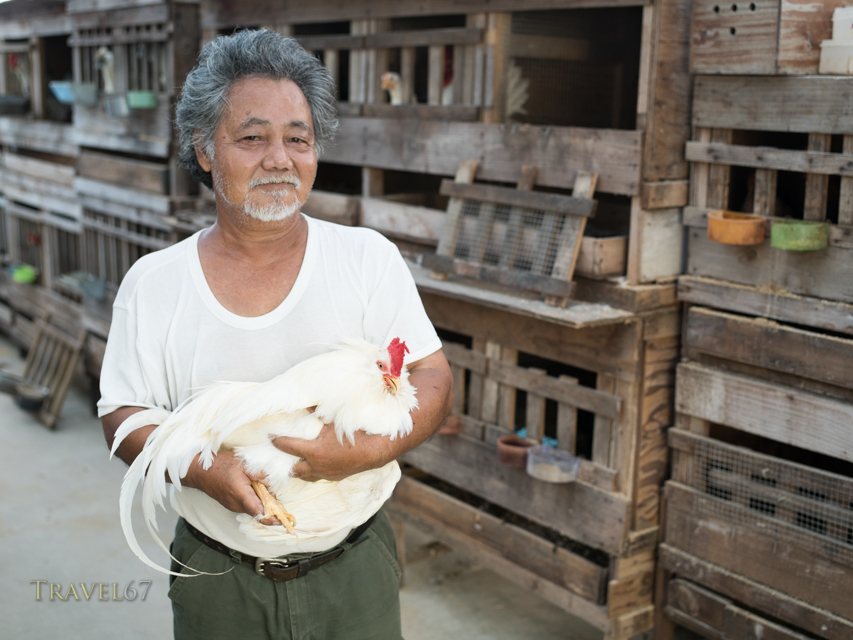
Iha-san with his chan chickens チャーン
I’ve never been to a singing competition for chickens, but I’ll add it to my list of things to do. Which reminds me, Japanese chickens say kokekoko rather than cock-a-doodle-doo.
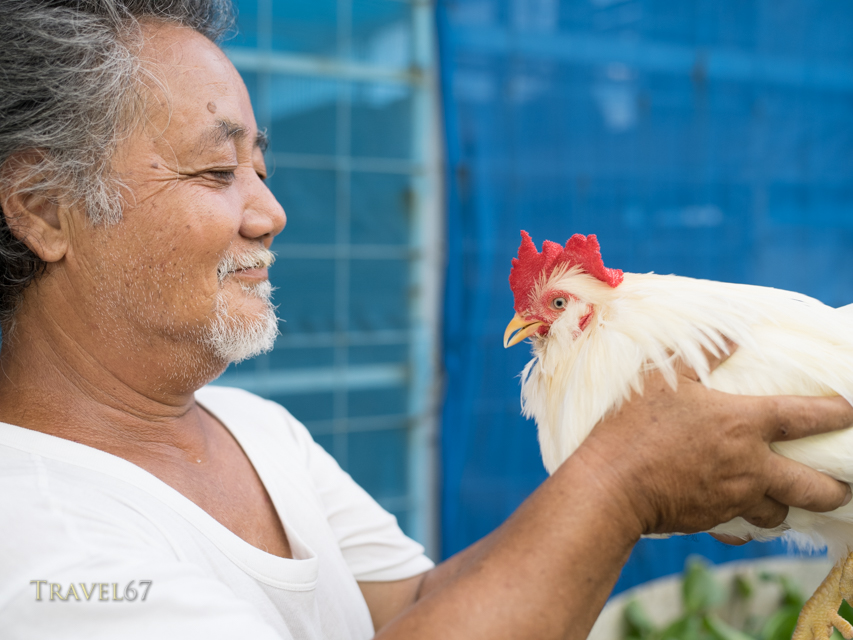
Iha-san with his chan chickens チャーン
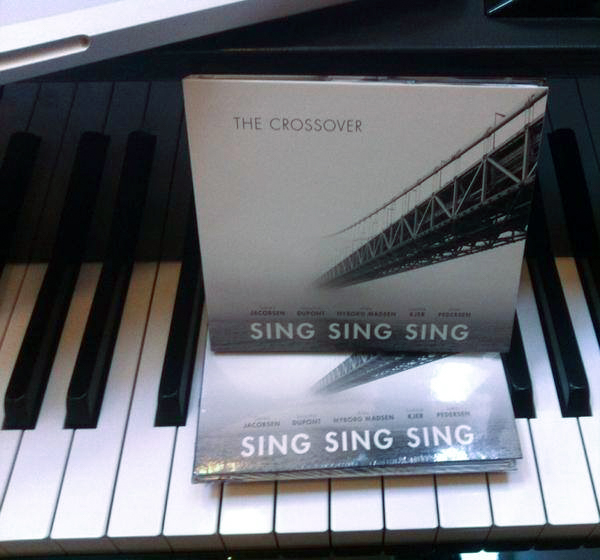
Sing Sing Sing – The Crossover
On September 29th, Danish band Sing Sing Sing will release their new album The Crossover. Great music, and the group chose my Into the Mist photograph of Akashi Kaikyo Ohashi for the CD cover.
Fantastisk!
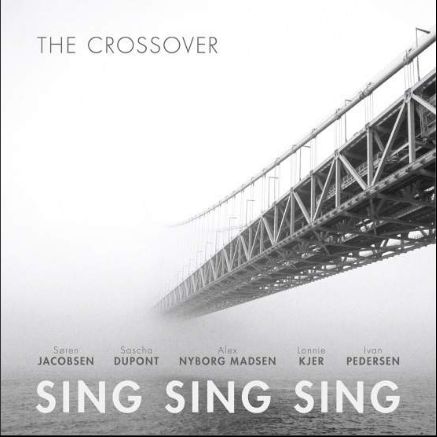
Sing Sing Sing – The Crossover
If you’d like a print of this image in color (or B&W on request) check out some of the prints I have available on the TRAVEL67 website.
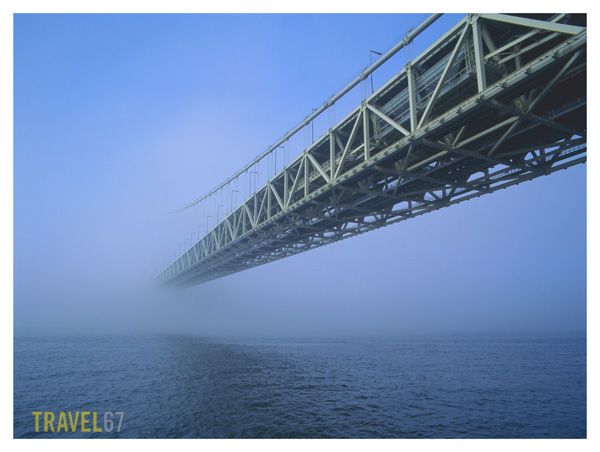
Into the Mist – Limited Edition A2 and A3 prints available from TRAVEL67.com
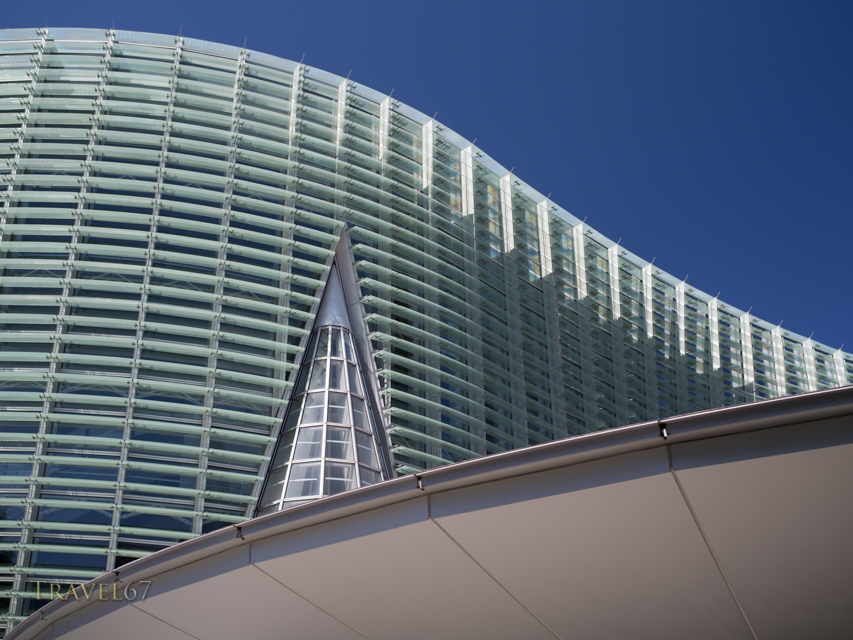
The National Art Center, Tokyo,
The National Art Center in Roppongi, Tokyo. Designed by architect Kisho Kurokawa. Lovely.
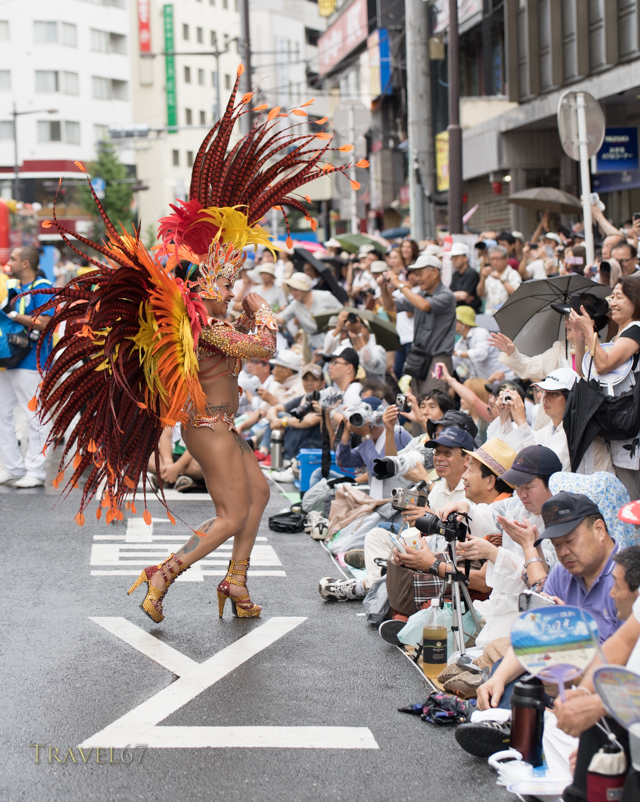
Asakusa Samba Festival, Tokyo
Dancing in the streets at the 33rd Asakusa Samba Festival in Tokyo. 22 teams including local Japanese and Brazilians bring Samba to the roads around Asakusa Shrine.
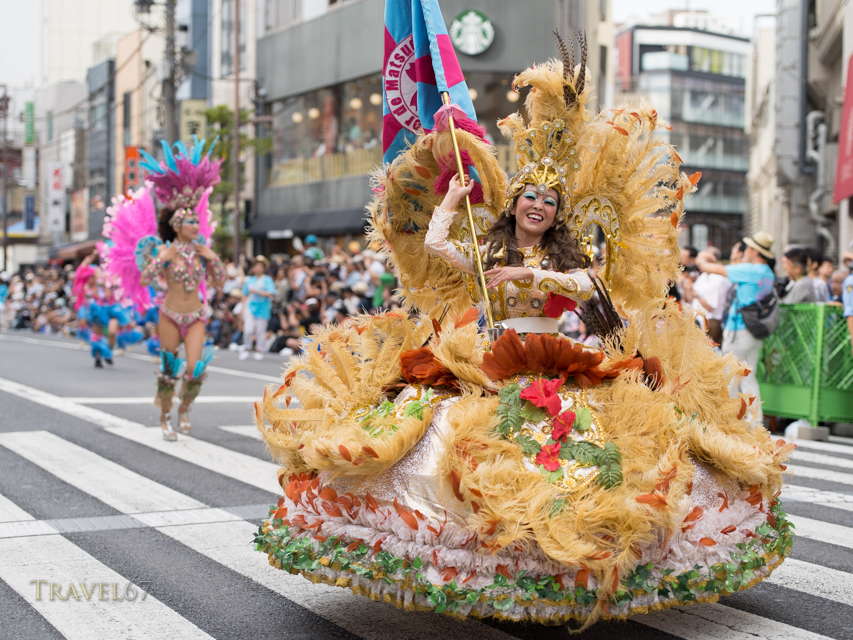
Asakusa Samba Festival, Tokyo
The event is watched by around 500,000 spectators so the streets do get a little crowded.

Asakusa Samba Festival, Tokyo
Some participants went with the iconic sparkly Carnival outfits, while others wore costumes more representative of their region in Japan. This is why you have dancing okonomiyaki.

Asakusa Samba Festival, Tokyo
Overall, a fun event, very different from the traditional religious festivals that I usually cover. Maybe I should start checking out the prices of flights to Rio.
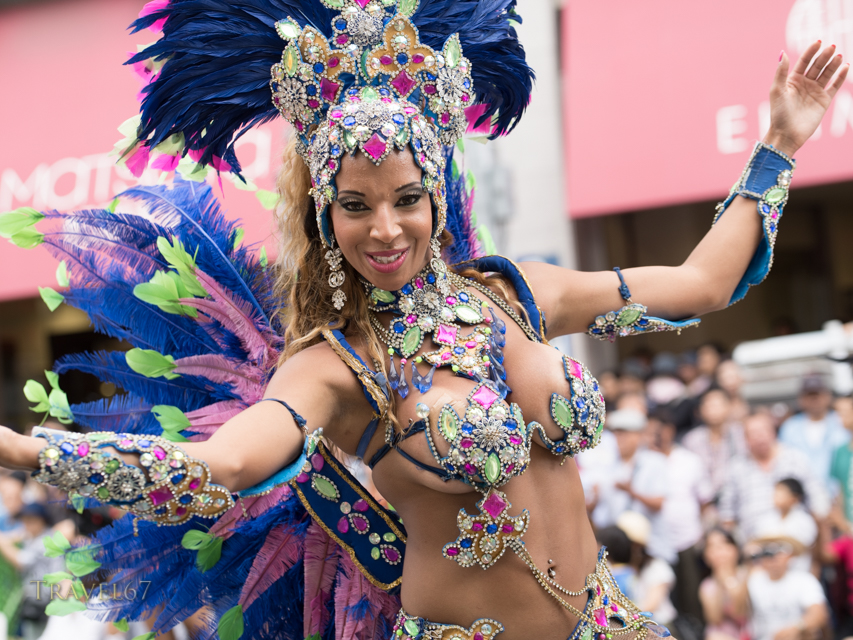
Asakusa Samba Festival, Tokyo
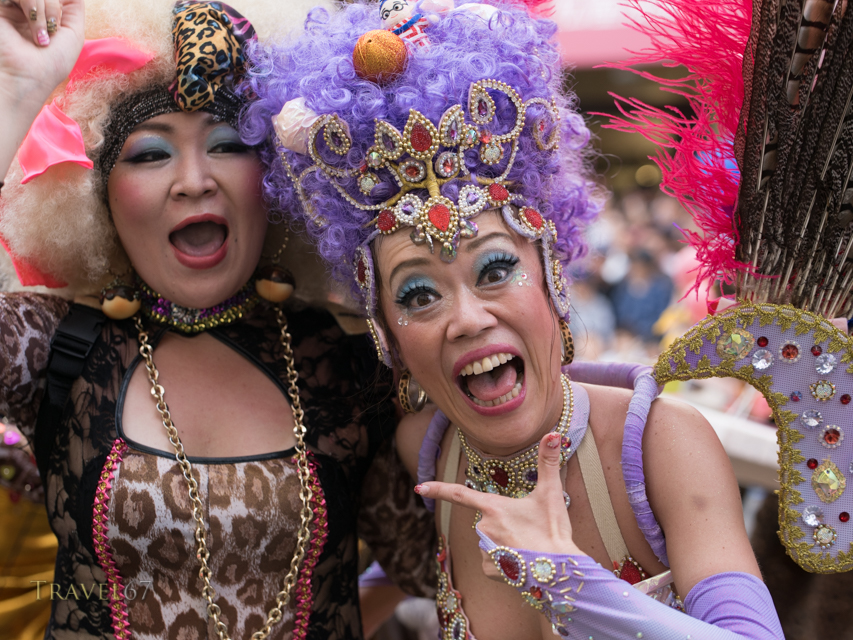
Asakusa Samba Festival, Tokyo

Asakusa Samba Festival, Tokyo
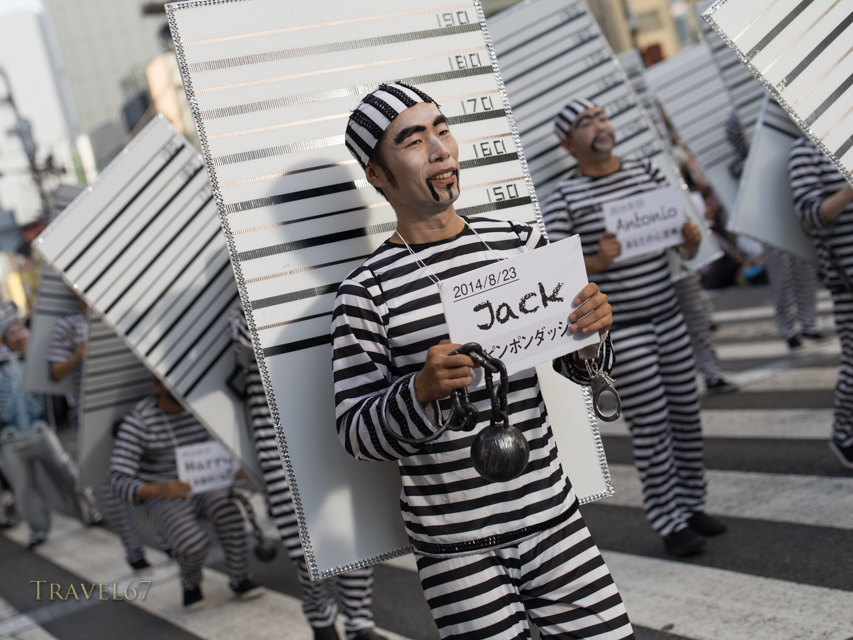
Asakusa Samba Festival, Tokyo

Asakusa Samba Festival, Tokyo

Fuji Television Studios Building, Odaiba, Tokyo
Fuji Television Studios Building, Odaiba, Tokyo designed by Japanese architect Kenzo Tange.
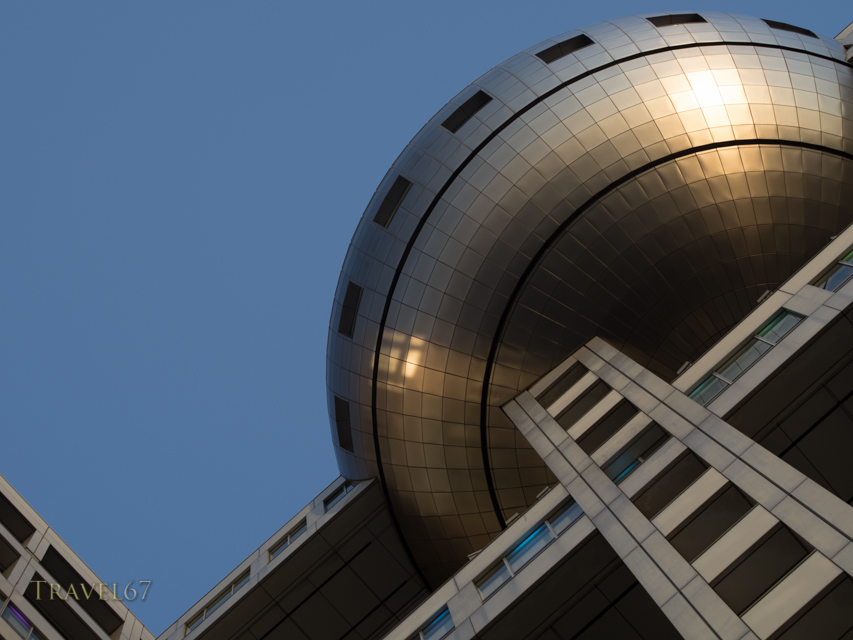
Fuji Television Studios Building, Odaiba, Tokyo
Photographed using the Pentax 645Z with 25mm and 90mm lenses, with polarizer.
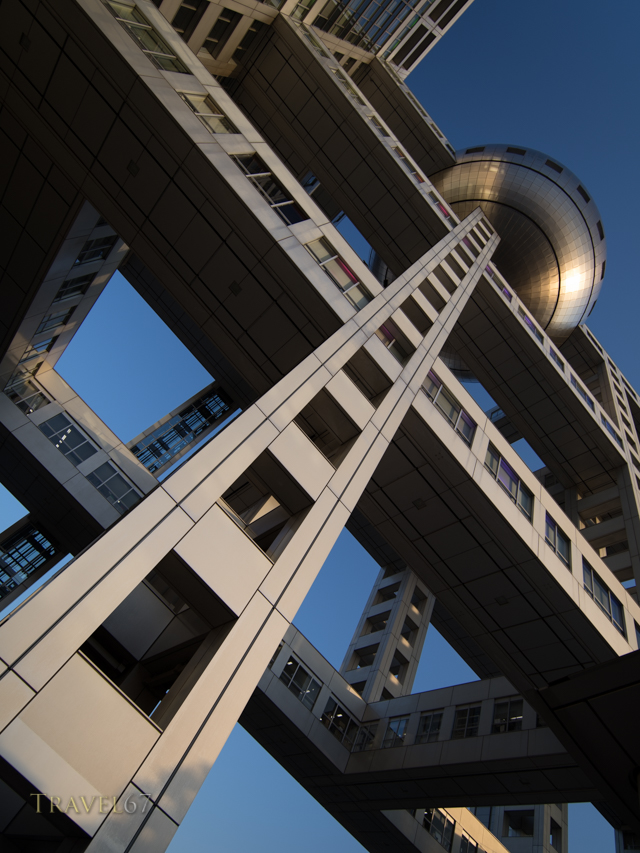
Fuji Television Studios Building, Odaiba, Tokyo
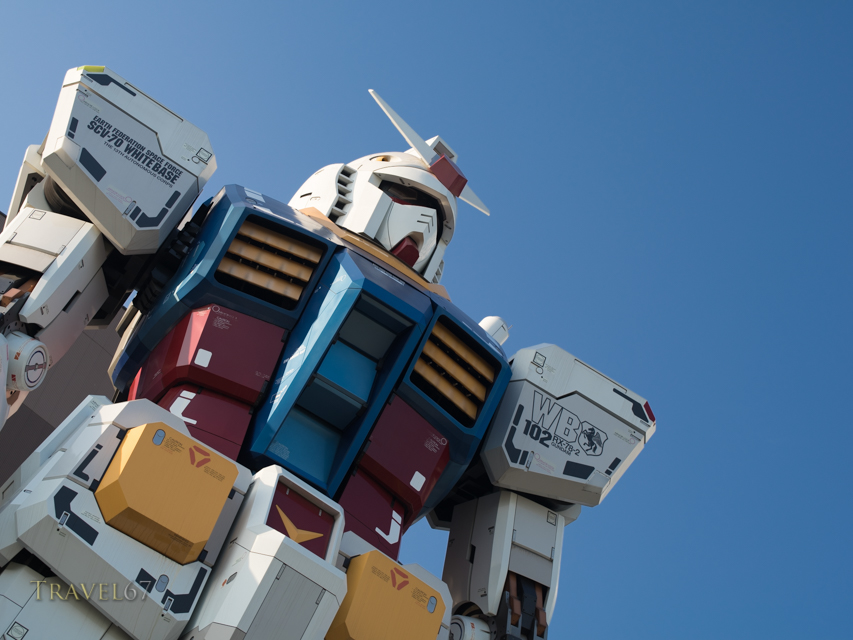
Gundam Statue, Odaiba, Tokyo
There’s an 18-meter Gundam statue in front of DiverCity Tokyo Plaza, Odaiba, Tokyo.
I know nothing about Gundam, so I shall turn to Wikipedia.
The Gundam Series (ガンダムシリーズ ) is a metaseries of space opera anime created by Sunrise studios that features giant robots (or “mecha”) called “Mobile Suits” (MS); usually the protagonist’s MS will carry the name “Gundam.”
Sounds a bit like the giant robot suits in the very mediocre Pacific Rim movie. The statue was pretty impressive, and worth checking out if you’re visiting Odaiba.
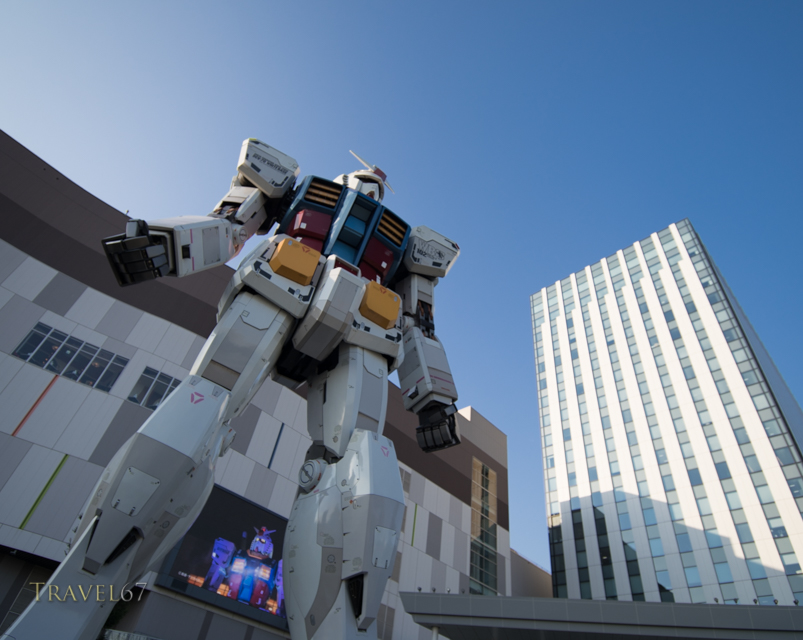
Gundam Statue, Odaiba, Tokyo

