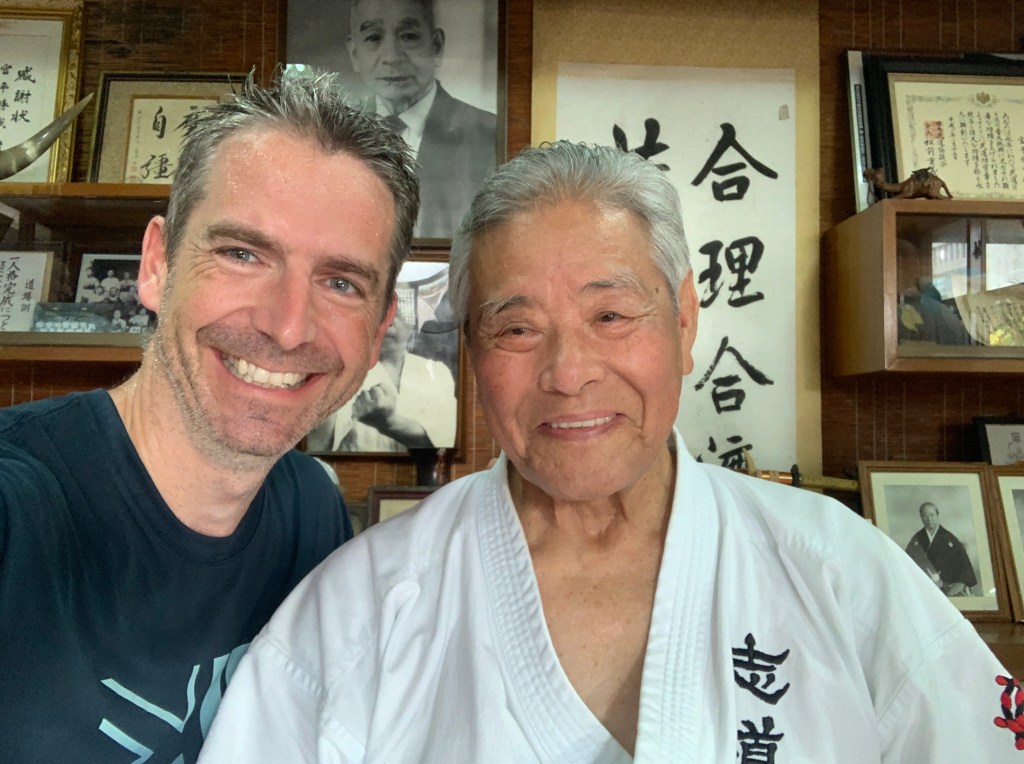
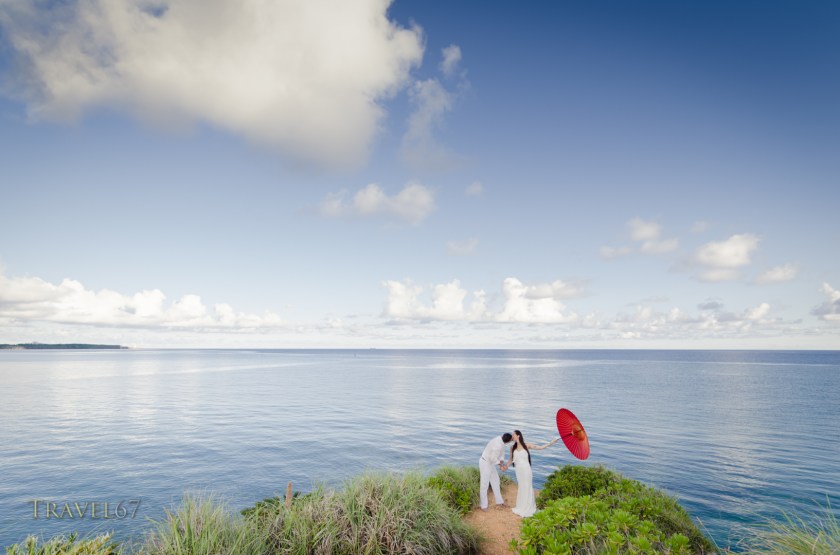
A couple of weeks ago I spent the day exploring the northern part of Okinawa known as Yanbaru. Here are a few snaps from a fun day out.
I joined a guided walk that meets up at the Yanbaru Visitors Center and “Road Station” that opened in February 2020. There’s a mini supermarket packed with local produce if you need to stock up with snacks before your hike, or to buy ingredients for dinner after your adventure.
A guided walk teaches you far more about the local flora and fauna than if you just treated the hike as a way to burn off calories.
The guide was able to spot numerous critters, and explain the names and special features of the many plants along the trail.
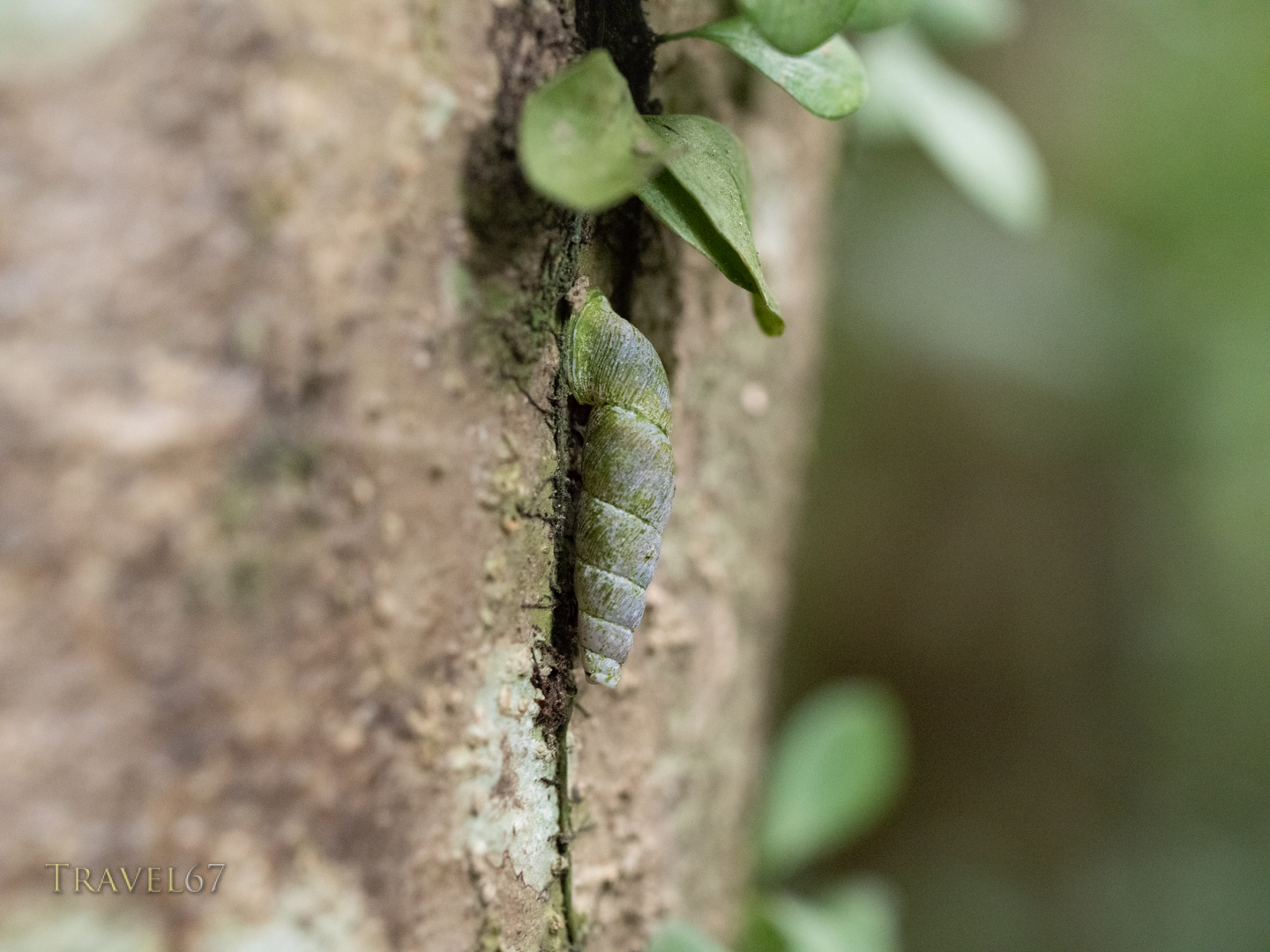
An interesting land snail possibly Yakuena species? Okinawa kiserugaiThe tree palm produces these unusual patterns each time one of the giant palm leaves falls from the stem. Learn more by using a local guide. My forest guide was Yuya Ishii.Looking out toward Okuma.
There was a good viewpoint from the summit on the trail looking out towards the Okuma Peninsular, and then we descended back down through the forest.
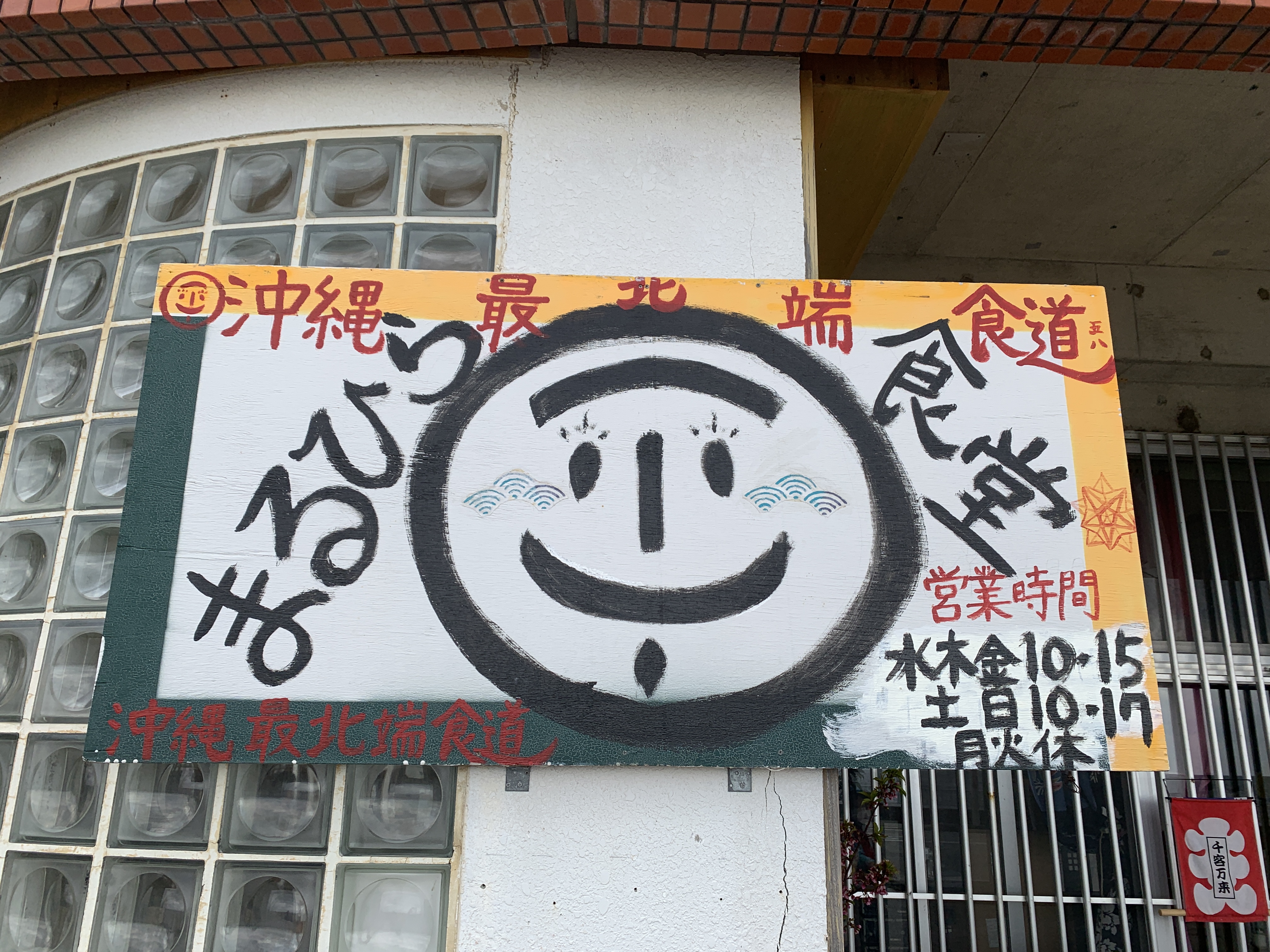
We stopped for lunch at Maruhira restaurant while heading north on the west coast. If you contact the restaurant in advance they can prepare a vegan lunch menu which is delicious and cheap. (Call Taira-san on 070 5536 2802)
In the afternoon we took another short hike around Daisekirinzan the rocky trails in the national park just south of Cape Hedo.
My Yanbaru guide for the day Kemmochi-san
At Cape Hedo there is a fantastic new visitors center with an ocean-view cafe on the second floor. The cafe was closed on the day I went, presumably due to COVID-19 precautions at the moment, but looking forward to getting a coffee there on my next trip up north.
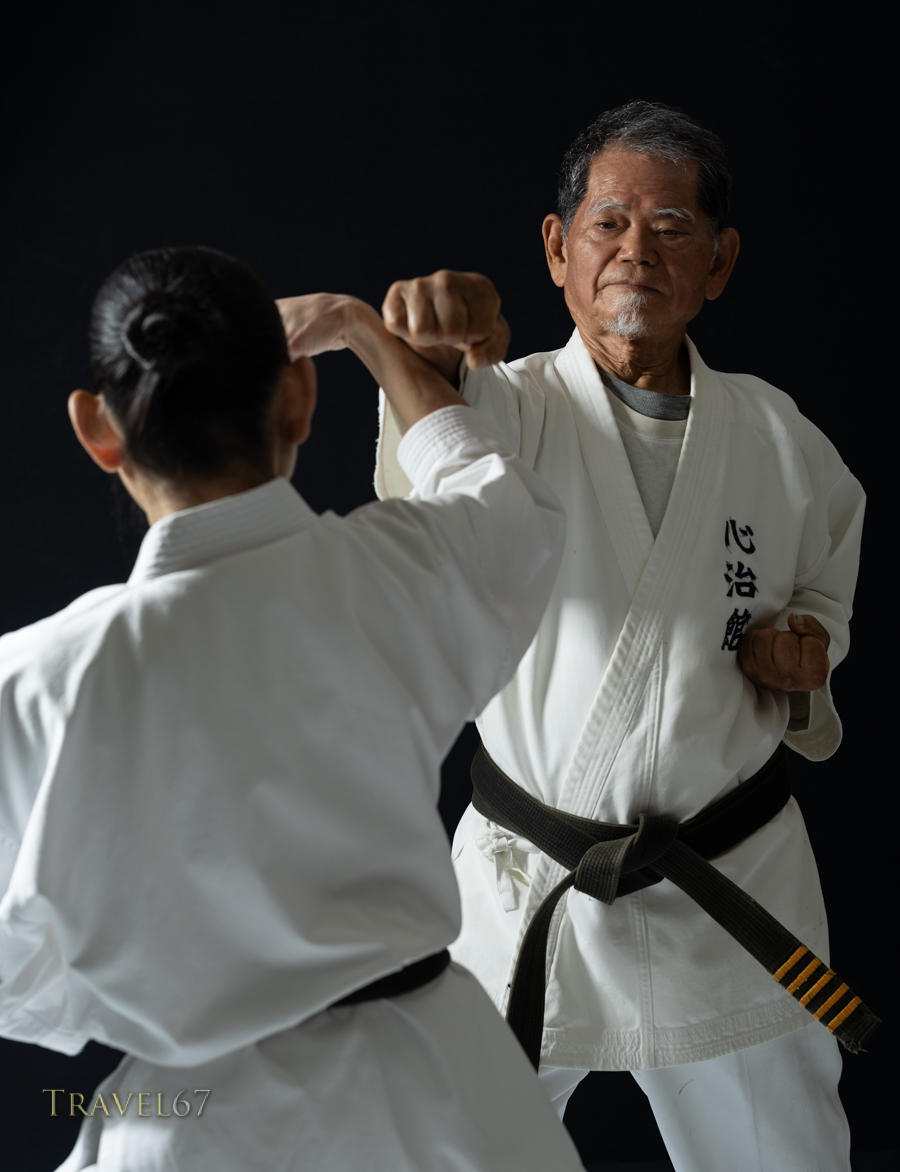
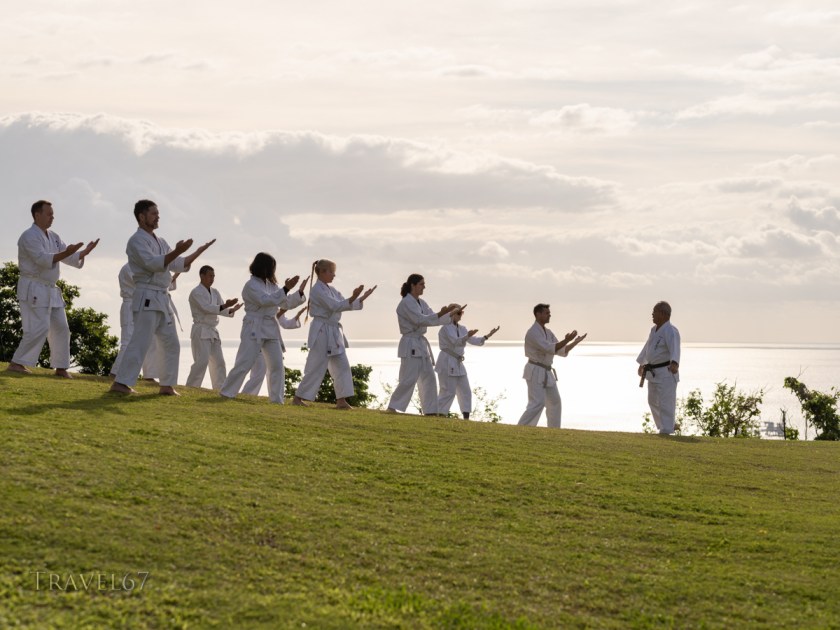
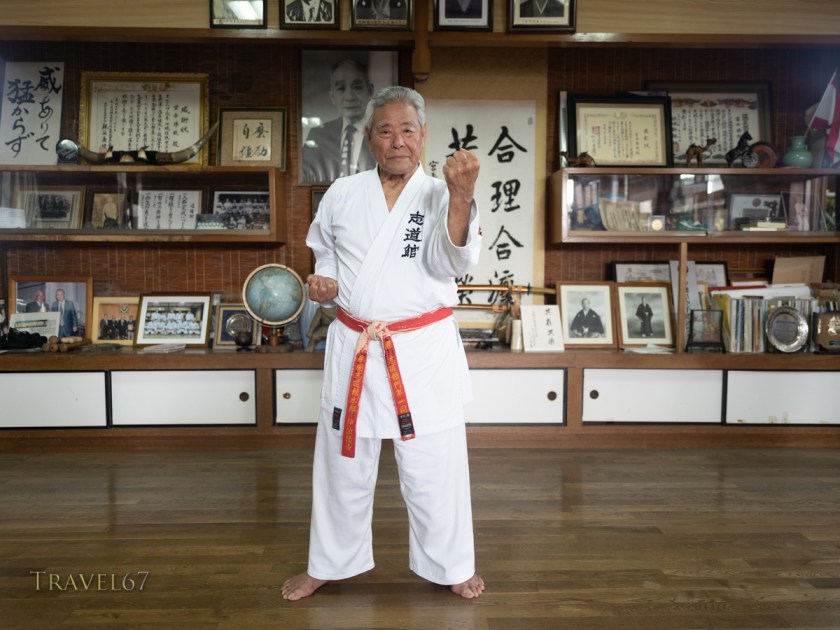
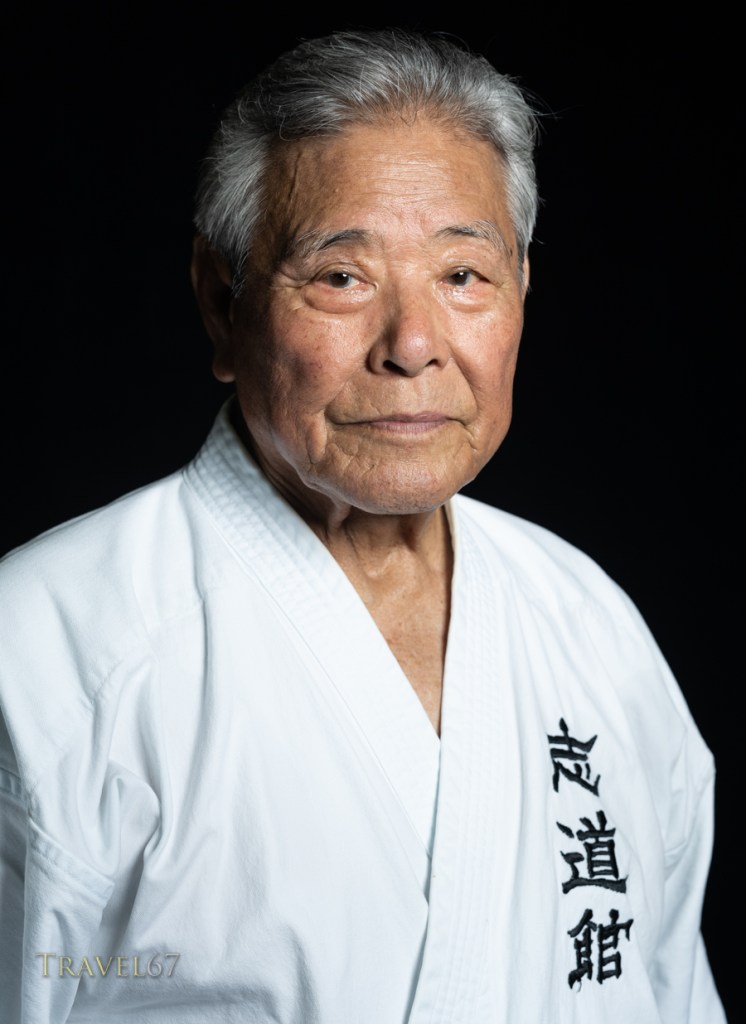
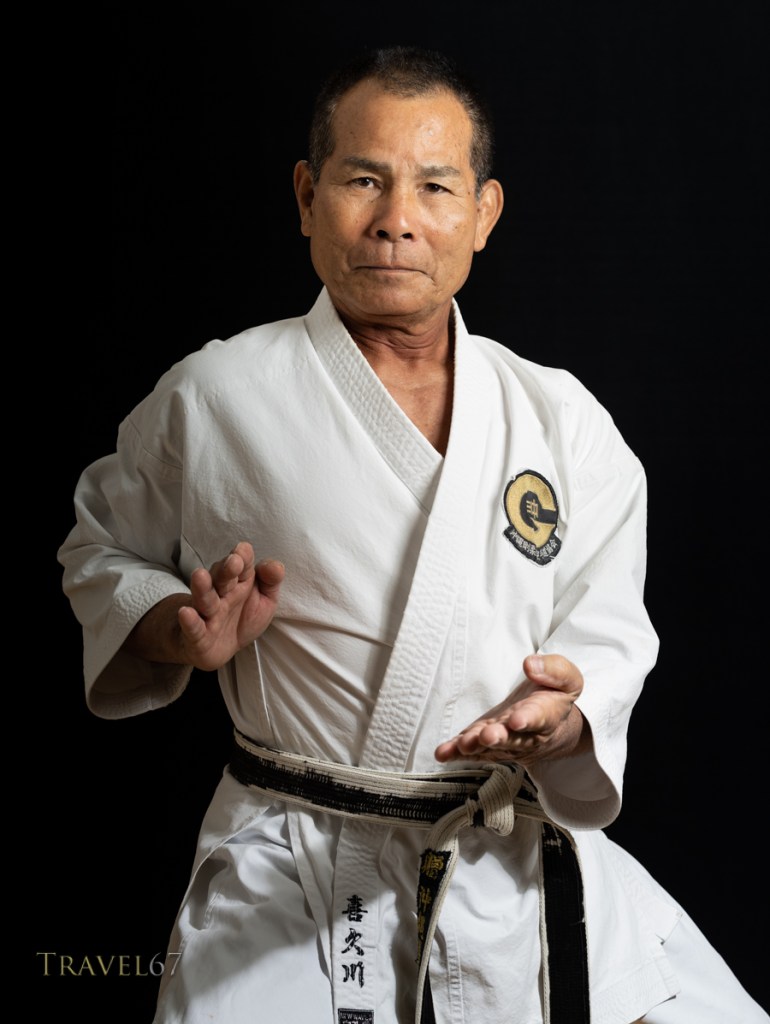
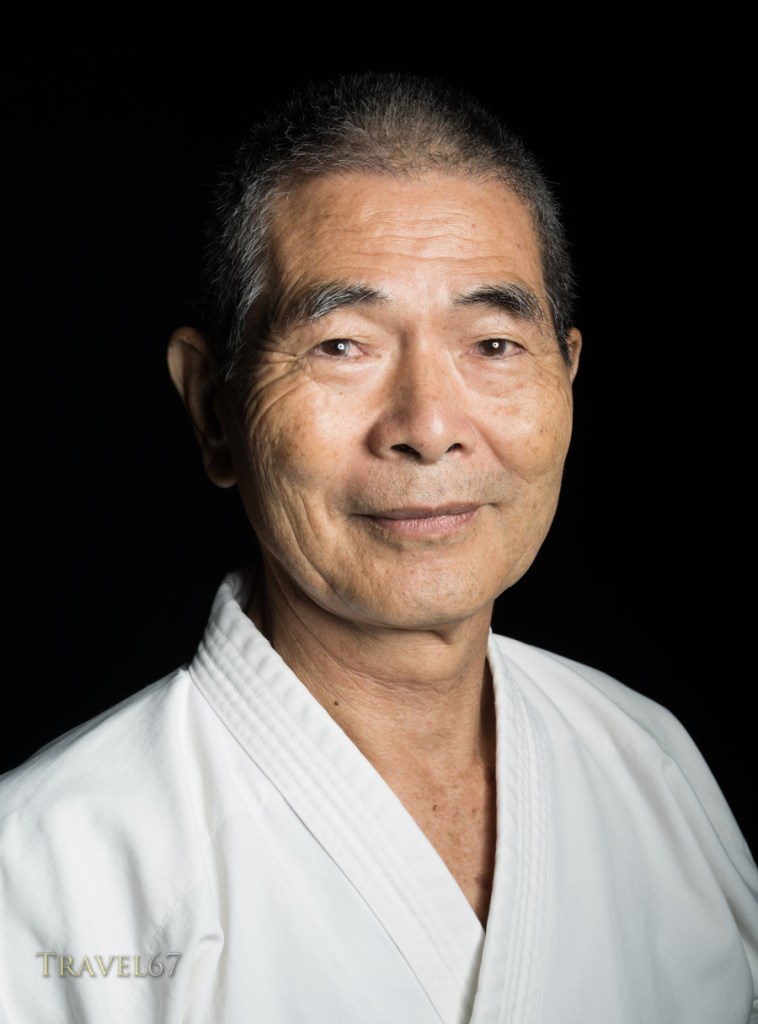
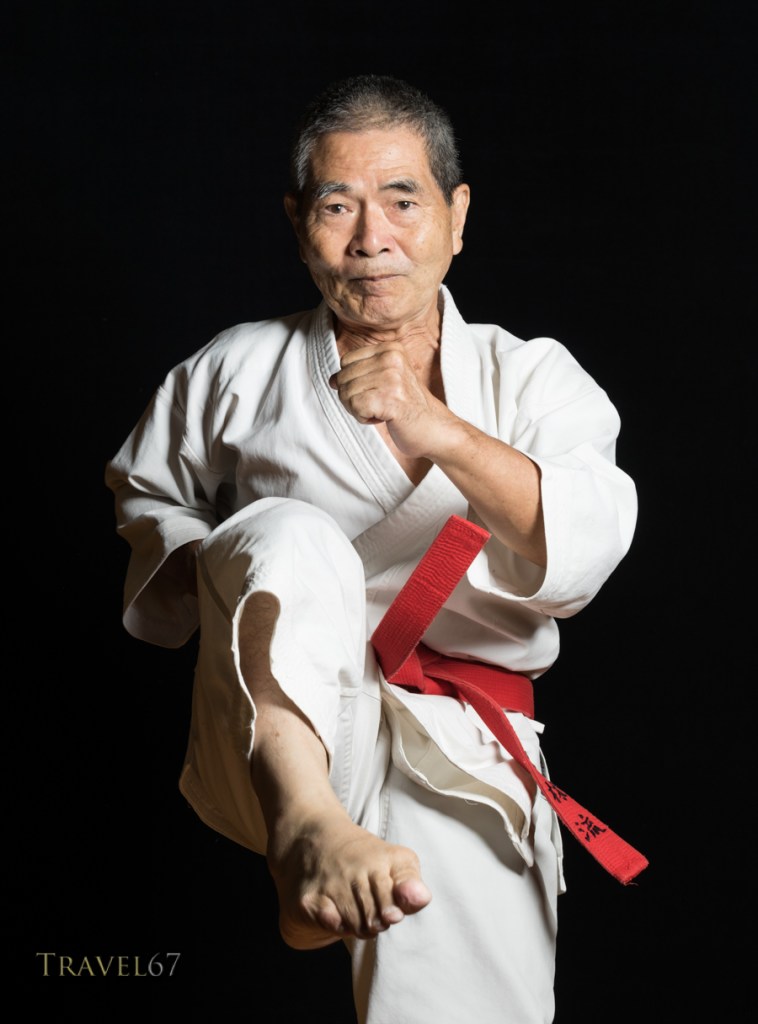
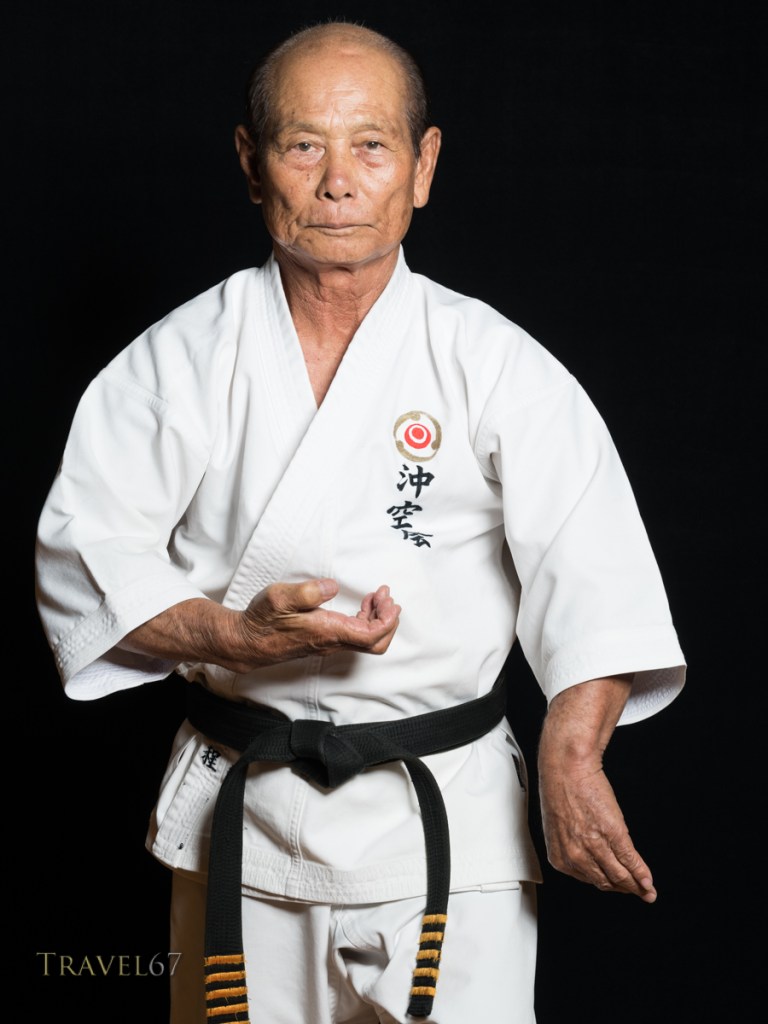
On December 19th, 2020, James and I visited the dojo of Zenshu Toyama, in Awase, Okinawa. Toyama Sensei is 10th-dan, Goju-ryu Karate, and one of the style’s most senior practitioners. We photographed Toyama Sensei in October 2013, but on this day we returned to interview him for Episode 12 of the Sensei: Masters of Okinawan Karate documentary series. As it had been 7 years since our previous visit, we also shot some new portraits.
Zenshu Toyama, 10th-dan, Goju-ryu Karate
當山 全秋 範士十段 剛柔流空手 Photographed December 19th, 2020 at his dojo in Awase, Okinawa.Zenshu Toyama, 10th-dan, Goju-ryu Karate
當山 全秋 範士十段 剛柔流空手 Photographed December 19th, 2020 at his dojo in Awase, Okinawa training with his daughter Hideko Toyama 7th danZenshu Toyama, 10th-dan, Goju-ryu Karate
當山 全秋 範士十段 剛柔流空手 Photographed December 19th, 2020 at his dojo in Awase, Okinawa training with his student Scot Mertz 7th-dan.Zenshu Toyama, 10th-dan, Goju-ryu Karate
當山 全秋 範士十段 剛柔流空手 Photographed December 19th, 2020 at his dojo in Awase, Okinawa.Sensei: Masters of Okinawan Karate Episode 12 filming Zenshu Toyama, 10th-dan, Goju-ryu Karate 當山 全秋 範士十段 剛柔流空手 at his dojo in Awase, Okinawa. (Photo by Scot Mertz.)
Our goal is that Episode 11 with Oshiro Sensei will be released in February 2020 and then Episode 12 with Toyama Sensei will be released in March or April 2020.
Thank you to Toyama Sensei, his daughter Hideko Toyama, Scot Mertz and Andy Sloane for their assistance on the day of the shoot.
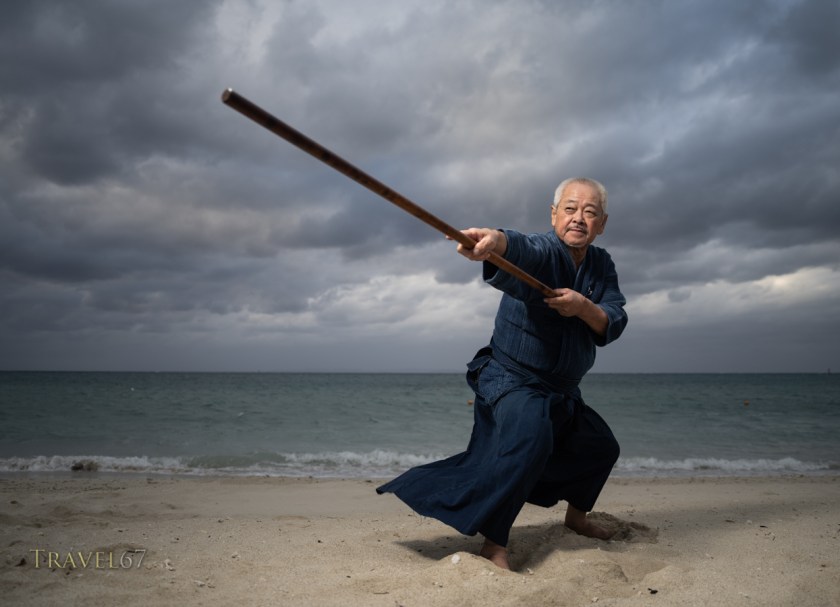
Last Saturday, I photographed Toshihiro Oshiro, 9th dan Shima-Ha Shorin-Ryu karate, 8th dan Yamanni Chinen Ryu kobujutsu, for the Karate Masters Portrait Project. We shot the studio style portraits at his dojo in Itoman, and then yesterday photographed him again on his local beach. We also interviewed Oshiro Sensei for the Sensei: Masters of Okinawa Karate series, and the episode will be available on YouTube and Bujin.tv early next year.
Toshihiro Oshiro, 9th dan Shima-Ha Shorin-Ryu karate, 8th dan Yamanni Chinen Ryu kobujutsu. Photographed for the Karate Masters Portrait Project on 21st November 2020 at his dojo in Itoman, Okinawa.Toshihiro Oshiro, 9th dan Shima-Ha Shorin-Ryu karate, 8th dan Yamanni Chinen Ryu kobujutsu. Photographed for the Karate Masters Portrait Project on 21st November 2020 at his dojo in Itoman, Okinawa.Toshihiro Oshiro, 9th dan Shima-Ha Shorin-Ryu karate, 8th dan Yamanni Chinen Ryu kobujutsu. Photographed for the Karate Masters Portrait Project on 21st November 2020 at his dojo in Itoman, Okinawa.Toshihiro Oshiro, 9th dan Shima-Ha Shorin-Ryu karate, 8th dan Yamanni Chinen Ryu kobujutsu training with his student Kenshi Hirai. Photographed for the Karate Masters Portrait Project on 21st November 2020 at his dojo in Itoman, Okinawa.Toshihiro Oshiro, 9th dan Shima-Ha Shorin-Ryu karate, 8th dan Yamanni Chinen Ryu kobujutsu. Photographed for the Karate Masters Portrait Project on 21st November 2020 at his dojo in Itoman, Okinawa.Toshihiro Oshiro, 9th dan Shima-Ha Shorin-Ryu karate, 8th dan Yamanni Chinen Ryu kobujutsu. Photographed on Chura Sun Beach near his dojo in Itoman, Okinawa.Toshihiro Oshiro, 9th dan Shima-Ha Shorin-Ryu karate, 8th dan Yamanni Chinen Ryu kobujutsu. Photographed on Chura Sun Beach near his dojo in Itoman, Okinawa.
It was a real pleasure to hang out with Oshiro Sensei and his students. I got to learn some more fascinating aspects of Okinawan culture (use a light grip on the weapon), and the stormy weather conditions worked in our favor for photographs.
Episode 10 in the series Sensei: Masters of Okinawan Karate is now online on YouTube and on Bujin.tv
Jasmine and Gaja Sensei at the Dojo Bar, Okinawa.
Thank you to all those who helped film, edit, transcribe, translate, and check this episode. Thank you also to the sponsors and supporters of the series. If you’d like to learn more about the series, please click here.
Main Sponsors
Fusei Kise, Isao Kise and the OSMKKF-USA
Jerry Figgiani – Shorin Ryu Karate Do International
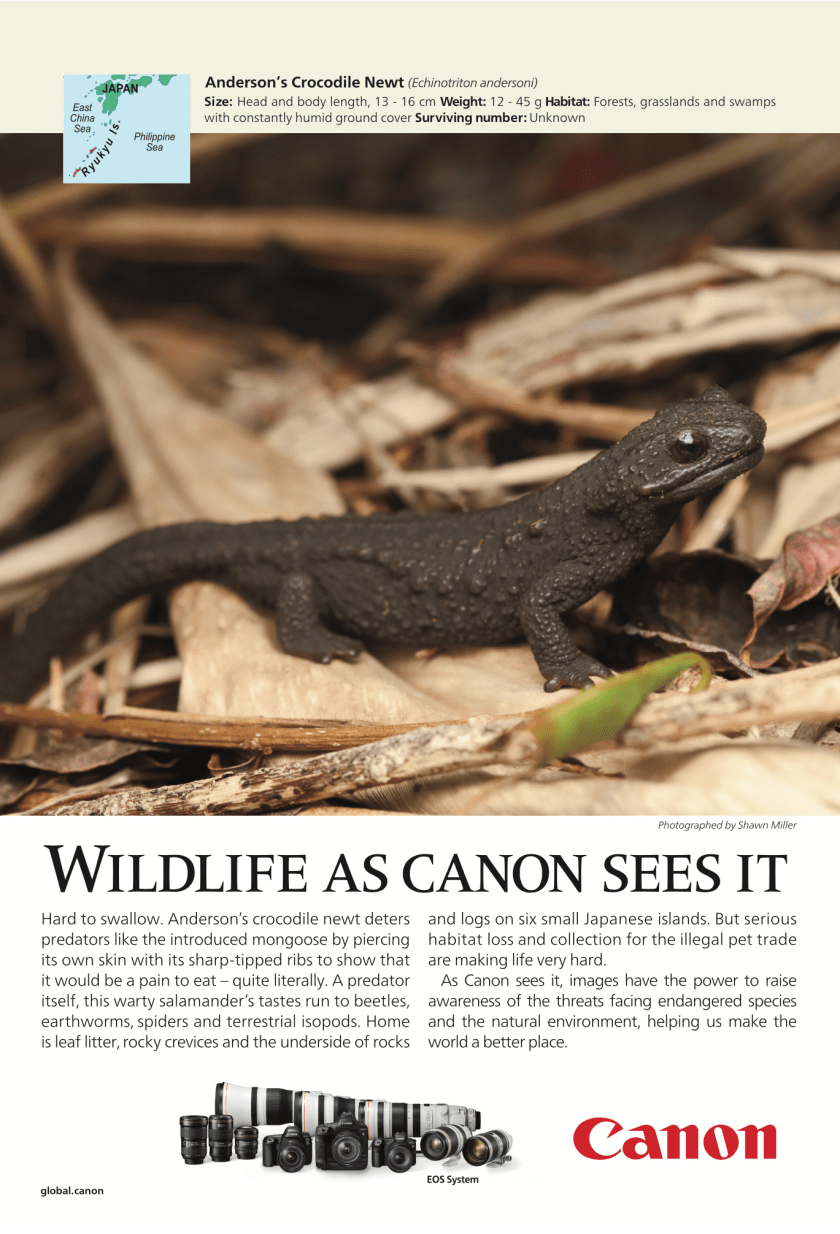
Anderson’s Crocodile Newt by Shawn Miller of Okinawa Nature Photography in the November 2020 issue of National Geographic.
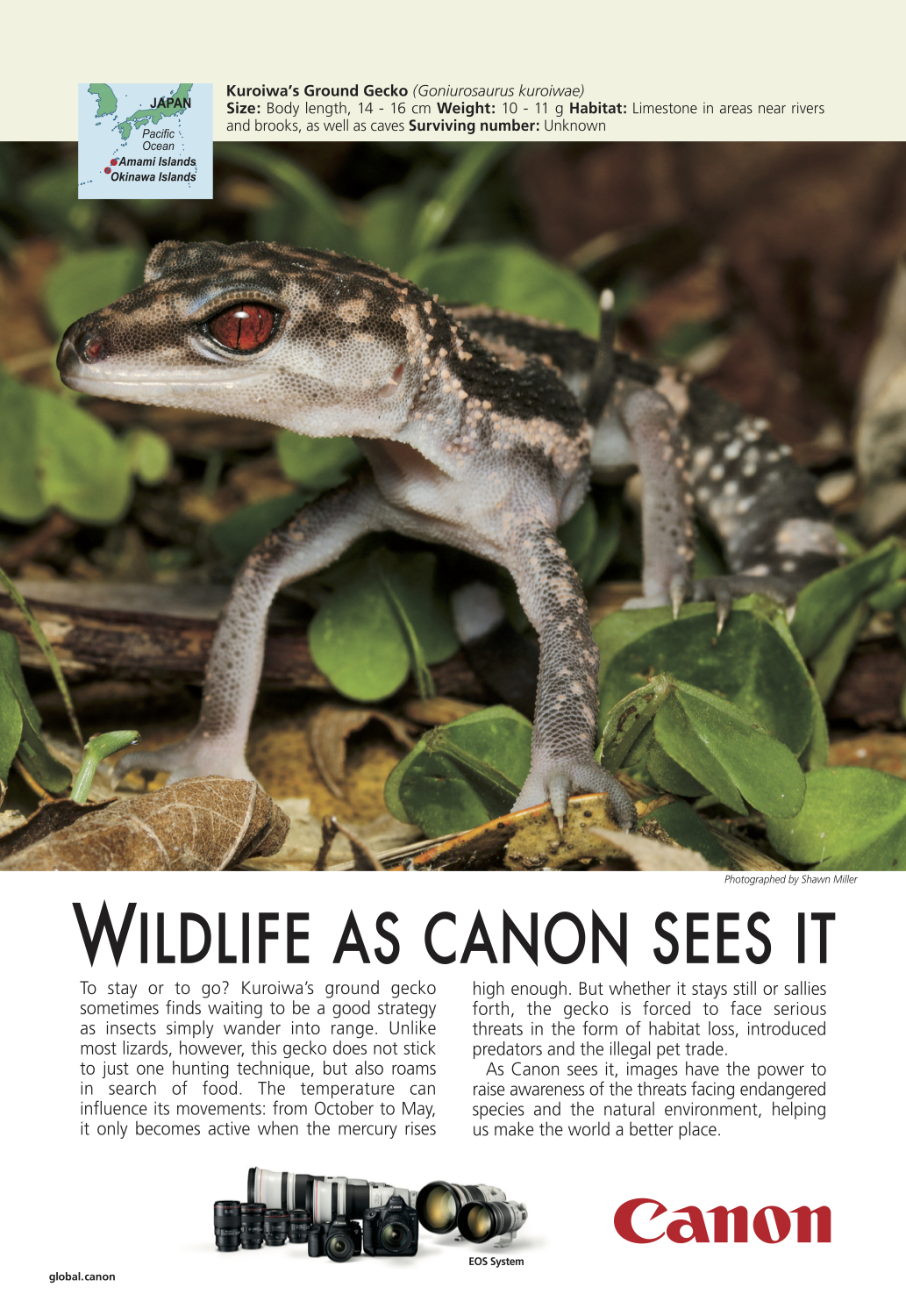
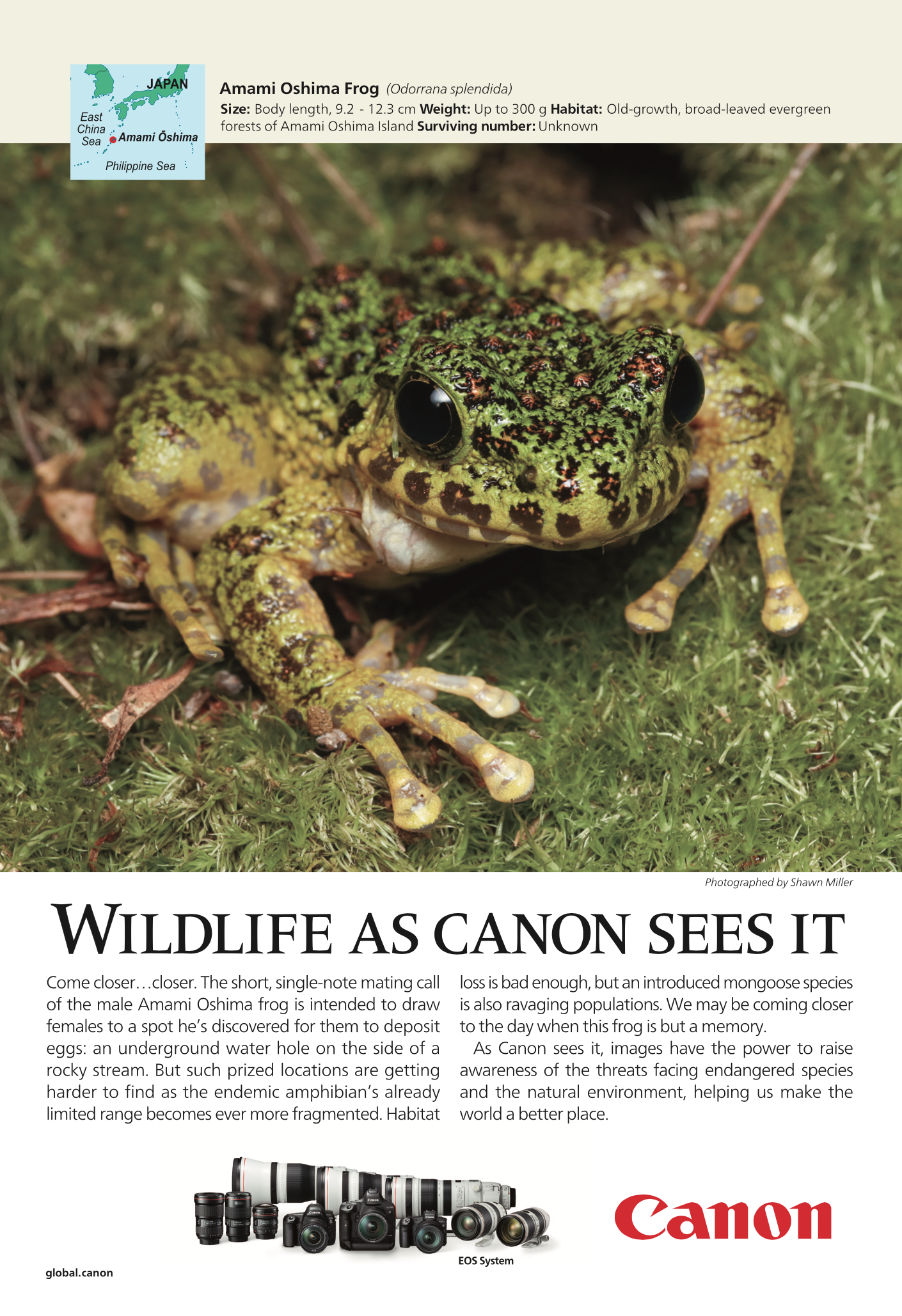
This post is to highlight the amazing work that photographer Shawn Miller is doing to document endangered Okinawan wildlife. Shawn has lived most of his life in Okinawa, and has dedicated himself to capturing its beauty and protecting its creatures.
It is a fantastic for Shawn to be able to get one of his images of Okinawan wildlife into this month’s National Geographic. The fact that the image is also selected by Canon to showcase what you can achieve with their equipment, is a great testament to Shawn’s skill.
For most, this would be a lifetime achievement, but this isn’t a first for Shawn. His photographs of Okinawan wildlife were used in May 2016, October 2017, and August 2019. When you consider that Canon could pick any photo, of any species, by any photographer in the world, the fact that four shots in less than five years were taken by Shawn is a massive achievement.
Photography by Shawn Miller in National Geographic May 2016Photography by Shawn Miller in National Geographic October 2017Photography by Shawn Miller in National Geographic August 2019
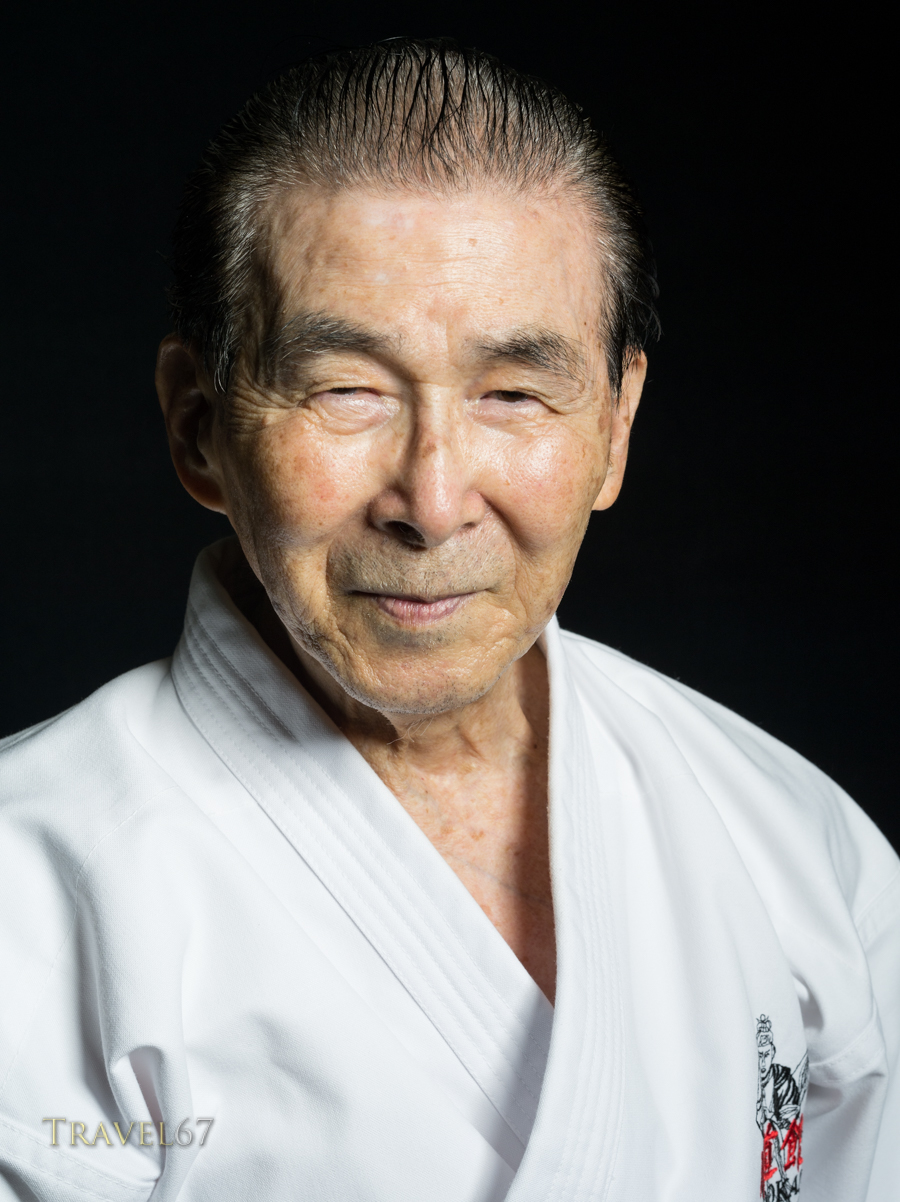
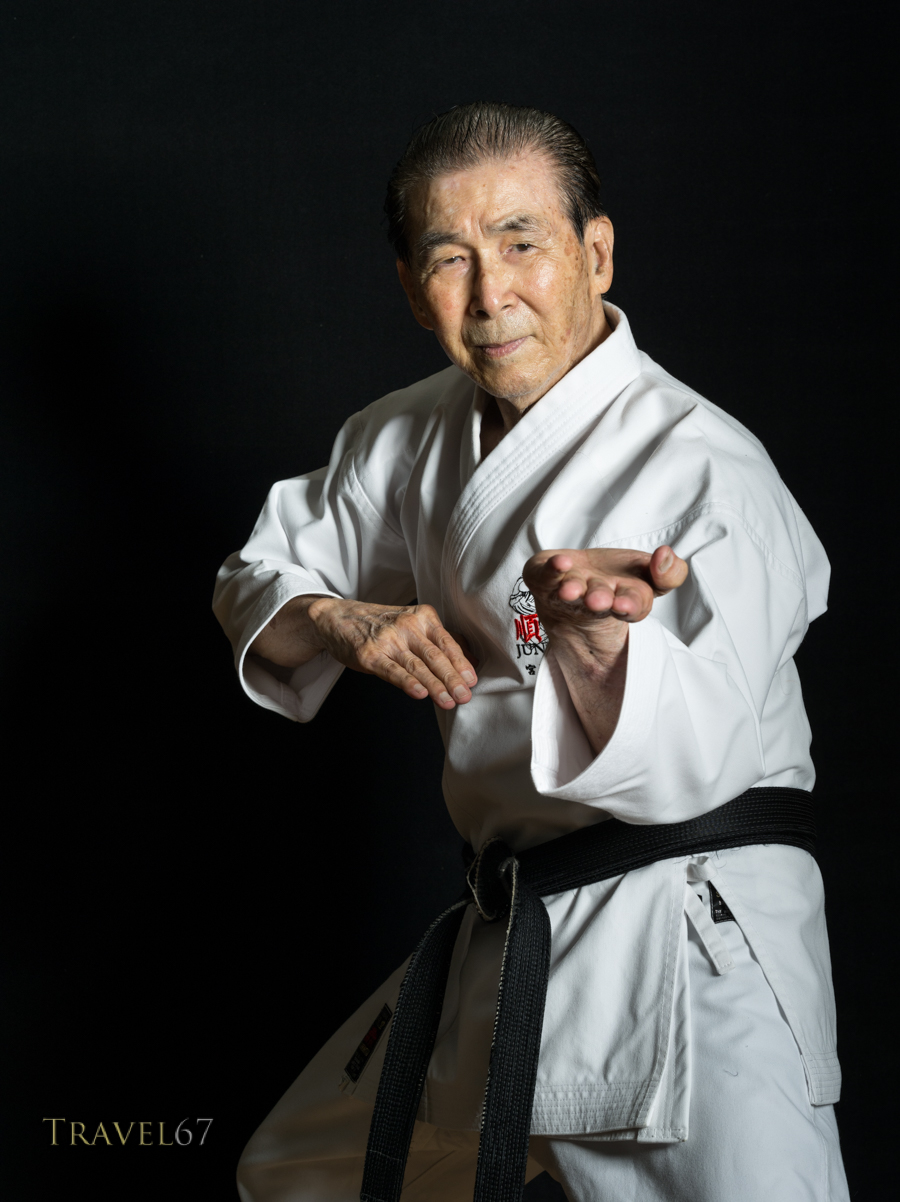
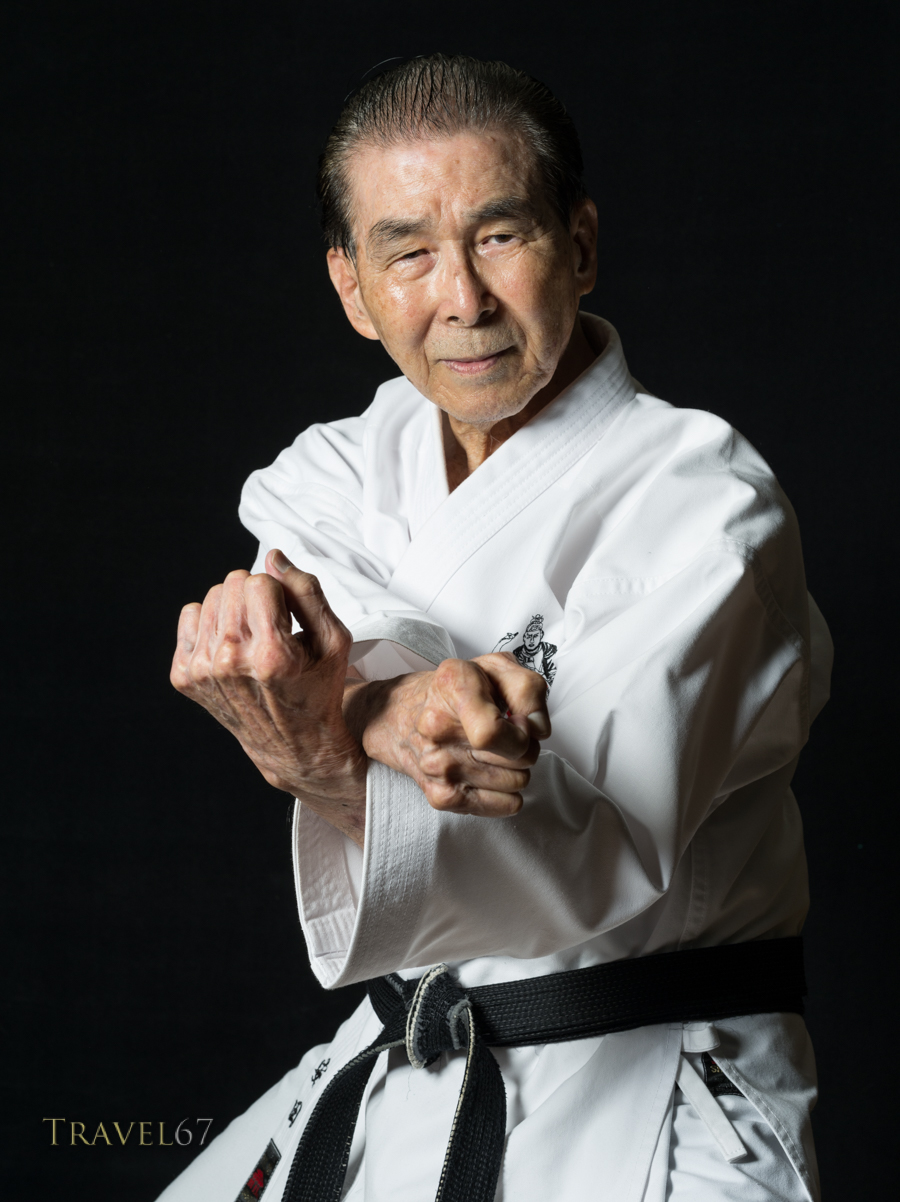
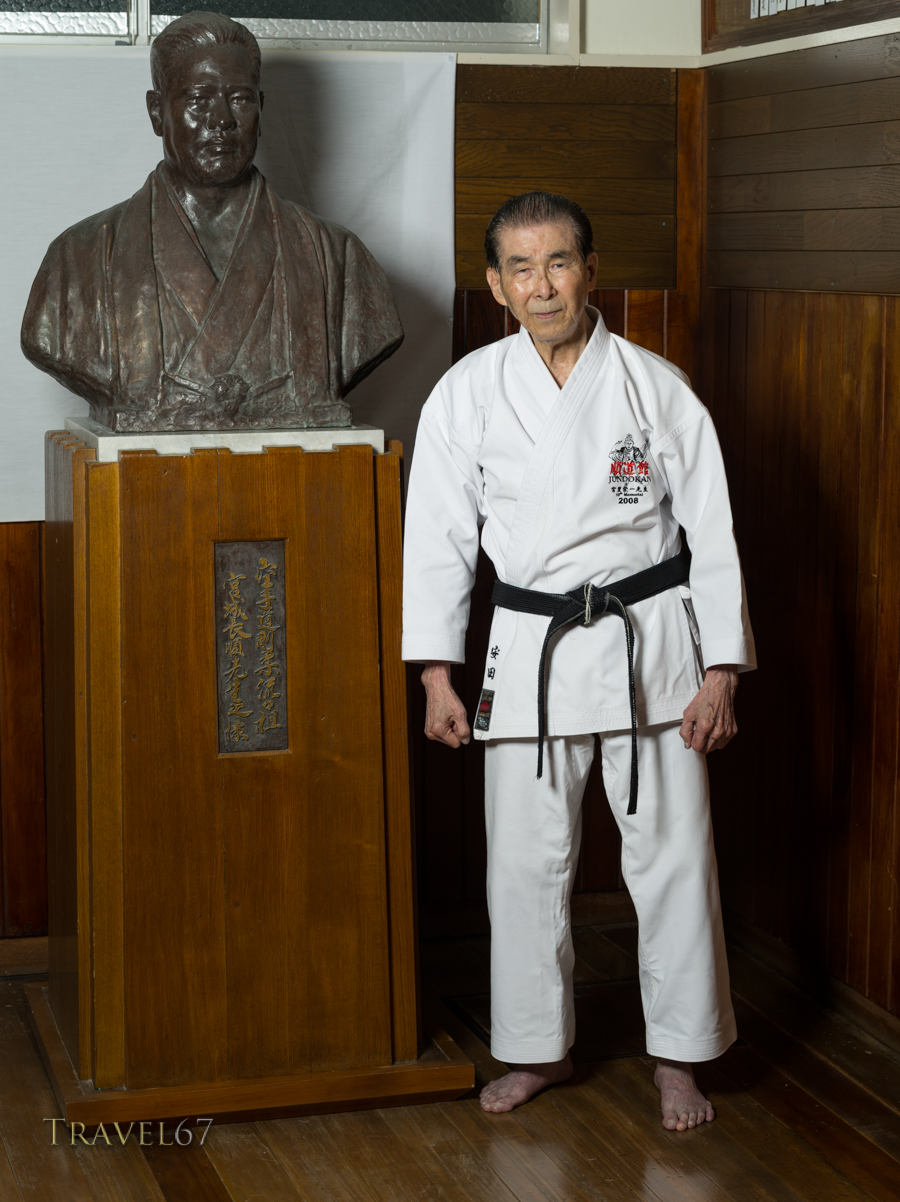
Yesterday, October 12th 2020, Tetsunosuke Yasuda passed away. A karate master and a true gentleman. I photographed him in 2014 when he was a sprightly 88 years old and he showed off his incline sit-ups while holding a weight above his head. Our paths crossed several times, as for a decade I rented a house through his Yasuda Jutaku housing company. Each time we met he was such as kind, generous man full of praise and encouragement for our project to document Okinawan karate.
Tetsunosuke Yasuda, 10th Dan, Okinawa Goju-ryu Karate – Jundokan. Okinawa, JapanTetsunosuke Yasuda, 10th Dan, Okinawa Goju-ryu Karate – Jundokan. Okinawa, JapanTetsunosuke Yasuda, 10th Dan, Okinawa Goju-ryu Karate – Jundokan. Okinawa, JapanTetsunosuke Yasuda, 10th Dan, Okinawa Goju-ryu Karate – Jundokan. Okinawa, JapanTetsunosuke Yasuda, 10th Dan, Okinawa Goju-ryu Karate – Jundokan. Okinawa, JapanTetsunosuke Yasuda, 10th Dan, Okinawa Goju-ryu Karate – Jundokan. Okinawa, JapanTetsunosuke Yasuda, 10th Dan & Tetsu Gima 9th Dan, Okinawa Goju-ryu Karate – Jundokan. Okinawa, JapanTetsunosuke Yasuda, 10th Dan & Tetsu Gima 9th Dan, Okinawa Goju-ryu Karate – Jundokan. Okinawa, JapanTetsunosuke Yasuda, 10th Dan, Okinawa Goju-ryu Karate – Jundokan. Okinawa, Japan
When I decided to create a book of the first 58 karate masters I’d photographed, I placed Yasuda Sensei at the center on the front cover . A lovely lovely man, and the international karate community will miss him dearly.
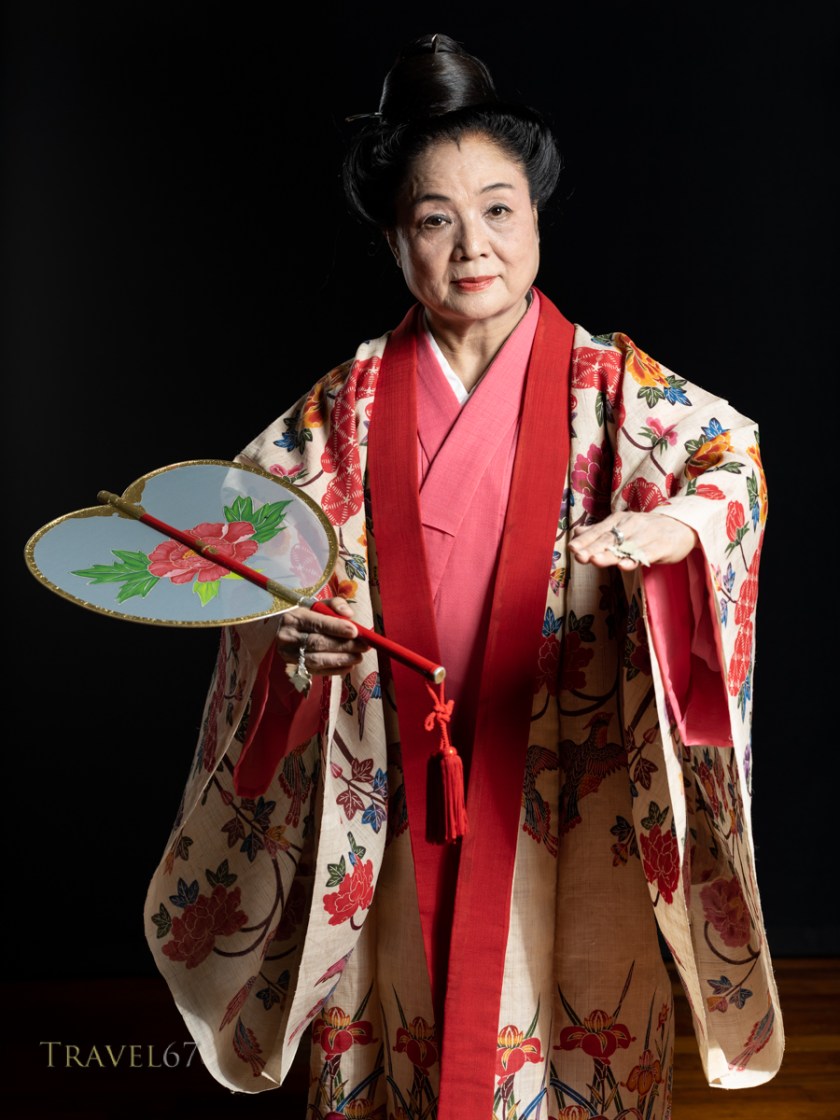
Chieko Toma is a master of Ryukyu dance. On Sunday I had the chance to photograph her performing in traditional dance costumes.
Chieko Toma 4th dan Okinawa Goju-ryu Karate Kenshikai, Tamagsuku Udui Kanaharu – Master of Ryukyu DanceChieko Toma 4th dan Okinawa Goju-ryu Karate Kenshikai, Tamagsuku Udui Kanaharu – Master of Ryukyu Dance
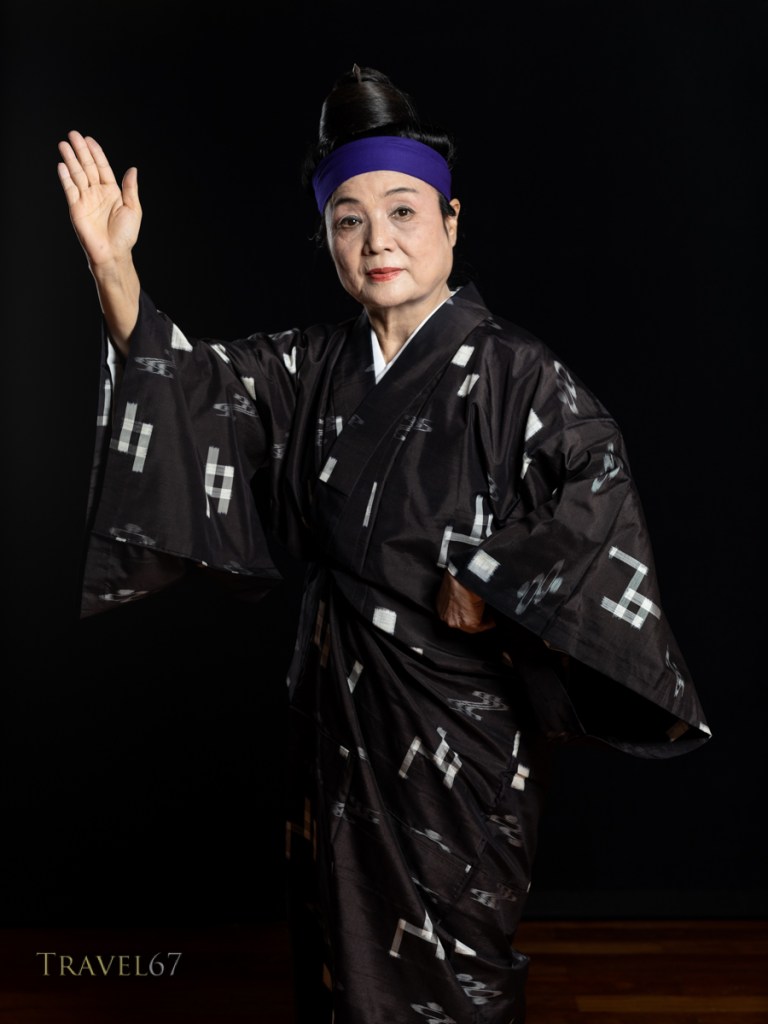
The next black and white costume comes from Haebaru Town and I believe is worn for performance of the folk dances, rather than the court dances.
Chieko Toma 4th dan Okinawa Goju-ryu Karate Kenshikai, Tamagsuku Udui Kanaharu – Master of Ryukyu DanceChieko Toma 4th dan Okinawa Goju-ryu Karate Kenshikai, Tamagsuku Udui Kanaharu – Master of Ryukyu Dance
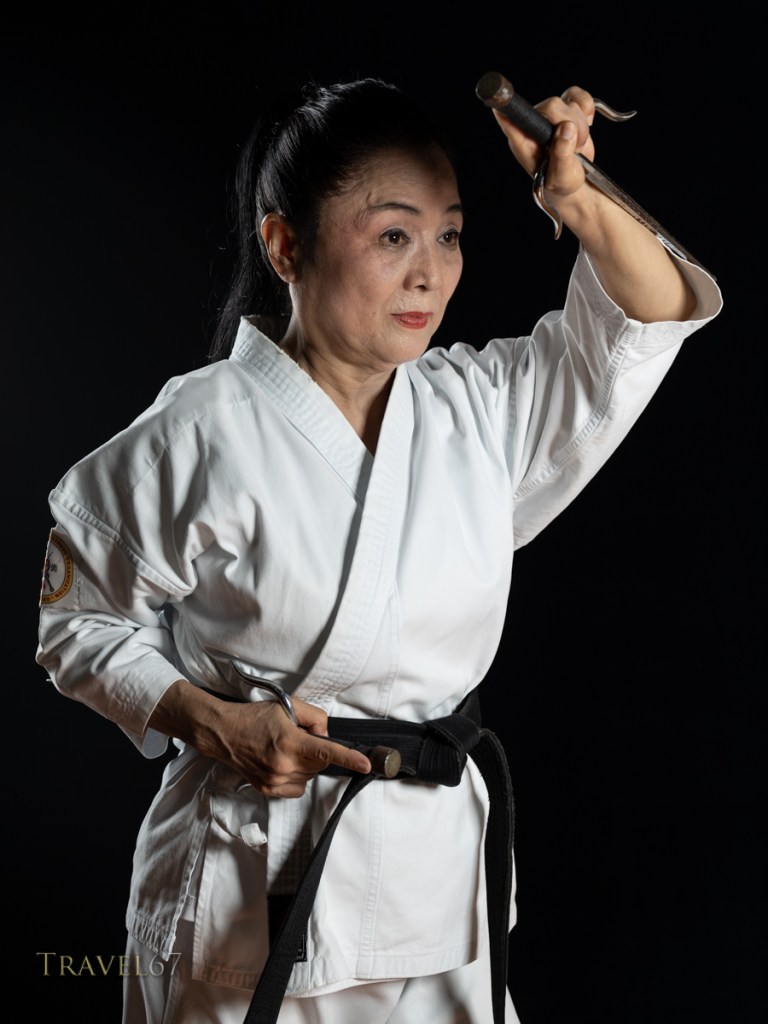
The next outfit is the karate gi with a hakama-style piece over the lower half. This was worn to perform the go shin no mai dances of self defense.
Chieko Toma 4th dan Okinawa Goju-ryu Karate Kenshikai, Tamagsuku Udui Kanaharu – Master of Ryukyu DanceChieko Toma 4th dan Okinawa Goju-ryu Karate Kenshikai, Tamagsuku Udui Kanaharu – Master of Ryukyu DanceChieko Toma 4th dan Okinawa Goju-ryu Karate Kenshikai, Tamagsuku Udui Kanaharu – Master of Ryukyu Dance
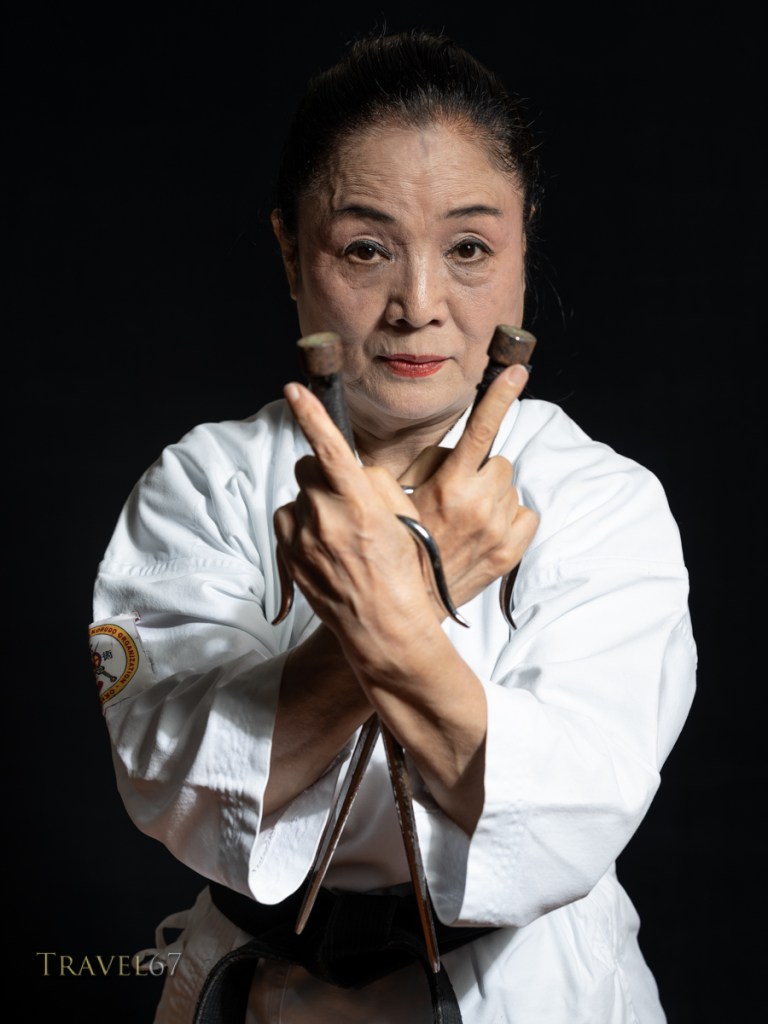
As well as a master of Ryukyu dance, Toma Sensei is a master of Goju-ryu karate, and a student under Tetsuhiro Hokama Sensei.
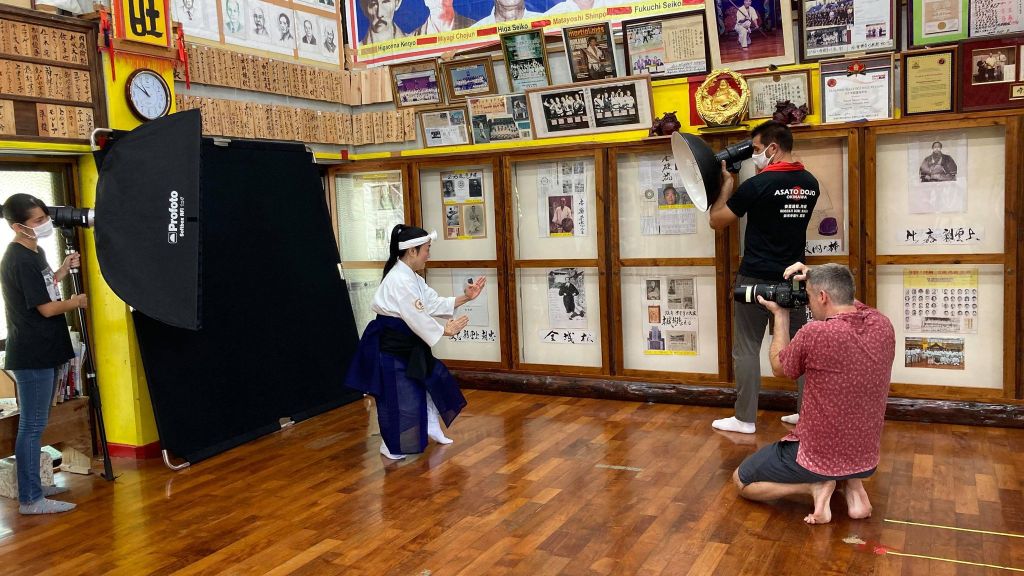
Chieko Toma 4th dan Okinawa Goju-ryu Karate Kenshikai, Tamagsuku Udui Kanaharu – Master of Ryukyu DanceChieko Toma 4th dan Okinawa Goju-ryu Karate Kenshikai, Tamagsuku Udui Kanaharu – Master of Ryukyu DancePhotographing portraits of Toma Sensei at the Hokama dojo and karate museum. (Photo by Hirokazu Narumi)
If you look at the behind the scenes shot, and you’ve been following the Karate Masters Portrait Project since 2012, you’ll notice the change in the number of lights used to create the portrait.
In all the above shots of Toma Sensei I used two lights. James is holding one Profoto B1 strobe with a white softlight reflector (AKA a beauty dish) while Toma Sensei’s granddaughter is holding a second Profoto B1 strobe with a 1×4′ strip softbox which provides a rim light. In all the shots for the Karate Masters Portrait Project I only use the single strobe James is holding. In the Ryukyu dance portraits, the extra light provides separation from the black background, which is particularly useful if the person has dark hair.
Before the very first shoot with Taira Sensei and Arakaki Sensei in 2012, I had decided to use just a black background and a single strobe to keep things simple and easily repeatable. Since then, all portraits for the project have been shot this way. This meant that although I had two lights available, for the final few karate shots with Toma sensei I turned off the second light and shot them solely with the beauty dish.
Chieko Toma 4th dan Okinawa Goju-ryu Karate Kenshikai, Tamagsuku Udui Kanaharu – Master of Ryukyu DanceChieko Toma 4th dan Okinawa Goju-ryu Karate Kenshikai, Tamagsuku Udui Kanaharu – Master of Ryukyu DanceChieko Toma 4th dan Okinawa Goju-ryu Karate Kenshikai, Tamagsuku Udui Kanaharu – Master of Ryukyu DanceChieko Toma 4th dan Okinawa Goju-ryu Karate Kenshikai, Tamagsuku Udui Kanaharu – Master of Ryukyu Dance
A huge thank you to Hokama Sensei for the introduction, to Toma Sensei and Seki Sensei for letting me take their portraits (Seki Sensei’s photos in the next blog post!) to Rumiko Sunagawa for kimono fitting, and Toma’s granddaughter Harune for assisting with the lighting, and Hirokazu Narumi for the BTS shots (and the translations of Hokama Sensei’s upcoming interview).
Another great experience for James Pankiewicz and me. Even after 20 years living in Okinawa, there are so many aspects of its culture to discover.
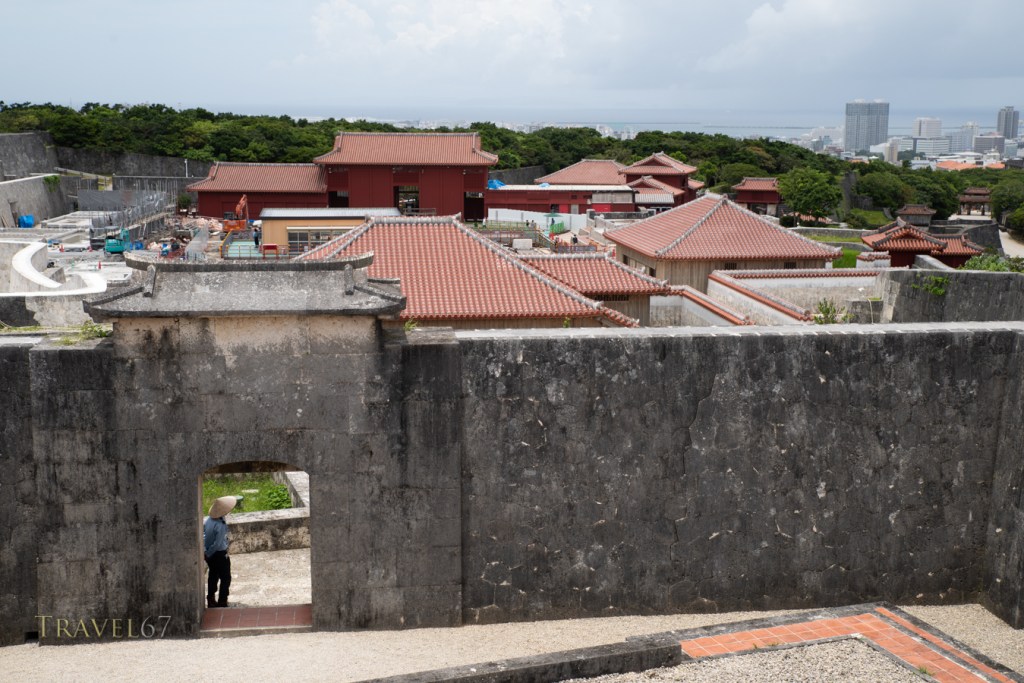
On July 15 2020 I visited Shuri Castle to see the progress with reconstruction.
As you approach the castle, nearly everything appears to be as it was before the fire. The Shureimon gate is intact, locals were praying at the Sonohyan-utaki, and the stone walls and archways of the Kankaimon gate all bore no evidence of the disaster. At the ticket booth in the Shichi-nu-una courtyard you can purchase a discounted entry ticket, but it only as you pass through the Houshimon ticket gate into the main courtyard you are hit with the vast change to the beloved castle.
Shuri Castle , Naha City, Okinawa 15 July 2020 following from the 2019 fire that destroyed the main Seiden building.
Where the main Seiden once stood there is now a beige prefab building. Dozen of bags of rescued materials sit on the red and white stripes of the courtyard.
The two dairyuchu great dragon pillars that survived the fire now stand protected by scaffolding.
Shuri Castle , Naha City, Okinawa 15 July 2020 following from the 2019 fire that destroyed the main Seiden building.
Lying on the courtyard are small piles of charred rubble, and the remains of the dragon heads that once crowned the castle roof.
Rubble from the fire at Shuri Castle , Naha City, Okinawa 15 July 2020 following from the 2019 fire that destroyed the main Seiden building.Shuri Castle , Naha City, Okinawa 15 July 2020 following from the 2019 fire that destroyed the main Seiden building. Ryutomunakazari (Dragonhead cresting) that had once been on the roof of the Seiden.
You can now walk to the rear of the courtyard, and up on to the walls to a spot called Agari no azama. From there you can look back on the castle walls and structures.
Shuri Castle , Naha City, Okinawa 15 July 2020 following from the 2019 fire that destroyed the main Seiden building.
The thick stone walls and the foundations of the castle remain. It can and will be rebuilt. As a tourist attraction it is still a fascinating place to explore, and well worth the visit.
I’m excited about the reconstruction of Shuri Castle. It gives the chance for a new generation of Okinawan craftsmen to learn the traditional skills needed to work on such as large prestigious project.
I look forward to the day when the great dragon pillars are released from their shackles, and the vermillion castle retakes its place as the heart of the Ryukyu Kingdom.
Shuri Castle has two major annual festivals. On each of the first three days of the year, a New Year Ceremony is held in the courtyard followed by performances of Ryukyu Dance.
Shuri Castle has two major annual festivals. On each of the first three days of the year, a New Year Ceremony is held in the courtyard followed by performances of Ryukyu Dance.
Shuri Castle, Okinawa, japan
Shuri Castle has two major annual festivals. On each of the first three days of the year, a New Year Ceremony is held in the courtyard followed by performances of Ryukyu Dance.
Shuri Castle, Okinawa, japan
Golden Dragon Decoration on the Castle Walls of Shuri Castle, Okinawa, Japan
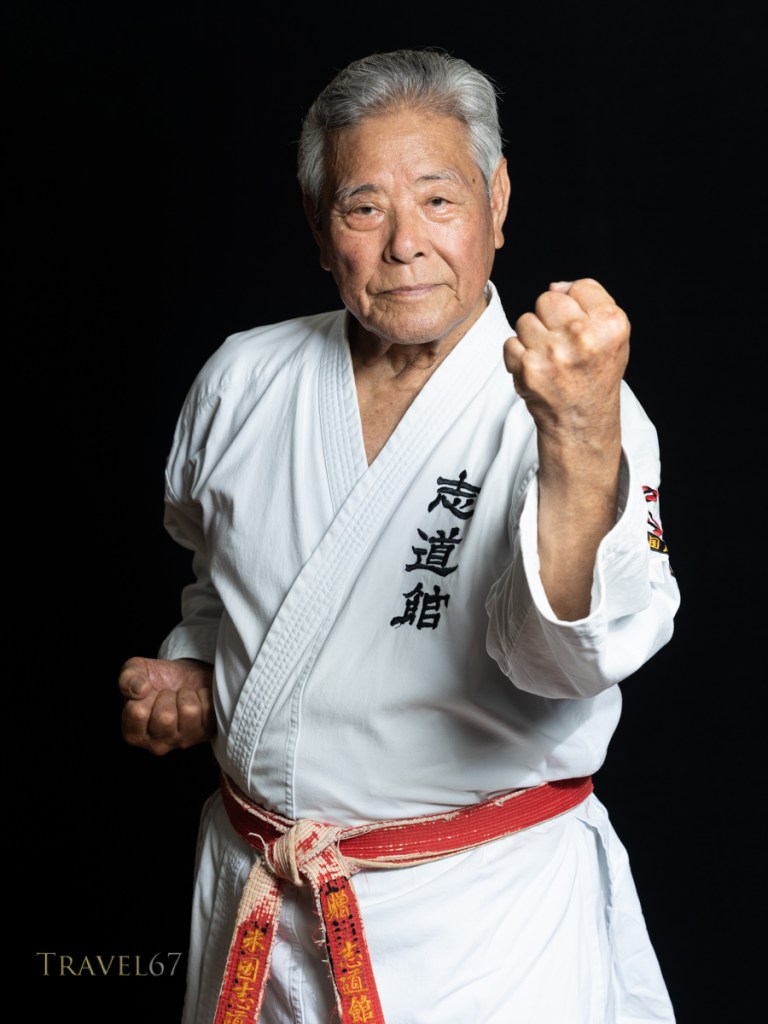
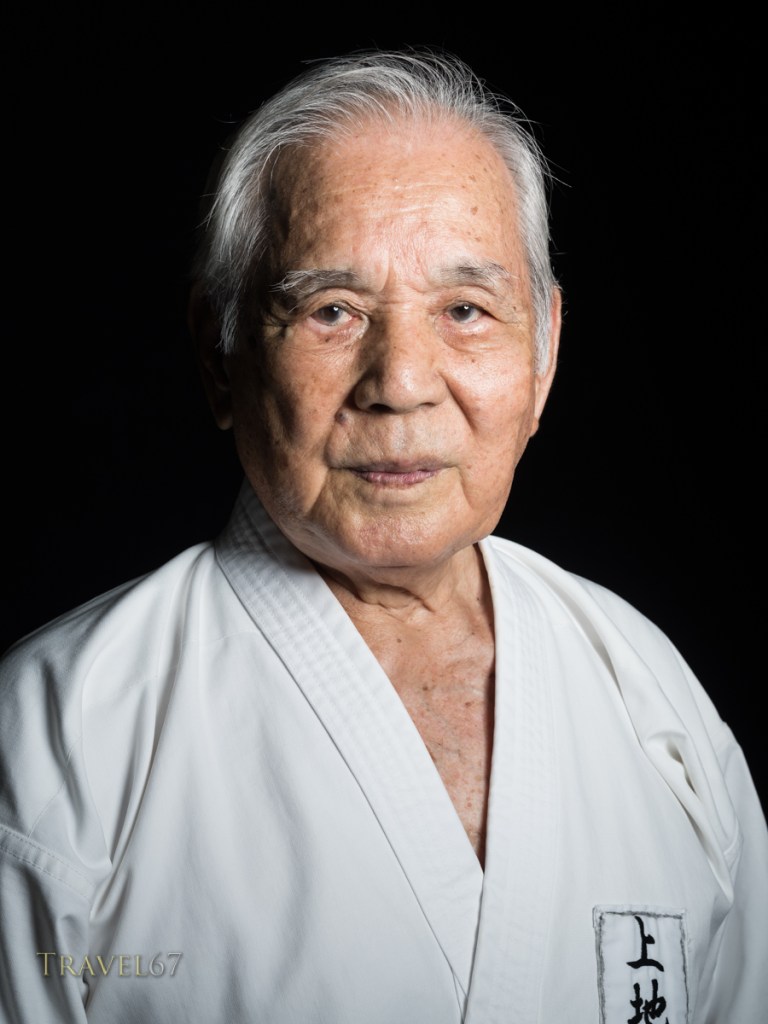
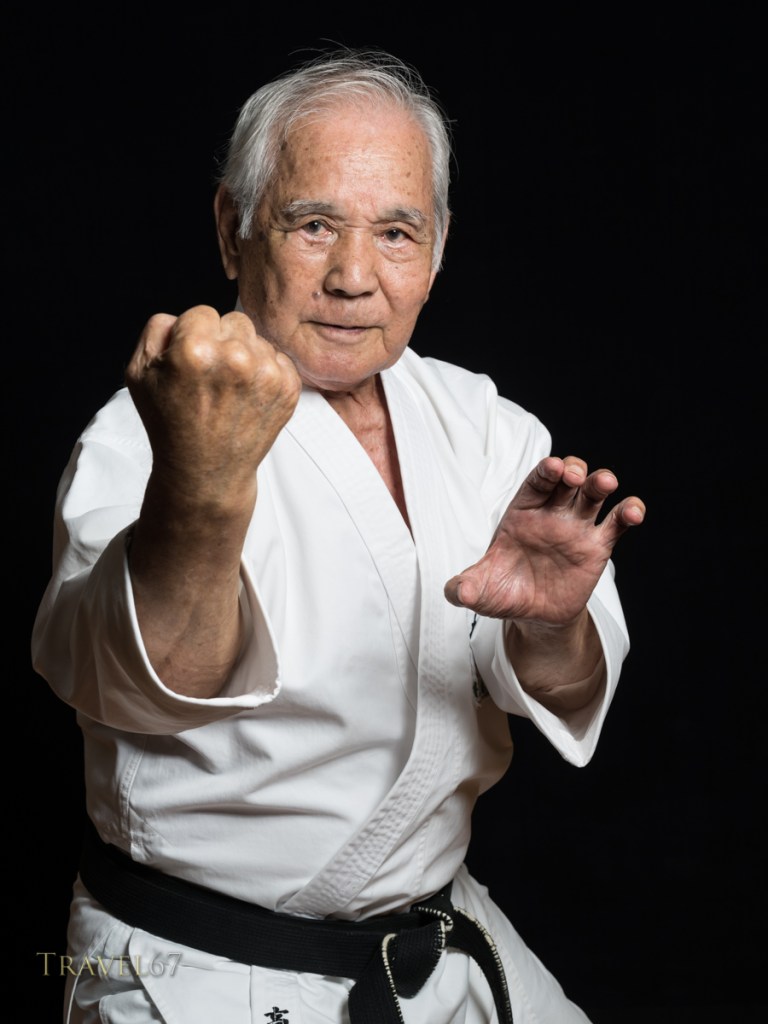
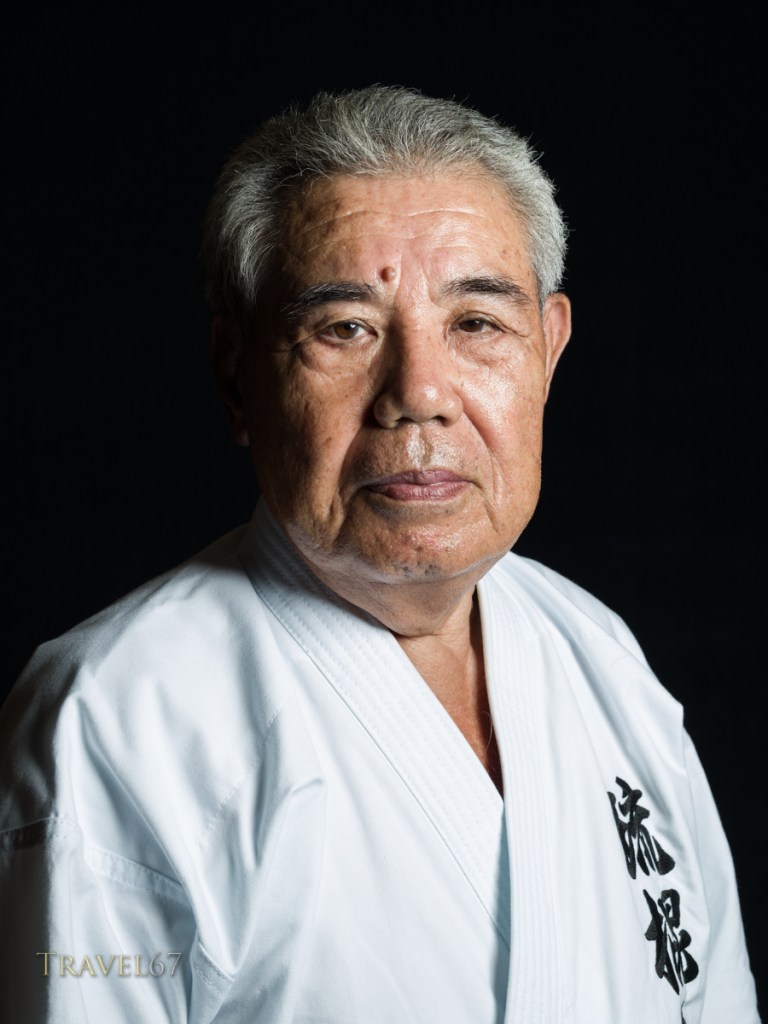
On May 19th 2020 six Okinawan Karate Masters were recognized by the prefecture as an Intangible Cultural Asset Holder in the Field of Okinawan Karate and Martial Arts with Weaponry. I am honored to have photographed them all for the Karate Masters Portrait Project over the past 8 years. Congratulations to Iha Sensei, Kikugawa Sensei, Maeshiro Sensei, Nakahodo Sensei, Iha Sensei and Takara Sensei!
Seikichi Iha 10th-dan Okinawa Shorin-ryu Karate, Beikoku Shidokan Karatedo Association Photographed August 29th 2019 at the Miyahira Dojo, Naha City, Okinawa. On May 19th 2020 recognized as “Intangible Cultural Asset Holder in the Field of Okinawan Karate and Martial Arts with Weaponry.
Seikichi Iha 10th-dan Okinawa Shorin-ryu Karate, Beikoku Shidokan Karatedo Association Photographed August 29th 2019 at the Miyahira Dojo, Naha City, Okinawa. On May 19th 2020 recognized as “Intangible Cultural Asset Holder in the Field of Okinawan Karate and Martial Arts with Weaponry.
Shitoku Takara 10th dan Okinawa Uechi-ryu Karatedo Kyokai (D.0.B. 10/05/1930) On May 19th 2020 recognized as “Intangible Cultural Asset Holder in the Field of Okinawan Karate and Martial Arts with Weaponry.
Shintoku Takara 10th dan Okinawa Uechi-ryu Karatedo Kyokai (D.0.B. 10/05/1930) On May 19th 2020 recognized as “Intangible Cultural Asset Holder in the Field of Okinawan Karate and Martial Arts with Weaponry.
Kotaro Iha, 10th dan Ryukyu Kobudo Ryu Kon Kai On May 19th 2020 recognized as “Intangible Cultural Asset Holder in the Field of Okinawan Karate and Martial Arts with Weaponry.
Kotaro Iha, 10th dan Ryukyu Kobudo Ryu Kon Kai On May 19th 2020 recognized as “Intangible Cultural Asset Holder in the Field of Okinawan Karate and Martial Arts with Weaponry.
Masanari Kikugawa 9th dan Okinawa Goju-ryu Karate-Do Photographed for the Karate Masters Portrait Project at the Karate Kaikan, Okinawa on 21 January 2020. On May 19th 2020 recognized as “Intangible Cultural Asset Holder in the Field of Okinawan Karate and Martial Arts with Weaponry.
Masanari Kikugawa 9th dan Okinawa Goju-ryu Karate-Do Photographed for the Karate Masters Portrait Project at the Karate Kaikan, Okinawa on 21 January 2020. On May 19th 2020 recognized as “Intangible Cultural Asset Holder in the Field of Okinawan Karate and Martial Arts with Weaponry.
Morinobu Maeshiro, 9th dan Shorin-ryu Karate of Shido Kan Musei Juku Dojo. Photographed at Naha Budokan Sept 1st 2014. On May 19th 2020 recognized as “Intangible Cultural Asset Holder in the Field of Okinawan Karate and Martial Arts with Weaponry.
Morinobu Maeshiro, 9th dan Shorin-ryu Karate of Shido Kan Musei Juku Dojo. Photographed at Naha Budokan Sept 1st 2014. On May 19th 2020 recognized as “Intangible Cultural Asset Holder in the Field of Okinawan Karate and Martial Arts with Weaponry.
Tsutomo Nakahodo 10th dan Shohei-ryu (Uechi-ryu). Photographed at the Naha Budokan Sept 1st 2014. On May 19th 2020 recognized as “Intangible Cultural Asset Holder in the Field of Okinawan Karate and Martial Arts with Weaponry.
Tsutomo Nakahodo 10th dan Shohei-ryu (Uechi-ryu). Photographed at the Naha Budokan Sept 1st 2014. On May 19th 2020 recognized as “Intangible Cultural Asset Holder in the Field of Okinawan Karate and Martial Arts with Weaponry.
I’m also happy to announce that episode 8 in the YouTube series Sensei: Masters of Okinawan Karate is now online.
I’m really proud of all the work that went into this episode, the team that helped create it, and the sponsors and supporters of the series. Iha Sensei speaks a mix of Japanese, Okinawan (a separate language not a dialect of Japanese), and English. It made transcriptions and translations a challenge, and there were even a few corrections after it went live, after getting some extra feedback from Nakasone Sensei.
Please like, comment, and share the videos so that the YouTube algorithm introduces it to others.