All posts tagged: japan

Onbashira – Suwa Taisha Kamisha

Onbashira is a traditional log riding festival held in held in Suwa Town, Nagano Prefecture every six years. Tree trunks are dragged from the mountains to the Suwa Taisha Shrine to be raised as sacred pillars. Kiotoshi “tree falling” is where men risk their lives riding the tree trunks down a steep slope. This takes place in two locations, first there is  “Kamisha” near Chino, then a few days later there is “Shimosha” near Shimosuwa. On the three days of the Suwa Taisha Kamisha the “tree falling” is followed by  kawagoshi “river crossing.” A small rope is towed across the river (in one case by an ugly duckling with swans) which connects to the larger ropes that drag the tree trunk. Dignitaries are carried across the river. Then the brass band wades across! The tree trunk, bedecked with a couple of dozen men, is dragged from the riverbank. Rescue services stand by to try and prevent any of the participants from drowning. An amazing spectacle to witness.
Deer, deer, deer

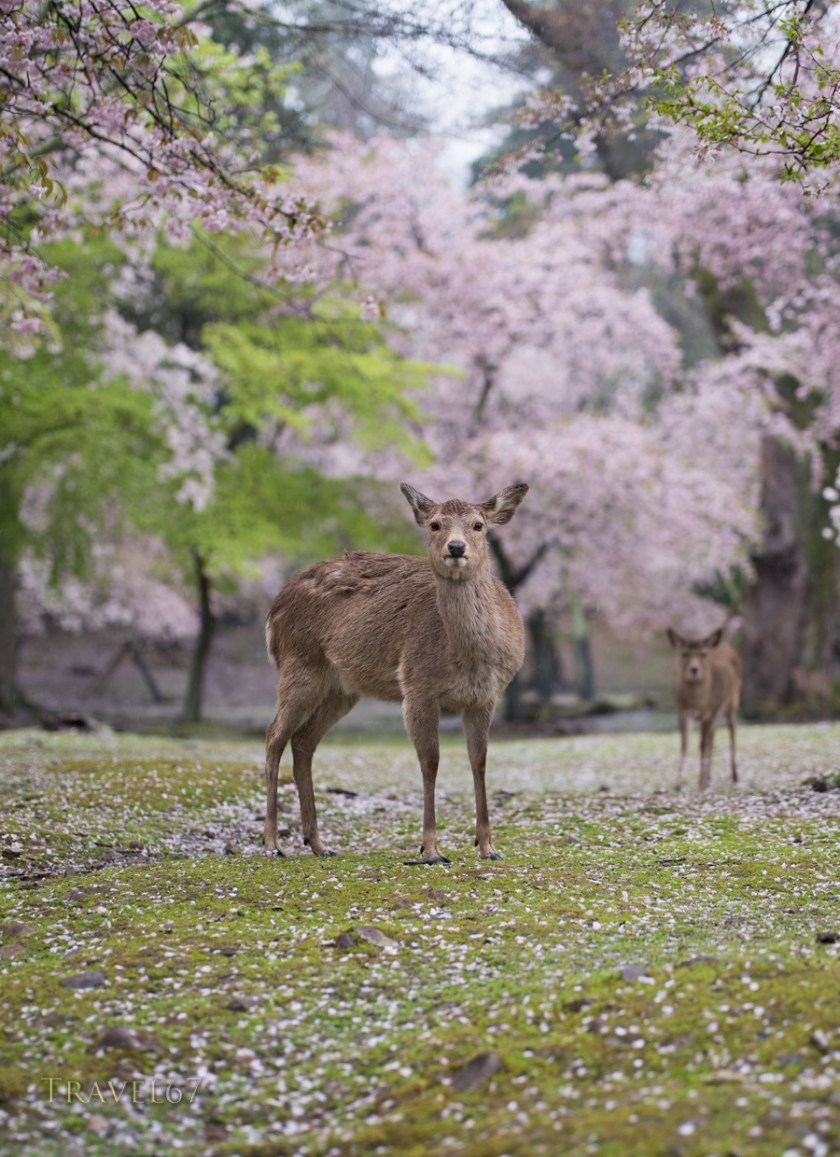
  Wet day in Nara Park. The local deer were too busy munching on fallen cherry petals to notice the rain. The less patient, and more ingenious deer, had a novel approach. Four legs good, two legs awesome.

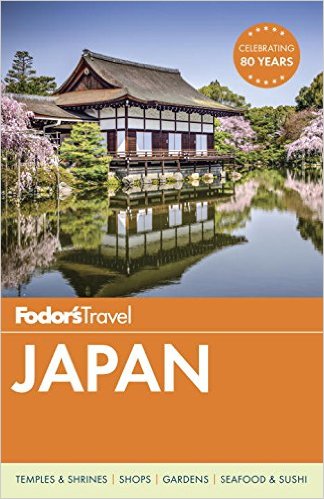
Fodor’s Japan 22nd edition

This is the third edition of the Fodor’s Japan guidebook that I’ve helped update. For the 22nd edition I travelled around Kyushu and Okinawa checking to see what changes there have been over the last couple of years. It’s great to be able to share amazing places with a worldwide audience. The book is now available for pre-order at Amazon.

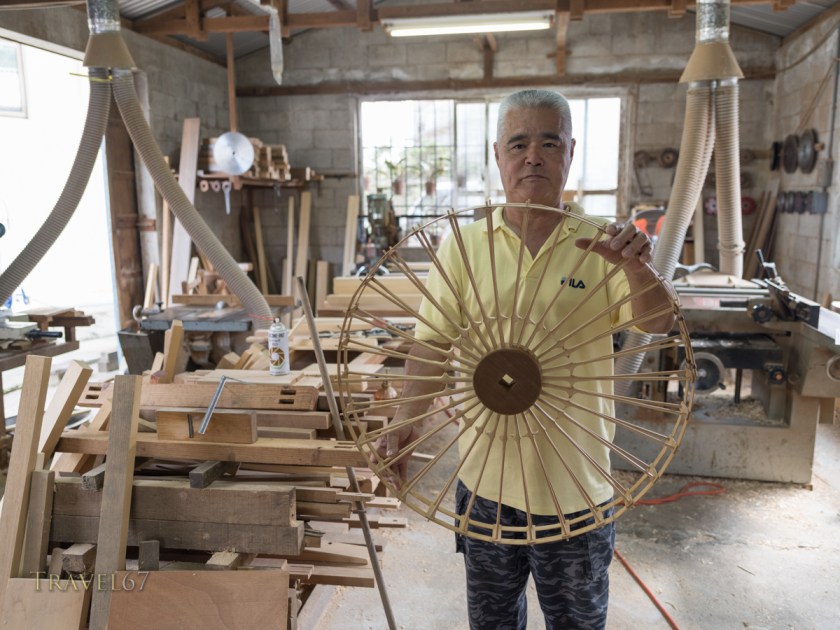
Oshiro-san, the loom maker

  A new project I’m working on is documenting  Okinawa’s traditional textile industry. Oshiro-san makes looms, shuttles, spinning wheels and other equipment from his workshop in Haebaru. His customers are usually Okinawan weavers, but he has once sent a spinning wheel all the way to Texas. Oshiro-san, now 57, began to learn the craft from his father at age 22. He is now teaching his oldest son. Images shot with natural light, Pentax 645Z with 35mm lens.

Humpback Whale Watching

Out today with the Churashima Research Center taking pics from their research boat. A much happier occasion than photographing the carcass of a whale that had died and then washed up on the beach. We were in the waters of the coast of Motobu not far from Sesoko Island. We saw around 20 whales in total, but it was the first mother and calf pair that were the star performers. The whales slapped the surface with their long pectoral fins, and perform breaches before crashing back down onto the surface of the water.  Pics shot with the Pentax 645Z and a 300m lens. Used a monopod to take the strain off my arms.  Shot at ISO 400 so that I could use shutter speeds between 1/2000 and 1/4000 of a second.

Nakijin Shoot – Reflector Fill

Another shot from the Nakijin shoot this time using a simple reflector to bounce some light back onto Yuki. You still have clear shadows caused by the early afternoon sun, but the reflector is enough to keep them in check on the subject’s face. You don’t however get the clear catchlights that you would have got with the flash. Pentax 645Z, 90mm lens, reflector.

Humpback Whale Autopsy

  A dead humpback whale washed up near Kadena a few days ago. Humpbacks  migrate from the arctic to Okinawa to breed and rear their young in winter. Unfortunately for this young whale its life ended early. Okinawa Churashima Research Center monitors the migration of humpback whales and dolphins in the prefecture and also undertakes research to help with the preservation of endangered species such as the Hawksbill turtle and coconut crab. They also collect data from dead animals such as turtles killed by cars, bycatch from fishing nets, or beached whales. This morning the researchers undertook an necropsy (animal autopsy) of the humpback whale. The length of the whale, flukes, and various others parts were measured. The outer layers of blubber were then cut away, measurements were taken, and the flesh was bagged for disposal. The decomposing whale smelled badly especially downwind. As more and more of the whale was removed and bagged, the bones were also measured, and collected separately. After analysis the data will hopefully give some insight into why the whale, …

Cherry blossom blooms in Okinawa

Cherry blossom is blooming in Okinawa. At Nago Castle Ruins the dark pink blossoms add color to the stairway leading up to the shrine. The white pieces of paper tied to the branches of trees at the shrine are omikuji or fortune papers similar to what you might find in a fortune cookie. They are usually sold from machines at Shinto shrines. After you’ve checked your fortune most visitors tie the paper to something at the shrine before leaving. Hanami or cherry blossom is also a popular time for Japanese to dress up in yukata (top two images) or the more formal kimono (bottom two images) .

Oba-san

This is the lady who always makes my workshop students and me delicious satandagi donuts. As I was captioning images I realized I don’t know her real name as she is always referred to as Oba-san (auntie) or Oba-chan (granny) by everyone. Will have to remember to ask her real name next time I see her!