Stage 1 – Find a car
The first thing you will notice when trying to buy a used car in Japan is that almost nobody sells their own car. Old cars are scrapped or tend to be given away to a friend or relative. Cars that still have some value, are usually traded in when purchasing a new (or newer) model.
Outside of the foreign community, there seem to be very few private sales. You don’t see cars with the Japanese equivalent of FOR SALE signs in the window. Used car magazines and even internet auctions are almost entirely filled with cars being sold by dealers rather than individuals.
Having to purchase from a used car dealer makes things more expensive, but does mean they can help you with Stage 2 – the labyrinthine process of producing and filling out the correct paperwork.
I browsed through the various internet sites and a few cars caught my attention. These are a few of the cars that were of interest, but not quite what I wanted:
Honda NSX

1991 Honda NSX 133,000 km ¥1,980,000
Advantages: Aluminum (The world’s first all-aluminum and aluminum monocoque chassis production car) so doesn’t rust – perfect for the salty island breezes. Designed with the assistance of Ayrton Senna. Looks fantastic.
Disadvantages: Almost no luggage space. The cheapest cars are still 2 million yen, and these are high mileage automatics with dodgy black leather seats. If I wanted an NSX it would have to be the type R which were all manual with non-leather seats, but the cheapest examples are over 5 million yen.
Nissan Skyline GTR
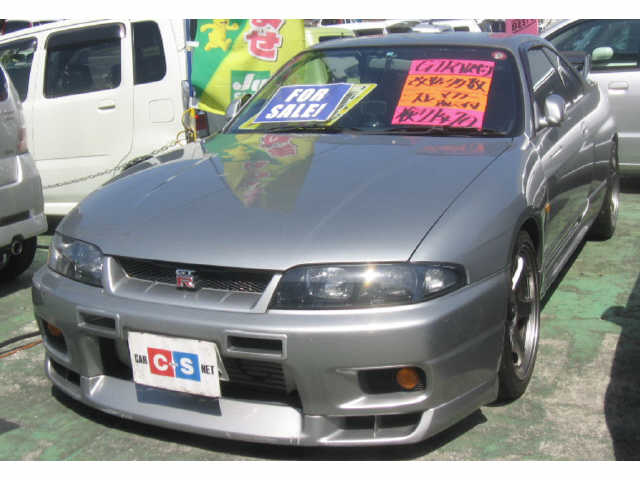
1996 Nissan Skyline GTR 51000km ¥1,750,000
Advantages: Speed and power that make other road users (or other competitors in motorsport) tremble in its wake. Nicknamed Godzilla, the GTRs are brutish supercars.
Disadvantages: 80 KPH speed limit on expressways in Okinawa, 50 KPH on main roads. You would never be able to unleash Godzilla. Four wheel drive, four wheel steering, dual turbos, titanium exhaust systems and the like are all fantastic but I’m pretty sure will cost a fortune when they need to be fixed or replaced.
Mitsubishi Lancer Evolution
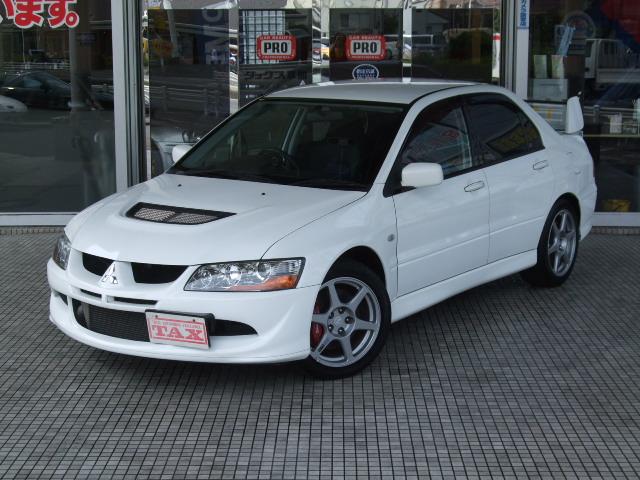
2003 Mitsubishi Evolution VIII GSR 43000 km ¥1,780,000
Advantages: Rally car thinly disguised as a basic family 4 door sedan. A technological marvel.
Disadvantages: Rather thirsty. Not too many rally stages in Okinawa. (Would seriously consider this however if I was living in Hokkaido where 4WD and things like Super Active Yaw Control might come in handy.)
Suzuki Cervo
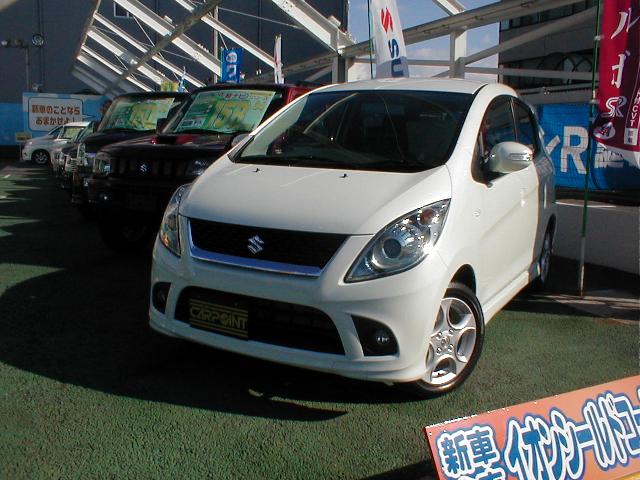
2009 Suzuki Cervo SR 7km ¥1,550,000
Advantages: A new car and therefore 3 full years before shaken. 66occ engine means it is a Kei Jidosha and will be have cheaper road tax. Turbo charged engine gives it some power (64PS) while the CVT gearbox means it can do 23 km per liter. Gearbox has a “manual mode” allowing you to select from 7 gears. Small cars are perfect for Okinawa’s narrow streets and tiny parking spaces.
Disadvantages: The small engine means that you would be thrashing it to make any progress. I’d prefer a manual gearbox rather than an automatic gearbox with a “Manual mode”.
Finally I found what I was looking for:
Suzuki Swift Sport
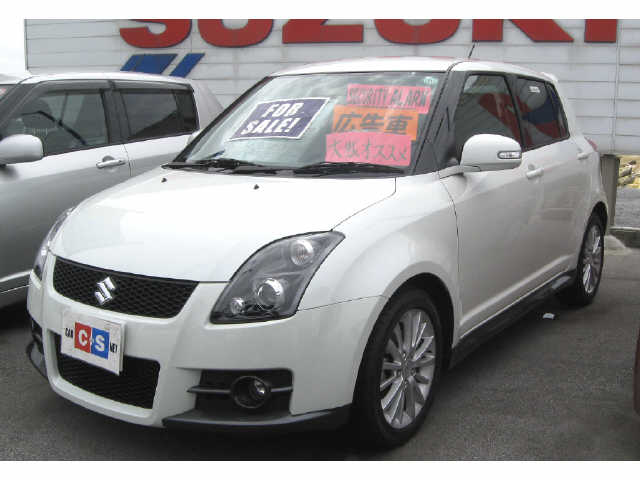
2009 Suzuki Swift Sport 98 km ¥1,650,000
Advantages: An almost new car. A manual gearbox. Very similar to a Mini Cooper, but without the exorbitant import charges. Fun to drive, but still quite frugal at 15km/L. This car also comes with the Japanese set options of Recaro seats and HID lights.
Disadvantages: The standard Suzuki Swift is perhaps the most common rental car on Okinawa. You may therefore struggle to find your car if you visit the aquarium or Shuri Castle. The luggage space is quite small when the rear seats are up. Never had a new car before so will probably go through a stage of new car paranoia where I am afraid to let dogs, people or dirt anywhere near it.
So the decision has been made. Time to move on to stage 2.
 TRAVEL 67 : Chris Willson Photography
Since having a nippa we have thought about the need for a car. Don’t really want one but…
Anyway, I was on a bus a couple of years ago and saw a Kei car that had hit the back of a 4WD. Slight dent in the 4WD, whole front end of kei car mashed up. That was in the city so no real speed involved. Not the car for a small family unless we want to get smaller. Perhaps you made the right choice.
I know exactly what you mean Nick. I think the kei cars have improved a lot but there is still very little between you and other road users. The new Toyota IQ may have a similar problem with the rear passengers being so close to the back of the car they are vulnerable if the car is hit from the behind.
However, if you are smacked by one of the dump trucks that cruise up and down the 58, you are going to be in big trouble whatever you are driving (unless it’s another dump truck).
A lot of used Japanese cars are exported to developing countries, and some of the more sought after models are now available in Canada. I see a lot of Delicas, small Suzuki vans and some old 4 Runners on the roads in Vancouver
enjoyed the suzuki swift decision…but i beg to differ: i think the most popular oki rental brand is the mazda demio!!
Yes the Mazda Demio has been “zooming” up the rent a car rankings. And a recent entry is the Honda Insight hybrid. I have a feeling that Toyota, Mazda, Honda and Suzuki like to use Okinawa rent a car companies to introduce new vehicles. Quite a clever idea as people are paying to test drive your car.
Good reference for me now~