Latest Posts

The Best of Kyoto

Jidai Matsuri, Festival of Ages, in Kyoto, JapanFor more than a thousand years, Kyoto was the imperial capital of Japan. Tokyo may now be the center of business and government, but Kyoto remains as Japan’s spiritual and historic heart.

Kyoto is a busy vibrant city with a population of over 1.4 million people. Like any other Japanese metropolis it has an eclectic mix of old and new, with ancient shrines dwarfed by skyscrapers and department stores. Kyoto, however, has managed to retain far more of its past than other, more modernized, Japanese cities. It was spared the ravages of aerial bombardment during World War II, and has survived-relatively unscathed-the tsunami of concrete and architectural monstrosities that followed the war. Hidden amongst the contemporary buildings are secret gardens, shrines and temples. Along the narrow alleyways of Gion, visitors can sip jasmine tea and wait for a fleeting look at Asia’s most iconic figure, the geisha.

It would be impossible to see all that Kyoto has to offer in a single year, let alone a few days. There is not just one temple, but hundreds to be explored. Not just one national treasure, but dozens of unique and priceless buildings. For most “pilgrims” to the city the best they can hope for is to see some of Kyoto’s highlights. Many will leave with the firm intention of returning for another glimpse into Japan’s past.

67kyo0020SE640

Kiyomizu Temple

Kiyomizu Temple

Kiyomizu-dera, or The Pure Water Temple is one of the most famous religious sites in Japan. Founded in 780, it is associated with Nara Buddhism, the oldest sect within Japanese Buddhism, and is dedicated to the 11-faced Buddhist deity Kannon. The temple is situated on the tree-covered hills to the east of Kyoto, approached by steep, narrow streets. The most famous feature of Kiyomizu-dera is its terrace which juts out the side of the hillside supported by over a hundred wooden pillars. From the platform, visitors can gaze over the treetops down onto the city. The panoramic view has been admired by pilgrims and tourists for well over a millennium.

67kyo0011SE640

Kiyomizu Temple

The temple gets its name from the small waterfall a couple of hundred feet below the main buildings. The spring water is said to have healing powers and provide longevity. There is usually a line of visitors, both young and old, waiting with scoops to catch the water as it cascades into a small pool. As Japan has the longest life expectancy in the world, the waterfall’s powers may be more than just superstition.

From Kiyomizu-dera visitors can stroll down toward Yasaka Shrine along Sannen-zaka and Ninnen-zaka. These two traditionally paved streets are lined with craft stores, noodle vendors and gardens. The narrow winding alleyways can be exceptionally crowded, so head there early or prepare to use your elbows.
Ryozen Kannon

Ryozen Kannon

Gion District

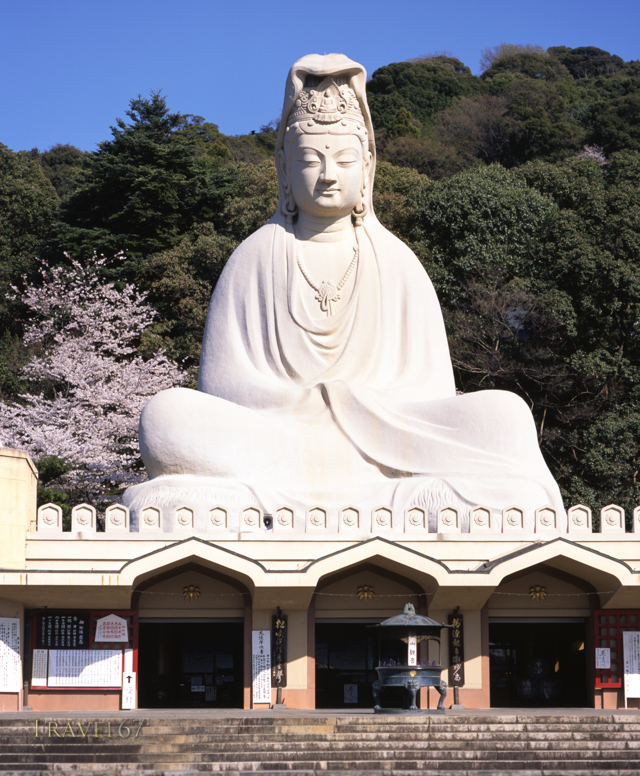
Gion is the famous geisha district situated on the eastern banks of the Kamo River. Modern architecture and businesses mean that you have to look hard for the more traditional areas, but they do exist. Hanami Street has beautiful old buildings, teahouses and restaurants. After sunset, red lanterns glow outside the doorways of the teahouses, but they tend to be extremely exclusive, and not for tourists. “Gion Corner”, however, is a small theater that has evening shows during which you can see a brief glimpse of the geisha arts like koto, tea ceremony, dance and flower arranging. Also, close by is the Ryozen Kannon, an imposing 24m concrete statue that is dedicated to soldiers who died in WWII.
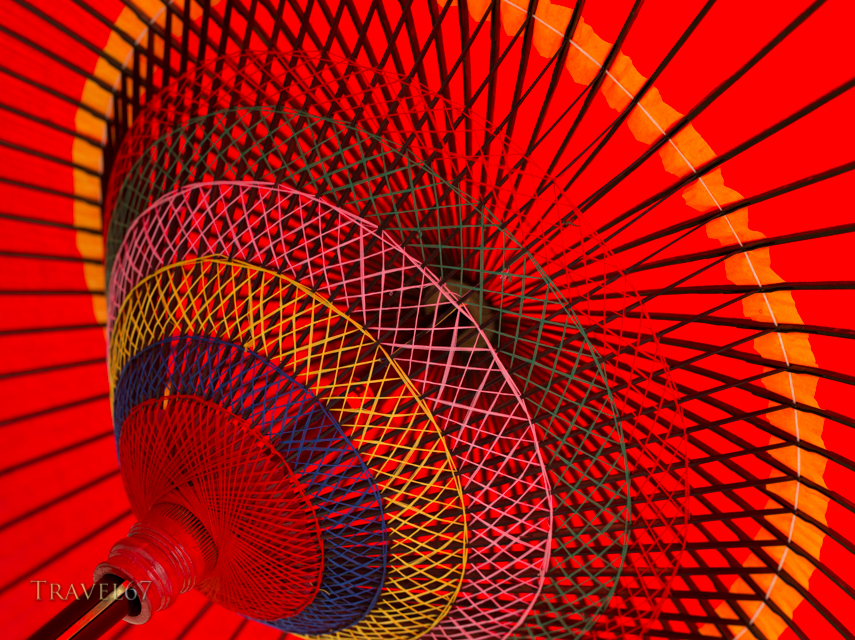
Wakasa Umbrella

Wakasa Umbrella

Pontocho Street

Pontocho is a narrow alleyway between the traditional wooden ocha-ya teahouses. It is along this street that visitors have the best chance to see a working geisha outside of the Gion District. Dressed in kimono with their ghostly white faces and scarlet lips they scuttle between the various restaurants to entertain their prestigious, or at the very least wealthy, clients. The street runs from Shijo-dori (4th Street) to Sanjo-dori (3rd Street) one block west of the Kamo River. During the summer evenings patrons of the teahouses move out onto wooden decks that overlook the river. The clients can then drink their sake while admiring the stars and glowing lanterns.

Kinkaku-ji Temple

Kinkaku-ji Temple

Kinkaku-ji Temple

Kinkaku-ji or The Golden Pavilion is the main building at the Zen temple known as Rokuon-ji. Originally the pavilion and its grounds were to be home for the retired shogun Ashikawa Yoshimitsu. When Yoshimitsu died in 1408, the residence was converted into a Zen temple and has continued as such since that time. The outer surface is covered in gold-leaf on Japanese lacquer making it instantly recognizable and highly photogenic. In 1987, the pavilion was restored with a thicker more extensive coating of gold-leaf. The gardens are also designated as a Special National Historic and Scenic Site by the government. The Kyoko-chi, or Mirror Pond, lies in front of the main building and, on windless days, the pond’s surface reflects the Golden Pavilion and the gardens surrounding it.

Ginkaku-ji Temple

Ginkaku-ji Temple

Ginkaku-ji Temple

The Silver Pavilion, Ginkaku-ji, is located in the Tozan Jisho-ji temple at the foot of the eastern hills. Like Kinkaku-ji, the temple was built as a retirement villa, in this case, for the shogun Ashikaga Yoshimasa. The Silver Pavilion, however, was never covered in silver and remains as a far more modest structure. The building and its gardens were also converted into a Zen temple after the shogun’s death. The garden is famous its sand landscapes, where white sand has been raked into waves and two large piles, the Moon Mound and the Sea of Silver Sand.

Ginkaku-ji can be reached by following the Philosopher’s Path. The route meanders alongside a small river under the branches of cherry, willow and maple trees. The path is especially popular when the trees are laden with blossoms.
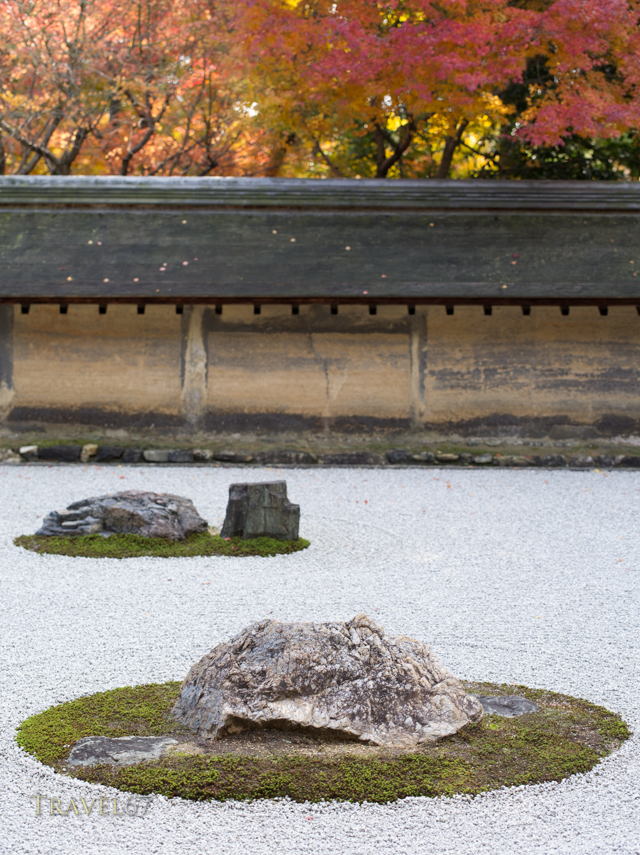
Ryoan-ji Temple

Ryoan-ji Temple

Ryoan-ji Temple

Ryoan-ji is a Zen temple in northwestern Kyoto, famous for its rock garden. The garden is about the size of a tennis court, surrounded by low earthen walls. The dry landscape garden consists of 15 large and small rocks on a bed of white sand, and is said to be the ultimate expression of Zen Buddhism. The rocks may represent islands in a turbulent sea, but similar to modern art, interpretation is left to the viewer. Loudspeakers and tour groups, however, tend to destroy the possibility of reaching any Zen like state.
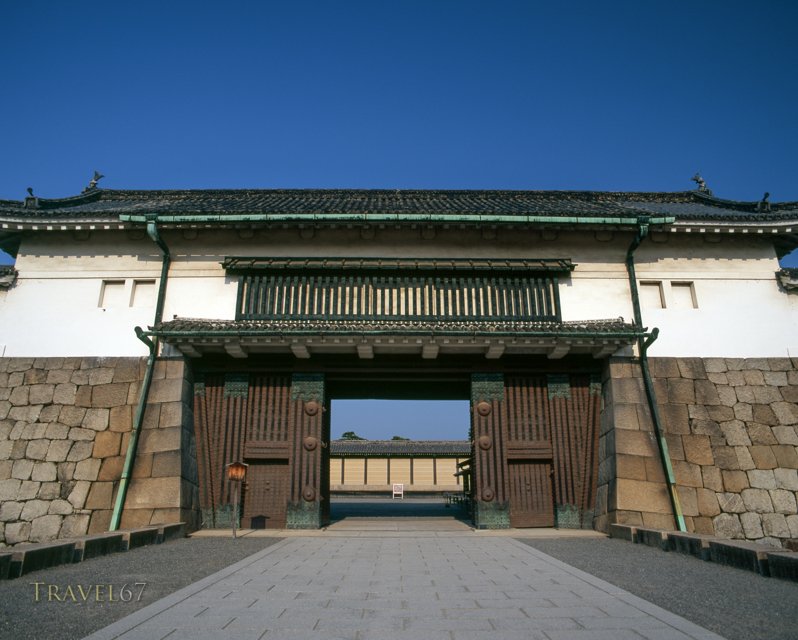
Nijo Castle

Nijo Castle

Nijo Castle

Imposing outer walls, a double moat and beautiful architecture made Nijo Castle a constant reminder to guests of the power and wealth of the Shogun Ieyasu Tokugawa. Nightingale floors that “sing” (creak) as you walk along them alerted guards to ninja who might try to cut his reign shot.

Toji Temple

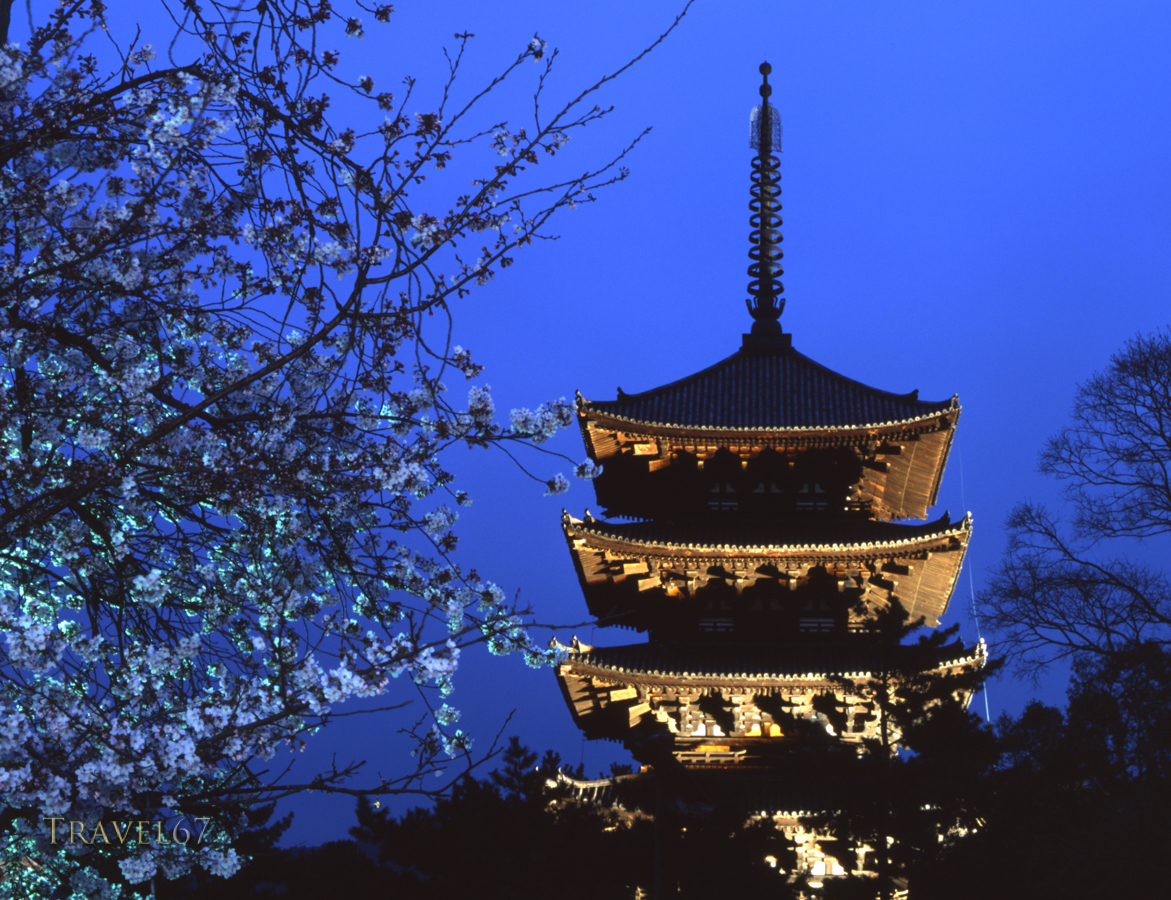
Toji Temple was built in 794, the year that Kyoto became Japan’s capital. There are sacred carvings of Buddha in both the temple’s main hall and lecture hall, but the temple is most famous for its five-story pagoda. At 180 feet (56 meters) the pagoda is the tallest wooden structure in Japan. Its importance and historical significance led to it being chosen as one of the UNESCO world heritage sites.

67kyo009SE640

Fushimi Inari Shrine

Fushimi Inari Shrine

Fushimi Inari Shrine is dedicated to Inari, the Shinto god of rice and sake. The shrine is worth visiting to see the tunnel of bright red torii gates that winds its way up the side of the mountain. The gates are donated by wealthy individuals or companies who wish for good fortune. The benefactors have their names inscribed on the uprights of the gates.
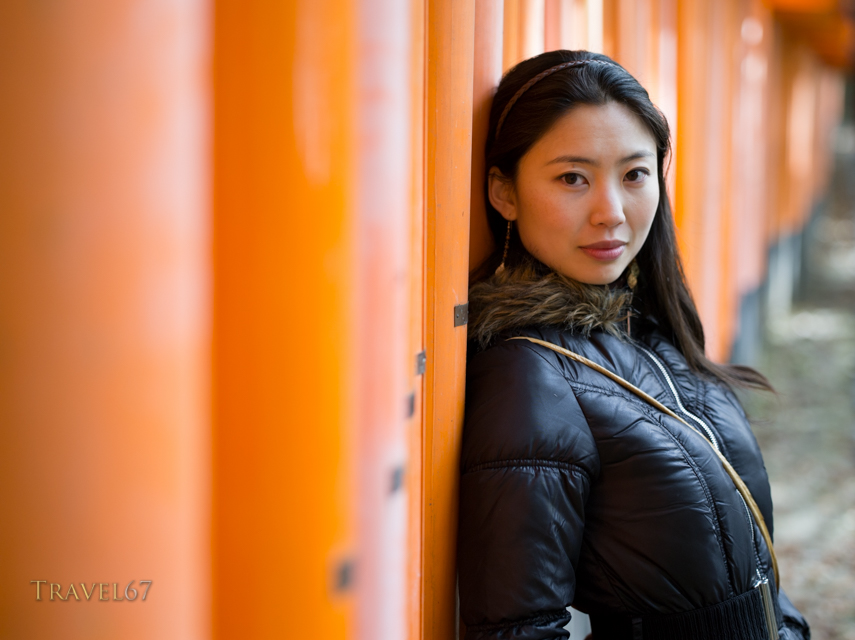
Fushimi Inari Shrine

Fushimi Inari Shrine

The god Inari was supposed to have used foxes as messengers so the shrine has a distinct fox theme to it. There are fox shaped prayer tablets, and the restaurants serve noodles with tofu or tofu wrapped rice — the supposed favorite foods of foxes. It is probably best to stay well clear of the other local delicacy: barbecued sparrow on a stick.

Arashiyama

A short ride on the Keifuku Electric Railway takes you to Arashiyama on the west side of Kyoto. There are more beautiful temples which are well worth checking out, but for those who are “templed-out” check out the beautiful bamboo groves between the temples.

Arashiyama Monkey Park Iwatayama , Arashiyama , Kyoto

Arashiyama Monkey Park Iwatayama , Arashiyama , Kyoto

Arashiyama Monkey Park is at the top of a hill overlooking Kyoto. It’s a short hike to the top, but it’s a great experience to get up close to the wild monkeys. They are not fenced in but hang out for the regular supply of food given by the park staff.
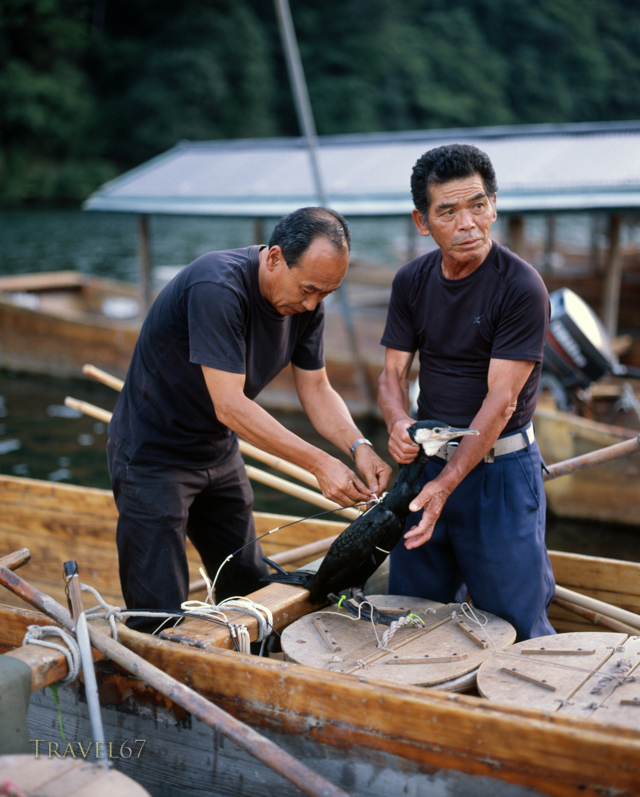
Ukai ( cormorant fishing ) Arashiyama, Kyoto

Ukai ( cormorant fishing ) Arashiyama, Kyoto

The Katsura River runs through Arashiyama and in summer is the location for ukai ( cormorant fishing ). Fisherman place leashes on the birds and then on summer evenings take to the river in boats. When the cormorants catch a fish they are  brought back into the boat where their fish is taken from them. I presume the birds get to keep the occasional fish themselves.

What to buy

Kyoto has branches of the main Japanese department stores, which sell virtually everything from kimono through Chihuahuas. Kawaramachi is the most famous shopping district located on Shijo-dori (4th Street) with a variety of shops and restaurants. Kyoto also has a large number of specialist craft stores selling items such as ornate wooden combs, handmade washi paper or the scarlet bamboo umbrellas. Other popular souvenirs include the regional teas, incense and ceramics. The easiest, and often cheapest, place to buy items is in the small stores outside temples. They usually carry a variety of traditional items along with candy, plastic spiders and pellet guns for the hordes of Japanese junior high students.

Handmade Fans, Kyoto

Handmade Fans, Kyoto

If you are more serious about shopping then there are boutiques that cater for the discerning buyer. Elegantly dressed sales staff will be more than happy to show you the latest designs in silks or hand-glazed ceramics. It is worth remembering, however, that a quality kimono may cost as much as a family car.

When to go

Mainland Japan has a temperate climate with four distinct seasons. Cherry blossom viewing in early April is fantastic, but it is also crowded, fully booked and expensive. Avoid the major national holidays of Golden Week in May or Obon in August, due to the high prices of travel. November is a good time to visit as the fall foliage provides a magnificent backdrop to many of the temples. Winter, although cold, lacks crowds and offers the possibility of temples topped with snow.

Kyoto in the Fall

Kyoto in the Fall

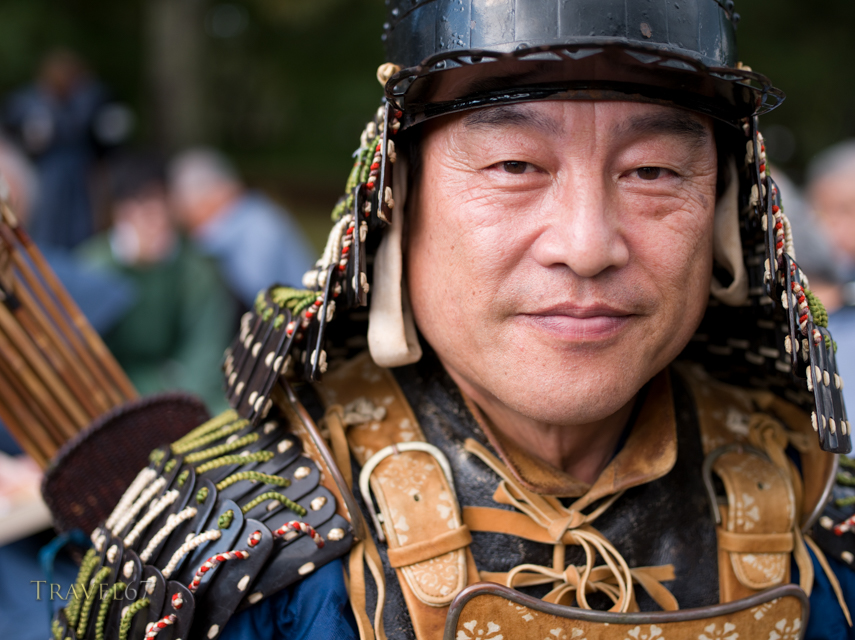
The Aoi Matsuri or Hollyhock Festival on May 15th has a parade of people dressed in period costumes moving between the two Kamo shrines, along with demonstrations of classical archery.
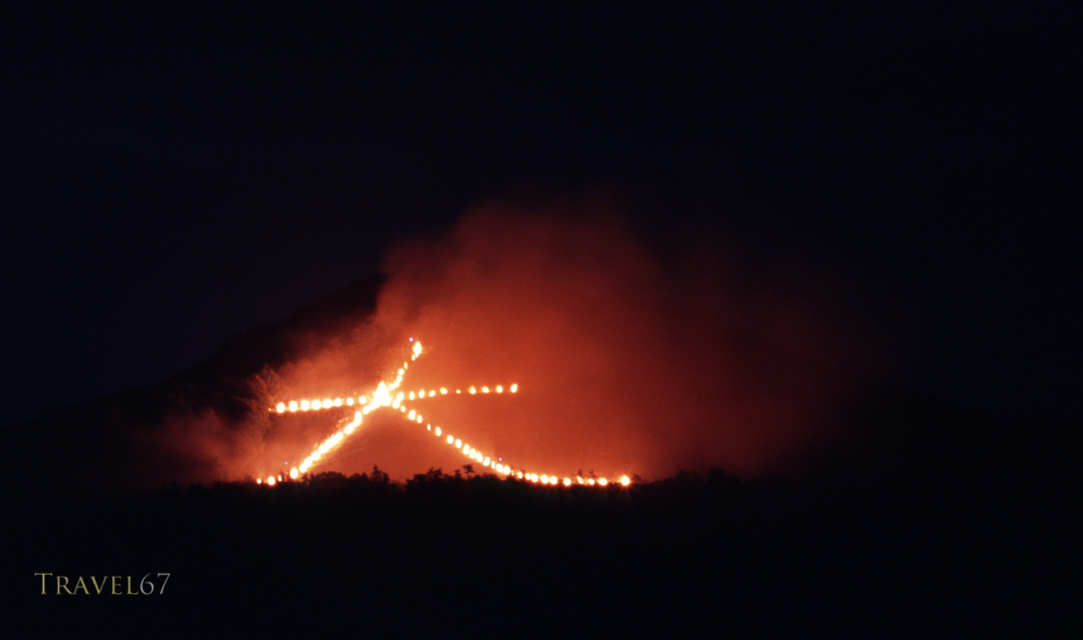
Daimonji at Gozan Fire Festival

Daimonji at Gozan Fire Festival

On August 16th, the Gozan Fire Festival takes place with 5 symbols burned into the side of the mountains around Kyoto. The most famous is Daimonji, a giant burning “big” kanji.

Gion Matsuri, Kyoto

Gion Matsuri, Kyoto

In July, the city holds the Gion Festival which has events throughout the month. The main festivities are from the 14th to the 16th leading up to the main procession on the 17th. On this day, giant floats covered in ancient textiles roll through the city centre dragged by teams of men.

Jidai Matsuri, Festival of Ages, in Kyoto, Japan

Gion Matsuri Kyoto, Japan

Jidai Matsuri, Festival of Ages, in Kyoto, Japan

Jidai Matsuri, Festival of Ages, in Kyoto, Japan

On October 22 there is both the Jidai Matsuri during the day  and the Kurama no Hi Fire Festival in the evening.
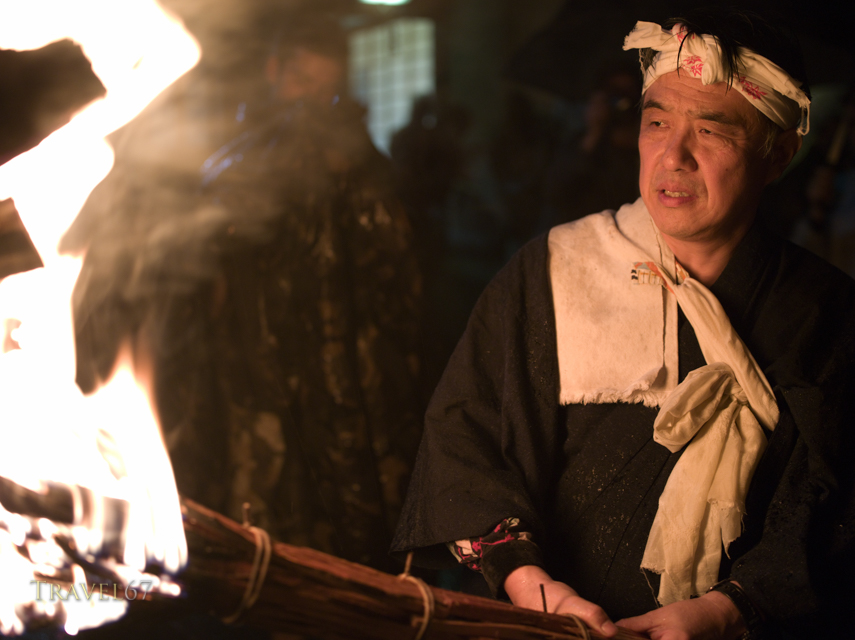
Kurama no hi matsuri,  Fire Festival, Kyoto

Kurama no hi matsuri, Fire Festival, Kyoto

Getting There

Osaka’s Kansai International Airport is the closest international airport to Kyoto. The quickest way to get to Kyoto from Kansai International is by the direct JR Haruka Limited Express (about 70 minutes and 4,000 Yen). Direct airport buses take about 100 minutes and cost 2,500 Yen. Osaka Itami Airport is the main domestic airport for Osaka. There are limousine buses that run from the front of the airport to the major hotels and Kyoto Station. The journey takes just under an hour and costs around 1,500 Yen. Kyoto is also easily accessible from anywhere else in Japan via the efficient Japanese rail system. With access to the Shinkansen bullet trains, Kyoto is just a 2-hour 40-minute ride from Tokyo.
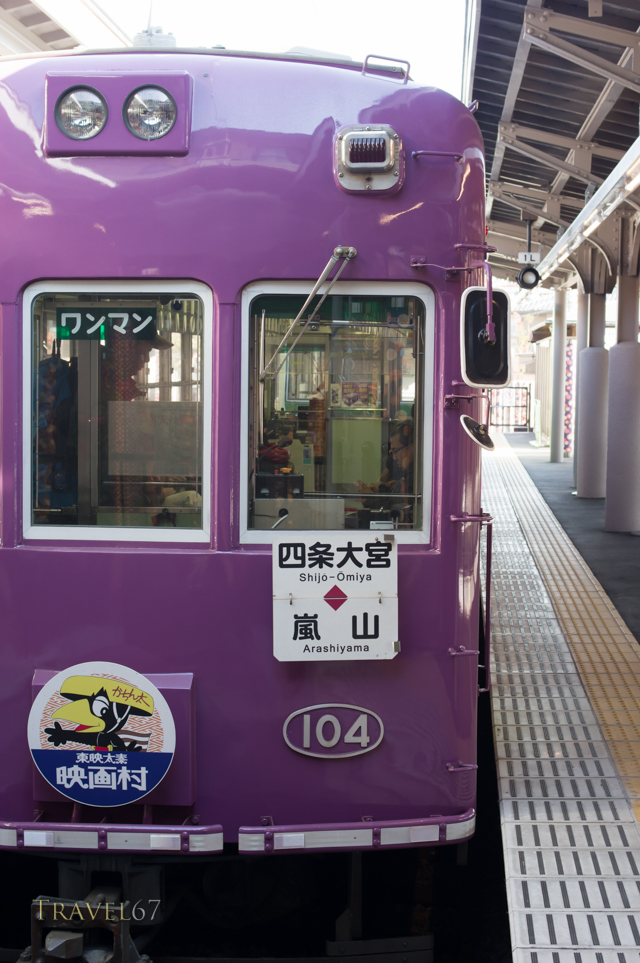
local Train from Shijo Omiya to Arashiyama. Kyoto, Japan

local Train from Shijo Omiya to Arashiyama. Kyoto, Japan

Getting Around

Most visitors will arrive at Kyoto Station as it serves as the hub for both bus and train services. The station itself is one of Kyoto’s most famous, if not notorious, landmarks. The enormous steel and glass structure houses a shopping complex and theater as well as the train platforms, but has a generic airport terminal look. The ultra-modern design manages to be functional, but has no architectural connection with the ancient city.

Central Kyoto features a rectangular street system. Running north-south through the city is the Kamo River. The tree-lined paths running along the sides of the river provide and alternative way to move about the city and are particularly popular with Kyoto’s bicycle commuters. The public transportation system consists of city buses and two subway lines. The buses can be very crowded around national holidays, so if you only have limited time, taking a taxi is probably the fastest and most convenient way to get to the various attractions.
The Best of Nara

Omizutori Festival - Nara, Japan

Omizutori Festival – Nara, Japan

Nara and Kyoto are the two biggest tourist destinations in Japan. Kyoto, the more famous of the two, is home to both the remaining geisha and the iconic golden pavilion. Nara, however, is the heart of Japanese Buddhism. Its temples are not just world heritage sites, but are often the largest, oldest and most sacred of their type. Standing among the pagodas and cherry trees it is possible to imagine Japan before cell phones, neon lights and the tsunami of concrete. Nara was Japan’s first permanent capital, and remains as one of the world’s great cities.

Nara is not a large city and nearly all the historic sites are located in and around Nara Park. Tour groups on a day trip often complete a brief circuit of Kofuku-ji Temple, Todai-ji Temple and Kasuga Taisha Shrine in a matter of hours before returning to Kyoto or Osaka. Visitors, who prefer to travel without a megaphone wielding guide, would be better off spending two or three days on a tranquil journey of discovery, rather than an afternoon playing follow my leader.

Nara, Japan

Nara Park, Nara, Japan

Nara Park

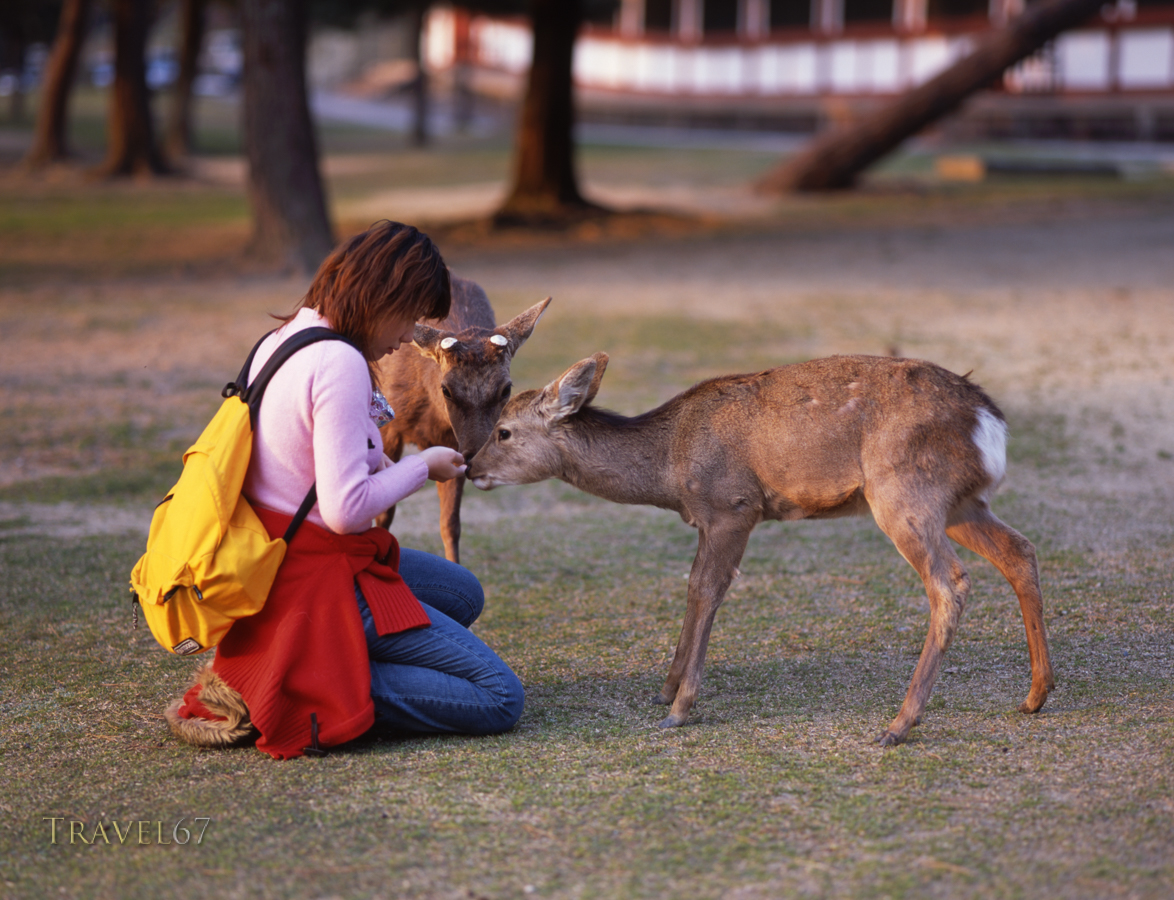
In the northeast of the city are 1235 acres of grass and woodland known as Nara Park. It is the largest city park in Japan and home to around 1500 deer. The deer, once thought to be messengers of the gods, roam the area in search of food. Vendors sell shika sembei (deer rice crackers) to visitors for around ¥100, and the deer are not timid when it comes to getting a free meal. They crowd anyone holding food, jostling for position until all the crackers have been eaten. If you walk away with food still in your hand, you will probably find yourself being stalked by half a dozen frustrated deer. Unlike Kyoto, where busy roads bisect many of the popular areas, Nara Park’s traffic-free tree-lined paths connect the major temples and shrines. It creates a far more tranquil atmosphere, and if walking all day seems too arduous, there are groups of lithe young men with rickshaws who are more than willing to do the hard work for you.

Kofuku-ji Pagoda, Nara, Japan

Kofuku-ji Pagoda, Nara, Japan

Kofuku-ji Temple

Kofuku-ji was the ancestral temple of the powerful Fujiwara family. There were once 175 buildings in the complex, but now only a few remain standing, most notably the three and five story pagodas. The five story pagoda was built in 1426 and is one of the most recognizable symbols of Nara.

Nearby is the Sarusawa Pond, and on windless days the pagoda is reflected on its surface. At dusk, when the pagoda is floodlit, young couples admire the view from benches along the water’s edge.

Todai-ji Temple, Nara, Japan

Todai-ji Temple, Nara, Japan

Todai-ji Temple

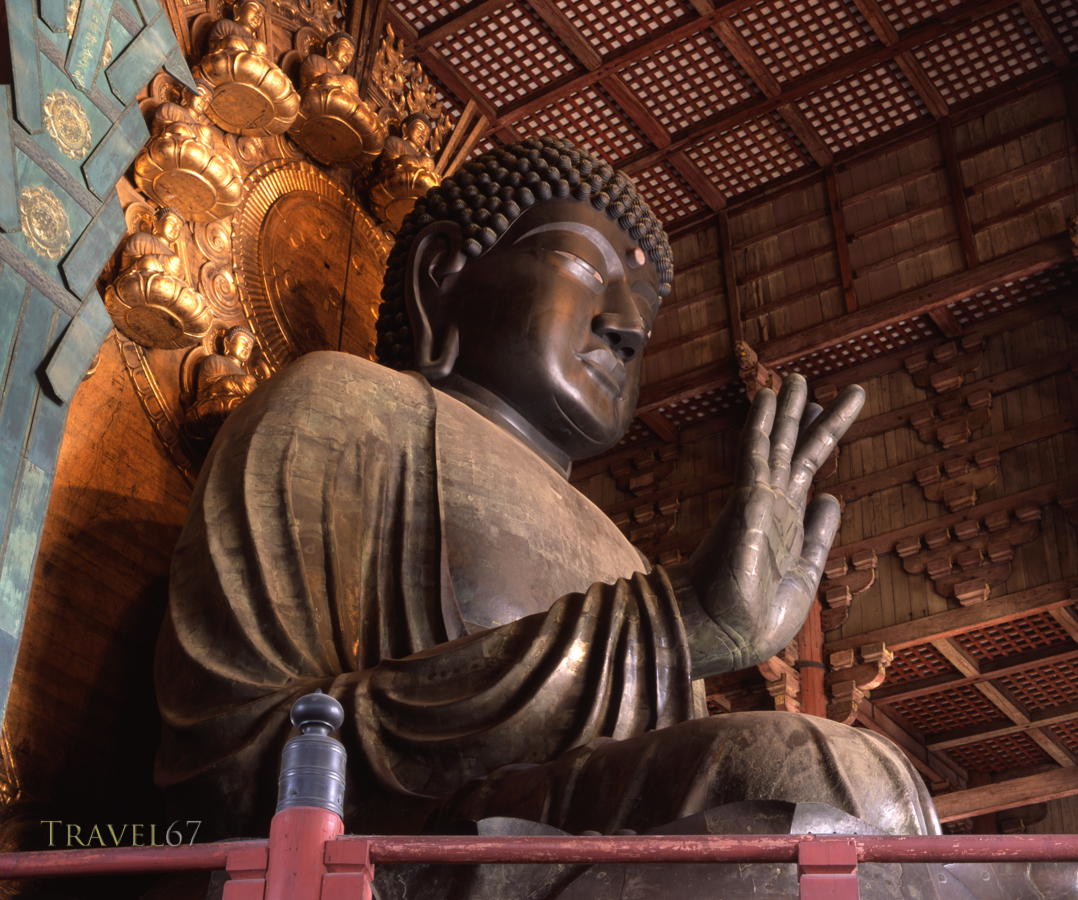
Emperor Shomu hoped that the construction of Todai-ji temple would consolidate Nara’s position as both Japan’s capital and as a center for Buddhism. The sheer scale of the building was a sign of imperial power and the piousness of the Emperor. The Vairocana Great Buddha that sits at the centre of the temple is 49ft (15m) high and is the largest bronze sculpture in the world. It is estimated that 290 pounds of gold went into its construction, almost bankrupting the country. The Great Buddha is flanked by statues of two bosatsu (enlightened beings), while in the back corners heavenly guardians glare down at the people below. Behind the Buddha is a stout wooden column with a hole around a foot in diameter running through its base. It is believed that those who can fit through the hole are assured of achieving nirvana. It is an easy task for children and a squeeze for all but the slimmest adults.

The Great Buddha, bosatsu and guardians are housed in the Daibutsu-den Hall. The huge wooden structure is a 1709 reconstruction, and is, in fact, only two-thirds the size of the original. The present Daibusteu-den, however, still holds the title of the largest wooden building in the world.

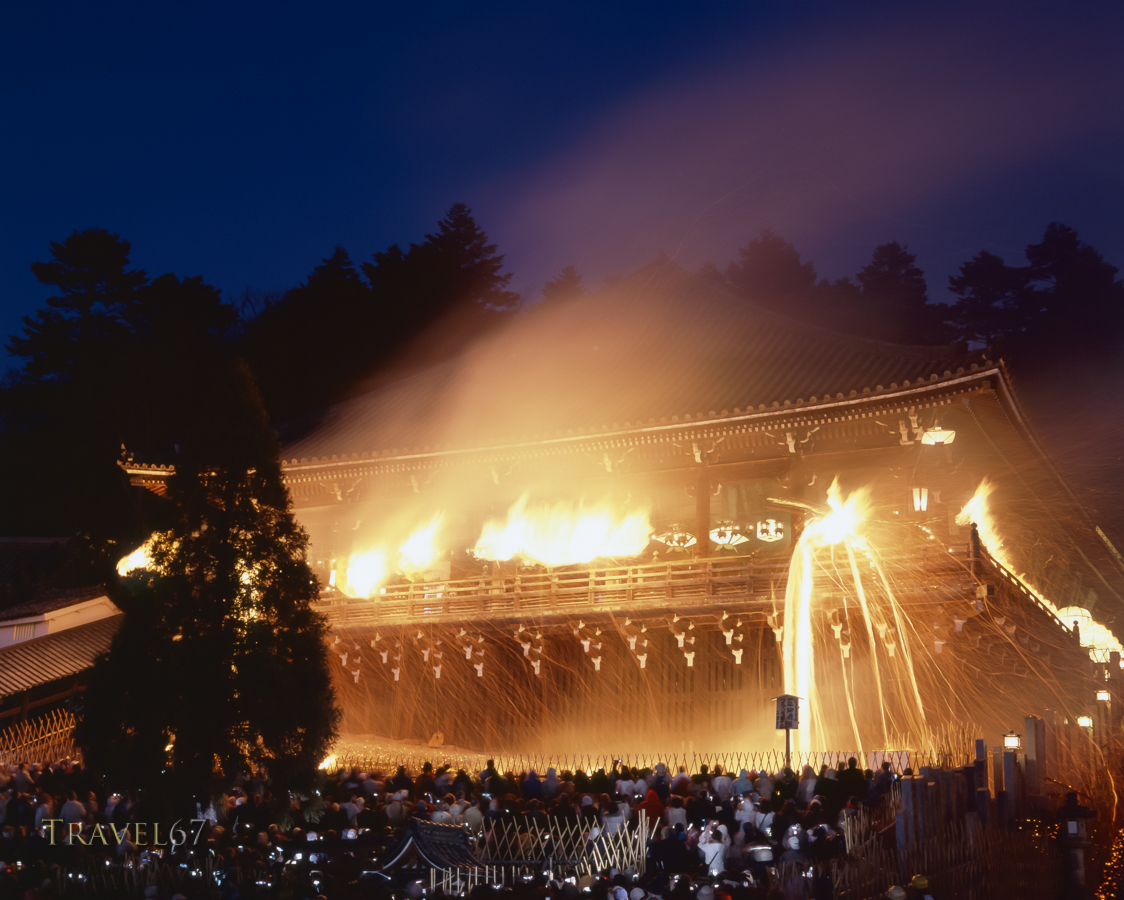
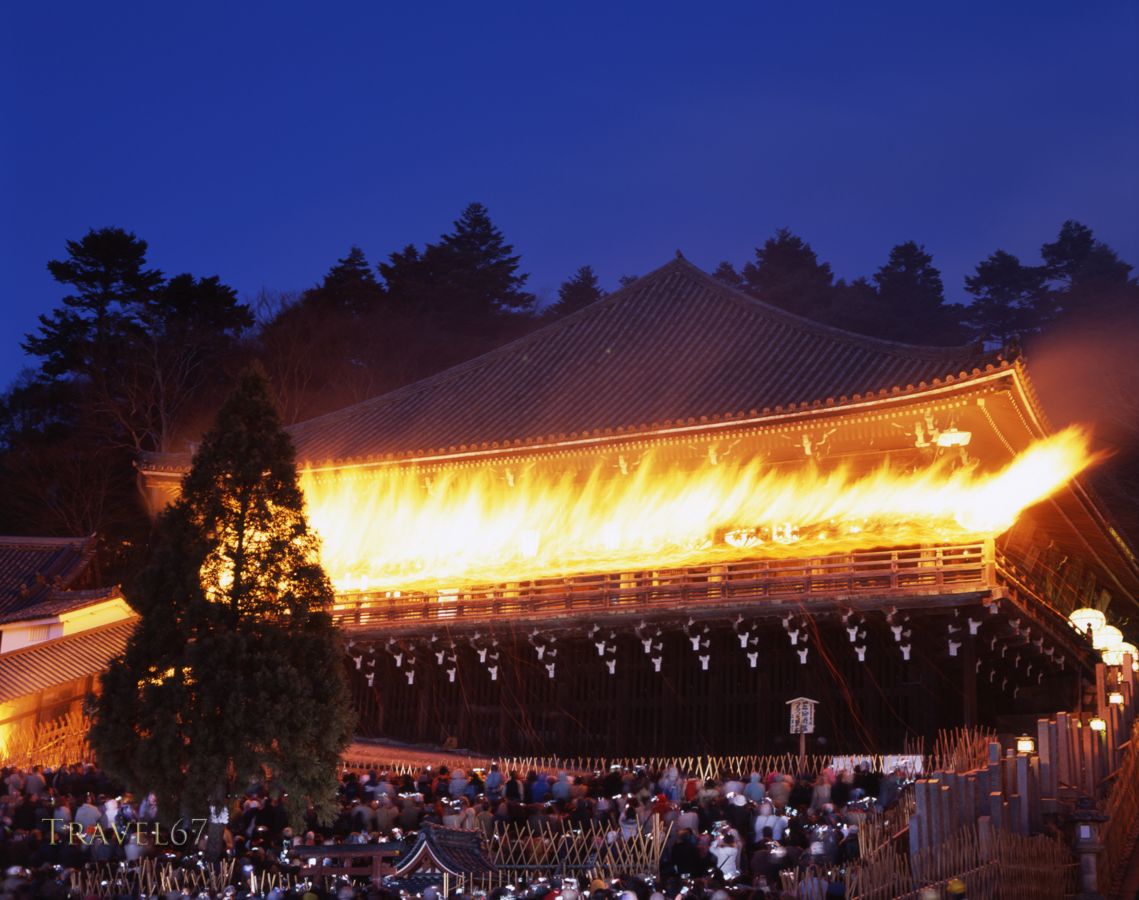
A short walk east from Todai-ji Temple are the Nigatsu-do and Sangatsu-do Halls. Nigatsu-do is famous for the view from it’s balcony at dusk, and the Omizutori Festival. The festival is held at midnight in March and involves monks parading around the temple balcony with fiery torches. The glowing embers rain down on the spectators below, purifying them.

Isuien Garden, Nara, Japan

Isuien Garden, Nara, Japan

Isuien Garden

The Isuien landscaped garden is a site of national scenic beauty and has been described as the pinnacle of Japanese garden design. Several small ponds and a meandering stream are surrounded by sculpted trees and stone lanterns, but the garden’s finest feature may be its use of “borrowed landscape.” A guest sitting in the teahouse can gaze over the koi carp and lily pads, but the view continues on to the roof of Todai-ji Temple and then the forested slopes of Mount Wakakusa. The designer of Isuien managed to create a small city garden with a vista that extends to the horizon.

Kasuga Grand Shrine, Nara, Japan

Kasuga Grand Shrine, Nara, Japan

Kasuga Taisha Grand Shrine

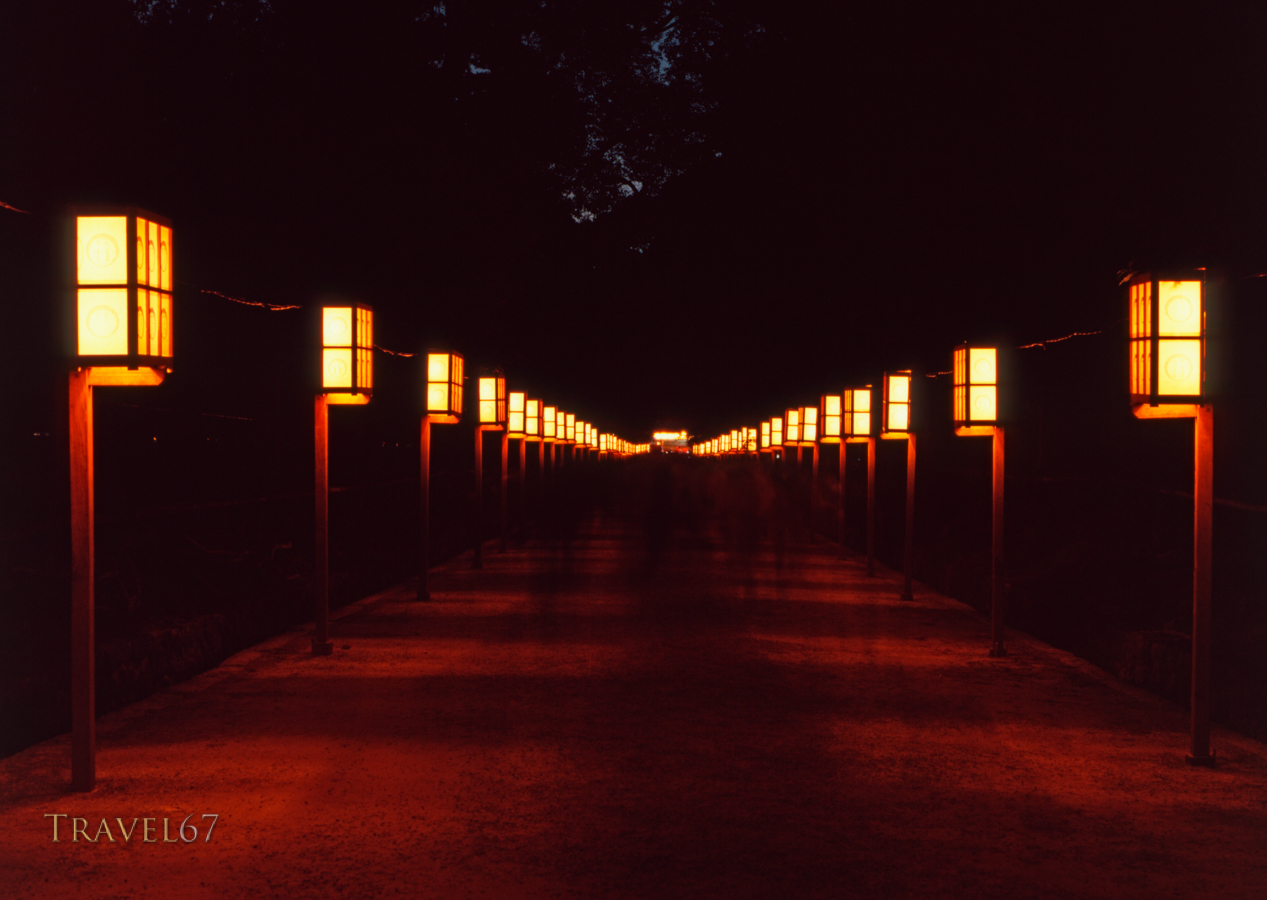
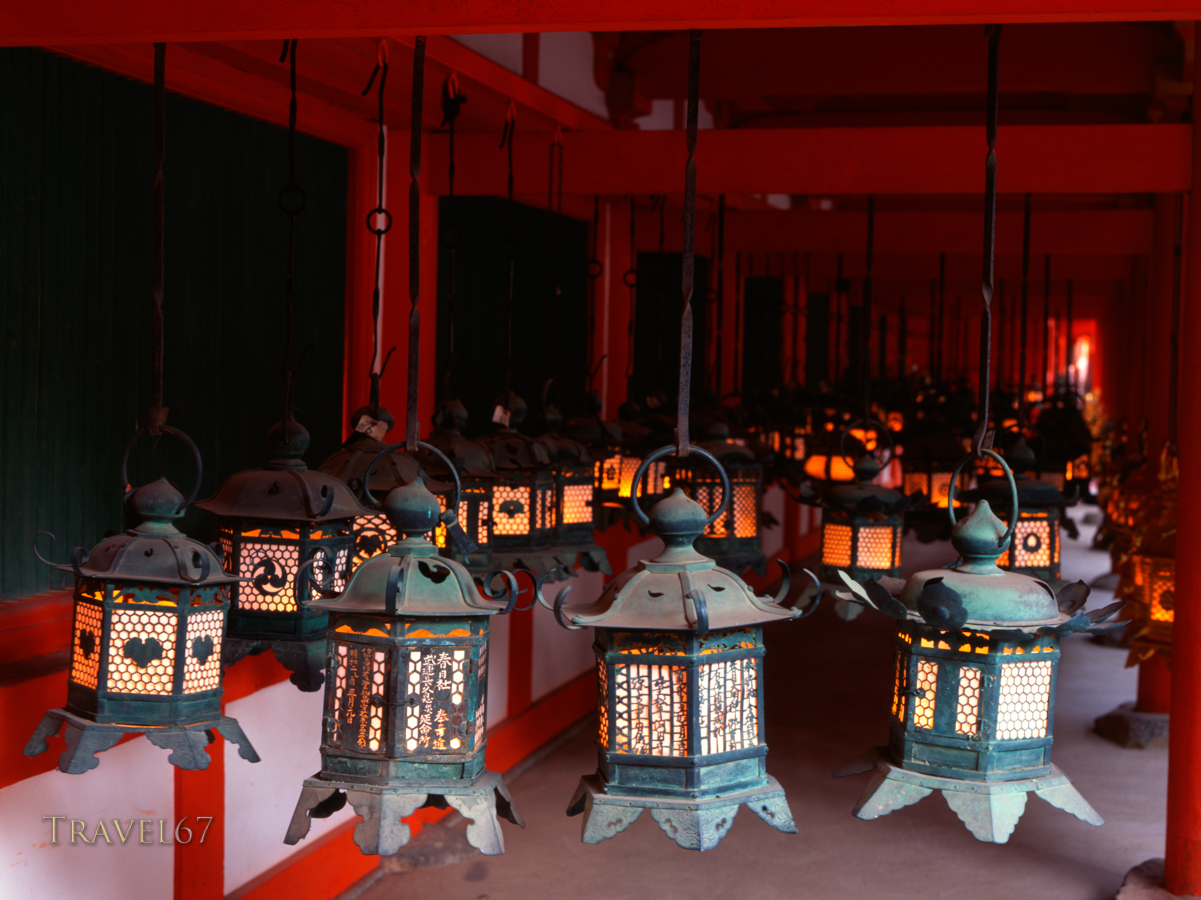
In the eastern section of Nara Park, a lantern lined path winds its way through the forest to Kasuga Grand Shrine. The Shinto shrine is of the Chinese style, it’s vermilion pillars contrasting with white walls. Like many other Shinto shrines the main structure was demolished and rebuilt every twenty years. The practice however lost popularity and Kasuga’s main building has stood since 1863. Kasuga is considered one of Japan’s most important shrines and is surrounded by around two thousand stone lanterns while another thousand bronze lanterns hang from the eaves of the buildings. The lanterns are lit twice a year during the February Setsubun and the August Obon Festivals.

Kasuga Grand Shrine, Nara, Japan

Kasuga Grand Shrine, Nara, Japan

Yakushi-ji Temple

Emperor Tenumu built Yakushi-ji Temple as a place to pray for the recovery of his sick wife and therefore is dedicated to the Buddha of medicine. The main attraction is the 3 story East Pagoda, which, due to intermediary roofs, appears to have 6 stories. The 19th Century American scholar Ernest Fenollosa after visiting Yakushi-ji described the unique structure of the East Pagoda as “frozen music.” The pagoda is, in fact the only original building that remains from the temple’s construction in the 8th Century. The importance of the pagoda lead to it being designated a national treasure and the whole temple complex being placed on the World Cultural Heritage List.

Horyu-ji Temple

Horyu-ji is Japan’s oldest temple and home to the oldest wooden buildings in the world. The five story pagoda was constructed in 693 and contains several sculptures of Buddha. The Kondo or Main Hall is another original wooden structure that has survived more than 1,300 years. The temple complex has a huge number of items of historical importance, of which some are on display in Horyu-ji’s Gallery of Temple Treasures, while others are now at Tokyo’s national museum.

Nara, Japan

Nara, Japan

Yoshino Mountain

Within Nara prefecture, but about 90 minutes by train from Nara city is Yoshino. The small village is built on the side of a remote valley and for most of the year it receives very little attention. In April, however, it becomes one of Japan’s most popular sites for viewing cherry blossom. Over a 100,000 cherry trees cover the slopes of Yoshino Mountain. Starting in the valley bottom a wave of pink petals moves slowly up the mountain. Unlike the rest of Japan where cherry blossom comes and goes in two weeks, the changes in altitude mean that Yoshino has blossom somewhere on the mountain for the whole of April.

Yoshino, Nara, Japan

Yoshino, Nara, Japan

When to Go

The best times to see Nara are during the bloom of cherry blossoms in early April and when the leaves are changing color in autumn. Another option is to time your visit with one of the major festivals e.g. the Lantern Festival at Kasuga Shrine held in February and August or the Omizutori Festival at Nigatsu-do hall held mid-March. The disadvantage with going at these times is that it can be crowded and accommodation is often filled well in advance.

Omizutori Festival, Nara, Japan

Omizutori Festival, Nara, Japan

Getting There

Nara is located 20 miles (32km) east of Osaka. International flights land at Kansai International from where there are train and limousine bus connections to Nara. Itami, Osaka’s domestic airport, is slightly closer. Limousine buses from Itami to Nara take about 70 minutes and cost ¥1,440. From Kyoto and Osaka there are regular train connections to Nara. If you are not using a Japan Rail Pass then it is better to use the privately owned Kintetsu Lines as the Kintetsu Nara Station is closer to Nara Park than the JR station.

Getting Around

It is possible to walk to all the main sites around Nara Park. Yakushi-ji temple or Horyu-ji temple can be reached by train or bus in about 30 minutes and 60 minutes respectively. Yoshino is further away, but can be reached using the Kintetsu Yoshino Lines in around 2 hours.

Where to Stay

The guidebooks usually advise people to come to Nara on a day trip and stay at the hotels and ryokans in Kyoto. This is a good idea if you are visiting both cities and don’t want to lug enormous suitcases around. Nara does, however, have more than enough sites for a two or three day stay, especially if you are going to visit the outlying temple of Horyu-ji or the cherry blossom at Yoshino. The other big reason to stay in Nara is that it gives you the opportunity to arrive at the most popular sites when they open and beat the bus tours and school groups. Once the hordes have left at four or five you can also enjoy a relatively quiet stroll in the park before heading up to Nigatsu-do Hall for the sunset.

There are a variety of business and tourist hotels along with traditional ryokan in Nara. If you can forgo having a western bed for one night, a stay at a ryokan is a memorable experience. On arrival the hostess will usually show you to your room and serve you with green tea. While you are eating dinner the staff will lay out the futons on the tatami matting that had been your living room floor. If your muscles are sore from walking, many ryokan even have their own hot spring pools.

Lighthouse at Cape Zanpa reopens

Cape Zanpa, Okinawa

Cape Zanpa, Okinawa

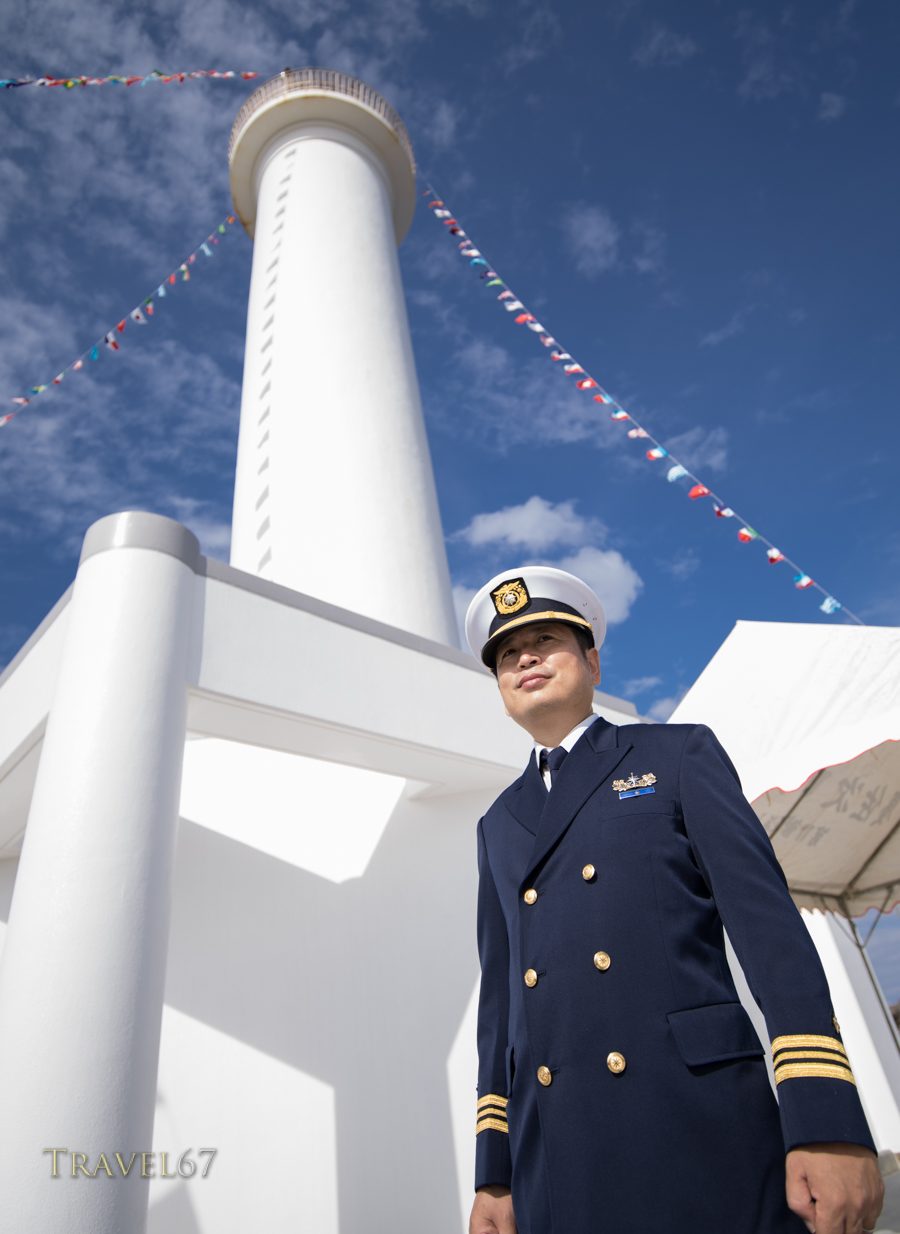
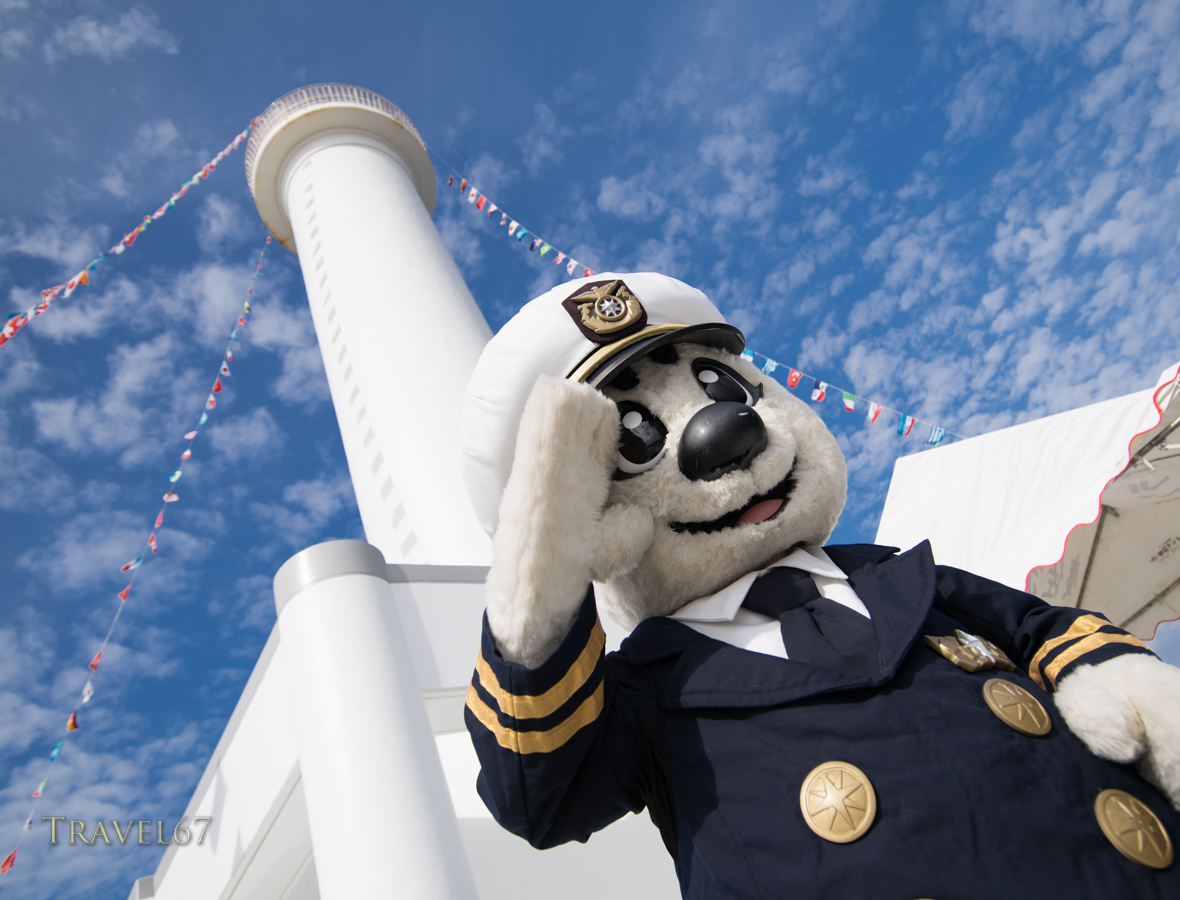
A couple of weeks ago the lighthouse at Cape Zanpa reopened to the public. I was out teaching the Photography Fundamentals workshop when we came across the special opening day event.  The mascot got my seal of approval.

Cape Zanpa, Okinawa

Cape Zanpa, Okinawa

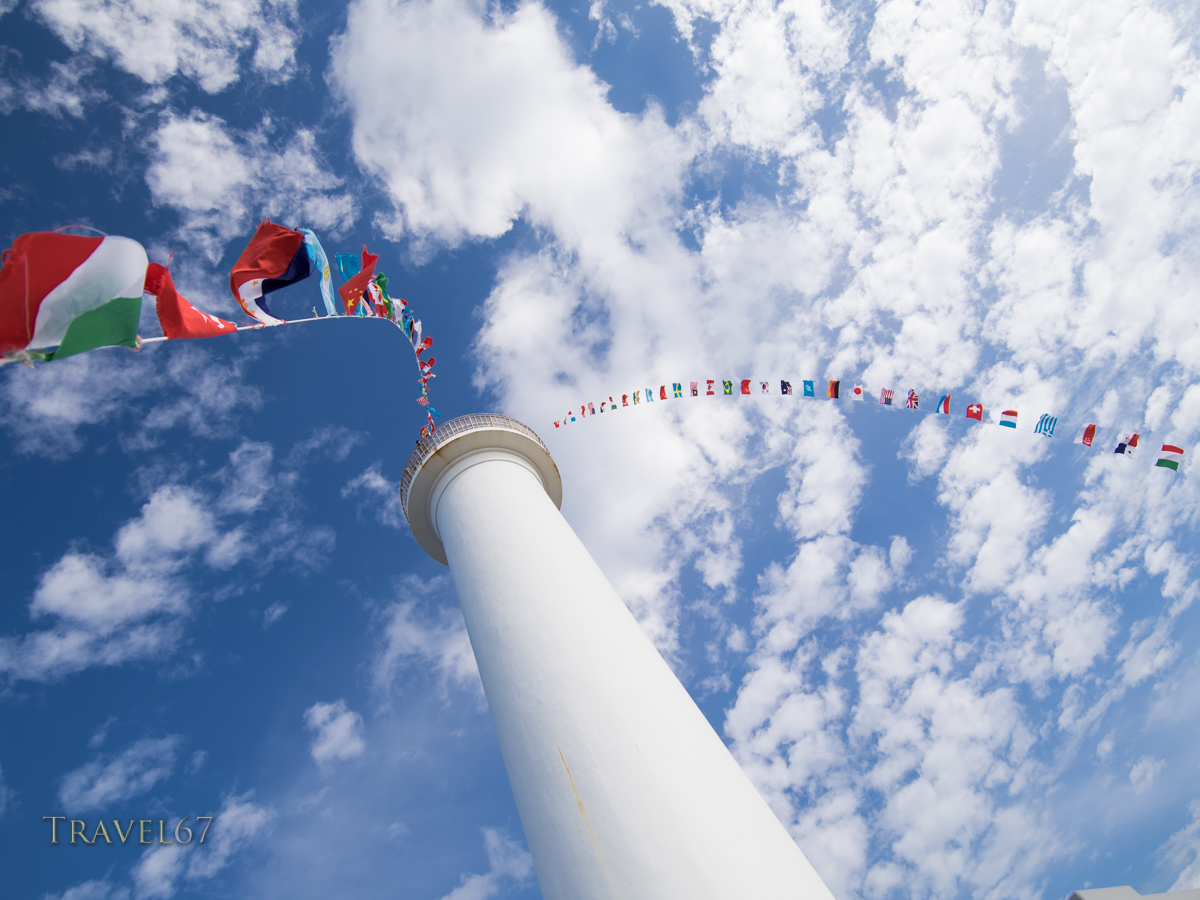
Unfortunately nobody seemed to have checked which end of the flag festooned rope they should attach to the top of the lighthouse. The result is that the flags of about 50 countries were flying upside down, an international signal of distress.

Cape Zanpa, Okinawa

Cape Zanpa, Okinawa

Snow Monkey Magic

Japanese Snow Monkeys at Jigokudani Onsen, Nagano, Japan

Japanese Snow Monkeys at Jigokudani Onsen, Nagano, Japan

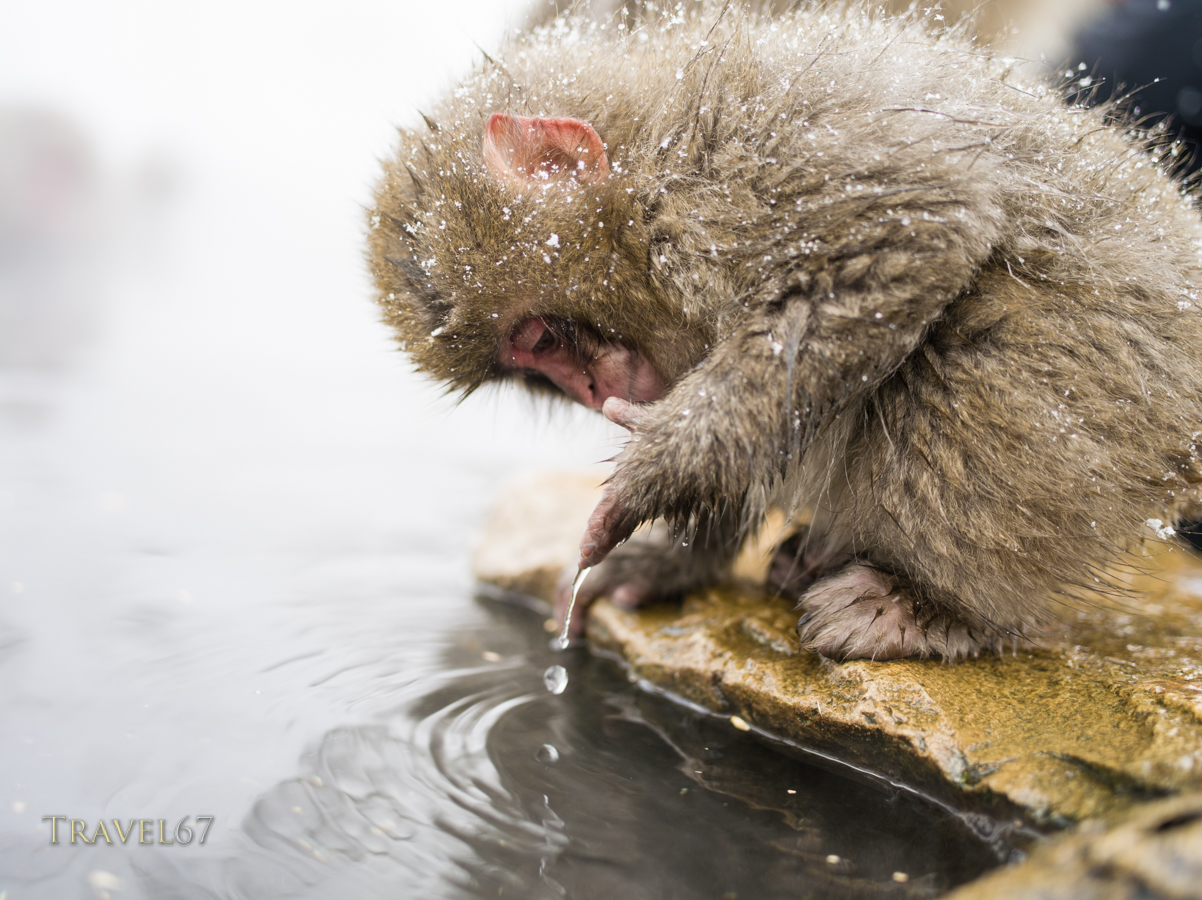
Bathing naked in a hot spring is a common, if not daily, event for many Japanese. The warm mineral waters soothe aching muscles and relax tired minds. In a country renowned for its almost fanatical work ethic, traditional onsen pools provide a moment of much needed relief. The Japanese people, however, aren’t the only ones enjoying the thermal waters. When snow begins to fall, a new group of bathers comes down from the mountains, and soaks in the steam enshrouded pools. Lounging around, they scratch and watch the world go by, unconcerned by the presence of video cameras and photographers. They are the ultimate hot spring aficionados — Japanese snow monkeys.

Japanese Snow Monkeys at Jigokudani Onsen, Nagano, Japan

Japanese Snow Monkeys at Jigokudani Onsen, Nagano, Japan

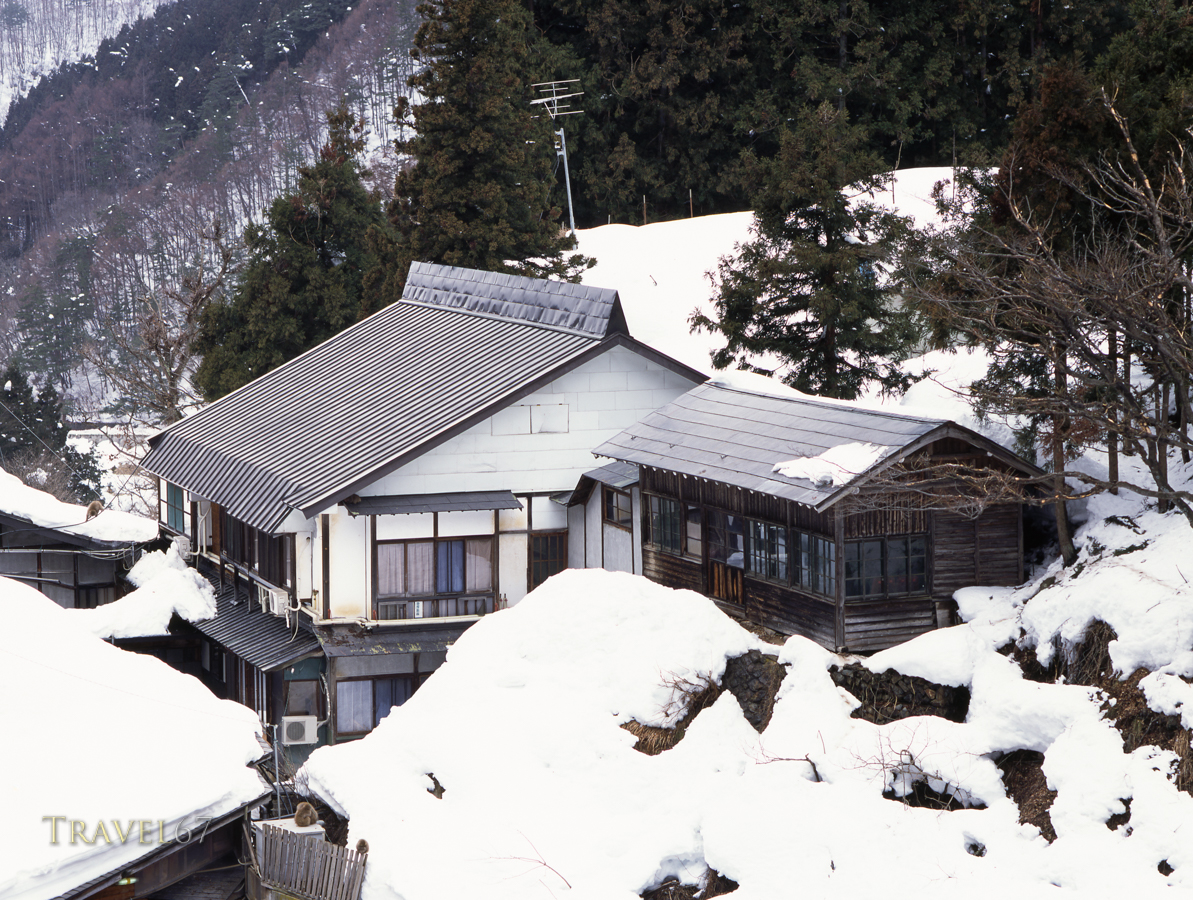
In a remote part of the Japanese Alps, near Shiga Koen Volcano, there is a quiet steep-sided valley called Jigokudani. A rough translation of the name would be Hell Valley, and every winter hell freezes over. A thick coating of snow and ice covers the valley sides, but plumes of steam continue to rise from the river below. There is also the faint, but unmistakable, smell of sulfur. Hot water is piped down to hotels in the village of Kanbayashi Onsen, but there are also hot spring pools in Jigokudani. These outdoor pools are used by two groups of visitors: the guests at the valley’s solitary inn and the local snow monkeys.

Japanese Snow Monkeys at Jigokudani Onsen, Nagano, Japan

Japanese Snow Monkeys at Jigokudani Onsen, Nagano, Japan

The Japanese Macaque is well documented as being a smart animal. There are examples of monkeys washing sweet potatoes to remove the dirt, and even dipping them in sea water to add salt for flavoring. In 1963, a young female monkey clambered into a hot spring to collect soybeans that were floating on the surface of the water. The behavior was copied by others in the troop, and soon it became common for the monkeys to retreat to the hot pools when the harsh winter arrived.

Japanese Snow Monkeys at Jigokudani Onsen, Nagano, Japan

Japanese Snow Monkeys at Jigokudani Onsen, Nagano, Japan

Part of Hell Valley is now called Jigokudani Wild Monkey Park, but this is no zoo. The monkeys are all free-ranging; their troops move in and out of the valley depending on the season. In winter, when food is limited, monkeys congregate in and around the pools for warmth and the daily supply of barley and soybeans.
_6455506SE900

Two groups of wooden buildings are located at the head of the valley: a Japanese Inn or ryokan and the park’s visitor’s centre. The relative inaccessibility of Jigokudani means that unlike the other iconic sites of Japan (Gion’s geisha district, Nara’s Todai-ji Temple or Kyoto’s Golden Pavilion) there is an absence of coach parties, school groups and umbrella-waving tour guides. Entry to the park is 500 yen and you are told to leave any food you may have inside the visitor’s centre. You are also warned not to touch the monkeys nor stare into their eyes.
Japanese Snow Monkeys at Jigokudani Onsen, Nagano, Japan

Japanese Snow Monkeys at Jigokudani Onsen, Nagano, Japan

Before you have even left the warmth of the visitor’s center, you can hear them. They scamper across the metal sheeting of the roof and down the drainpipes. A path is cut in the snow leading to the hot spring pool, and the monkeys gather there to inspect the new arrivals. As you approach, they sit and watch silently, then turn and saunter away. The adult monkeys weigh around 20 pounds (10 kilograms) and stand about two feet tall. They are not intimidating, or even that interested in your presence, but then again, they have learned that visitors are not carrying any food. The park also has a large number of juveniles; the smallest of the monkeys can be seen still clinging to their mother’s fur.

Japanese Snow Monkeys at Jigokudani Onsen, Nagano, Japan

Japanese Snow Monkeys at Jigokudani Onsen, Nagano, Japan

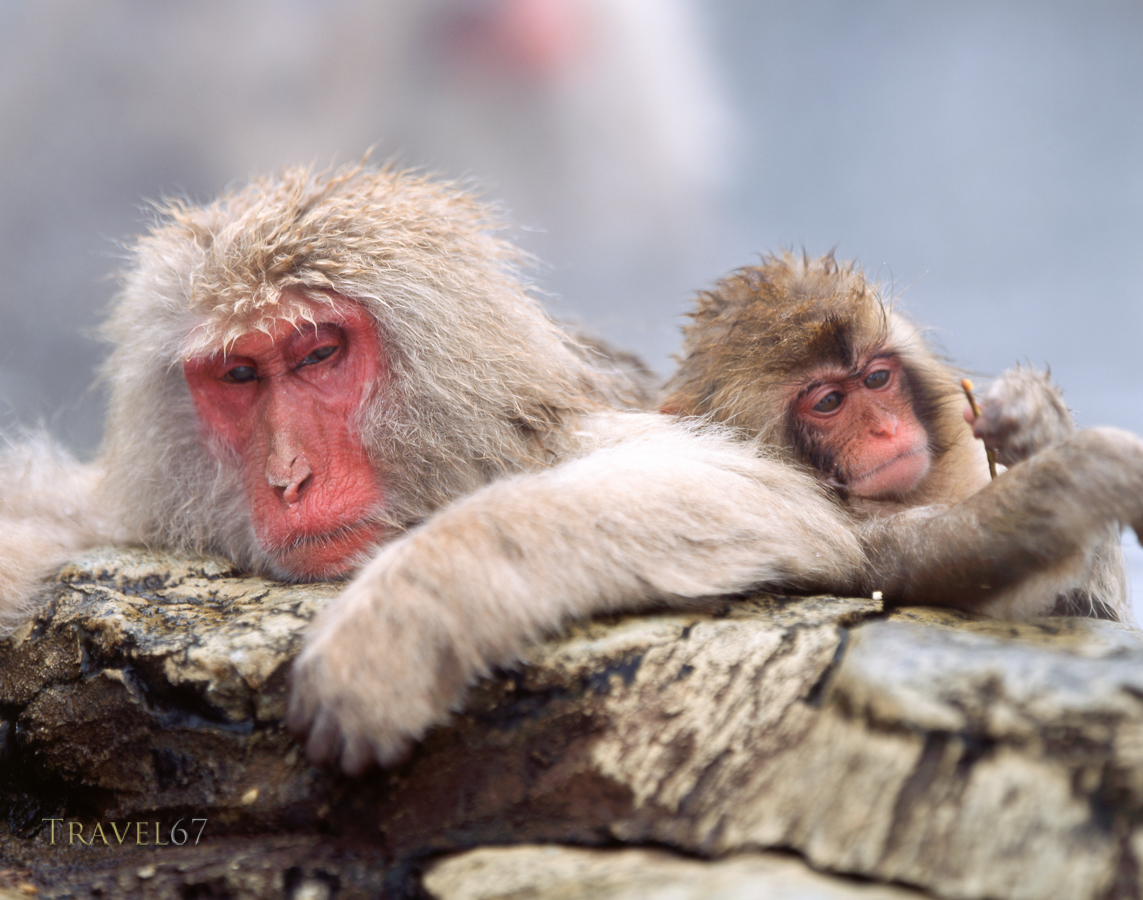
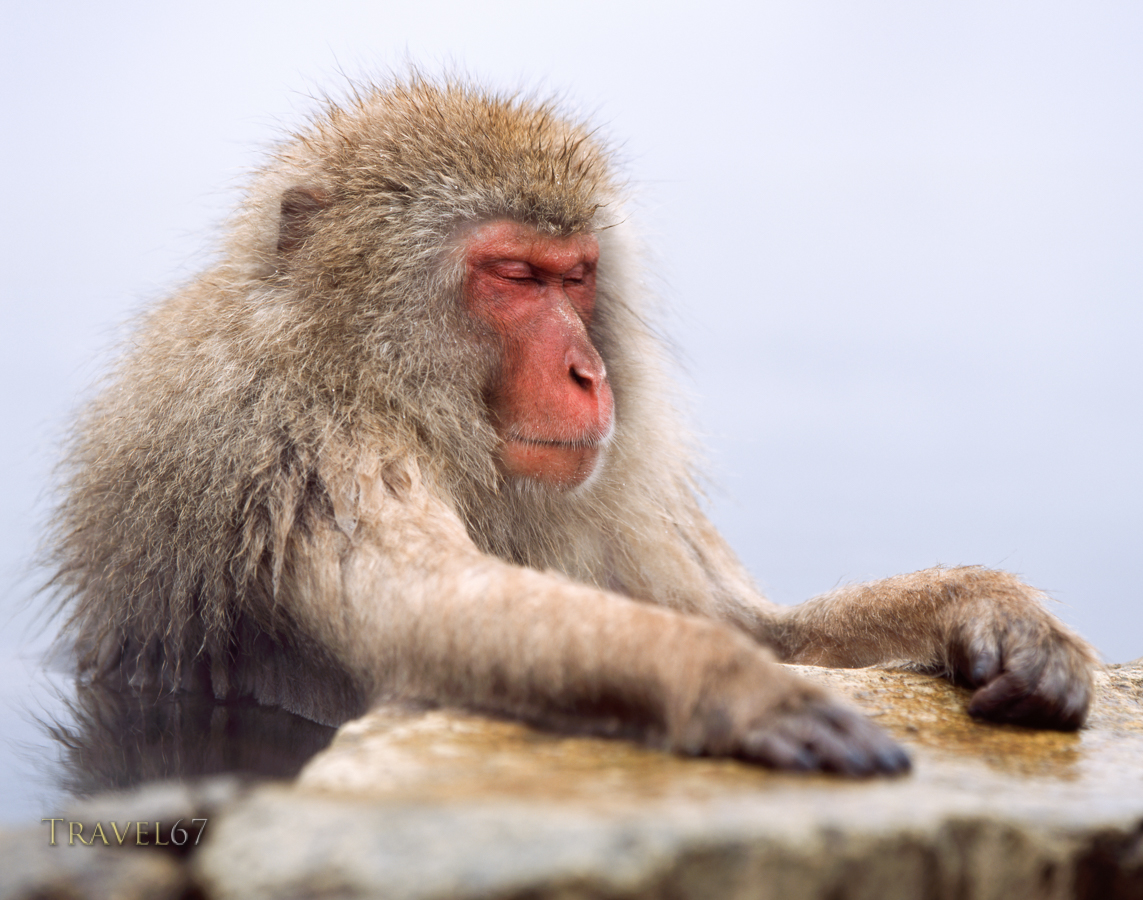
The main hot spring pool was constructed specifically for use by the monkeys. There is a steep snow bank on one side, while the river bubbles away on the other. Once the monkeys are sitting in the warm water, they are even less concerned by the presence of voyeurs. Some sit motionless in the pool, their arms placed languidly over the rocky lip. Mothers groom their babies’ fur, while juveniles groom the older, more dominant, monkeys. In winter the monkeys’ fur is thick and grey-brown in color; their faces, however, are naked showing expressive features. The younger monkeys have light brown faces which become deep red as they mature. Making eye contact with a monkey can be seen as a threat and lead to being attacked, but it is possible through a camera lens. Standing behind my tripod and telephoto lens I looked through the viewfinder and saw the monkeys staring back at me. Their green-brown eyes seem to show a considerable amount of intelligence. The fact they are relaxing in the warm pool while I stand knee deep in snow raises the question: Which of us is smarter?

Japanese Snow Monkeys at Jigokudani Onsen, Nagano, Japan

Japanese Snow Monkeys at Jigokudani Onsen, Nagano, Japan

It is interesting to note that the three monkeys who “hear no evil, see no evil and speak no evil” were based on the Japanese Macaque. However, this may have more to do with a play on words rather than the religious importance of monkeys. The three truths of the Tendai sect of Buddhism are mizaru (see no evil), kikazaru (hear no evil) and iwazaru (speak no evil.) The Japanese verb ending –zaru and the word for monkey (salu) are pronounced almost identically. The use of monkeys therefore may be no more than a clever visualisation of a religious teaching.

Japanese Snow Monkeys at Jigokudani Onsen, Nagano, Japan

Japanese Snow Monkeys at Jigokudani Onsen, Nagano, Japan

Getting There

Although Japan arguably has the world’s best transport system, Jigokudani Valley could not be described as easily accessible. The Shinkansen Asama bullet train covers the first 140 miles (220km) from Tokyo to Nagano in a little over 90 minutes. At Nagano City, however, you must change to the slow local train to Yudanaka, and then the even slower bus to Kanbayashi Onsen. From Kanbayashi it’s all on foot, trekking up the snow covered road until a trail breaks off through the trees. For two kilometers the path winds its way through a forest of red pine and Japanese larch until arriving at Jigokudani.

Where to Stay

It is feasible, but rushed, to stay in Nagano City and visit the monkeys as a day trip. Another possibility is to stay at one of the hotels in Kanbayashi Onsen. The third option would be to stay in Hell Valley itself at the Korakukan Jigokudani. Korakukan is a small inn with twelve Japanese style rooms. It is located right next to the monkey park and has hot spring baths both inside and outside. If you want to get close to nature, this is about as near as you can get. The monkeys clamber over the building, look through the windows and even use the inn’s outdoor baths. It costs around 10,000 yen per person per night, but this includes dinner and breakfast.

Japanese Snow Monkeys at Jigokudani Onsen, Nagano, Japan

Japanese Snow Monkeys at Jigokudani Onsen, Nagano, Japan

It is also important to realize that when walking two kilometers up a snow covered track, boots and a rucksack are preferable to sneakers and a suitcase.

More information

Jigokudani Wild Monkey Park has its own webpage. You can even see what the monkeys are up to by clicking on the webcam.

Details about the traditional Japanese inn, Korakukan Jigokudani can be found at http://japaneseguesthouses.com/db/nagano/korakukan.htm

The Best of Hokkaido

Hokkaido, Japan

Hokkaido, Japan

Hokkaido is the northernmost of Japan’s four main islands, and its final frontier. It has a quarter of the country’s landmass, but only one twentieth of its population. Large sections of the island are national parks where foxes, deer and brown bears outnumber people. Visitors come during winter to ski, and during summer to camp, hike and soak in hot spring pools. Hokkaido provides an escape from modern Japan to an almost primordial time. Amidst volcanoes, geysers and ice flows visitors can experience the ancient, wild side of Japan.

Winter Attractions

Skiing and Snowboarding

Hokkaido’s winter weather is strongly influenced by the cold winds blowing in from Siberia. In Sapporo, the temperature regularly drops to -5°C, and further east, away from the ameliorating affects of the ocean, it gets as low as -30°C. The winters bring a lot of snow, and the big dumps of fluffy powder make the island’s ski resorts the best in Japan. Sapporo hosted the 1972 Winter Olympics, but until recently, Hokkaido’s excellent skiing and boarding was not well known outside of Japan.

There are large ski areas in the Furano, Rusutsu and Niseko. Although the resorts are not as big as many European ski hills, Hokkaido has a lot to offer both beginners and those who prefer the steep and deep.

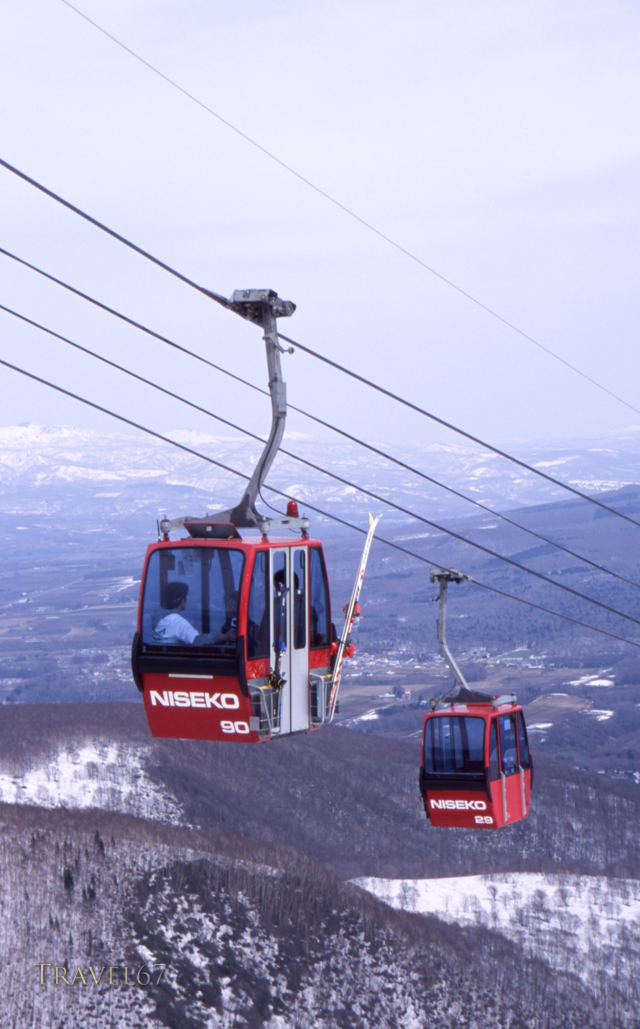
Niseko Hirafu has 57 runs, 28 lifts and, with floodlit slopes, skiing and boarding continues long after the sun has gone down. The après-ski activities are subdued, but many of the hotels have their own onsen (hot spring pools) where you can sit and soak away the day’s aches and pains.

Niseko, Hokkaido, Japan

Niseko, Hokkaido, Japan

Abashiri Ice Flows

As a rule of thumb, ships that plow through icebergs are not going to last long. The high pitched squeal of the hull scraping the ice is usually followed by a loud crack as metal gives way. The Aurora, however, is not an ordinary boat. Throughout the winter, the icebreaker takes a tour from the port of Abashiri out into the ice flows covering the Sea of Okhotsk. While the Aurora crunches along, the passengers look out for seals, feed the gulls, and try not to think about the Titanic.

Red-Crested Cranes

Legend says that Japanese cranes live for a thousand years and that the mere sight of them will bring longevity and prosperity. In fact, a pair of cranes used to be on the back of every 1000 Yen banknote. At the start of the 20th Century the birds themselves were on the verge of extinction. The situation has slowly improved due to protection of Hokkaido’s wetlands and local people providing food in winter. Today, more than 600 birds live in the Kushiro area.

These elegant black and white birds have a red patch on the tops of their heads and are highly photogenic. For most of the year, the cranes live amongst the tall reeds of the marshes and are difficult to observe. In winter, however, the birds move out onto the snow covered fields to search for food and to find a mate. Out in the open, pairs of birds begin to dance. Balancing on their spindly legs, the cranes raise their heads skywards and throw back their wings. The birds circle each other, their breath forming tiny clouds in the cold air. The dance continues with a series of bows, leaps, kicks and pecks.

This timeless ritual may be performed for fun, to assess social status, or even to enhance the pair-bond between mates. Many cranes remain paired for life, and the birds are regarded as symbols of marital happiness as well as longevity. On bridal kimonos it is not uncommon to see a pair of red-crested cranes captured mid-dance.

Sapporo Snow Festival

Sapporo Snow Festival

Sapporo Snow Festival – Yuki Matsuri

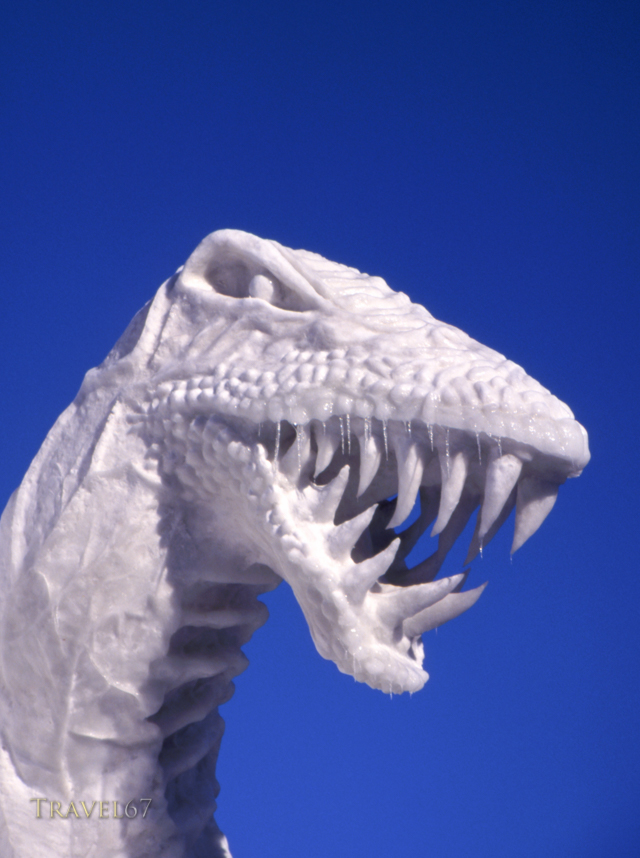
There is a 30ft tall T-Rex looming over a young Japanese family. It bares its teeth and beads of saliva hang from its lips. The T-Rex is not looking down, but out across the park toward Thomas the Tank Engine, and Pikachu. All three stand motionless, as they have done for the last week. But Pikachu’s creators are far more worried by the effects of the sun than any dinosaur. A brief warm spell could transform their work of art into an indistinguishable puddle.

Every year in early February, teams from around the world descend upon Odori Park in Sapporo with shovels, chainsaws and ice picks. Gigantic blocks of snow and ice are transformed into sculptures that range from delicate flowers to whales and entire buildings.

Toddlers career down near-frictionless ice slides while parents stand close by, videotaping the rite of passage for posterity. The weather is usually bitterly cold, but there is a steady supply of coffee and hot chocolate. If that doesn’t work, then the festival has 2 million spectators visitors can huddle between.

Sapporo Snow Festival

Sapporo Snow Festival

Dog Sled Competition

For the pampered pooches of Tokyo the toughest part of the day is deciding whether to wear the Gucci or Louis Vuitton collar. At dog sled competitions in Hokkaido there isn’t a Chihuahua, Toy Poodle or Bichon Frise in sight. The competing Huskies are big, strong, disciplined, and yearning to tear across the snow-covered hillside. Riding a dog sled is probably the closest man can get to actually running with the wolves.

The Japan Cup Dog Sled Competition is held in Wakkanai on the northern tip of the island. It takes place on the last weekend in February and entrants from throughout Japan come to compete. In some of the world’s harshest conditions the competition tests the teamwork between man and man’s best friend.

Spring and Summer Attractions

Volcanoes and Hot Springs

In March 2000, Mt. Usu was classified as a dormant volcano. Then it woke up. On the last day of the month, the volcano gave a deep earth-shaking growl and spat a cloud of black ash into the sky. The eruption continued for several days and was a clear reminder that Hokkaido is still geologically active.

Mt. Usu erupts 2000

Mt. Usu erupts March 2000

Around Lake Toya there are several spa hotels where guests can bathe in the hot spring pools. Although the hotels were temporarily evacuated during the eruption they remain a popular destination for tourists seeking relief in the therapeutic waters.

Noboribetsu, Hokkaido

Noboribetsu, Hokkaido

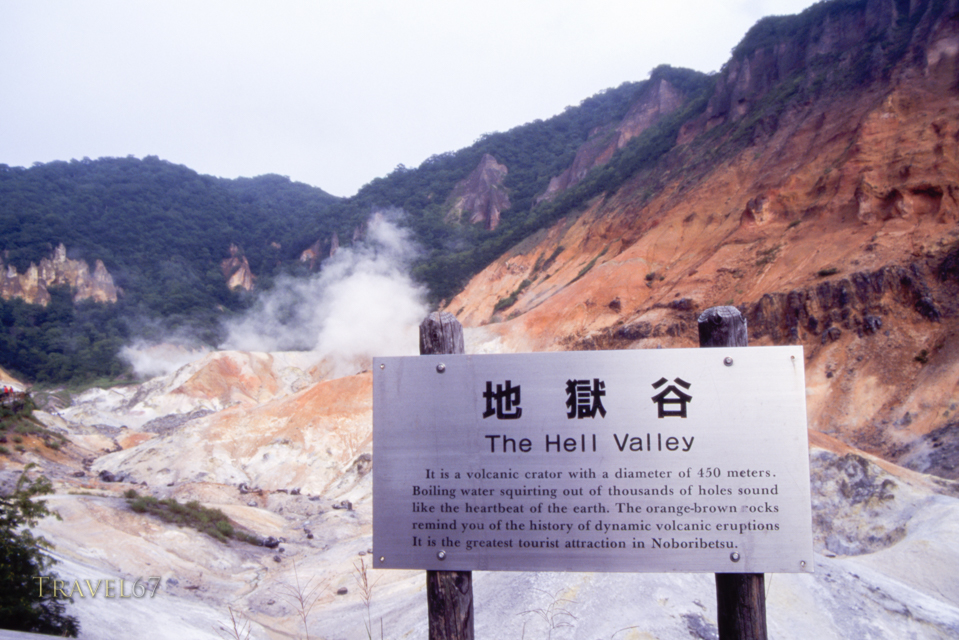
Noboribetsu Spa is located on the southern coast of Hokkaido. As well as the spa hotels the area is popular with visitors who wish to enter Hell. Hell Valley is in fact the largest outpouring of hot mineral water in Asia. Visitors are given tea spoons so they can try a little of the steaming water. The slightly murky concoction tastes of vinegar with a bad egg aftertaste. It explains why people come here to bathe in the water rather than drink it. The pools in the valley itself are generally far too hot for people to relax in. The coolest ones leave you feeling cooked, while the hottest ones have been fenced off to protect people from the boiling water. The hotels, however, have a selection of pools that are fed by water from Hell. Unlike the natural pools they have a less painful range of temperatures and the sulfurous bad egg smell is not quite so noticeable.

Ainu, the indigenous people of Hokkaido

Ainu, the indigenous people of Hokkaido

Ainu – Hokkaido’s Indigenous People

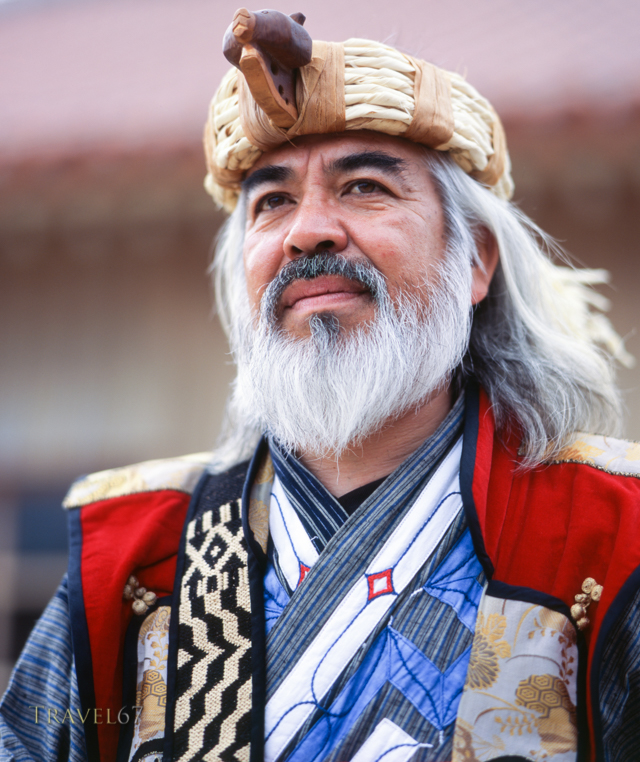
The Ainu were the only inhabitants of Hokkaido, until the national government encouraged immigration from the Japanese mainland. Forestry by the new arrivals reduced the areas where the Ainu could hunt and brought diseases to which they had little resistance. Now, the Ainu are a minority group, but through festivals, parks and museums, they make sure their history is not forgotten.

The Ainu are physically different from mainland Japanese; they are shorter, more muscular and have more body hair. They have their own music and dances, which are often influenced by the animals and environment around them. Songs celebrate fishing or the hunt for bears, while other rituals such as the crane dance mimic the movement of the birds.

Near Shiraoi on Hokkaido’s southern coast is Poroto-Kotan Ainu Museum. Shiraoi was once one of the largest Ainu villages. Porto-Kotan remains a museum-cum-miniature theme park that hopes to educate both foreigners and Japanese about the traditions and culture of the Ainu people. It is an interesting look at a dying culture, but the caged bears may leave some visitors wondering if animal husbandry has fallen at the wayside of commercialization.

Daisetsuzan National Park

Daisetsuzan National Park

Hiking

Six national parks, five quasi-national parks and twelve prefectural parks provide many opportunities for hikers. Fir, pine, beech, oak and larch cover the valleys and lower hills while the highest peaks remain capped with snow throughout the year.

Mt. Yotei is known to locals as Ezo Fuji or Hokkaido Fuji due to its conical shape. The mountain is close to Niseko and Lake Toya and during summer many visitors undergo the four or five hour hike from the parking lot up to the crater rim at 1,893 metres.

The crater of Mt. Tarumae near Lake Shikotsu is fenced off. The 1038m mountain is still an active volcano and although not presently erupting, fumes emanate from fumaroles inside the crater. It is possible to drive to just a few kilometers from the volcano’s summit and then hike for 40 minutes to the crater rim. You could also spend the whole day on the climb by starting out from the campsite at Lake Shikotsuko.

Daisetsuzan National Park

Daisetsuzan National Park

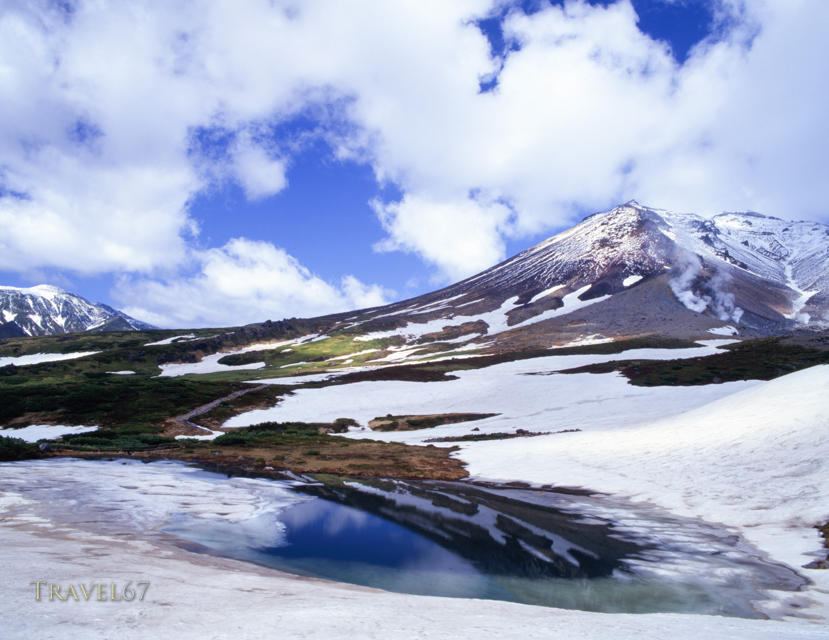
Daisetsuzan National Park is the largest National Park in Japan at 890 square miles. Mt. Asahidake is the park’s high point and at 2,290 metres is also northern Japan’s highest mountain. A cable car runs from Asahidake Spa at 1000m up to 1600m. It is then a moderate hike for two hours over broken rock and then snow to reach the summit. From the top you can hike around the edge of the Ohachidaira Cauldron before returning via Sugatami Pond to the cable car. Another option from the summit is to press onward to Mt. Hokkaidake (2,149m) then Mt. Kurodake (1,984m). Not far from the summit of Kurodake, a chairlift and then cable car can take you all the way down to Sounkyo Spa on the otherside of the national park.

Daisetsuzan National Park

Daisetsuzan National Park

Summer Festivals

The Yosakoi Soran Festival is held in Sapporo every year in mid-August. It is a celebration of dance that combines the traditions of the Yosakoi Festival of Kochi Prefecture and the Soran folk music of Hokkaido. The dancers are grouped in teams which can be made up of hundreds of people. Each team has its own costume and unique ensemble dance number. Some of the dances are held on giant stages while others spread out across Odori Park.

Unlike winter, when Furano has a thick layer of snow, summer sees the grassy slopes covered with purple lavender, and red poppies. In July the area has a flower festival where everything from Kitty-chan dolls to the ice cream is colored purple and scented with lavender.

When to go

Most of the ski resorts are open in early December and don’t close until the end of April. Sapporo snow festival is usually in the first week of February. The dog sled competition is held during the last week of February. The red-crested cranes are out in the open during January and February.

Unlike the rest of Japan, Hokkaido does not have a rainy season. The summers are also much drier and cooler than in mainland Japan where the high humidity can become oppressive. June, July and August are the perfect time to camp, kayak and hike in Hokkaido. Sapporo’s Yosakoi Soran Festival is held in mid-August while Furano’s flowers are in full bloom during July.

Getting There

International and domestic flights land at Chitose Airport about 30 km southeast of Sapporo. Tokyo to Sapporo is one of  the world’s busiest air routes. There are regular trains that connect the airport with the city centre in around 40 minutes.

Getting Around

Hokkaido, like the rest of Japan, has a comprehensive rail system. In winter when the roads are covered in a thick layer of snow and ice, trains are by far the fastest, most reliable and safest way to get around. Ski buses run from Sapporo and Otaru all the way to the resort’s ticket offices.

In summer, however, if you want to hike, camp or explore the more remote parts of the island a car is invaluable. There are several rent-a-car agencies, but you will need an international driver’s license. Except for central Sapporo, the roads tend not to be crowded. One thing to remember, however, is that Hokkaido is big, and with a 50kph speed limit on rural roads and 80kph limit on the expressways it may take a while to get to your destination.

Sapporo has its own subway system that connects the main railway station with other sightseeing areas like Odori Park, Suskino and the Botanical Gardens. The city also has a modern grid based street system making it the easiest of Japan’s cities to find your way around.

Where to stay

Sapporo is Japan’s fifth largest city and has a wide range of accommodation, from hostels through to 5-star hotels. Otaru is a small port town, 30 minutes west of Sapporo and serves as a good base for exploring the Niseko and Toya areas.

Camping on beaches and lakeshores is not a problem. There are also 350 official camp sites which have facilities ranging from a single faucet all the way up to hot showers, log cabins and convenience stores.


Okinawan Chondara

Okinawan Chondara

Okinawan Chondara

I regularly meet this chondara (Okinawan clown) when teaching my photography workshops, yesterday he had a new face pattern. I had presumed that each chondara would have a unique pattern they would keep for life, but I guess Okinawan clowns take these things lightly.

Prints now on sale through Fine Art America

Cherry Blossom

Cherry Blossom

I’m now offering some prints for sale through Fine Art America. This will allow friends to purchase a wider range of images, sizes, and media than I currently offer. It also means that prints will be available to purchase even when I’m overseas.

School's Out

School’s Out

A few reasons why I chose Fine Art America.

1) Great reviews on the quality of their prints.

2) A large range of products, that I couldn’t offer myself such as canvas prints, frames etc.

3) They produce the items in either the United States or the UK (Glasgow) depending where you’re shipping to. This is the big game changer. The majority of people who have bought my prints are based in either the US or UK. Shipping is therefore affordable, and there are no import taxes for either group.

Zampa Twilight

Zampa Twilight

What can’t they offer.

1) Signed prints. For a few more months I will continue to offer signed limited edition prints through the TRAVEL67.com website, but after then these will only be available at exhibitions, bazaars, and in person.

Water Lily

Water Lily

Meanwhile I’ll continue to upload more of my favorite images to Fine Art America, you never know, you may find the Christmas present you’d been looking for.

Crusader for Health – Interview with Dr. Makoto Suzuki

Dr. Makoto Suzuki is a cardiologist and geriatrician. In 1976, he moved from Tokyo to Okinawa and began work at the Ryukyu University Hospital. While working in the field of community medicine, he discovered that there were an unusually high number of very healthy old people living on Okinawa. He began the Okinawa Centenarian Study, which has documented the phenomenon for more than 30 years. The findings of his research became the basis of several books that became bestsellers in Japan and around the world.

Dr. Makoto Suzuki

Dr. Makoto Suzuki

How did you discover the phenomenon of Okinawan longevity?

“I had heard that there was a very healthy old lady living in Yomitan Village, so I, and two others from the hospital, went out to meet her. She was over 100 years old, but when we arrived she was outside cutting the grass with a sickle. I was amazed at how fit and strong she was. When we talked to her, she didn’t think she was unusual at all. In fact, she pointed out that another healthy centenarian lived directly opposite her. When we went back to Naha City, and checked through the medical records, we found that Okinawa had 32 people over 100 years old. Although six were bedridden, 26 of these centenarians were in excellent health.”

How many centenarians are there on Okinawa now?

“There are now around 700 centenarians in Okinawa, but most of them are bedridden. The number of super healthy very old people has not gone up much from the 26 we counted at the beginning of our study. This is an important point, as it means that although advances in medical technology can keep us alive, those extra years are not always active and productive. Our goal needs to be not just longevity but healthy longevity.”

What are the main factors that have kept elderly Okinawans in such good physical shape?

“I think there are four keys to their health: diet, exercise, self-care, and community care. The traditional Okinawan foods like goya champuru, sweet potatoes, fruits and vegetables have a lot of nutrients and are low in fat.

The elderly are also used to strenuous jobs such as cutting sugar cane and continue to be active gardening and walking. This regular exercise keeps their bodies strong and supple.

Self-care is about having an awareness of your own health and getting regular check-ups by the local doctor, while community care is important to extinguish mental troubles. On Okinawa, many elderly people attend mowai, or get-togethers where they cement friendships and can help each other with any problems they might have. Unfortunately the lifestyles of younger Okinawans do not match with these four keys to health, and their life expectancy is dropping.”

How do the lifestyles of young Okinawans differ from those of their parents or grandparents?

“Food and, more specifically, fat is the biggest issue. Younger people are more likely to choose a hamburger over goya champuru when eating in a restaurant. The number of obese males has dramatically increased, and this leads to many medical problems including heart attacks, strokes, and several hormone dependent cancers. Cars, rather than walking, are now the main form of transport, and computer-based jobs mean that, for many, the only muscles they are exercising are those in their fingers. In addition to this decline in physical fitness, young people are not taking as much care of their mental health. In big cities the community spirit that is so important for the elderly is not as strong. ”

Are you optimistic about the future?

“Okinawa’s ranking for male life expectancy has dropped from number one to number 26 in Japan, but the life expectancy of Okinawan females remains at the top. If the health of the island’s women also decreases, Okinawa will no longer be able to claim itself as the centre of longevity.

I am hopeful that the study’s results, especially the ideas of better self-awareness of health, will help many others. In September 2006, I hosted the Ningen Dock conference, during which 7,000 doctors, researchers and technicians from around the world discussed how to achieve successful longevity. Ningen Dock is the idea that just as ships regularly go into dock to be checked and serviced, so should people. Regular medical checks would allow doctors to catch problems before they become serious. This leads to a change in the emphasis of medical care from treatment to prevention. Hopefully, more people will then be able to live longer, healthier lives.”

More Information:

www.okicent.org