Latest Posts

The Day After

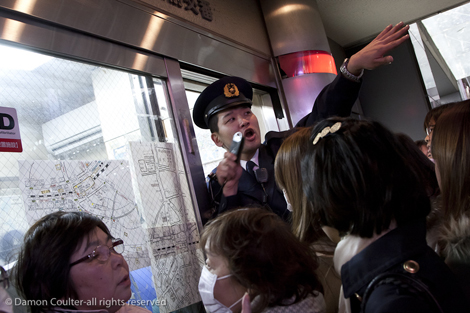
March 11th 2011 Earthquake - Image by Damon Coulter

March 11th 2011 Earthquake - Image by Damon Coulter

It’s been an strange day. Spent a lot of time switching between BBC World and CNN on the TV and various news sites on the web.  I saw the images coming in from photographers and journalist friends based in Tokyo, many of whom are now heading north to Sendai. I wish all the best to those who are going out to cover the disaster. Stay safe.

The above photograph by my friend Damon Coulter shows a scene from Tokyo just after the quake. It is not an image of chaos or carnage, but a man putting his training into action. Japan is well aware it lies in an earthquake zone, and the precautions taken with regards to building design, planning and training mean things are much better than they could have been.

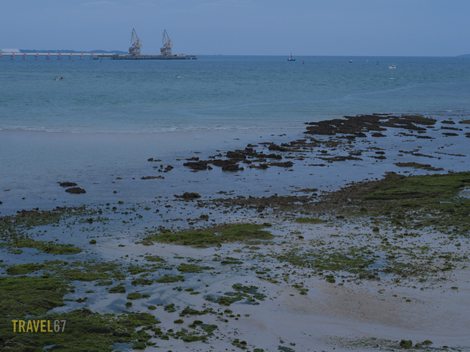
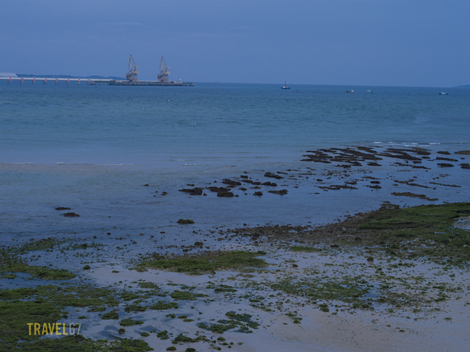
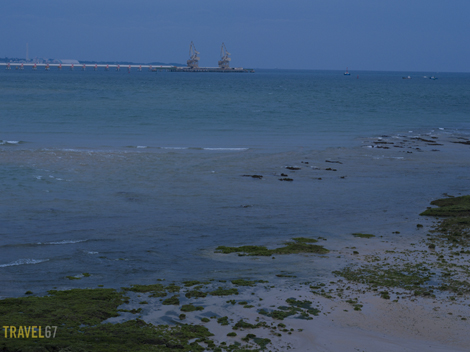
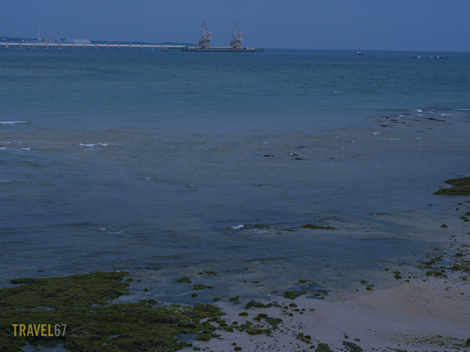
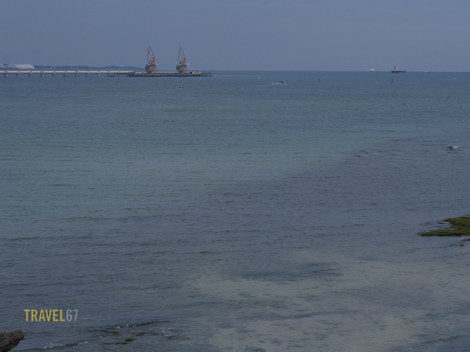
I put up yesterday’s post with images of the tsunami’s effect on Okinawa hoping that it would be of interest to a few of my blog readers. The tsunami clearly didn’t have a large impact on Okinawa. The ocean appeared to go from high to low tide and back to high tide over a matter of minutes, but there were no injuries or damage to my knowledge. It became clear, however, that a large number of people outside Okinawa didn’t have any information about what was happening on the island. The result was that over the last 24 hours more than 20,000 people  found their way to my blog. It was great that the forum of concerned friends, parents and grandparents that commented on the post were able to reassure others who were worried about people living on Okinawa.  (To the person who tried to post that he wished Okinawa and the expletive people living on it had been covered by water – please seek counseling you clearly have some issues you need to deal with.)

Some of my friends in the US military on Okinawa will now be part of the humanitarian mission to help people affected by the tsunami. The presence of American military bases in Japan and particularly Okinawa is a complex and often contentious issue, but right now the availability of US planes, helicopters and manpower must be seen as a blessing. Good luck to all those heading up to the mainland to help, and once again stay safe.

Finally, thanks to all of my friends and family who were concerned about my wellbeing. My thoughts go out to the people of Sendai, and  those who have received tragic news or are going through the agonizing experience of simply waiting by the phone.

Shuri Castle at Night

Shuri Castle at Night

Shuri Castle in Naha is still undergoing renovation. It looks like they are in the second of three stages, concentrating on the roof line and the golden dragons that sit at either end of the apex. You can just spot the scaffolding in the above photo. Here’s a crop from the  image at 100%. It’s nice to see they paint the scaffolding red, quite thoughtful really as the castle still gets many visitors while the reconstruction is going on.

Shuri Castle at Night (Crop from above image)

Inked

Canon Imageprograf IPF5100

Canon Imageprograf IPF5100

The Canon ipf5100 printer I use for creating my limited edition prints is fantastic. It uses the highest quality archival pigment inks, it takes rolls of paper rather than sheets allowing me to use the  thick cotton photo rag I love, and it produces images with great detail and wonderful color. It is, however, the size of a small piano and costs around 2000 dollars.

As anyone with a exotic sports car will tell you,  the high initial cost is not the only concern, the running costs are just as significant an issue. The ipf series printers have two print heads and 12 ink cartridges. Print heads cost around 400 dollars each, and probably will last you several years. Ink cartridges are around 70 dollars each and their longevity will depend on a combination of how often you print and how often the printer needs to run the cleaning mode.

If you are an occasional printer, this is going to make running the machine very expensive. Every time you turn on the printer it will run the cleaning mode which uses ink. If you then make a single print and turn it off, you may be using more ink cleaning than printing. If you simply leave the printer on, the printer will automatically run the cleaning mode when necessary, slowly using up that 740 dollars worth of ink (70×12).  As I produce my own prints for both exhibitions and sales I am using the printer enough to justify the running costs.

The next issue is that of servicing. Again owners of Italian supercars who don’t live in Maranello or Sant’Agata will be aware that this can be a bit of an issue. Not only do you need to order non-standard parts but you also need specialist engineers. Which brings me back to my printer…

On February 2nd I put up the blog post E161-403F? which included the line “Slow realization that this will be a frustrating and expensive experience.” How right I was.

Talked to Canon on the phone who told me it was a problem with the left print head. I ordered the print head and they sent over a Canon Okinawa engineer to fit it. The engineer could not  install the new print head, but bizarrely also removed the right print head. He put it  on the top of the printer  leaking ink onto the printer and possibly damaging the jets of the print head. He left saying he may have to order more parts (I wasn’t charged for the visit).  I phoned Canon Japan and tried to explain situation. The Okinawa Canon engineer then phoned back to say they would replace right print head he shouldn’t have removed with a new one. He would also order parts he may need to fix the printer. The Canon engineer returned a week later and managed to fit both print heads and happily there was no need for any replacement parts. (Engineer labor cost about 150 dollars).

When you replace a print head you  need to fill the new print head with ink. I had to do this with both print heads. I needed to order 8 new ink cartridges and a new maintenance cartridge (the previous one now filled with wasted ink). It will have cost close to a thousand dollars to get things back up and running again, but you roll with the punches.

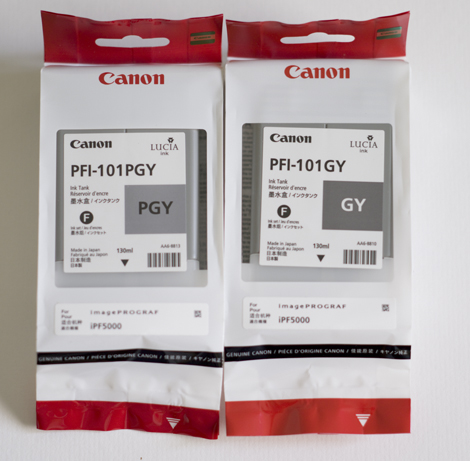
There was one final sting in the tail. When I ordered a couple of the ink cartridges online I made a mistake and ordered PFI-101GY rather than PFI-103GY and PFI-101PGY rather than PFI-103PGY. As soon as they arrived I phoned the online store, explained the mistake and asked if I could exchange the unopened ink cartridges for the correct ones. They said that as they had special ordered them from Canon they didn’t do exchanges or refunds. I closed up the box they arrived in, sent them back to Canon and asked if they could exchange them. A few days later the box arrived back in Okinawa with a note saying that as I had not purchased them directly from Canon they would not exchange them.

Ink tanks for iPF5000

Ink tanks for iPF5000 - Who wants them?

So if you have a Japanese Canon iPF5000 printer (ink tanks are chipped to only work with printers from the same country) then drop me a line and I’ll send you a late Christmas present.

As for my printer, once a final blue ink cartridge arrives it should be up and running. Apologies to those people who are  waiting for prints. I give Canon five stars for their product, but just one for customer service.

Quick Release Danger

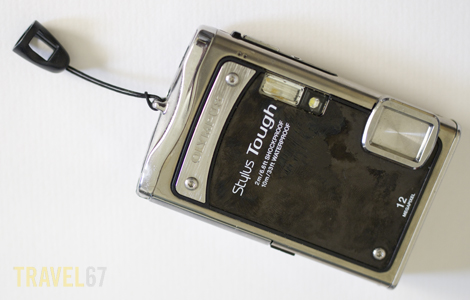
I was out snorkeling a week ago and found this camera in amongst the coral. It’s a nice camera. As I’ve mentioned in previous blogs, I’m a big fan of these waterproof shockproof point and shoots that can take a licking and keep on clicking. The problem is that this camera had been underwater for days if not weeks or even months. Water head leaked inside the body so that the camera no longer worked and the 8GB micro SD card inside was unreadable.

Waterlogged Olympus Stylus Tough

Waterlogged Olympus Stylus Tough

As is probably clear from the photo (or the title of the blog) the culprit here is the ever so convenient quick release strap connector. The owner lost their camera and quite possibly all their photos from their holiday / honeymoon / deployment in Okinawa.  (If this is your camera please get in touch. I’ll hold onto the micro SD card so that if the owner does get in touch and wants to send the card to a data recovery specialist they can give it ago.)

Which leads me to the fact that many aftermarket camera straps have quick release systems at both ends of the strap. These clips are said to be very secure, but it would only take one of them to come loose for the camera to drop unceremoniously from your neck to the ground.

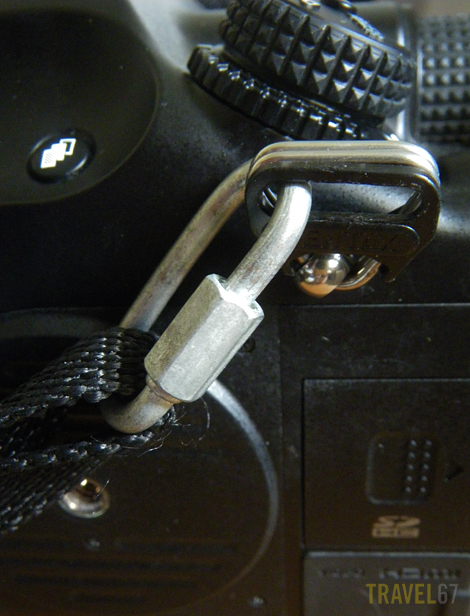
I understand the desire to be able to remove your camera strap quickly and easily from the camera body, but I needed a better balance of risk versus convenience. For my 645D, I now use the original strap plus two small locking carabineers to attach it to the camera.

Custom Camera Strap for Pentax 645D

Custom Quick Release Camera Strap for Pentax 645D

So today’s question is… What camera strap are you using?

Pentax 645D – Electronic Level Display

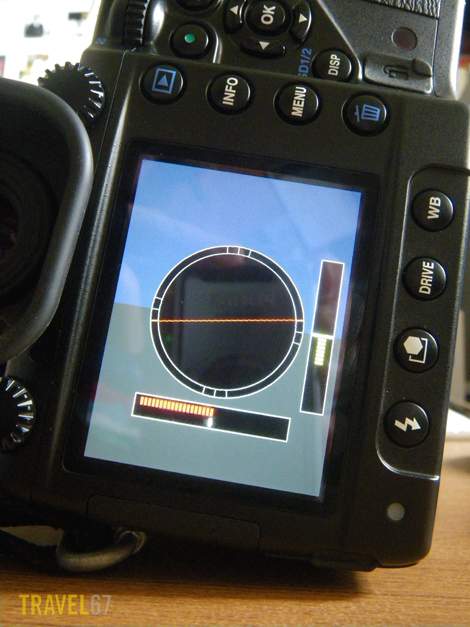
Press the DISP button on the 645D camera and an Electronic Level Display appears on the rear monitor. It measures the degree of tilt both horizontally and vertically. Green means you’re level on a particular axis, then yellow bars show the level of tilt until you hit red.

Pentax 645D Electronic Level Display

Pentax 645D Electronic Level Display

In the shot above you can see that the camera is angled approximately 3.5 degrees down on the vertical axis (7 yellow bars), and off the scale on the horizontal axis (red).

Why is this a great thing to have? If you’d wanted the camera perfectly level when you took the photograph but found you had it angled, you will have to rotate and crop the image. Depending on the degree of tilt, this cropping will result in you having a smaller image to work with, or even losing part of the image.

I use a ball head (rather than a pan head) with my tripod which means I will be using this feature a lot when shooting landscapes or cityscapes. I’m not saying all photographs should be taken perfectly level, but if you’re trying to keep things from going askew, the E.L.D. makes it a little easier.

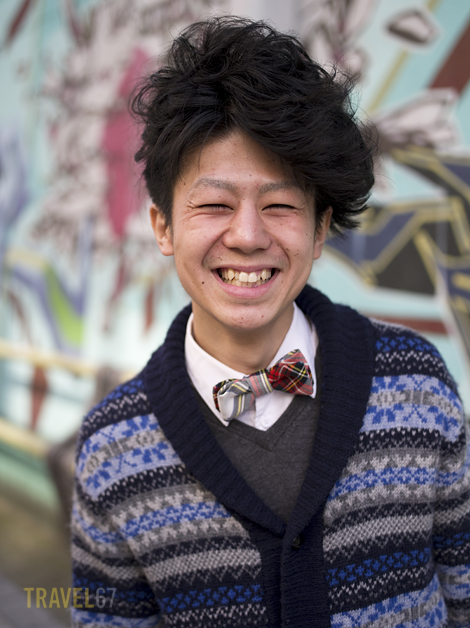
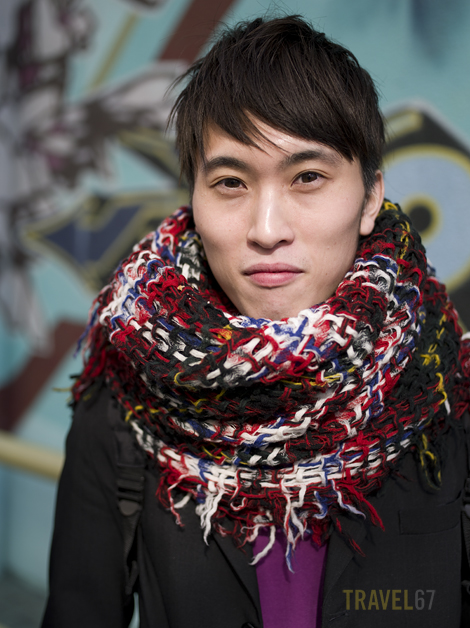
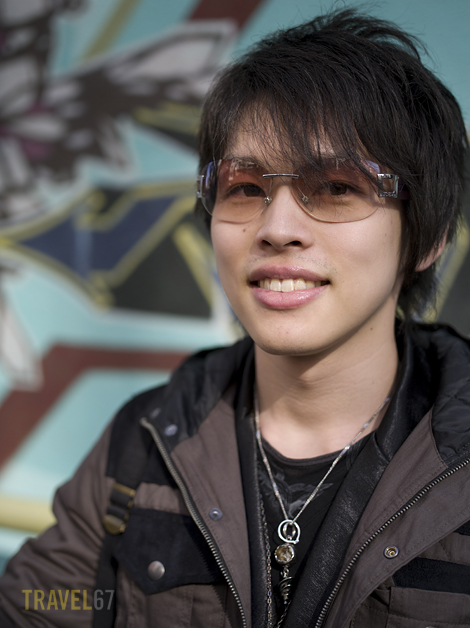
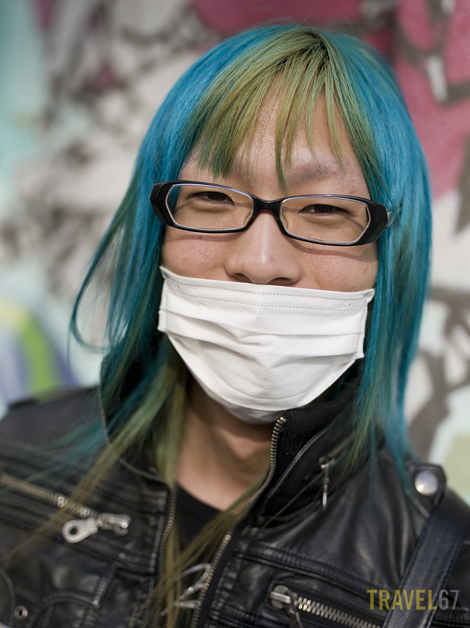
Amerikamura Portraits

Amerikamura or American Village is a small area of Osaka that is home to various funky clothes stores. (There’s also a big shiny Apple store). I decided that before I headed to Kansai Airport I’d see if I could get some shots of Osaka’s young and trendy.

Amerikamura, Osaka

Amerikamura, Osaka

Amerikamura, Osaka

Amerikamura, Osaka

Namba in the Sunshine

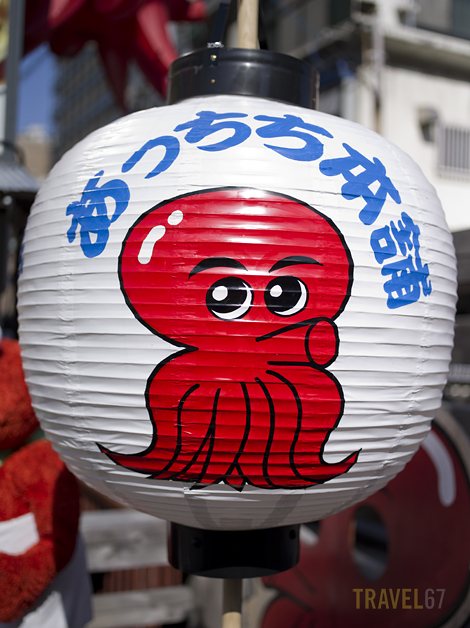
Whistling Octopus

Shops in Japan often have cute animals enticing you to come and eat them.

You don’t have to be a vegetarian to think it’s odd that you have cartoon cows munching down on a juicy steak. This stall was selling takoyaki (fried octopus balls). It looks like the cartoon octopus is whistling as he shuffles off to one side and makes his escape.

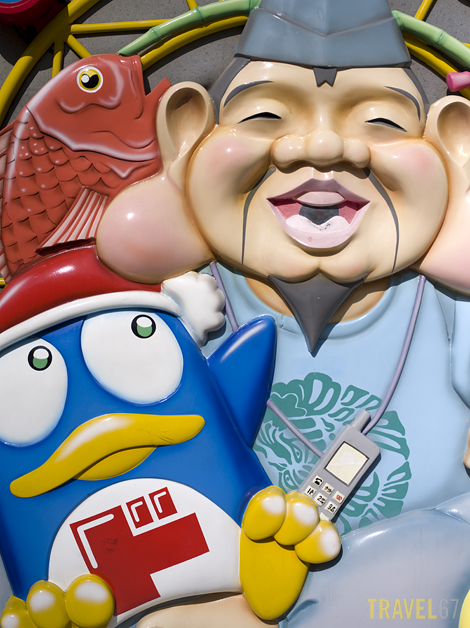
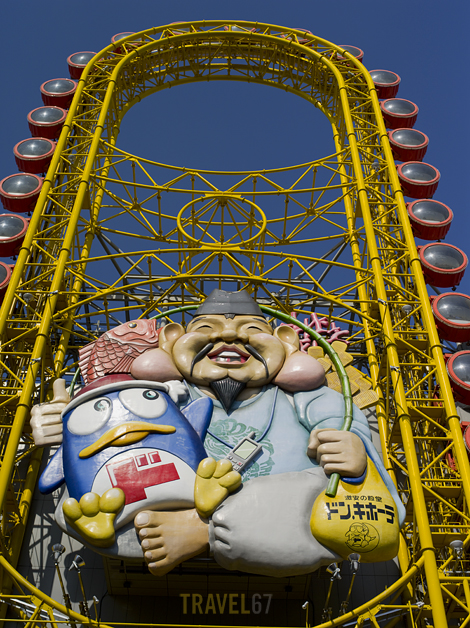
Donkihote Mascots

Donkihote is a famous store in Namba named after Don Quixote / Don Quijote. Not sure why it got the name. The inside of the store was surprisingly unimpressive. Cramped and filled with stuff I didn’t want. (Yodobashi Camera or Bic Camera on the other hand…)

Donkihote Ferris Wheel

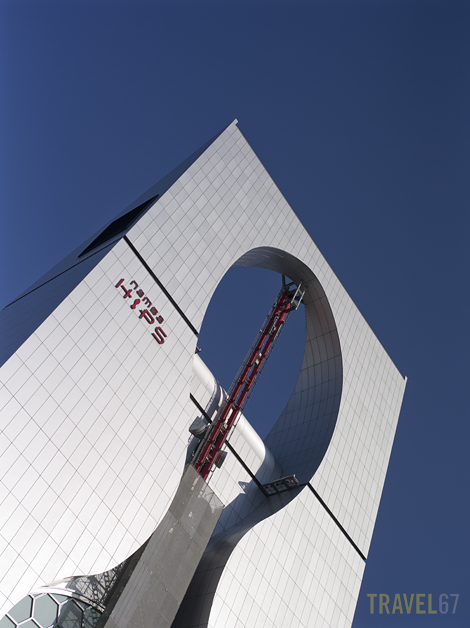
Not sure what they do in Namba Hips. Best guess is that it is the international headquarters of the Shakira Fan Club.

Namba Hips?

Namba at Night

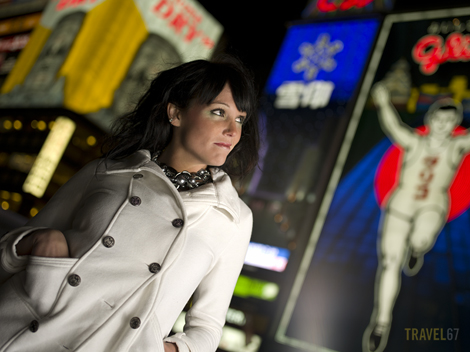
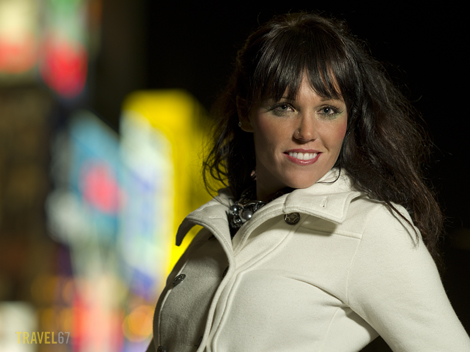
Met up with American model Rachael while in Osaka to try and get some images of a person visiting the city, rather than shots of the locals. Namba really comes alive at night so the plan was to use the neon lights as a background and then illuminate the model with off camera flash.

Location Shoot - Namba, Osaka

Location Shoot - Namba, Osaka (Glico Man)

Location Shoot - Namba, Osaka (Neon Bokeh)

Location Shoot - Namba, Osaka (Neon Bokeh)

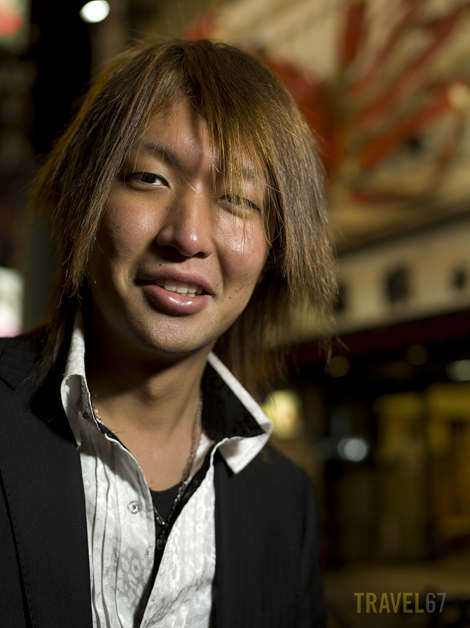
It turns out that the male hosts of Dotomburi were fascinated with what we were doing, so they ended up in the shoot too.

Location Shoot - Namba, Osaka (Dotomburi Host)

Location Shoot - Namba, Osaka (Dotomburi Host)

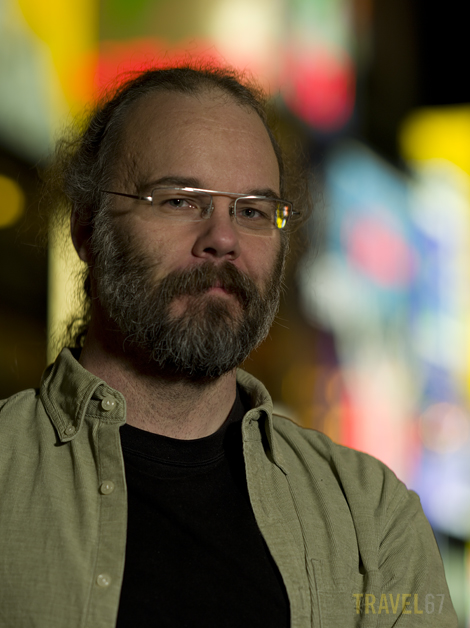
And finally a shot of Flickr friend Jan Moren who assisted me on the shoot by holding the off camera flash.

Location Shoot - Namba, Osaka (Jan Moren)

Location Shoot - Namba, Osaka (Jan Moren)