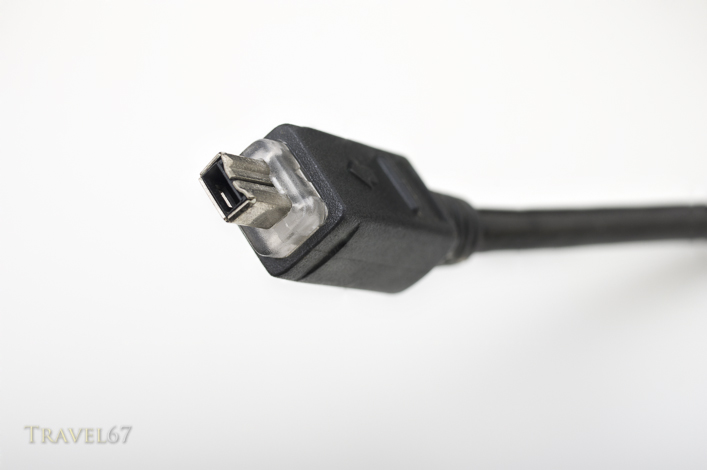
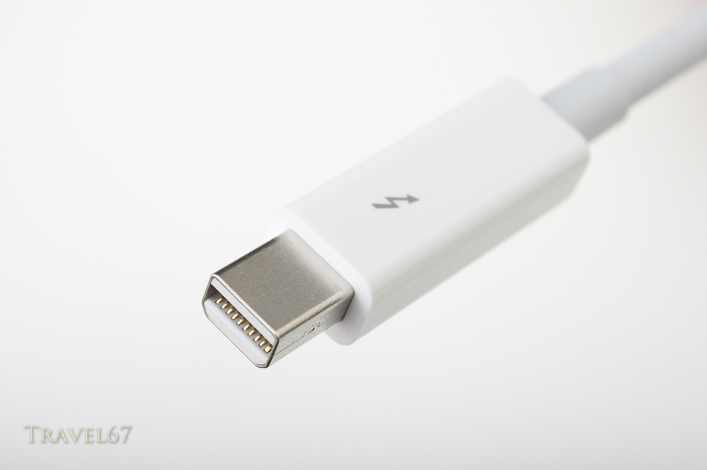
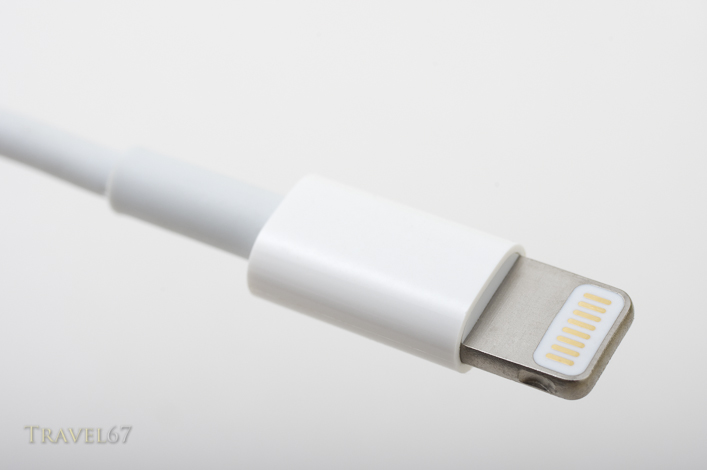
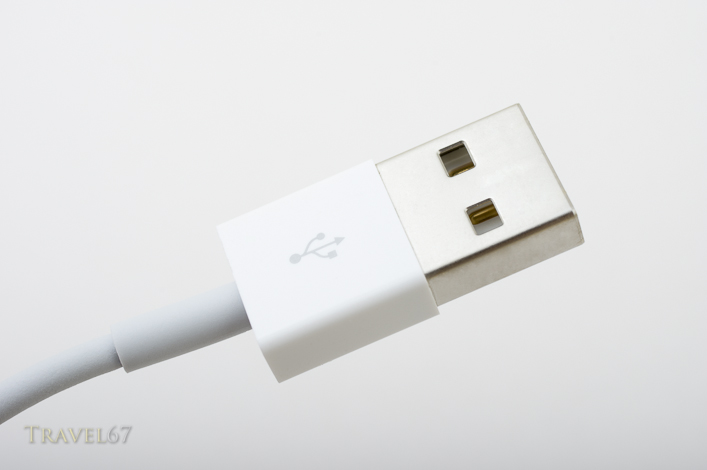
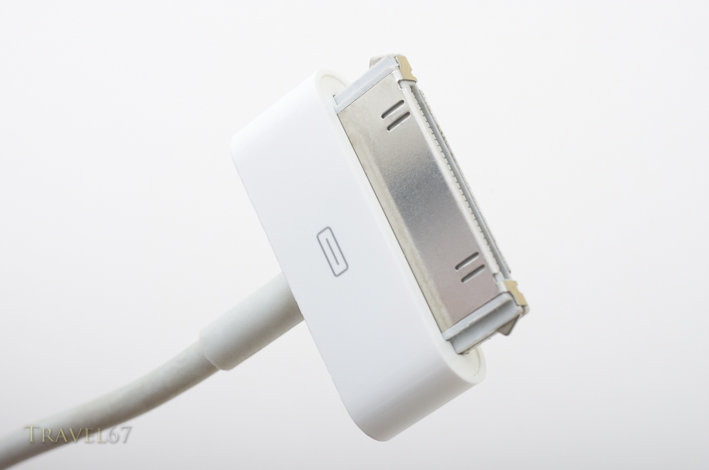
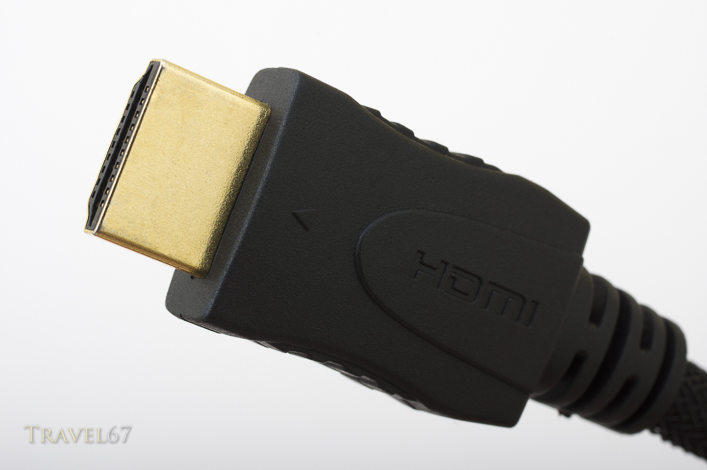
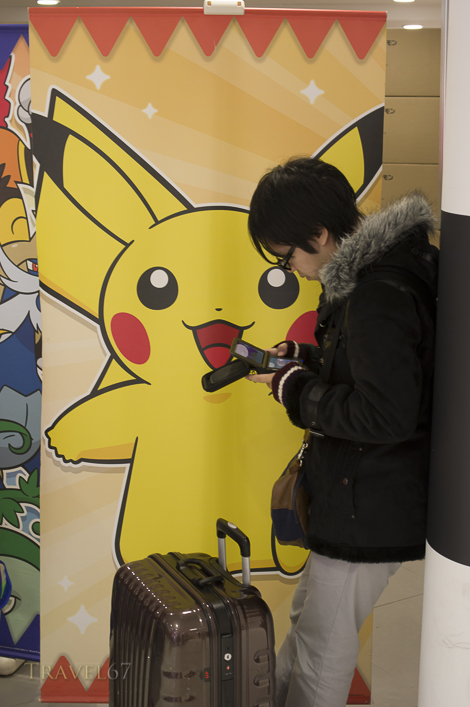
Is this the nerdiest selection of photographs you’ve ever seen? Are you fascinated by the variations in the way our gadgets are connected, or are you disappointed that this post did not include images of a beautiful location, a beautiful woman, or a beautiful woman in a beautiful location.
Latest Posts
Arashiyama Monkey Park Iwatayama , Arashiyama , Kyoto
If you can’t make it all the way to the snow monkeys at Jigokudani in Nagano prefecture, you can have a similar experience at the monkey park in Arashiyama, Kyoto.
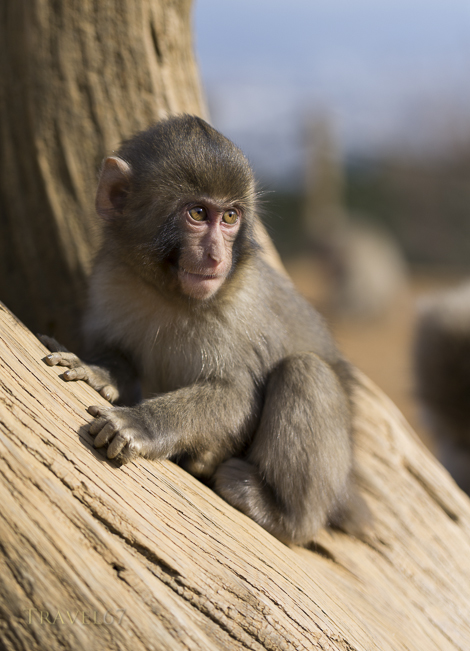
As with Jigokuani, the monkeys here are wild and come to the park for the food supplied by the wardens. Monkeys that don’t want to be sociable can live out in the forest, but those who don’t mind a bit of human interaction will get a regular supply of grains.
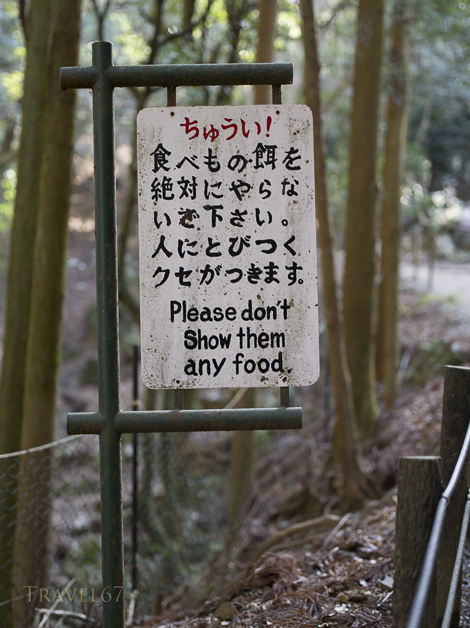
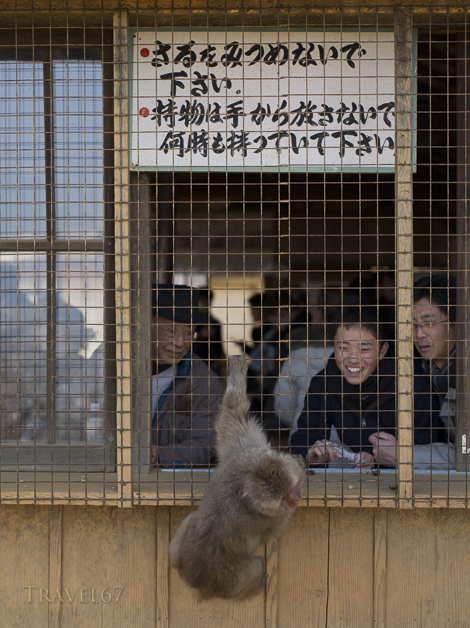
The most remarkable thing was that when you see the monkeys pressed up again the wire of a cage it is the humans on the inside. If you go into the rest area hut, you can buy nuts or seeds to feed the macaques. The monkeys then put their hands through gaps in the wire, and you give them the treats.
Adults and kids, both monkey and human, were having great fun.
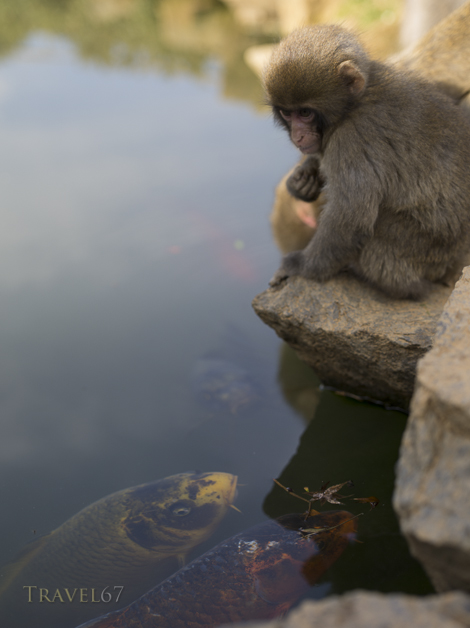
I got a few good shots although it’s tough to beat the images of monkeys in the hot springs.
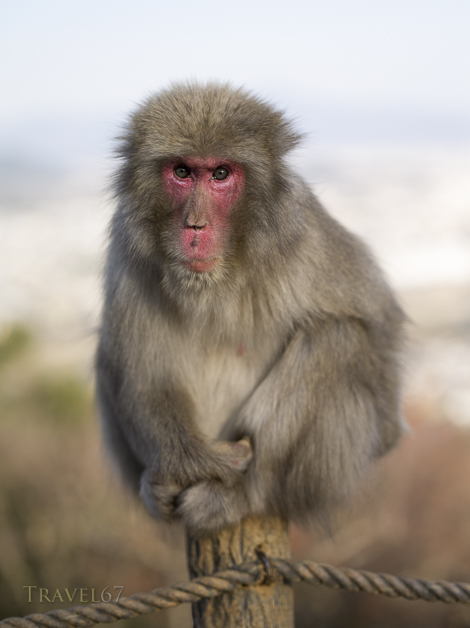
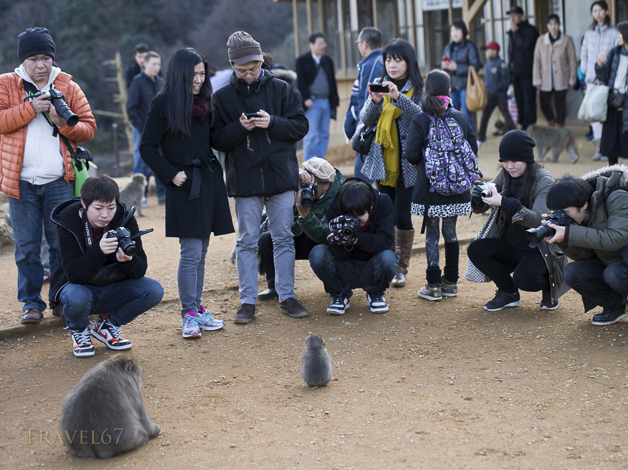
Some of the monkeys however did their best to pose for the paparazzi.
Toy Stories – Paddington Bear
Paddington Bear emigrated from darkest Peru to London. He was found at Paddington Train Station by the Brown family and had numerous adventures. The Paddington Bear stuffed toy was first created by Gabrielle Designs in 1972. Shirley Clarkson made the toy for her children Joanna and Jeremy. Jeremy grew up to be a car obsessed journalist, and remarkably a British icon almost as famous as Paddington.
Pokemon Mania Still Going Strong
Pokemon may have been a brief fad in other countries, but in Japan, love for the strange battling creatures continues to this day.
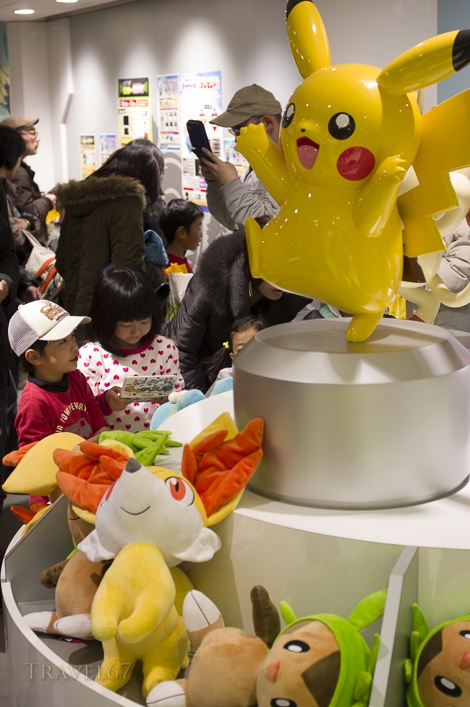
While exiting Osaka Station, I saw numerous brightly colored signs for the Pokemon Center, so I set off camera in hand to check out what was going on.
The Pokemon Center turned out to be a section of a department store dedicated to selling Pokemon toys. Shelves were packed with keychains, glove puppets and action figures.
Cleverly there were shopping baskets positioned at the entrance so kids could get all the items they desperately needed.
Customers taking a break from shopping were playing Pokemon computer games.
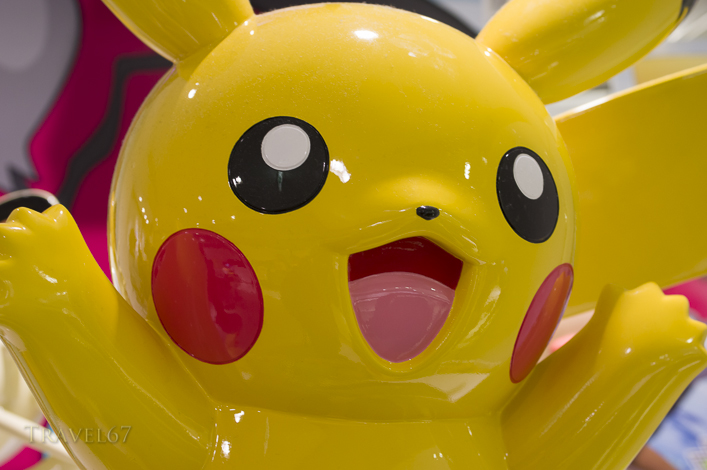
So there you go, Pokemon culture is alive and well. In the words of Pikachu. “Pika, Pika!”
She waits for me at night, she waits for me in silence…
Wakasa – Traditional Japanese Umbrella
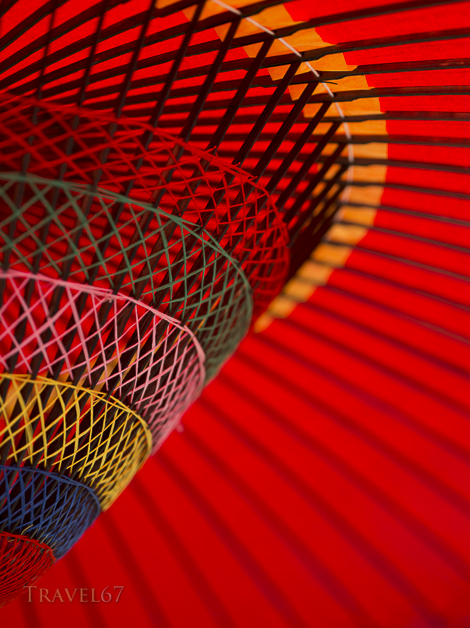
A wakasa ( traditional Japanese umbrella ) in Arashiyama, Kyoto. This was a new umbrella which meant the colors were so saturated. After a few months or years of use outdoors they look a bit more like this.
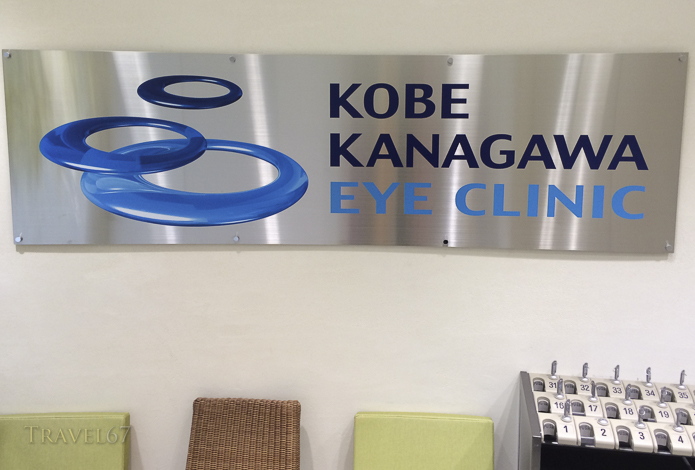
LASIK in Japan – The 1 week check-up
Read Part One about choosing the clinic and the LASIK operation here.
A week after my operation I flew up to Osaka for the 1 week check-up. I could have returned to the Shinjuku office in Tokyo, but as I could do this at any of the clinics, I thought I’d spend a couple of days in Kyoto and get my check in Umeda, Osaka.
The clinic was in a central Umeda skyscraper (not far from the enormous Yodobashi Camera). I checked in and then a couple of minutes later I had my eyes tested by the examiner. With either eye open I could read the second to bottom line on the chart. With both eyes open I could just about make out all the symbols on the bottom line. Awesome.
I was back in the waiting room for a couple of minutes then in to see the eye doctor. He checked the health of my eyes, confirmed that the cornea had completely sealed and asked if I was having any problems. He explained about the new eye drops I would have for the next few weeks and that I had another checkup at the end of January. I picked up my new eye drops from reception (there are no fees for any post-op checks or medications) and I was done. Total time less than 15 minutes. Hoorah.
It’s now been about 2 weeks since I had the operation. Here are a few things I’ve noticed or realized.
– I’m saving a couple of minutes every morning and evening not having to put in or take out my contact lenses, rinse, fill the container with solution etc. That’s 4 minutes a day or 24 hours a year in extra time.
– When I wake in the night I still rummage around on the nightstand looking for glasses until I realize I can actually see.
– This led me to the conclusion that in the past if there had been a natural disaster at night, and I couldn’t find my glasses, I’d be trying to deal with the aftermath of a tsunami or earthquake while being partially blind. I hadn’t even considered this as a good reason to get LASIK but now it seems obvious.
– There is mold on the ceiling in my bedroom, tiny black specks all over the white paint. Hadn’t noticed it before. Must clean the house.
Kabukicho – Tokyo’s Red Light District
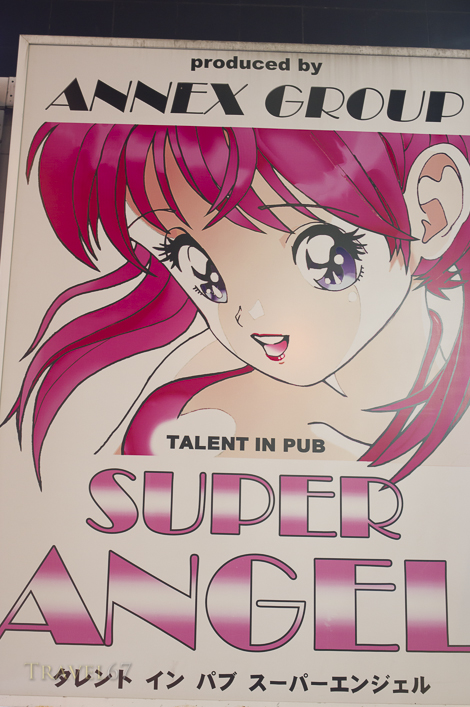
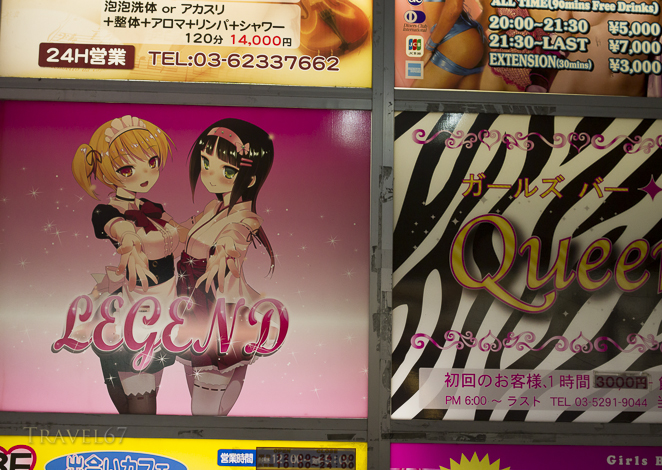
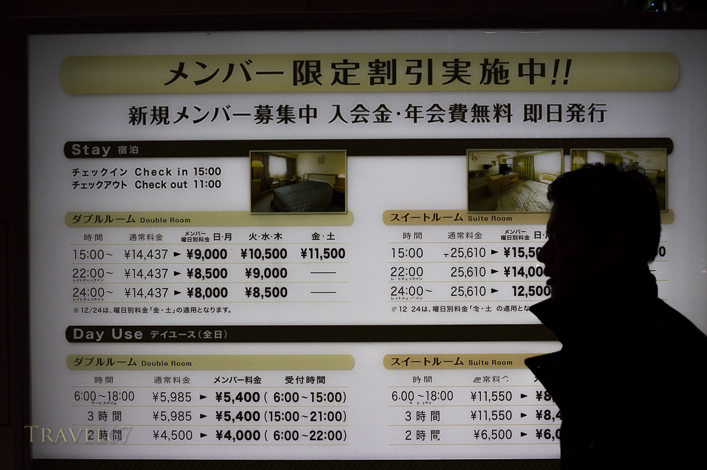
A small area of Tokyo, just east of Shinjuku Station is called Kabukicho. It was named after a Kabuki theater that was never built, but it is now famous and infamous, as Japan’s red light district. Packed with restaurants, bars, karaoke boxes, love hotels, and clubs filled with bouffant hosts and hostesses it is a gaudy temple to commercialism, hedonism and vice. It is also the location of the only Toyoko Inn budget hotel in Shinjuku so I tend to stay there when in the city.
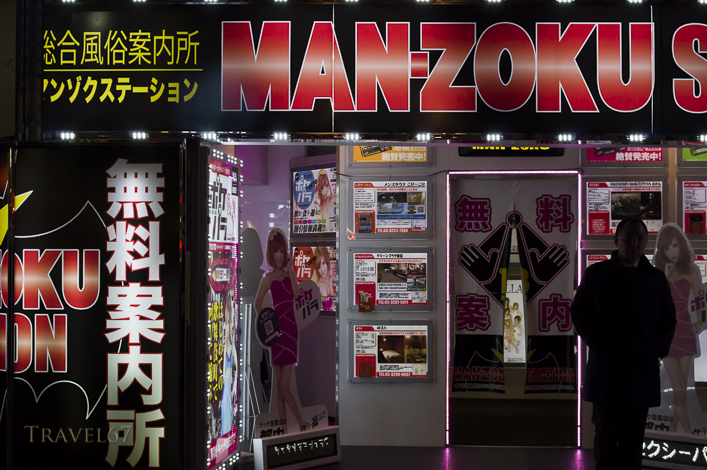
This was also a good chance for me to test out using the new K3 camera at higher ISOs (Changing the sensitivity of the sensor to light). I shot numerous images at ISO 1600 and found that the pics, after with a little noise reduction in Lightroom, are clean and sharp enough for me to use professionally. The K3 body with a pancake lens is also compact enough to fit in the pocket of my jacket so you can be reasonably discreet.
Very pleased with this last shot. It was mostly luck, but the anonymous silhouette of a man created an image far more interesting than if it had been just the sign alone.
New Year in Japan
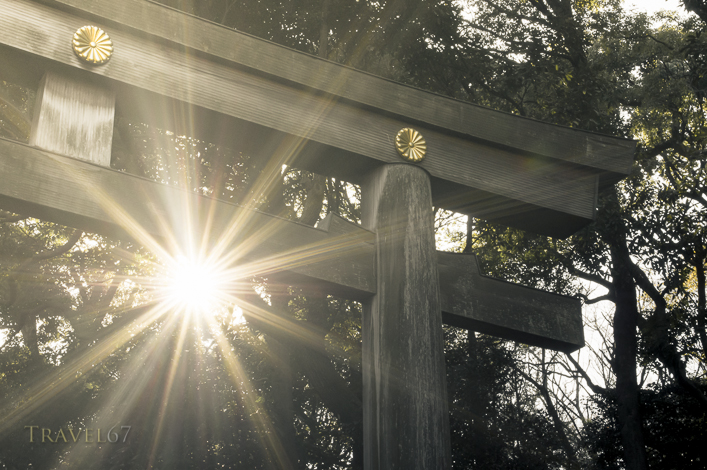
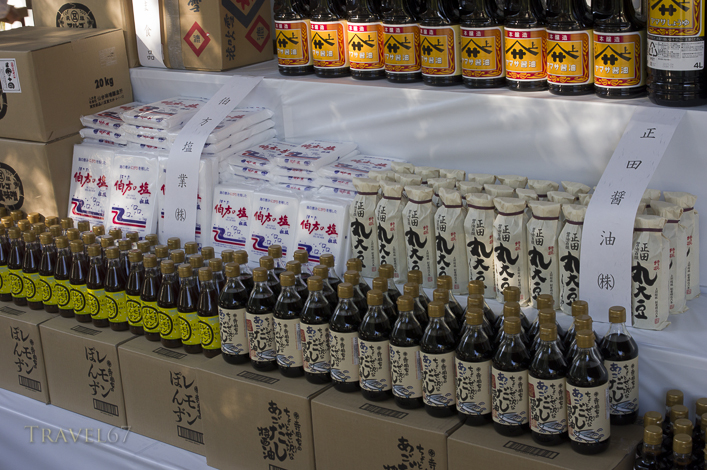
There are many New Year traditions in Japan. The most significant is perhaps a visit to the local shinto shrine. Preparations at the shrine start days if not weeks before the event. At Meiji Shrine in central Tokyo, bottles of soy sauce and salt were on display ready to be blessed.
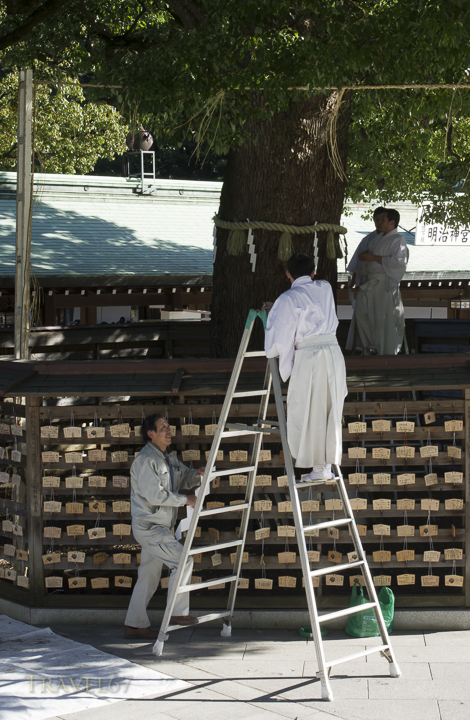
Various priests were preparing the grounds of the temple. The rope around the tree trunk is called a shimenawa and indicates that the tree is sacred.
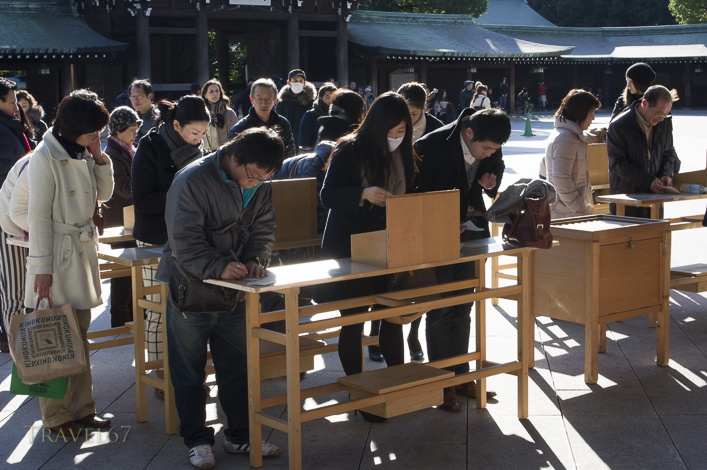
Visitors to the temple were getting a head start on writing their hopes and dreams on the wooden ema prayer boards. This is a smart thing to do if you want to avoid the tens of thousands who will visit on New Year’s Day.
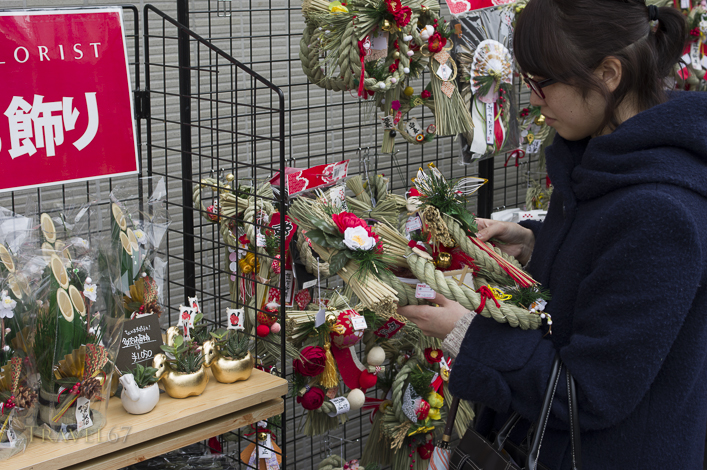
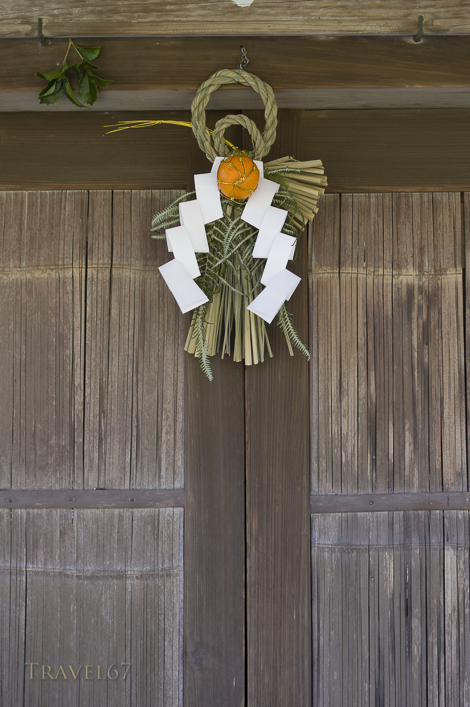
Houses are decorated with shogatsukazari (New Year’s wreaths) these can be bought at department stores or even on the street.
Here’s one on a traditional house in Arashiyama, Kyoto.
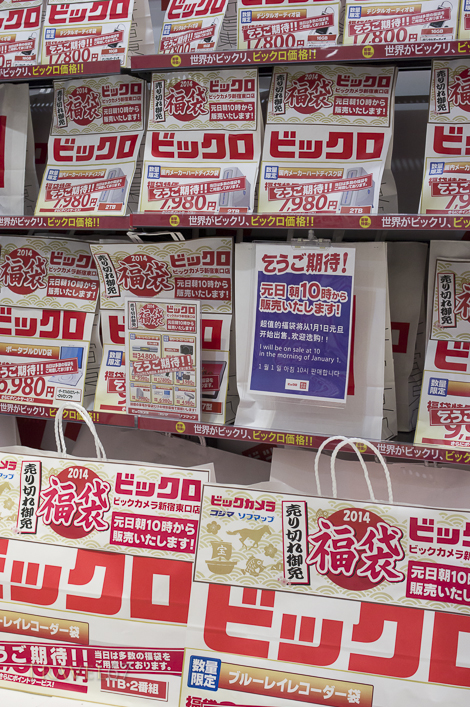
For many the highlight of the New Year is the chance to get a bargain in a fukubukuro lucky bag. A 5,000 Yen bag is likely to contain items worth 10,000 yen or more, but you don’t know what you’re getting. Clothing stores often put gender and size on the bag, but unless you start prizing apart the sealed opening you are taking a bit of a fashion gamble.
Of course there are many other traditions including giving an envelope with cash to children (otoshidama) and eating balls of sticky gelatinous rice (mochi). Otoshidama and mochi can result in having a house full of Pokemon, and / or killing off elderly relatives. You have been warned.
The Cat’s Meow – Fashion on Takeshita Street, Harajuku, Tokyo
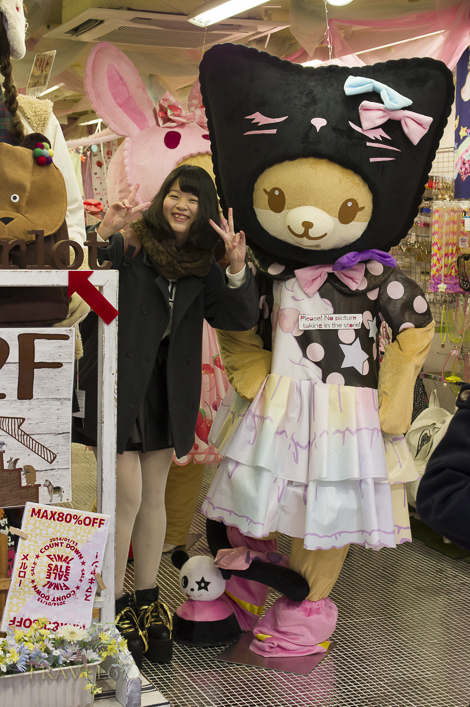
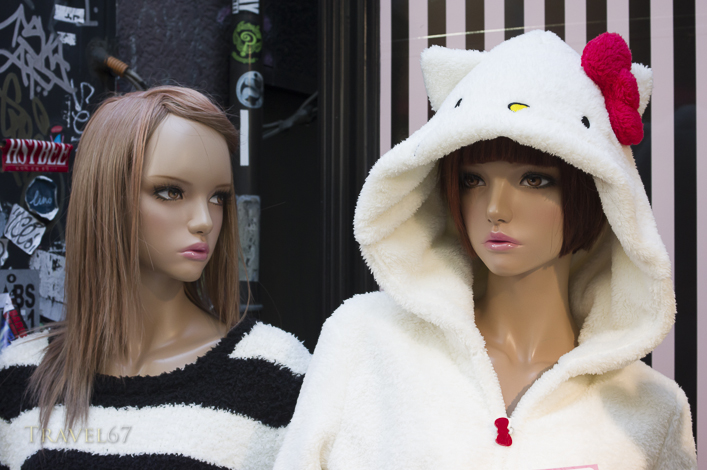
Do you love cats? Do you want to show the world just how much you adore their cute little faces? Do you also wear clothes? Well you’re in luck, Harajuku has all the cat themed clothing you could possibly want.
I wonder what the mannequin on the left is thinking as she looks at her friend? Family friendly answers in the comments section.