Latest Posts

A Close Call

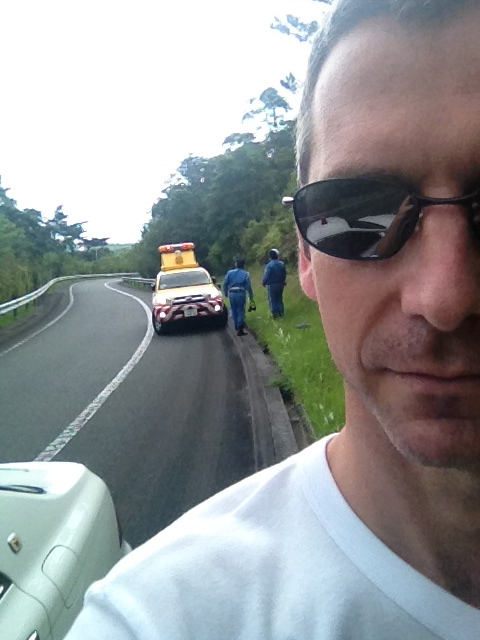
Investigating the scene of the accident

Had an eventful day today. As I was leaving the Okinawa expressway at the Ishikawa exit, in my rearview mirror I glanced a white car hurtling up behind me. I guess it was doing about 120 KPH exiting the expressway and not slowing at all. The car swerved around me hit the railing, careened across the road hitting the road markers and grass, but didn’t stop. It seemed the driver kept his foot to the floor as he veered back across the road hit the railing again then ricocheted back across again up the grass and drove along the banking. I thought he was going to flip, but he dropped back to the road, and kept on going. He went through the little tunnel under the expressway and then amazingly through the automatic barrier of the toll gate.

I continued following him, as he bounced off more sidings. He reached the major junction bounced over the kern, hit the median, and the car came to a halt. I stopped my car at the lights, took a photo of the scene with my phone (as he was trying to reverse) and ran over to the car. I opened the door, checked the guy was okay and stopped his engine. It was a Japanese man in his 60’s who seemed to be completely clueless about what was going on.
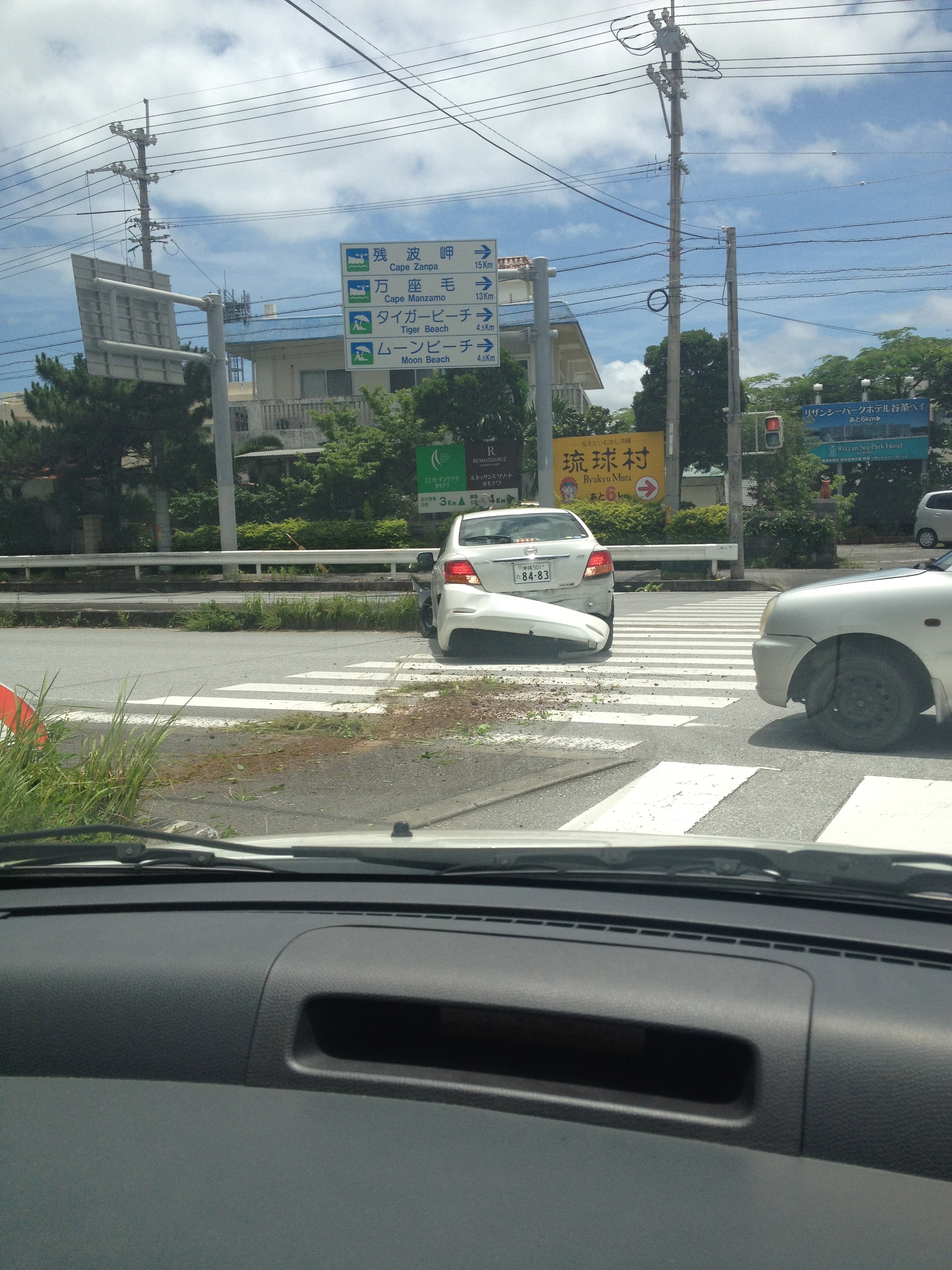
Finally comes to a stop, but still wants to keep going.

My Japanese isn’t fluent, but I could follow the gist of the conversation once the police arrived. He said he hadn’t been drinking, but does have diabetes. He didn’t think he was having any problems until he came to a stop in the middle of the road at the traffic lights. He said he unaware that he’d swerved around me or crashed multiple times. He seemed to be telling the cops that the accident occurred only at the traffic lights. I told the police my version of the events, and they brought in the expressway police in one of their unmarked vehicles with the pop up red light. They wanted me to show them where on the expressway exit I’d seen the accident take place so I got in the police car and we hurtled down to the next junction,  turned around and hurtled back to leave from the same exit ramp. I sat in the back of a police car as we did 172kph with the lights on and siren blaring. (Interestingly it read about 185 on the car’s analogue speedo and 172 on the police digital readout).

It was pretty clear where he’d bounced around as there was a trail of dented railings, crushed markers, shredded foliage, bits of the rear fender and tyre tracks. We drove back to the junction and the policeman thanked me for all my help. They had already taken my details so I was free to go. The driver was still sitting by the side of the road, physically unhurt but still looking confused. I guess I’ll never know what exactly was going on in his mind.
Let there be underwater light (Part 2)

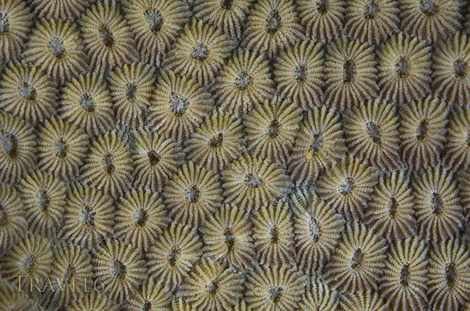
Coral Close Up

Coral Close Up

Here are some shots from the first dive with the strobes. The lens used was a 50mm macro (which due to the crop factor on the K5 means it’s the equivalent of a 75mm lens on a 35mm camera). The strobes mean macro shots will be a lot sharper. This is partly because the flash sync shutter speed of 1/180 maybe quicker than the shutter speed used without strobes, but mostly it is because  it is the much faster flash duration that actually freezes the action. The result is that you can make out the teeth of the grumpy anemone fish, which otherwise would have been just a blur.

Grumpy Fish, Cape Maeda, Okinawa

Grumpy Fish, Cape Maeda, Okinawa

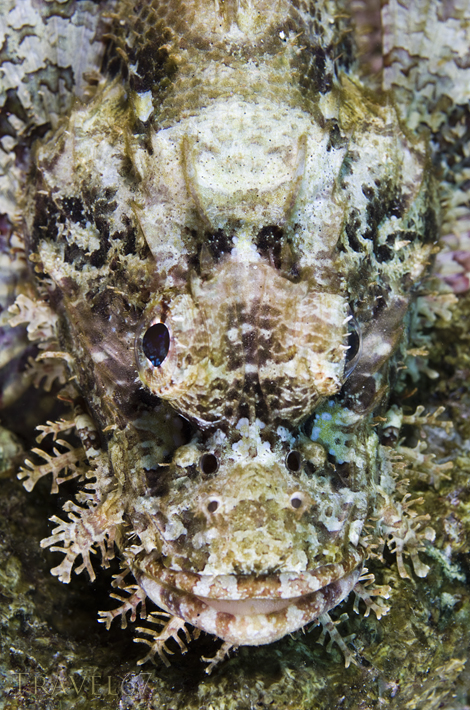
The bright modeling light of the DS-161 strobe is a great help allowing the camera to autofocus more easily. The operative word  here is more, as getting it to lock onto a fish as it whooshes by is always going to be tricky. That’s why you’re going to be seeing a lot of photos of fish that either don’t move much (see below) or tend to stay in the same place (see above).

Fishbeard

Fishbeard

In the Studio – Susan

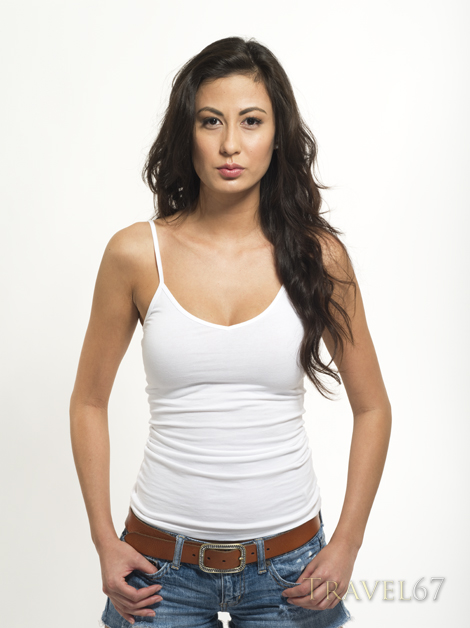
Susan - Natural

Susan – Natural

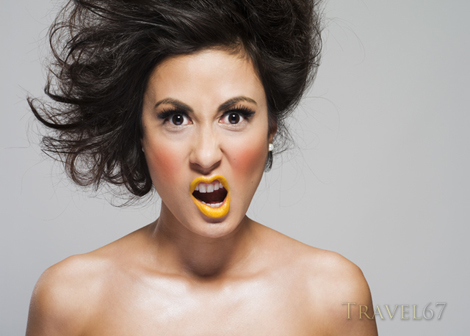
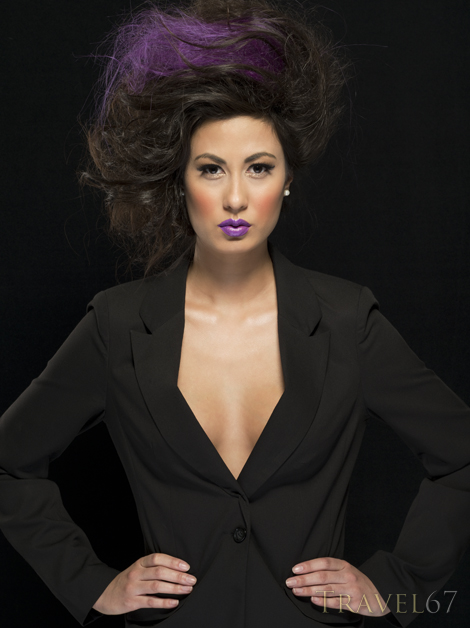
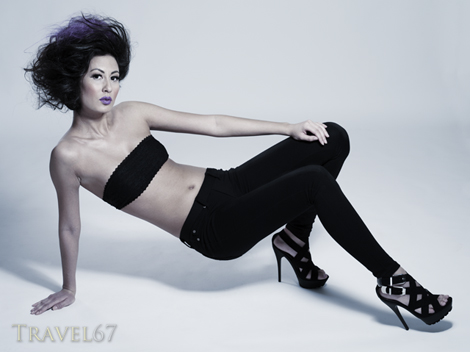
A couple of weeks ago, I did a portfolio shoot with model Susan Fletcher.We worked on a selection of looks to give Susan more variety in her images. The keys to this transformation were the skills of makeup artist Summer Johnson and hair stylist Aiasha Fleurantin.

Susan - Are you serious?

Susan – Are you serious?

Susan - Cruella wears Prada

Susan – Cruella wears Prada

Susan - Geometric

Susan – Geometric

Let there be underwater light (Part 1)

A you descend beneath the ocean’s surface things become darker and bluer. Light is absorbed by the water and it does this to a greater extent at the red end of the color spectrum. When shooting in the shallows you can capture the vibrant colors of the reef, but sink a little further and your images will look a little green and possibly blurry from slow shutter speeds (or noisy from high ISOs).

The solution is to shed a little light on your subject. Send in the strobes.

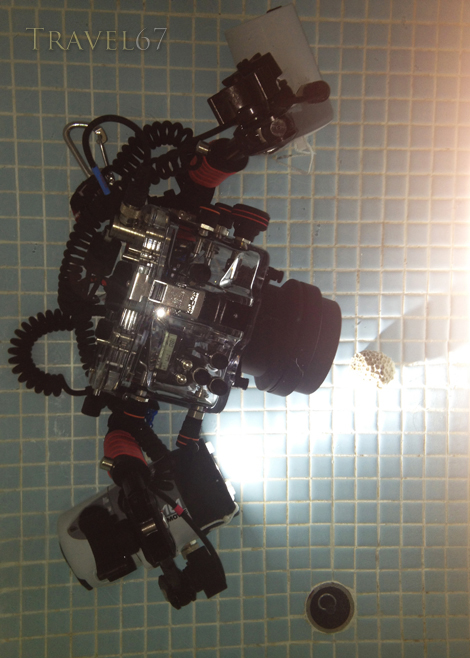
K5 with Ikelite housing and Ikelite DS161& DS51 strobes

K5 with Ikelite housing and Ikelite DS161& DS51 strobes

I bought two used Ikelite strobes on Ebay (thank you Vadim in Australia). One is a powerful DS-161 strobe that has a 3W modeling light, and the other is a far less powerful (and much cheaper) DS-51 strobe that I use as fill. The above image is a pre-dive test in the bath, which showed that both strobes worked, and that the light from the modeling light allows the camera to autofocus on the subject. The strobes are positioned in this image for macro shooting. The lens I’m using is a Pentax DFA Macro 50mm.

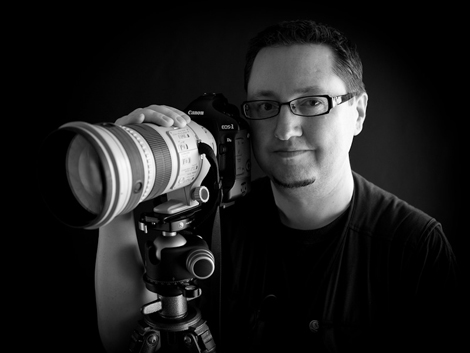
Here’s a shot of me using the rig this afternoon.

Pentax K5 with Ikelite Housing and Strobes

Pentax K5 with Ikelite Housing and Strobes – Photo by Hiroshi Tsuji

Pixels 2 Pigment – Martin Bailey Okinawa Workshop

Martin Bailey Tokyo Based Photographer

Martin Bailey Tokyo Based Photographer

If you listen to photography podcasts or are interested in Japanese wildlife photography you’ve probably already come across Martin Bailey. Check out his website to learn more about him, but in summary he’s a talented guy from the UK who works as a photographer in Tokyo and shares his knowledge with others through his podcast, an e-bookphotography tours, and workshops.

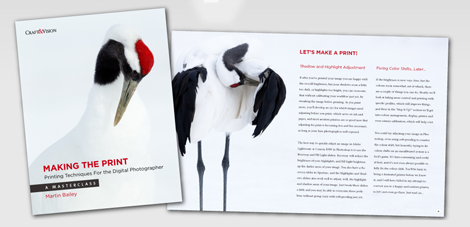
Martin Bailey Making the Print e-book

Martin Bailey Making the Print e-book

A couple of the areas Martin is particularly knowledgable in are color management and printing. These are key parts of a professional photographer’s workflow, and without a firm understanding of them, you’re just hoping for the best rather than taking control.

After the successful Photography 101, Off Camera Flash, Retro Portraits, and Light Painting workshops I contacted Martin to ask if he’d like to come to Okinawa to teach a weekend workshop on color management and printing. We discussed the idea and as Martin is already planning on teaching  Pixels 2 Pigment workshops in the UK, America and Australia later in the year, he said if there was enough interest he’d come down to Okinawa this summer.

So why is color management a vital part of a photographers workflow? Here’s a few possible scenarios:

Images look great on your monitor, you send them to an online printer but the photographs you (or your clients) receive don’t look quite right.

A client wants you to photograph a dress for a catalog. It’s a gorgeous red dress, but when you (or your client) looks at the dress on a monitor it’s a different shade of red. When the catalog is printed, the dress has changed color again.

A photo editor at a magazine receives a submission of images, immediately they can see that the color balance is off. Rather than fixing the images, they simply move on to the next submission.

You buy a fantastic new printer, but each time you print you end up having to go back into the file, make adjustments and then print again. You end up wasting ink, paper, and time.

I’m hoping that we can hold the workshop in early July. The price of the two day course will be US$250. At this stage I’m not looking for deposits, just gauging the level of interest on Okinawa. My belief is that there are enough professional photographers on the island who can see the benefits this course will offer, and will jump at this opportunity.

If you’re interested please leave a comment, send me an email or a Facebook message.


Wonderful Workshops

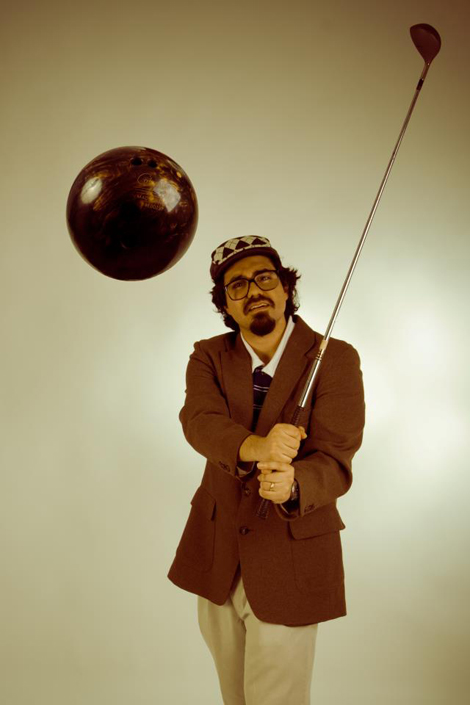
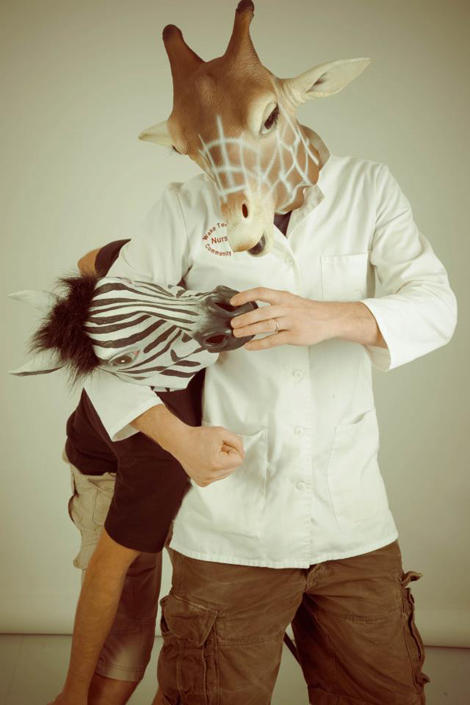
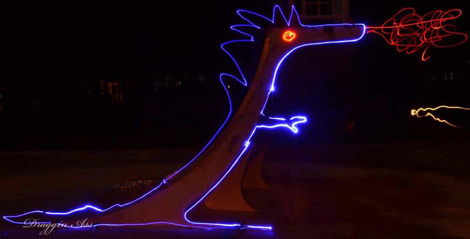
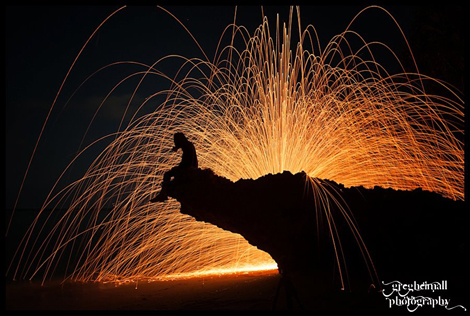
A great time was had by all at the two workshops held last week by Trevor Williams. Things were decidedly silly at the retro portraits evening, and smoking hot at the light painting weekend.

Here are a few shots from the students.

The Golfer by Alex Frank

Heavy Hitting Herbivores by James Trujillo

The Ishikawa Dragon by Mark McIlroy

 Let the sparks fly by Greg Heimall

Let the sparks fly by Greg Heimall

A huge thanks to Trevor for coming down to Okinawa again, you’re always welcome back to our little island.

Uechiryu Karate 9th dan Takehiro Gaja

Uechiryu Karate 9 dan Takehiro Gaja

Uechiryu Karate 9th dan Takehiro Gaja

Gaja-sensei, a lovely Okinawan man in his late 60’s, who after years of conditioning, has become both the unstoppable force and the immovable object.

Uechiryu Karate 9th dan Takehiro Gaja

Uechiryu Karate 9th dan Takehiro Gaja

Uechiryu Karate is in my opinion the toughest of the karate styles. It is based around brutal conditioning of the body so that, if required, the person can endure heavy blows and then deal out a devastating response.

Uechiryu Karate 9th dan Takehiro Gaja

Uechiryu Karate 9th dan Takehiro Gaja


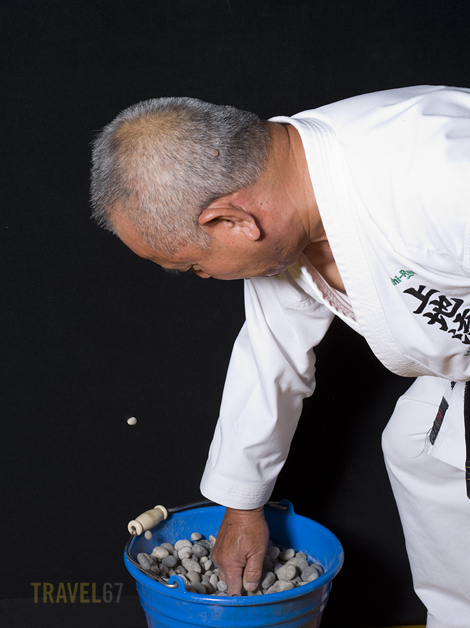
Conditioning fists, forearms and shins is done through striking punch bags, wooden boards and even concrete pillars. Gaja-sensei demonstrated his technique for conditioning fingertips. Fill a bucket with stones (or sand if you’re taking it easy) and then punch with an open hand deep into the bucket of stones.

Uechiryu Karate 9th dan Takehiro Gaja

Uechiryu Karate 9th dan Takehiro Gaja – Fingertip Conditioning

So why condition the fingers to such an extent? The answer is simple and brutal. Poking someone in the ribs is more effective if you can literally reach in through the rib cage and remove some of them.

Juggling

Another brief note to say that I’ll be back to posting soon. The Trevor Williams workshops went great, have done several portfolio shoots with local models, another couple of karate master portraits and slowly getting to grips with underwater photography. Along with that there’s been the usual drama with a computer that occasionally misplaces hard drives (hooray for Time Machine) and a labrador that is continually shedding hair.

Busy Busy Busy

It’s been a little hectic the last week with various shoots, and getting ready for the coming workshops. Blog posts will follow soon. Also a quick reminder that there are a few places left on the retro portrait workshop and the light painting workshops. As a bonus it looks like the rain will have finally stopped.

Here’s one of my favorites from last year’s course.

Dave in the Zone by Shawn

Dave in the Zone by Shawn Miller