Latest Posts

Pentax K1 -Fisherman

A visit by friend Mike Lynch is always a great photo opportunity because he looks fantastic and tolerates my crazy ideas. Ideas such as making him stand outside on a bright sunny day wearing a sou’wester and bring sprayed with water.

Gear used:

Pentax K1 with 28-105mm lens at 105mm      1/4000 sec f6.3 ISO 100

Priolite M-Pack 1000 HotSync strobe with white beauty dish full power

In most cases when shooting with strobes your shutter speed is restricted to the maximum sync speed of the camera. This is usually around 1/200 sec or 1/125 sec. In turn this then forces you to shoot at small apertures or with dark neutral density filters to control the amount of light.  The Priolite system however has a long enough flash duration that you can sync with fast shutter speeds such as 1/4000 second.

With a standard strobe the water droplets would be frozen by the very short duration of the flash, with the Priolite system they are frozen by the short duration of the shutter.

Thanks to Mike for being the fisherman, to Keith for being the voice activated light stand and to Yuki  for being the bringer of rain.

And here are a couple of pics from last time Mike visited 🙂

Pentax K-1 First impressions

The Pentax K1 is the first 35mm full-frame digital camera by Pentax / Ricoh. For many years Pentax focused on producing great  APS sensor cameras such as the K-5 and K-3, or the medium format flagships the 645D and 645Z.

The main features of the K-1 are a 36.4 MP sensor and  5-Axis in-camera shake reduction. These provide high resolution images and minimize motion blur. As with other Pentax cameras you get great build quality and weather sealing. Dual SD card slots  and the same lithium battery I use with the  K-3 and 645Z means it should be a dependable workhorse.

Pentax Japan kindly sent me a K-1 and the new FF 28-105 lens to shoot some images for a Tokyo exhibition later in the year.  First, however, I thought I’d just put in a couple of memory cards and a battery and take it with me during Sunday’s workshop in Yomitan.

_IMG0092SE900_IMG0137SE900_IMG0155SE900_IMG0164SE900_IMG0182SE900_IMG0204SE900

A few things I immediately noticed. The articulated monitor is clear, and has adjustable brightness. On sunny days such as yesterday you can set the screen to “Outdoor View Setting” +2 and you can still easily review your images. There’s a Smart Function dial which allows you to set the role of another control dial. At the moment I’ll probably have this set at ISO or exposure compensation. This means you can have a dedicated physical dial for ISO rather than via a button or menu.

There are many new features that I have yet to try out including the Astrotracer mode, Wi-Fi, or the “Pixel Shift Resolution System.”

The 28-105 lens is compact, sharp and weather resistant. With a maximum aperture range of 3.5-5.6 it’s darker and slower than the lenses I’m used to using  for portraits, but a solid bit of kit.

Will put up more information, and hopefully a video as I continue using the camera over the coming weeks and months.

Fine Art Prints

Bring the spirit and beauty of Japan into your home or workplace with a fine art print.

The Pursuit of Excellence

From the initial choice of film to the production of the final print we strive for the best at every stage of the artistic process. The latest professional printer technology along with Hahnemühle fine art paper has allowed us to produce giclée prints with vibrant colors and fine details. Using the highest quality archival materials also means that our prints have the longevity to provide a lifetime of viewing pleasure.

Print Size

Prints are available in two sizes A3 (30 x 42cm; 12″ x 17″) and A2 (42 x 60cm; 17″ x 24″). These are the approximate dimensions of the paper, actual image size will be slightly smaller as the prints are created with a white border in readiness for framing. The border is about 15mm (1/2 inch) around the image.

Prints are not matted or framed. This gives you the flexibility to find a frame that will best compliment your home or office interior.

The Travel 67 watermark that appears on the screen images for copyright protection will not be on the final print.

Smaller prints, and matted prints are available at  exhibitions, the AAFES bazaars, and directly from my studio in Motobu.  Contact Chris@travel67.com to arrange a viewing.

Limited Editions

These A2 and A3 sized prints are only available as limited editions. They are restricted to just 100 A3 prints and 50 A2 prints. In the bottom right corner, just below the image, each print is captioned with the location, signed by Chris Willson, and given its number within the series.

Ordering & Payment

Prices:
Size Edition Price
A2 (17″x 24″) 50 JPY ¥33,000
A3 (12″ x 17″) 100 JPY ¥22,000

Once you’ve chosen your print please email us at Chris@travel67.com with the print, size and your shipping address.  We will send you a PAYPAL request for payment.

Delivery

Prices include insured and traceable international express airmail shipping. Images are dispatched within one week of ordering and delivery usually takes around 4 to 6 days.

Your packages may be subject to the customs fees and import duties of the country to which you have your order shipped. These charges would be the recipient’s responsibility.

Guarantees

Lifetime fade-free guarantee:

As we use both archival quality inks and paper, we guarantee that our prints are fade-free for the lifetime of the owner when displayed in standard conditions (not in direct sunlight). We will replace at no charge any prints which have faded during the lifetime of the original owner.

Woodblock Artist Naka Bokunen – 10 years on

645Z9184SE900

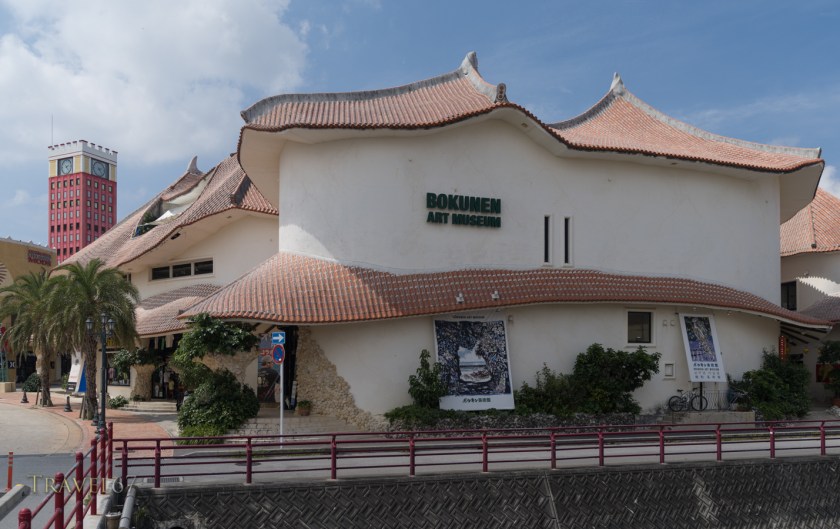
Bokunen Art Museum, Chatan, Okinawa

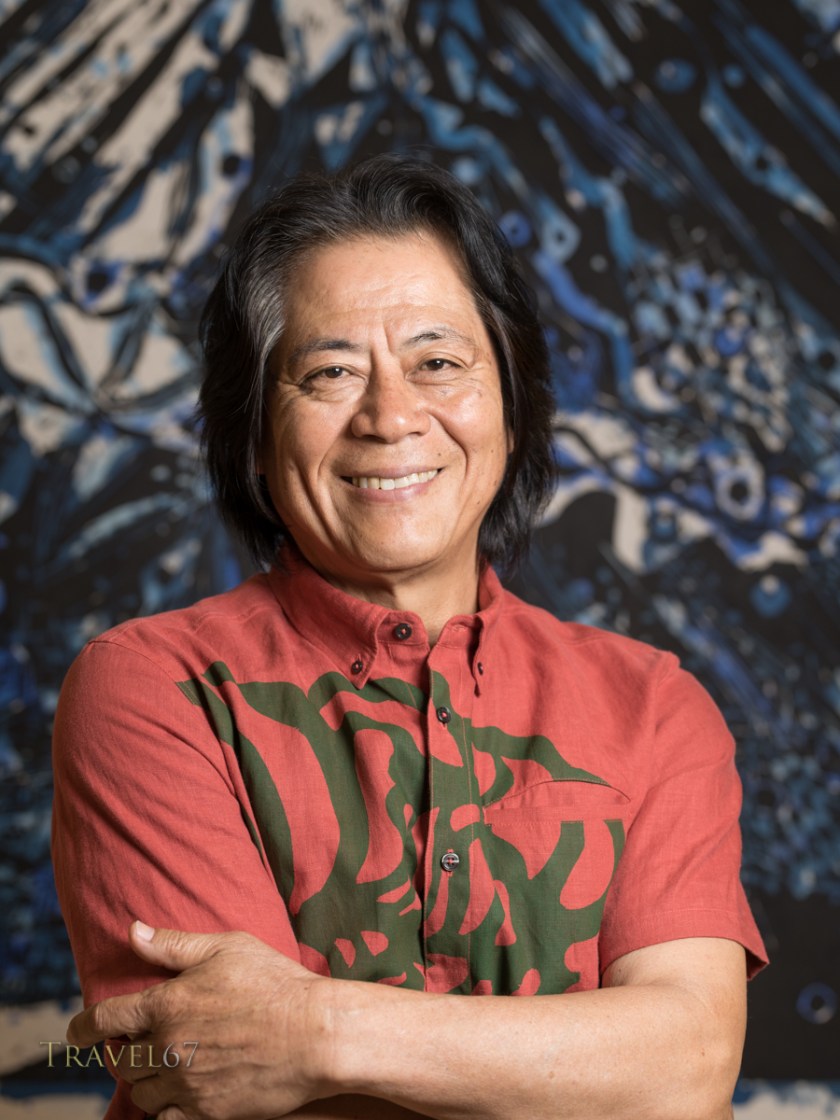
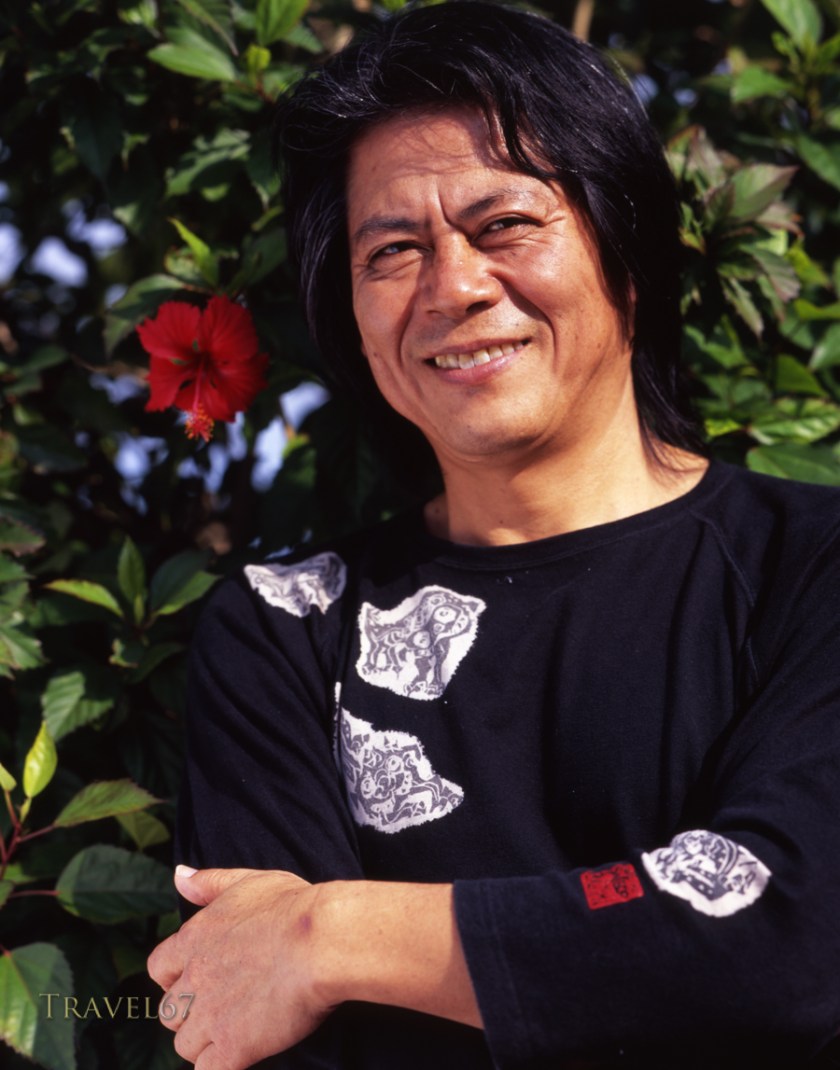
It’s been 10 years since I last photographed Naka Bokunen, and his star has continued to rise. In 2006, I interviewed him at his small gallery on Route 58. In 2016, I meet him at the beautiful Bokunen Art Museum at the heart of Depot Island in American Village.

645Z9229SE900

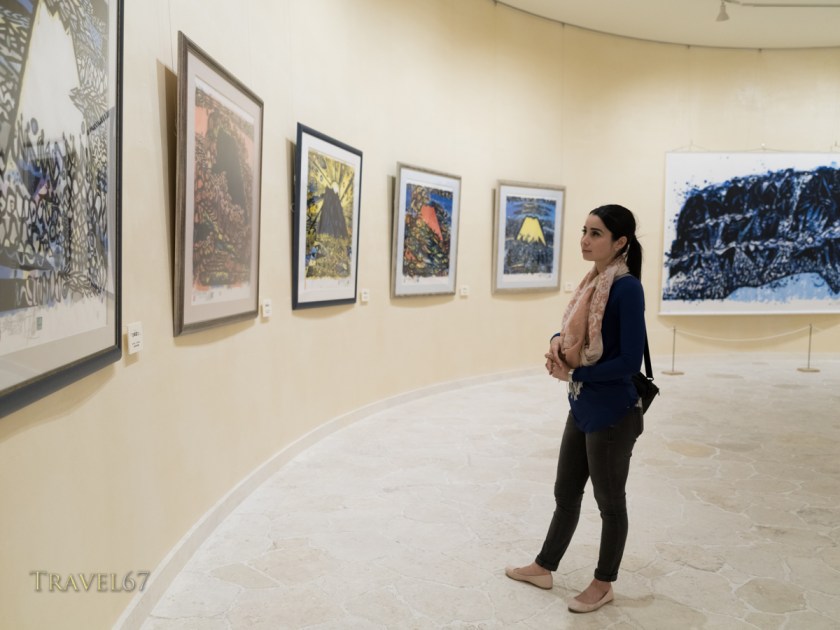
Bokunen Art Museum  – Mountains Exhibition. 

On this occasion all I needed was a couple of quick images for a client, but it was great to see his new mountain exhibition at the gallery.

Here’s the original interview from Okinawa Living Magazine.

Island Icon – Naka Bokunen

Bokunen was born on the small Okinawan island of Izena in 1953. As a child, he always carried a sketchbook, and drew pictures of the island’s creatures and landscapes. At that time, he never imagined a career as an artist, and thought he would become either a fisherman or a carpenter. His talent, however, did not go unnoticed. One of his teachers recommended that he attend an art-based high school on the main island of Okinawa. After graduation, Bokunen became a graphic designer and set up his own design production company, Project Core.

It is his skills as a woodblock artist that have gained him them most recognition. His colorful, dream-like prints were used for the Kyoto Climate Conference in 1997, the G8 Summit in 2000, and in numerous exhibitions across Japan.

67okiicon21SE900

Naka Bokunen 2006  

What process do you go through to create the prints?

I begin with a vague idea of what the image will be like, but as soon as I start to carve the wood, things change. The whole process is very fluid, almost like someone is working through me. I’m not creating the image directly on the paper, but in the wood which I’ll then print from. Because of this, I feel the process has an almost spiritual quality. You’re never quite sure what’s going to happen.

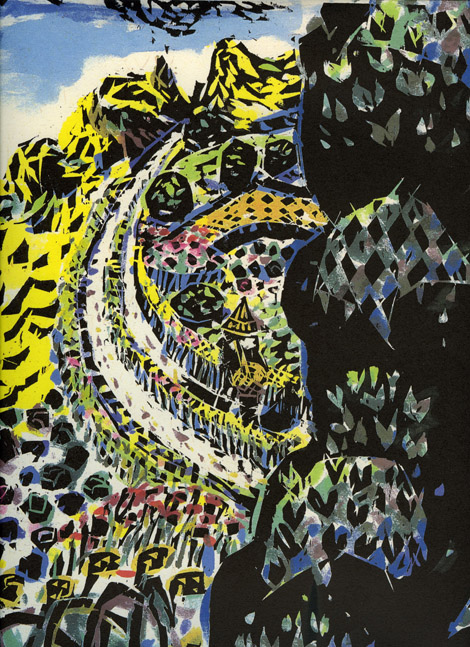
Once the woodblock is finished, I spread black ink on the surface of the wood, and then press it against the paper. The black and white print is a mirror image of the carving in the wood. I then turn the paper over and paint in the colors on the back of the paper. This reverse coloring technique gives the process its name: uratesaishoku. Traditional woodblock prints, such as the tsunami by Katsushika Hokusai, use another technique called ukiyo-e. Ukiyo-e uses a different woodblock for each color and all are applied to the front of the paper. Painting from the back keeps the blacks dark and vivid, and gives my prints their distinctive style.”

Naka Bokunen Cartway and Fukugi Tree 1997

Naka Bokunen’s Cartway and Fukugi Tree 1997

Do you now work exclusively with woodblocks?

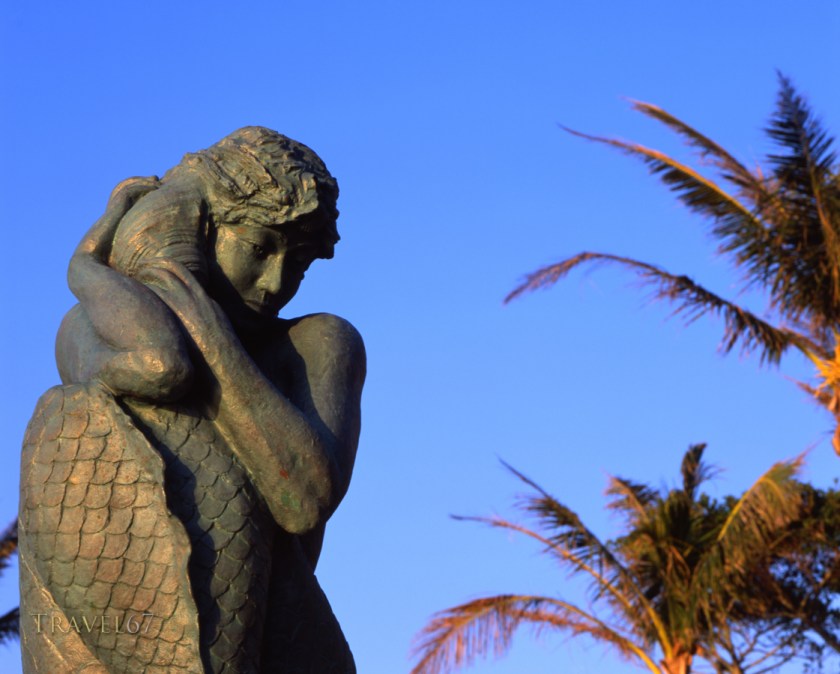
“Not at all. I sometimes do sculptures such as the bronze mermaid at Moon Beach. I also do pen and ink designs, which I print as lithographs then paint with watercolors. Woodblocks, though, are my favorite method. I love the process of carving the image; it’s unlike anything else.”

What are your main artistic influences?

The greatest influence comes from the things around me: Okinawa’s plants, animals, people, ocean and mountains. I also want to do more traveling, as whenever you make a connection with a place or a person, you get inspired, and it is this inspiration I can then channel into my work

I like the paintings of Van Gogh and Picasso. Some people say that my prints remind them of Chagall because the women in my pictures seem to be flying through the sky.

The other person who has inspired me is Shiko Munakata. He was the first to use the uratesaishoku technique in Japan, and was one of this country’s great 20th century artists.”

As nature is you main inspiration, do you worry about the future of the environment?

Of course. I believe that the power of life lies hand in hand with the power of nature. I do not directly campaign for environmental protection, but I hope that, through my work, people will see the beauty of Okinawa, and not want to lose it.”

A lot of your creations include images of women or mermaids, but there don’t seem to be any men?

I think that women are the spiritual heart of life. In Okinawa, they also have the special roles of kaminchu and yuta, priestess and shaman. To some this female power is known as Gaia, others call it Mother Nature. When I begin to draw or carve, the images just come naturally from my subconscious. Maybe, I just spend more time thinking about women than I do about men.”

67okilan2 OnnaSE900

Bronze Mermaid by Naka Bokunen at Moon Beach, Okinawa

Kumamoto

The earthquakes in Kumamoto on April 14th and 16th  killed at least 48, injured over 3000, and more than 44,000 were evacuated from their homes.

Many historic structures were damaged including Aso Shrine and parts of Kumamoto Castle. Today, a news report in the Asahi Shinbun showed the pond at Suizenji Jojuen garden had almost disappeared.

Right now there are pressing matters of getting water, food and shelter to those who need it. In the long term I’m a believer in the positive power tourism can have. It brings in money, provides jobs, and gives pride to residents.

I first visited Kumamoto around 10 years ago to write and shoot a travel feature for Okinawa Living, I returned in 2013 and in 2015 updating the Fodor’s Japan guidebook. The castle and the Japanese garden are my favorite spots in a beautiful city.

I hope some of you can make a trip to Kumamoto while you are living in  Japan or during your next visit. It’s a fine city, well deserving of your time.

67Kumamoto58SE900

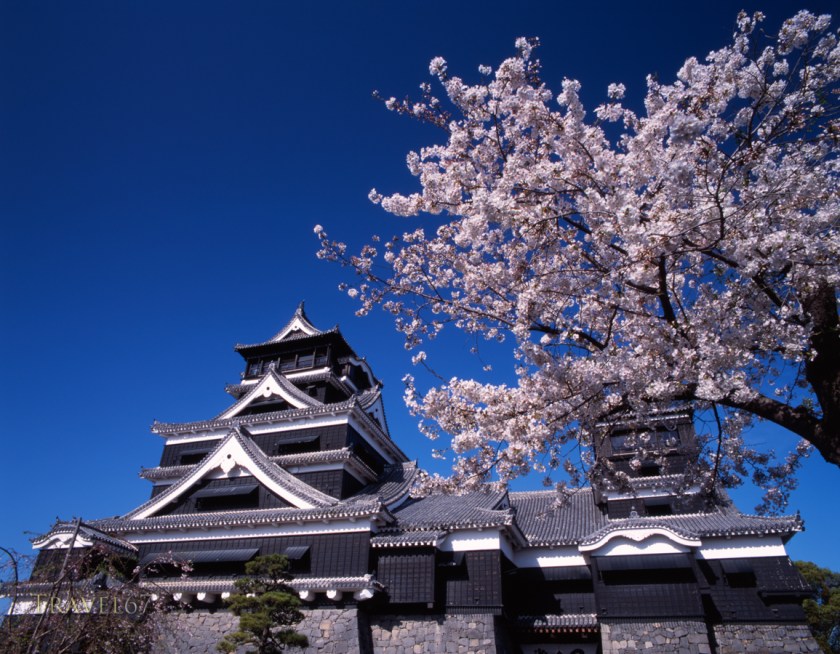
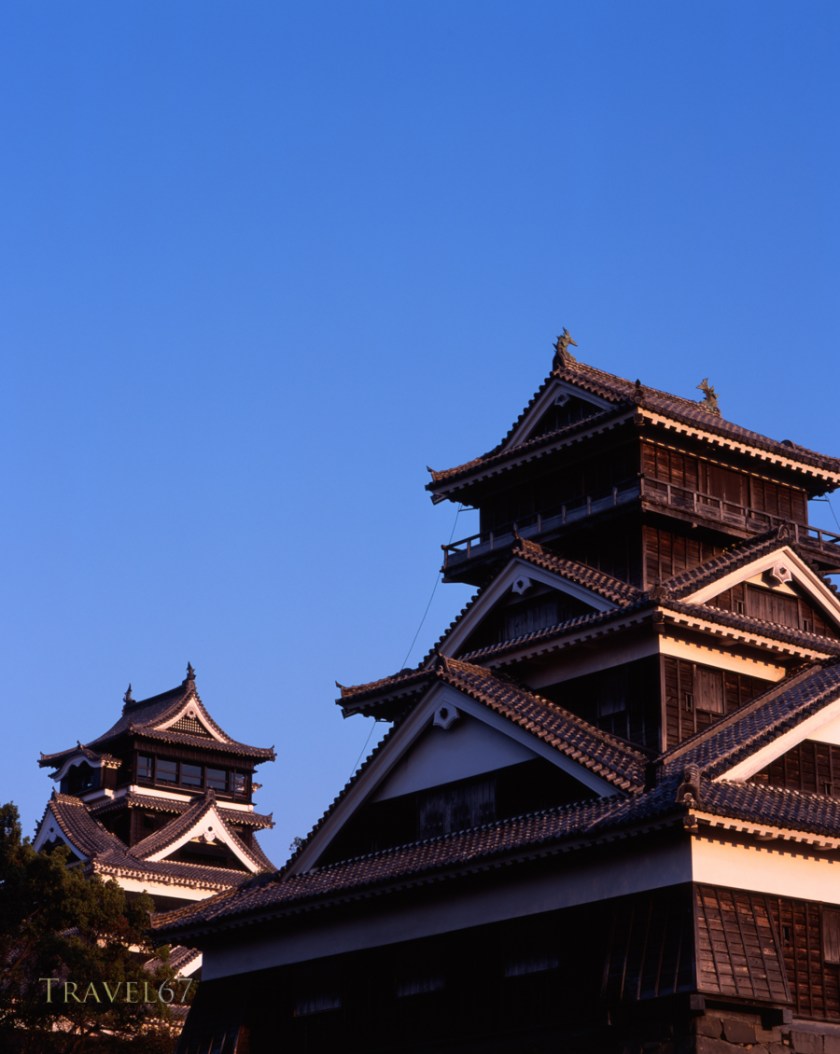
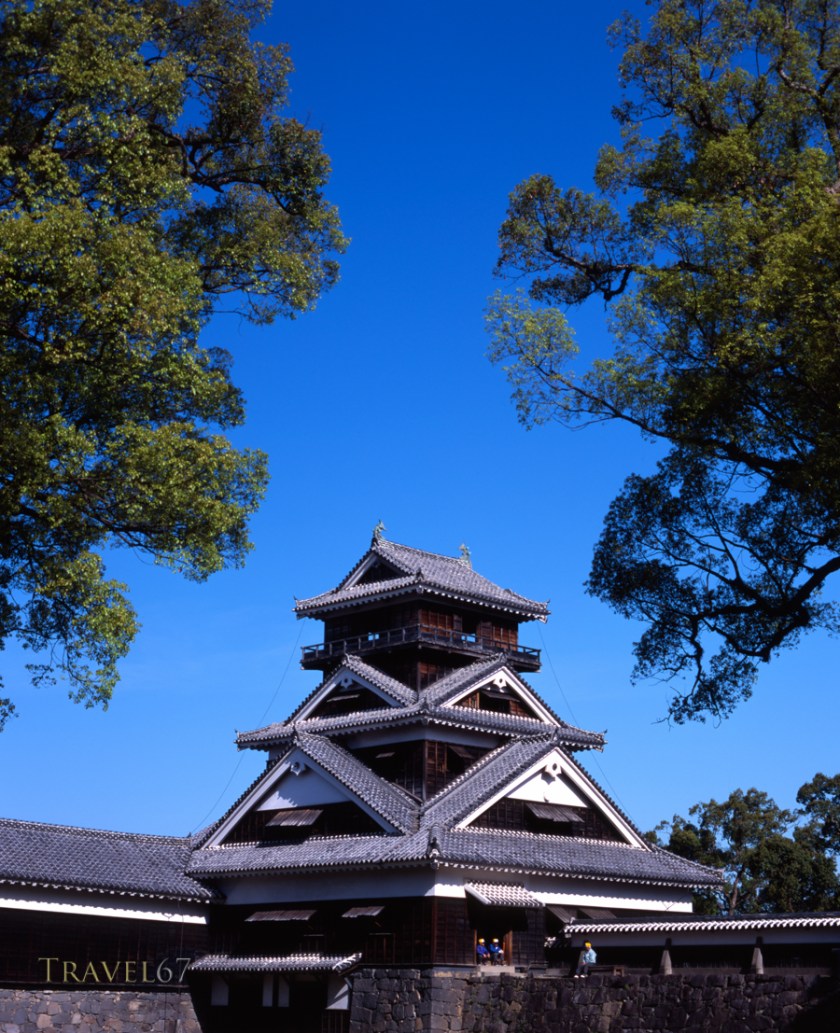
Kumamoto Castle

The Uto Turret at the northwest corner of Kumamoto Castle is an important cultural property. It is the only tower that survived the destruction of the castle during the Satsuma Rebellion.

The Nagabei Wall, a national cultural property, stretches for 242 meters along the southeast side of the castle.

When the great warrior Kato Kiyomasa built Kumamoto Castle he designed it to be impregnable. It took 7 years to construct, with 13 kilometers of outer walls, 5 km of inner walls, a vast keep and 49 turrets. Unlike the more decorative Himeji Castle, a large amount of strategic foresight was put into its design including walls that curved outwards to stop them from being scaled, while trees and wells within the castle walls could provide a supply of food, firewood and water. The castle was completed in 1607, but it wasn’t until nearly three centuries later that the defensive design was truly tested and shown to be highly effective.

In 1877, an army of rebel samurai (the inspiration for Hollywood’s Last Samurai) laid siege to Kumamoto Castle. The Imperial Army troops within the castle although outnumbered were able to hold out for 50 days until reinforcements arrived and the samurai were finally forced back. Unlike in the movie, the defeat of the samurai was not due to superior modern weaponry, it was the result of the design features incorporated into the castle 270 years earlier.

Most of Kumamoto Castle was destroyed by fire during this siege, however, the Uto Turret remained standing and is now recognized as an important cultural property. In 1960, the main keep was rebuilt, and from 1998 to 2007 extensive restoration of castle buildings took place to mark the castle’s 400th anniversary.

67Kumamoto61SE900


67Kumamoto54SE900

Suizen-ji Garden

Kumamoto is known as the city of water. In fact, natural underground springs provide drinking water to all of Kumamoto’s 670,000 residents. 

In 1636 feudal lord Hosokawa chose the spring-fed pond at Suizen-ji to be the site of his new tea house. The cool waters would produce fine tea, but it was also thought the purity of the water would act as an elixir, extending the life of the drinker. The landscaped garden surrounding the central pond and tea house took 80 years to complete. It was designed to reproduce the 53 stages of the Tokaido Road that linked Edo (Tokyo) with Kyoto. Visitors can stroll along the circular path that rings the pond in much the same way that guests of the Hosokawa clan have done for centuries. The conical shape of a miniature Mount Fuji is the most distinctive marker on the route.

67Kumamoto29SE900


645Z4739SE900

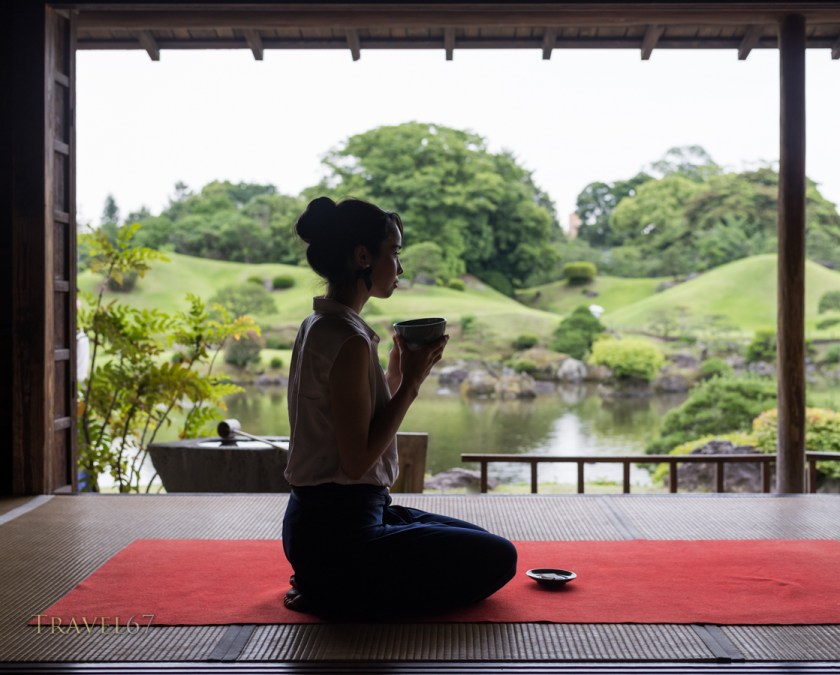
Yuki drinking green tea at the Kokin-Denju-no-Ma teahouse, Suizenji Jojuen garden, Kumamoto City

Cherry Blossom in Tokyo

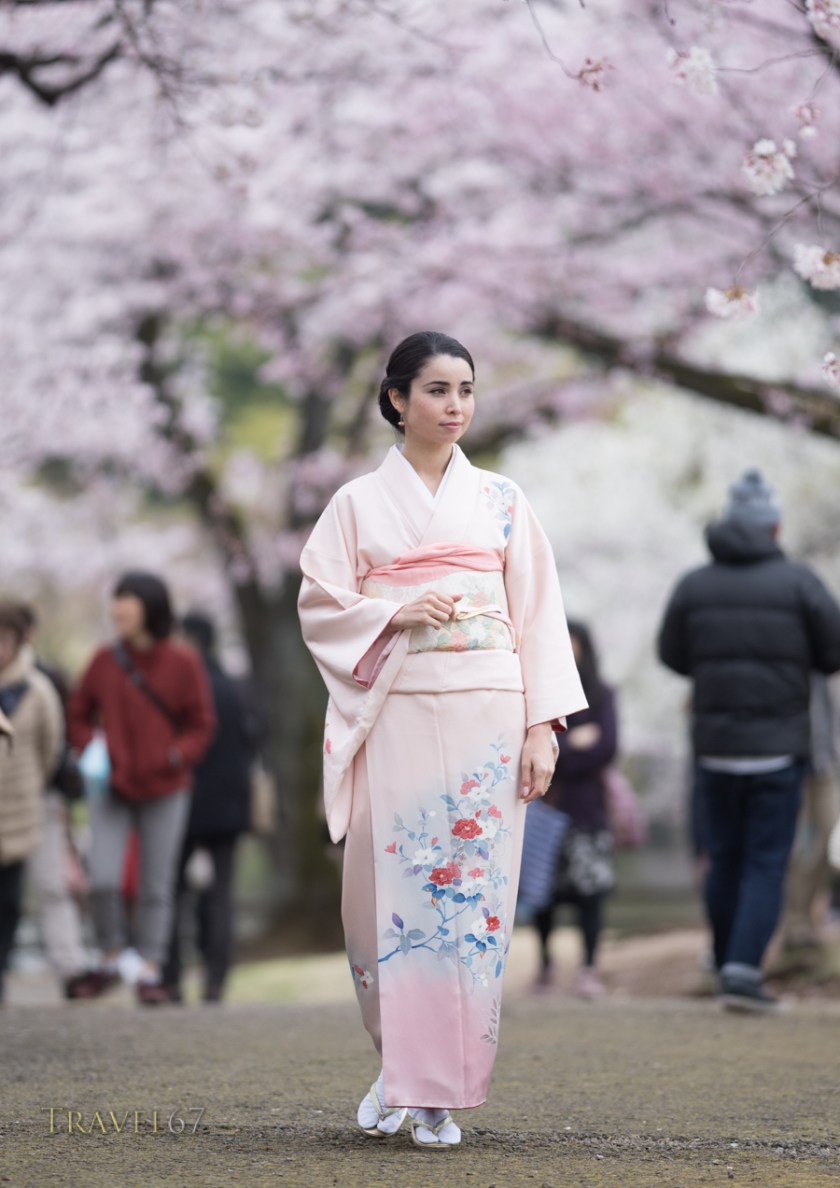
Hanami ( cherry blossom viewing ) is the highlight of the spring. For a few days, delicate pink white blossoms cover the trees, then cascade to the earth. For some it is a time to contemplate their beauty and the ephemeral nature of life.

“The perfect blossom is a rare thing. You could spend your life looking for one, and it would not be a wasted life.”  Katsumoto

645Z6824SE900

For others it’s a great chance to get drunk with your mates in the park. At famous hanami spots, such as Yoyogi Park, the grass is covered in a patchwork of blue plastic sheets. If it’s a work outing then the youngest person in the office, usually has the duty of arriving as soon as the park is open to grab a spot for the company’s blue sheet.

“Too many beers. Long line for the toilets.  Nowhere to pee in a park filled with trees.” Anonymous

Hanami Cherry Blossom Parties in Yoyogi Park, Tokyo


Lasik in Japan

This is a compilation of blog posts about my experience getting laser eye surgery in Japan.

Short Version:

I used glasses and contact lenses for 20 years. In 2013, I decided to get Laser Eye Surgery. I had iDesign iLASIK at the Kobe Kanagawa Clinic in Shinjuku, Tokyo.  Procedure went great. I now have excellent vision, better than 20/20. Hoorah.

In 2020 the Kobe Kanagawa Clinic changed ownership and the clinic is now focused on other procedures. Richard, who helped me now works at the Shinagawa LASIK center which is a great option for English speakers in Japan.

Shinagawa LASIK Center

Richard set me up with a referral system for the Shinkawa LASIK Center  so readers of my blog can get up to 50,000 yen off.  Just message me and I’ll send you a referral discount coupon.

Long Version:

I got my first pair of glasses when I was about 13. At age 16, I started wearing contact lenses, and glasses became a last resort. For the next 20 years I used contact lenses pretty much everyday.

I’ve journeyed around the world with a wash kit containing vials of lens cleaner, saline, spare lenses and backup glasses. In the grand scheme of things, having to wear contact lenses is a mild inconvenience rather than a burden, but I really wished I could simply fix my eyes.
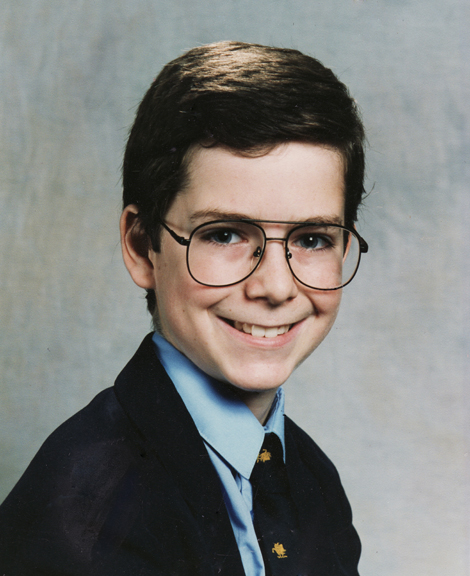
Glasses at age 13, attending The Manchester School of Witchcraft and Wizardry.

Glasses at age 13, attending The Manchester School of Witchcraft and Wizardry.

Laser eye surgery, LASIK, has been around since the 90s, but the cure seemed to come with too many possible side effects. Cases of patients no longer being able to drive at night due to haloing and glare sounded a little too common to be worth risking my own vision. For me to undergo LASIK it would have to give great results with minimal risk. I’d want the latest generation of equipment, used by a team that does enough procedures for it to be routine.

Over the past few years, several of my Japanese based friends have had LASIK. Some went overseas to the States, the UK or Thailand, a few had it done locally in Okinawa, while others travelled to mainland Japan. I decided to look into the various possibilities and one procedure, and one clinic, seemed the best option for me.

iDesign iLASIK as used by NASA

iDesign iLASIK as used by NASA

The latest version of LASIK is called iDesign iLASIK and the blurb sounded impressive. “iLASIK® is IntraLASIK + CustomVue Treatment, was based on the approval of Laser Vision Correction treatment by the United States Department of Defense and NASA-National Aeronautics and Space Administration and approved for use by their Air Force, Navy Pilots and Astronauts.” The procedure is customized to an individual’s eyes so the results in terms of clarity and recovery are better. It is more expensive than standard LASIK but I’d already made the decision that for me as a photographer the quality of the result was more important than the cost.

In 2013 the Kobe Kanagawa clinic had seven clinics in Japan, but only the Shinjuku and Kobe branches are able to perform the latest iDesign surgery. The Shinjuku clinic turned out to be just around the corner from the Pentax Forum in Tokyo where I’ve had several group and solo photo exhibitions so I knew the area well.

I contacted Richard Masuda who was in charge of international relations at the clinic. Richard’s a bilingual Canadian so was able to answer my questions and arrange an appointment for me. I requested to do the eye consultation and then surgery on the same day, and was booked in for December 27th, 2013. I had to stop wearing contact lenses at least 4 days before the operation, so I was back in glasses when I flew up to Tokyo on the 26th.

Now in the system!

Now in the system!

At 11.30AM I arrived and was given my appointment card. I then filled out the forms (provided in English) for medical history, types of sporting activity, desired procedure etc.
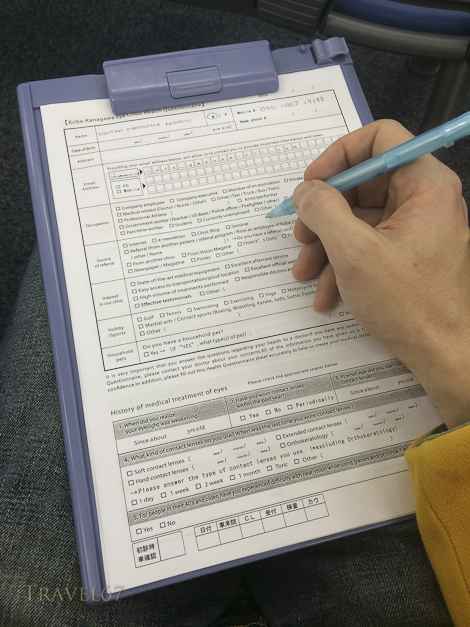
Medical History Check

Medical History Check

Kitsunai-san the examiner then took me through a comprehensive series of eye tests. Along with the usual optometry tests to determine visual acuity, degree of myopia and astigmatism, they also tested radius and curvature of the cornea, intraocular pressure, thickness of the cornea, the radius of the pupil, and using WaveScan technology the tiny aberrations in the eye.

Mr Kitsunai the examiner

Mr. Kitsunai the examiner

Next the staff put some drops in my eye to dilate the pupils. This took a few minutes to kick in, and when it did my distance vision went blurry and my eyes became more sensitive to light. Dr. Kubo checked my eyes, and said I was good to go.

Dr Kubo the consultant

Dr. Kubo the consultant

A staff member and Richard then ran through the iLASIK procedure with me, and the various eye drops I would need to used over the following days. I also paid for the treatment. Premium iDesign LASIK is 380,000 yen for both eyes, but I got a 10,000 yen discount as I travelled from outside of the local area, and a 30,000 yen discount for giving a friend’s referral number. Total cost 340,000 yen. It was now around 1pm and I was booked in for surgery at 3pm. I went and had some lunch while my eyes returned to normal after the dilation procedure. Just before 3pm I returned, had a final check, anesthetic drops were put in my eyes, I took a pain tablet that would kick in later, and I was ready to go.

Richard Masuda & I just before surgery.

Richard Masuda & I just before surgery.

I put a gown over my t-shirt, a hat over my hair, changed into slippers then went into the surgery part of the clinic. I took off my prescription glasses (for the final time) posed for a photo with Richard and then went into the operating room. Richard also came into the room to help translate.

The whole surgery took less than 5 minutes. The room was dimly lit, there was a recliner, various machines, and the surgical team led by Dr. Shiba. I lay down, they put a strap on my forehead to stop movement and a nurse rested her hand on mine. The surgeon put a speculum on one eye to hold back the eyelids then swung the iFS Femtosecond laser machine over my head. I stared at the dot and in a few seconds the laser cut a flap in my cornea. The first machine was swung away and the Excimer laser swung in. I stared straight ahead, and the surgeon lifted the flap in my eye. Things went a little dark for a second, then I was looking at a rather blurry red dot. The laser started, and for about 10 seconds the surgeon said something along the lines of that’s great, just look ahead, nearly done, perfect. The flap was replaced, the speculum switched to the other eye, and the procedure repeated. A couple of minutes later I’m done and walking out of the surgery. It was a little hazy, but I could already look around and see. I change out of the gown and hat, put on my shoes and walk back into the waiting room. I’m given a pair of glasses with clear lenses to protect my eyes from dust and fingers etc for the first week. Richard runs through the procedures with the eye drops and pain medication another time, gives me his personal phone number just in case, and I’m done!

Glasses again!

Protective glasses after surgery

It’s a 15 minute walk from the clinic back to my hotel. On the way back my eyelids start to get really droopy and tears start to flow. There’s no pain, but I do feel like I’ve been hit by a tranquilizer dart. It’s clear why you shouldn’t drive on the same day as the procedure. I get back to the room, put in the three different eye drops and fall asleep still wearing my new protective glasses. I awake a couple of hours later, it’s now 7pm. I look out of the window and see the neon lights of Shinjuku. I burst out laughing. Everything is really sharp. I feel like the Six Million Dollar Man.

Eye Drops - Prevent Infection, Prevent inflammation, Prevent dry eye

Eye Drops – Prevent Infection, Prevent inflammation, Prevent dry eye

Later that evening, an hour before going to sleep, I put in the eye drops again. I have some weird dreams. I keep waking up and staring at two tiny green lights on the smoke detector above the bed. I’d never noticed them before. I’d never been able to see them before.

At 11.40AM I am back at the clinic for my 1-day check. The day before without glasses I couldn’t see the chart, I got a score of 0.06. Now I could read the second to bottom row with each eye, and with both eyes open I could just about read the bottom row of comically small symbols. I now had 1.5 or slightly better in each eye. (20/20 vision is 1.0) I chat with Richard again, I have no pain and I can see great. The only worrying thing was that when I walked passed a mirror the new glasses made me look like the elderly guy from UP.

=====================

A week after my operation I flew up to Osaka for the 1 week check-up. I could have returned to the Shinjuku office in Tokyo, but as I could do this at any of the clinics, I thought I’d spend a couple of days in Kyoto and get my check in Umeda, Osaka.

At the clinic, with either eye open I could read the second to bottom line on the chart. With both eyes open I could just about make out all the symbols on the bottom line. Awesome.

I was back in the waiting room for a couple of minutes then in to see the eye doctor. He checked the health of my eyes, confirmed that the cornea had completely sealed and asked if I was having any problems. He explained about the new eye drops I would have for the next few weeks and that I had another checkup at the end of January. I picked up my new eye drops from reception (there are no fees for any post-op checks or medications) and I was done. Total time less than 15 minutes. Hoorah.

LASIK 1 week check

LASIK 1 week check

It’s now been about 2 weeks since I had the operation. Here are a few things I’ve noticed or realized.

– I’m saving a couple of minutes every morning and evening not having to put in or take out my contact lenses, rinse, fill the container with solution etc. That’s 4 minutes a day or 24 hours a year in extra time.

– When I wake in the night I still rummage around on the nightstand looking for glasses until I realize I can actually see.

– This led me to the conclusion that in the past if there had been a natural disaster at night, and I couldn’t find my glasses, I’d be trying to deal with the aftermath of a tsunami or earthquake while being partially blind. I hadn’t even considered this as a good reason to get LASIK but now it seems obvious.

– There is mold on the ceiling in my bedroom, tiny black specks all over the white paint. Hadn’t noticed it before. Must clean the house.

=====================

 Last weekend I flew back up to Tokyo for my 1-month checkup.

Trying out for the role of Alastor

New eyes, same silly faces.

As with my previous visits things went very smoothly. I filled out another questionnaire in English asking if I’d have any problems at all. I then met with an examiner who tested my vision.  I could read the bottom line of the chart with both eyes open (2.0) and when using just one eye I could make out most of the tiniest symbols.

Final eye checks

Final eye checks

After that Dr. Takahashi checked the health of my eyes and gave me the all clear. I can now start scuba diving again. I have some drops to use if my eyes feel dry at any point, but this was my final obligatory check.

Eye check by Dr Takahashi

Eye check by Dr. Takahashi

Finally Ogata-san gave me a quick interview about my experience at the clinic. Richard Masuda, the international relations staff member, was there to help translate, answer any questions, and in this case take photos.

Final interview with Ogata-san

Final interview with Ogata-san

=====================

It’s now been about six months since surgery. Back in March I was overseas photographing the temples and monks of Angkor Wat, most days I was up before the dawn so I could make use of the best light. Not having to put in contact lenses at 5AM while you’re half asleep was a delight.

Sunrise over the rice fields near Banteay Srei Temple, Cambodia

Sunrise over the rice fields near Banteay Srei Temple, Cambodia

I’m also scuba diving again, and now don’t had to worry about the possibility that I’d lose my contact lenses when removing my mask underwater. Of course disposable lenses don’t cost much, but losing lenses and then having to make a shore exit through surf would be a real issue.

No contact lenses, no problem.

No contact lenses, no problem.

While in Tokyo in August, I’d stopped by the Kobe Kanagawa Eye Clinic in Shinjuku for my 6-month eye check after Lasik. ( 8 months after the op.)

First, I did a standard eye test. I could read the bottom line with my right eye, the second to bottom line with my left eye, and the bottom line clearly with both eyes open.

My eyes were then checked by the doctor, and I was given the all clear. Awesome.

I can go back to the clinic if I ever have any concerns, but that was the final regularly scheduled check-up.

Everything's good. 6-month check at the Kobe Kanagawa Shinjuku Clinic

Everything’s good. 6-month check

UPDATE:  1 year since the operation. No problems whatsoever!

I have been really pleased with the experience, and now recommend the procedure to friends and family.  Lasik isn’t cheap, but it definitely feels like you are making a good investment in your health and quality of life. Of course there are many different procedures available and I’ve only had experience of iDesign iLasik, so if you’ve got general questions check out the website and send them an email.

UPDATE: 2 years since the opeartion. My eyes are great. Seems like a very long time ago since I wore contacts.  Richard Masuda has left the Shinjuku branch of the clinic but they still take English speaking patients.

UPDATE: 3 years since the operation. No problems at all. Busy living life. Got married, bought a house in Okinawa.  Happy.

UPDATE: 4 years and six months since I had Lasik. No problems at all. Yuki and I would like to introduce you to 4-month-old Jasmine.  Having a baby is fantastic.  It also means you have less time, less sleep, more colds, and more responsibilities. All the advantages of having had Lasik have now been magnified. So glad I don’t have to mess around finding glasses in the middle of the night, or dealing with contact lenses and poopy diapers while half-asleep.

DSC_9142.jpg

UPDATE: Almost 5 years since LASIK. I was up in Shinjuku (Tokyo) for a meeting with Pentax so thought I’d pop around the corner to the Kobe Kanagawa Eye Clinic for a quick eye check.  Still can make out the bottom row of the chart with both eyes open 🙂

UPDATE: Approaching 7 years since LASIK. Eyes are doing great. I’m 44 years old now so I’m probably going to be needing reading glasses in the next few years, but my distance vision is perfect. In 2020 the Kobe Kanagawa Clinic changed ownership and the clinic is now focused on other procedures. Richard, who helped me now works at the Shinagawa LASIK center which is a great option for English speakers in Japan.

Shinagawa LASIK Center

Richard set me up with a referral system for the Shinkawa LASIK Center  so readers of my blog can get up to 50,000 yen off.  Just message me and I’ll send you a referral discount coupon.

Want even more information?  You can also check out my post

10 life changes since getting LASIK

New Threads

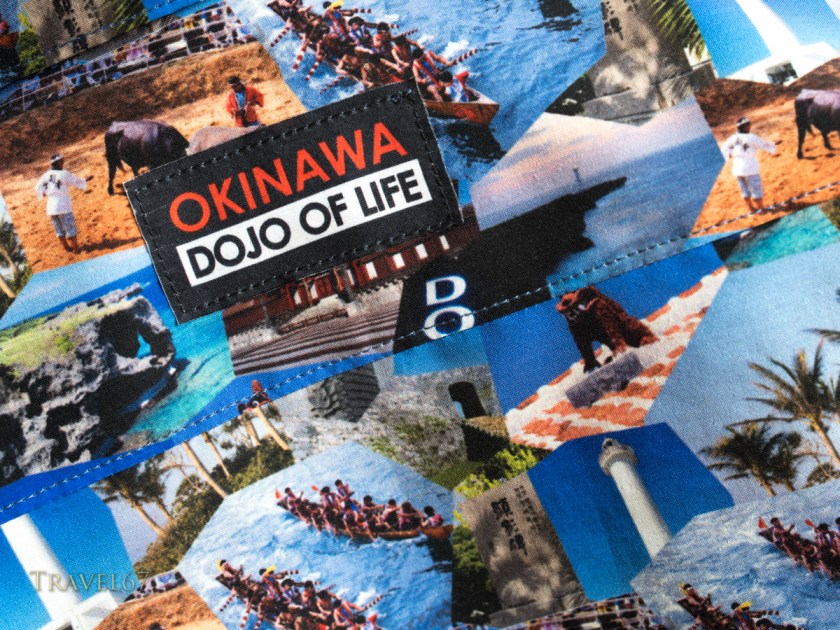
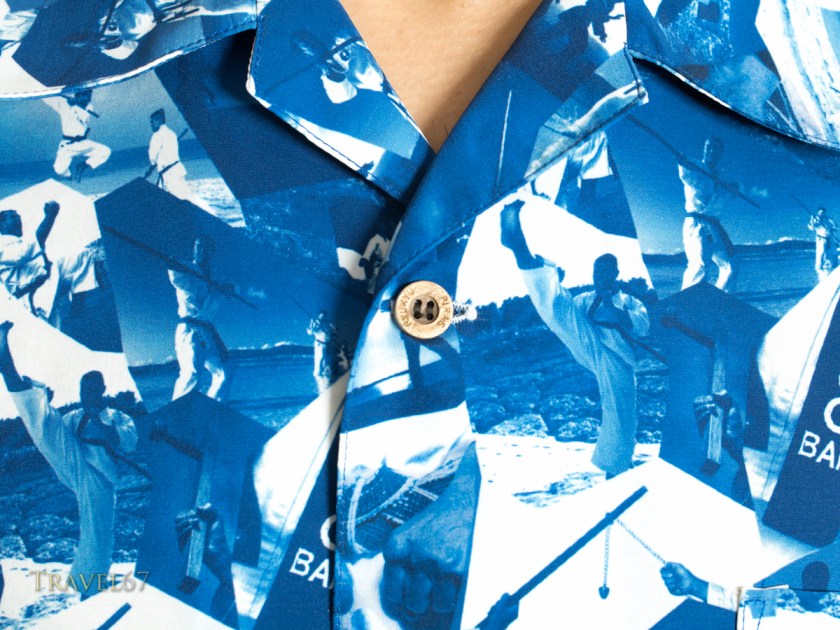
DOJO Okinawa is a new clothing line by my friend  James Pankiewicz. Great t-shirts and kariyushi wear with designs inspired by the Ryukyu Islands. You may even recognize a few of the pics that make up the “Karate Action” and “Okinawa Places” kariyushi shirts.

645Z2152SE900

You can buy the shirts online, at the Ryukyu Piras stores in Naha or Chatan, and at the one and only DOJO Bar in Naha City.   Also check out and like their new Facebook page.

645Z2189SE900

Onbashira – the bold and the brave

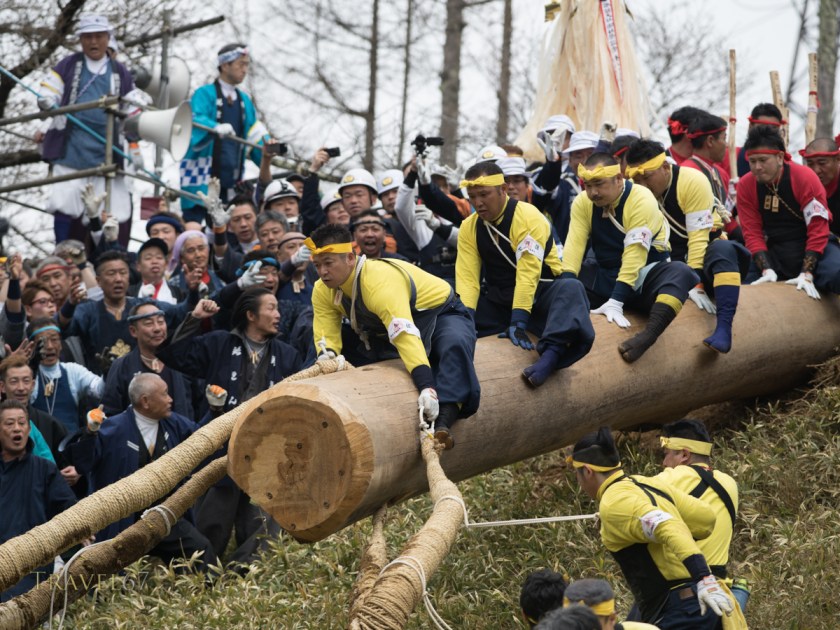
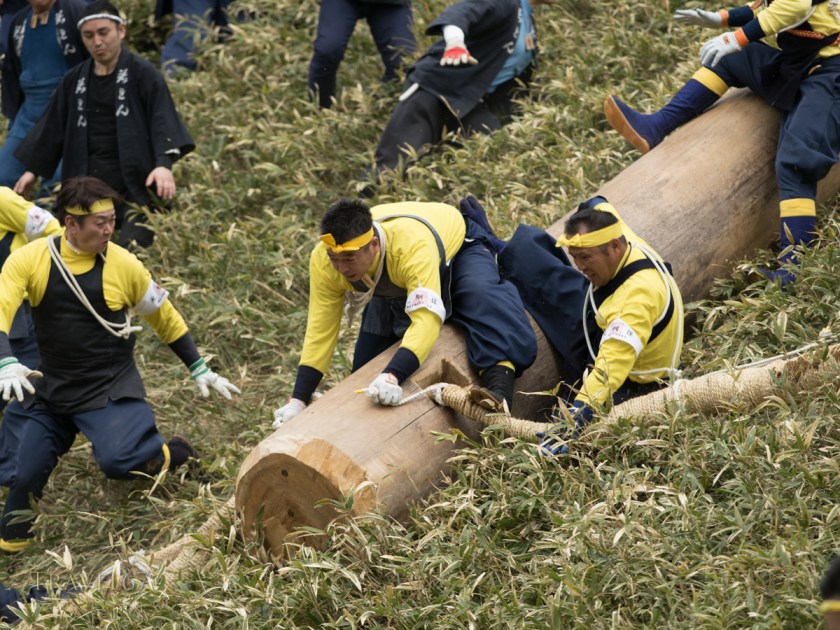
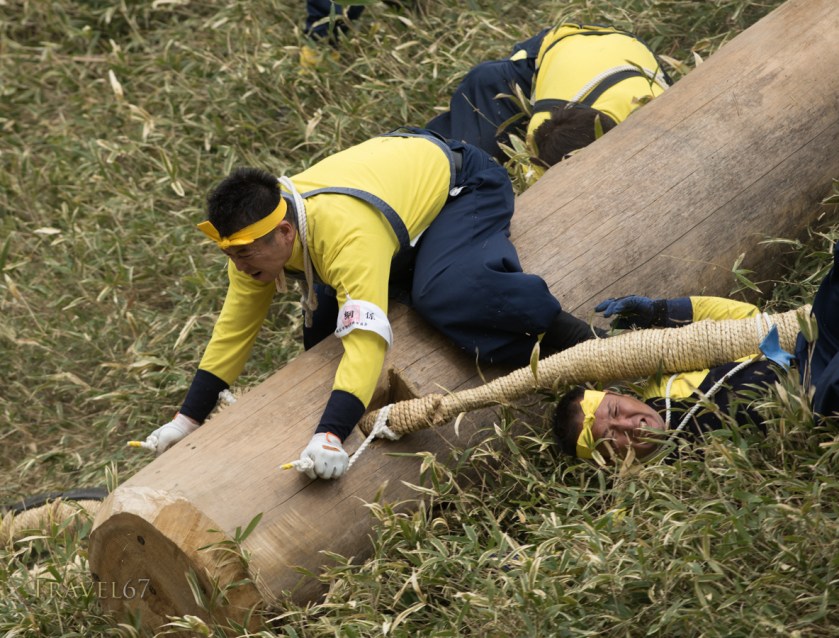
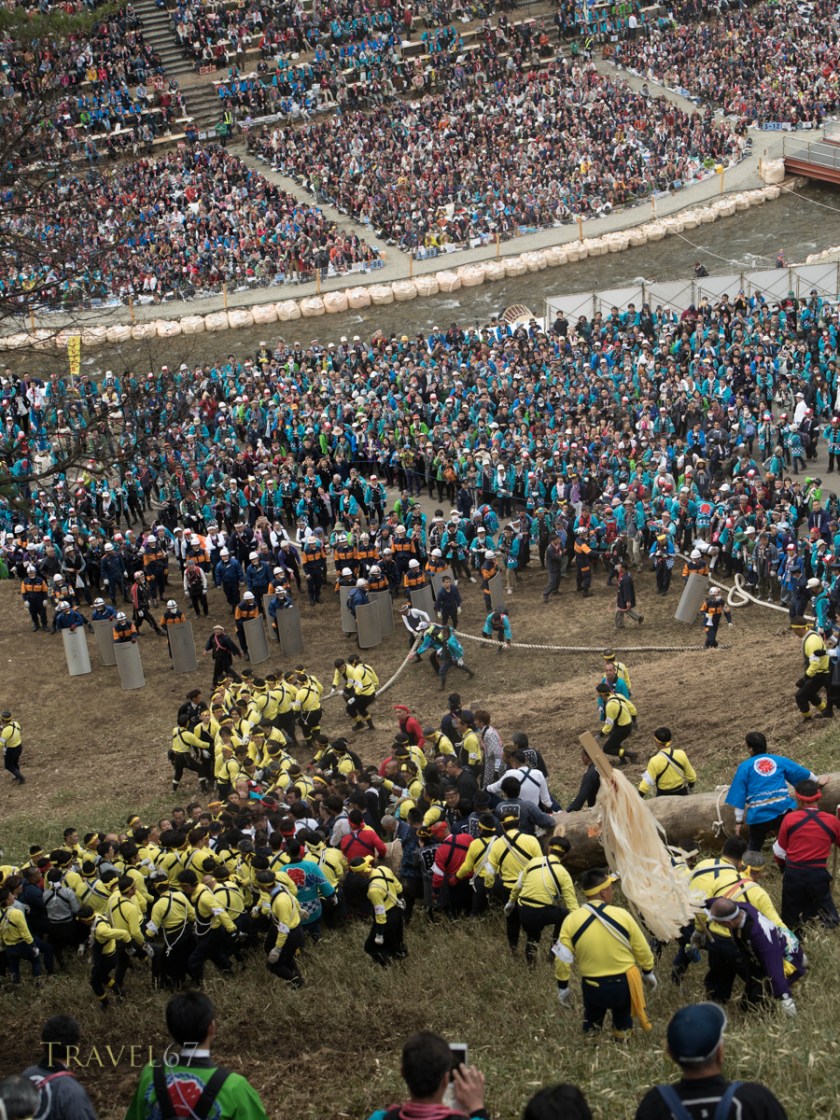
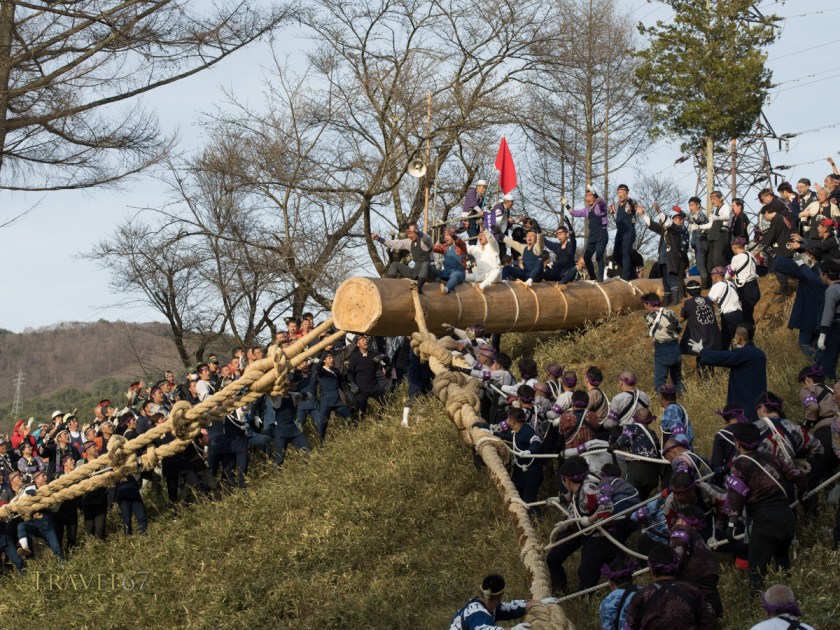
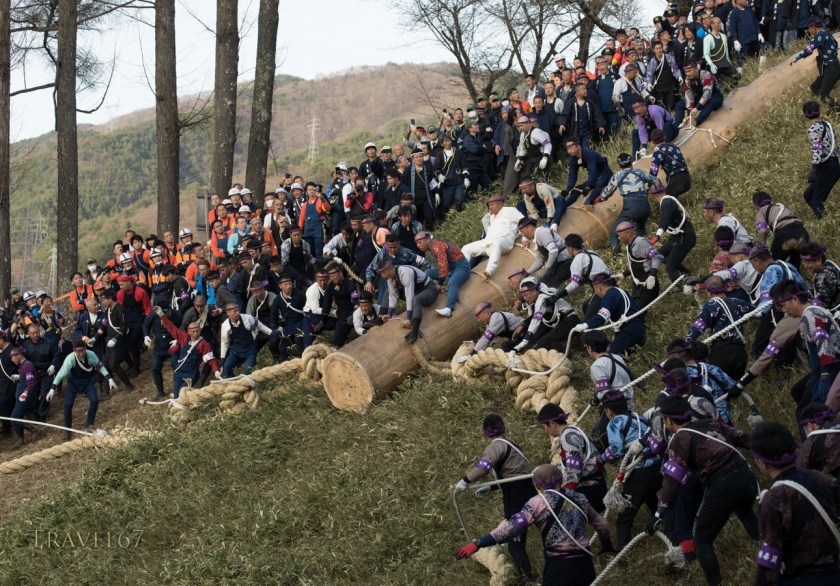
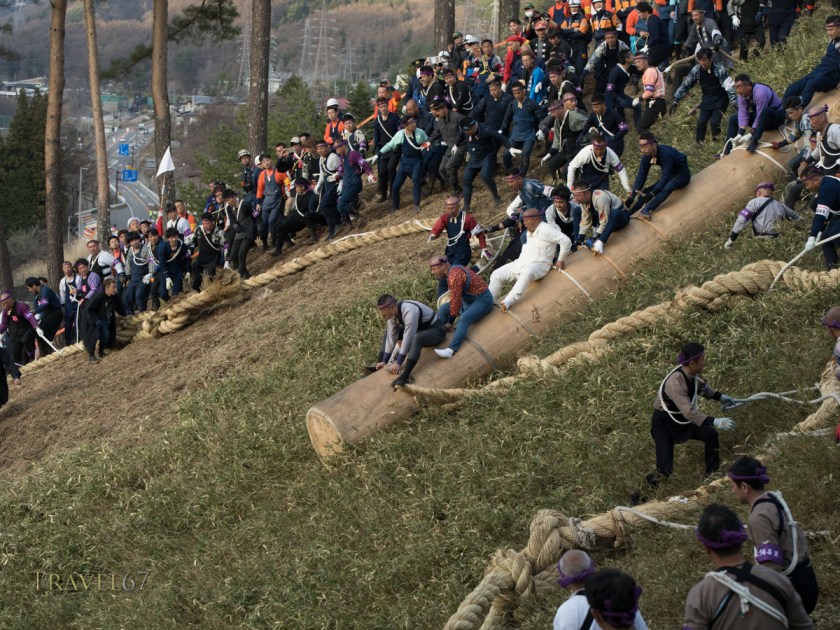
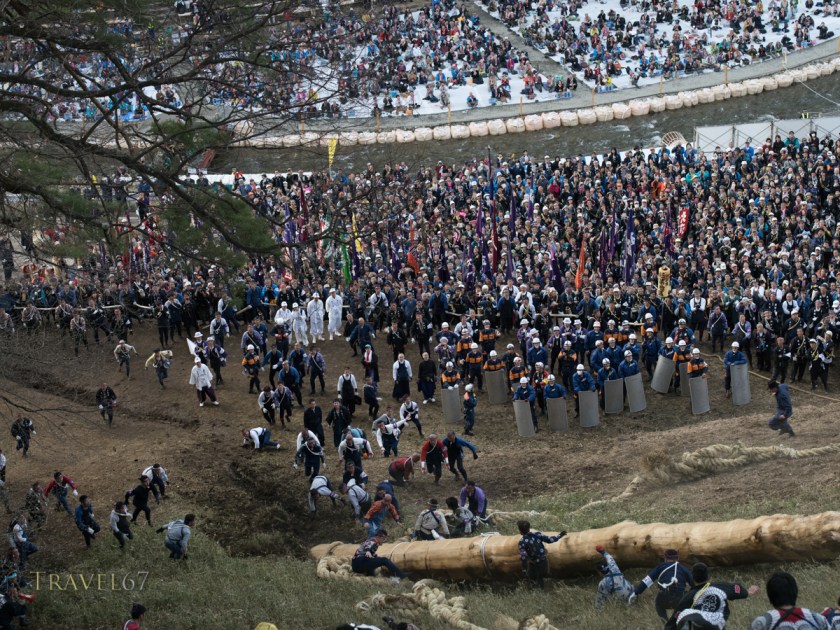
Riding a tree trunk as it slides down the side of a mountain is as safe as it sounds. There are injuries, and numerous participants have died. The Onbashira festival, however, has taken place for over 12 centuries. Every 6 years, tradition takes priority over health and safety, and with a heady mixture of religious fervor and adrenaline, the men go for the ride of their lives.

645Z8661SE900645Z8663SE900

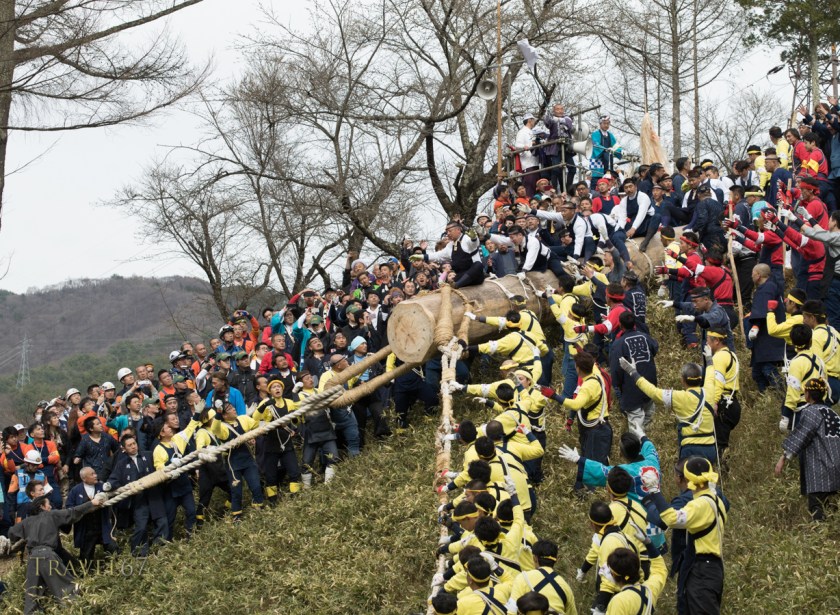
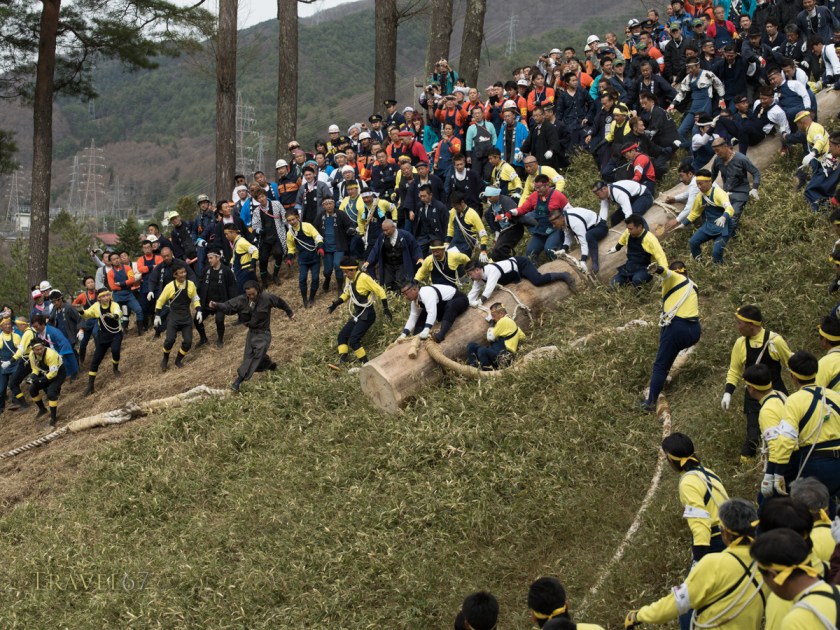
The kiotoshi (tree falling)  part of the Shimosha Onbashira takes place over three days. Friday 8th of April 2016, was the first day, with three different teams riding in the afternoon.

645Z8690SE900

Having shot the first team with a 300mm telephoto lens, I switched to the 90mm so that I could put the action in a little more context.

645Z8695SE900645Z8702SE900

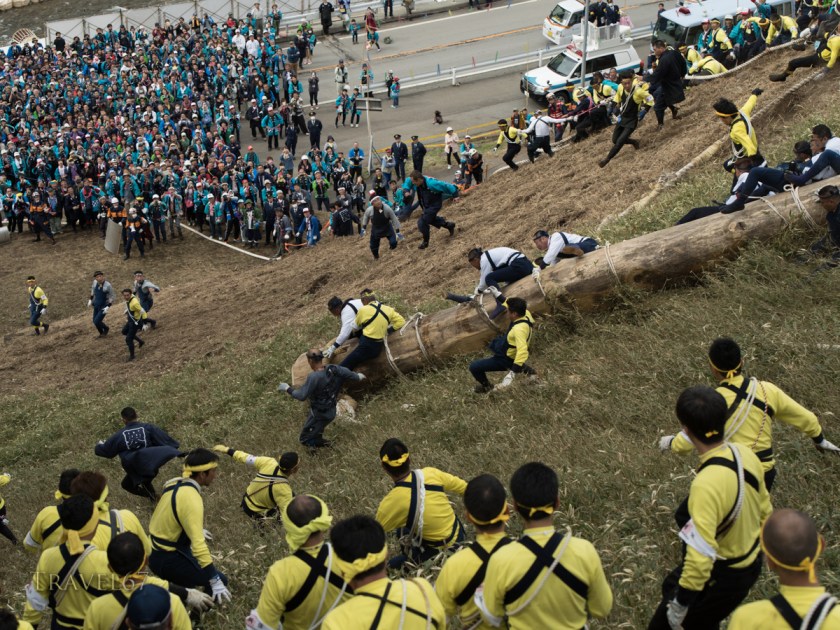
When the tree trunks finally comes to a stop, all the members of the team scramble together to celebrate and then start to drag the trunk onwards. The men with white helmets and riot shields at the base of the hill are to stop dislodged stones from hitting the crowds.

645Z8710SE900

As the third and final group prepared to launch,  for a brief moment sunlight found its way through the overcast sky.

645Z8721SE900645Z8740SE900645Z8743SE900

The third tree came to juddering halt with no riders making it all the way down. The event would go on for another couple of days, but we had to head to Tokyo that night.

645Z8752SE900

With the roads closed to traffic, the day finished with a 30 minute run to the station so we’d make the express train. It turns out that its not that easy to run with about 16 kilos of camera gear on your back and a tripod. As I gasped and wheezed my way downhill there were raised eyebrows from several spectators. I guess they hadn’t expected one of the day’s strangest sights to be an exhausted gaijin careening down the road.

Cherry Blossom at Himeji Castle

Himeji Castle is Japan’s greatest castle. It’s the largest and most visited. It’s a UNESCO World Heritage Site, and several parts of the complex are National Treasures.

645Z7814SE900

The city of Himeji is one of the stops on the shinkansen bullet train running between Osaka and Hiroshima so it’s easy to reach. The castle is visible from the train station at the opposite end of the main street.

645Z7933SE900

Himeji is also known as Shirasagi-j0 or White Egret Castle, this is in contrast to the Crow Castles at Matsumoto and Okayama. Years of wear and tear had left the castle somewhat rundown, so a major renovation project took place recently. The castle reopened to the public on March 27, 2015 and now has bright white walls and pale grey roof tiles.

645Z8006SE900

The cleaning meant that my older images of Himeji needed updating and there’s no better time to do it than while the cherry blossom is blooming. Luckily we got the blue skies I wanted for “postcard” shots of the castle.

645Z8044SE900

Finished off with a few pics in the last of the evening light, and then a few more during twilight as the castle and the cherry blossom was illuminated. A great day.

645Z8081SE900

Images shot using the Pentax 645Z with the 300mm, 90mm and 55mm lenses.